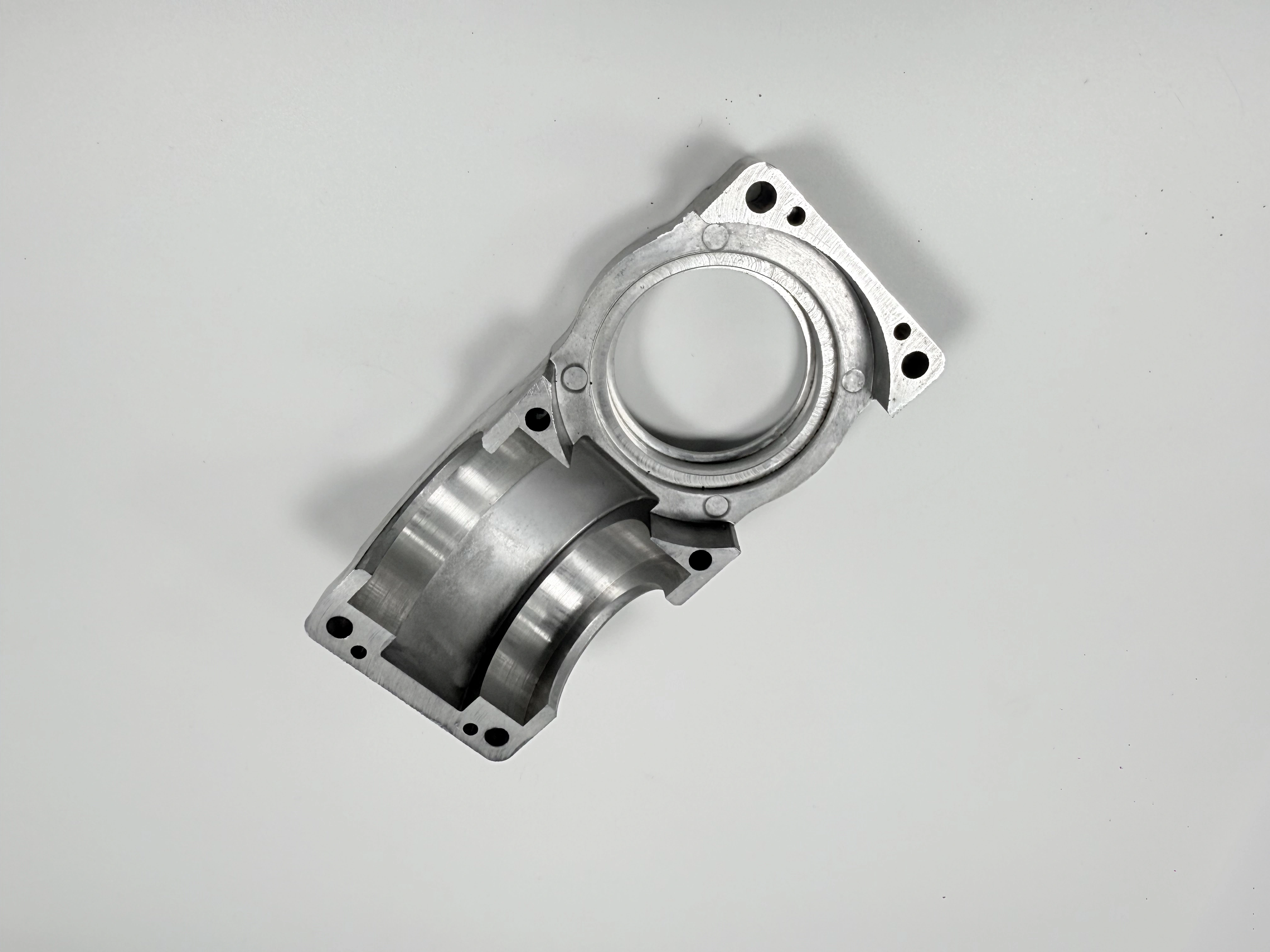
Präzisions-CNC-Teilelieferanten-Audit-Checkliste
Käufer, die nach präzisionsgefrästen CNC-Teilen suchen, benötigen oft mehr als nur einen schnellen Stückpreis. Sie brauchen einen Fertigungspartner, der die Zeichnung korrekt lesen, Prozessannahmen identifizieren, das Prüfrisiko erläutern und nach der Erstbestellung wiederholbare Lieferungen gewährleisten kann. Diese Anleitung verwandelt die Auditscheckliste für Präzisions-CNC-Teilelieferanten in einen praktischen Beschaffungsworkflow für Einkaufsteams, Produktingenieure und Qualitätsmanager, die zuverlässige CNC-Teile benötigen, statt vager Angebotsversprechen.
Die kommerzielle Absicht hinter diesem Thema ist klar: Qualitäts- und Einkaufsteams benötigen einen praktischen Prüfpfad für CNC-Lieferanten. Der sicherste Ansatz besteht darin, Teilefunktion, Materialverhalten, Toleranzrisiko, Oberflächenerwartungen und Bestellmenge zu berücksichtigen, bevor Lieferanten zum Wettbewerb aufgefordert werden. Für verwandte Fähigkeiten können Käufer Präzisionsbearbeitung mit CNC-Fräsen vergleichen, sodass sich die Angebotsprüfung auf die Prozesspassung und nicht nur auf den Preis konzentriert. Dieser Rahmen hilft, späte Klärungsschleifen, versteckte Sekundäroperationen und vermeidbare Produktionsverzögerungen zu vermeiden.
Da diese Seite auf kommerzielle Untersuchungen abzielt, verwendet sie käuferseitige Prüfungen anstelle einer generischen Definition von präzisionsgefrästen CNC-Teilen. Die gleiche Logik gilt auch für verwandte Suchbegriffe wie präzisionsgefräste CNC-Teile, Zulieferer für bearbeitete Teile, CNC-Bauteilfertigung, kundenspezifisch bearbeitete Komponenten. Eine gute Lieferantendiskussion sollte zeigen, was enthalten ist, was noch bestätigt werden muss, wo Fertigungsrisiken bestehen und wie der Lieferant das Teil nach Freigabe des Auftrags kontrolliert.
Beginnen Sie mit dem Beschaffungsproblem
Ein starker CNC-Beschaffungsprozess beginnt mit der Benennung des eigentlichen Beschaffungsproblems. Manche Projekte benötigen Prototypengeschwindigkeit, manche dimensionale Wiederholbarkeit, manche Materialrückverfolgbarkeit, andere kosmetische Konsistenz, Korrosionsbeständigkeit oder stabile Verpackung für den internationalen Versand. Wenn der Käufer die Anwendung und nicht nur die Zeichnung erläutert, kann der Lieferant entscheiden, ob Standardbearbeitung, CNC-Drehen, Nachbearbeitung oder zusätzliche Prüfung Teil des Angebots sein sollten.
Vor der Preisanfrage bestätigen Sie die Zeichnungsrevision, das 3D-Modell, die 2D-Toleranzangaben, die Materialgüte, die Oberflächenanforderung, die Jahresmenge, das Lieferziel und etwaige kundenspezifische Qualitätsanforderungen. Wenn ein Merkmal die Montage, Abdichtung, Bewegung, elektrischen Kontakt oder Sicherheit bestimmt, markieren Sie es deutlich. Wenn nur wenige Maße kritisch sind, trennen Sie sie von allgemeinen Toleranzen, damit der Lieferant nicht das gesamte Teil überteuert oder die wahren Kontrollpunkte übersieht.
Die erste Überprüfung sollte auch identifizieren, was der Käufer noch nicht weiß. Wenn Material substituiert werden kann, sagen Sie es. Wenn die Oberfläche nur kosmetisch ist, trennen Sie sie von Korrosionsschutz. Wenn das Angebot für einen Prototypen ist, aber das Design später wiederholt werden kann, teilen Sie dem Lieferanten mit, dass Vorrichtungen und Prüfnotizen möglicherweise zukünftige Chargen unterstützen müssen. Diese Details machen Angebote leichter vergleichbar, da jeder Lieferant auf die gleiche kommerzielle und technische Frage antwortet.
Erstellen Sie ein angebotsbereites RFQ-Paket
Ein angebotsbereites RFQ entfernt Rätselraten. Es sollte native CAD- oder STEP-Dateien, eine kontrollierte 2D-Zeichnung, Einheiten, Revisionsstand, Materialnorm, Mengenstaffelung, Oberflächengüte, Wärmebehandlung, Beschichtung, Verpackung, Prüfanforderungen und die angestrebte Lieferzeit enthalten. Wenn der Käufer bevorzugte Abnahmeregeln hat, wie z.B. Erstmusterprüfung oder Zertifikatanforderungen, sollten diese vor dem Preisvergleich gesendet werden.
Bei CNC-Arbeiten ist die Vollständigkeit der Dateien wichtig, da die Prozessroute oft aus der Geometrie gewählt wird. Dünne Wände, tiefe Taschen, enge Bohrungen, kleine Radien, Gewinde, Bezugsbeziehungen und sichtbare Flächen können die Aufspannstrategie ändern. Käufer können CNC-Schleifen als Fähigkeitsreferenz verwenden, wenn das Teil Merkmale enthält, die mehrere Operationen oder engere Ausrichtungen erfordern. Ein Lieferant, der früh technische Fragen stellt, reduziert oft das Risiko und verzögert das Projekt nicht.
Es ist auch nützlich, den Zweck des Angebots anzugeben. Ein Prototypenangebot kann Geschwindigkeit und Design-Feedback priorisieren. Ein Kleinserienangebot kann stabile Vorrichtungen, Prüfwiederholbarkeit und Materialverfügbarkeit priorisieren. Ein Produktionsunterstützungsangebot benötigt möglicherweise Änderungskontrolle, Verpackungsdisziplin und stabile Kommunikation. Wenn der RFQ-Zweck sichtbar ist, können Lieferanten die tatsächliche Arbeit bepreisen, anstatt nur aus einer Zeichnung zu raten.
Überprüfen Sie die Prozesspassung vor dem Preisvergleich
Ein niedriger Preis ist nicht hilfreich, wenn der Lieferant den falschen Prozessweg gewählt hat. Ein Käufer sollte fragen, wie das Teil gehalten wird, welche Flächen zu Bezügen werden, wo Verzug auftreten kann und welche Merkmale Spezialwerkzeuge erfordern. Für Geometrien mit schrägen Flächen, Querbohrungen, Hinterschnitten, harten Materialien oder feinen Oberflächen vergleichen Sie das Angebot mit Mehrachsenbearbeitung oder einer anderen relevanten CNC-Fähigkeitsseite, damit die Route zum Teil passt und nicht zur Standardmaschinenverfügbarkeit des Lieferanten.
Die Prozesspassung beeinflusst auch die Prüfung. Ein Teil kann einfach aussehen, aber dennoch schwierig sein, wenn das kritische Maß schwer zu messen ist, der Bezug instabil ist oder die Endbearbeitung die endgültige Größe ändern kann. Der Lieferant sollte erklären können, ob die angebotene Methode die funktionalen Merkmale schützt. Fehlt die Erklärung, kann der Preis zukünftige Nacharbeiten oder eine Zeichnungsverhandlung verbergen, nachdem der Auftrag bereits verspätet ist.
Fragen Sie jeden Lieferanten, die wahrscheinliche Operationsreihenfolge zu beschreiben. Welche Flächen werden zuerst grob bearbeitet? Welche Merkmale werden zuletzt fertig bearbeitet? Benötigt das Teil Spannungsentlastung, Entgraten, Passivierung, Eloxieren, Schleifen oder EDM? Erfolgt die Prüfung vor oder nach der Endbearbeitung? Diese Fragen helfen Käufern zu erkennen, ob das Angebot auf Fertigungslogik oder einer schnellen Tabellenkalkulationsschätzung basiert.
Prüfbereich | Käufercheck | Vom Lieferanten anzufordernde Nachweise |
|---|---|---|
Zeichnungsdaten | 2D-Zeichnung, 3D-CAD, Revision, Einheiten und Bezugssystem | Angebotsnotizen, die die korrekte Revision und etwaige unklare Merkmale bestätigen |
Material | Güte, Zustand, Härte, Zertifikat und Substitutionsgrenzen | Materialverfügbarkeit, Zertifikatsoptionen und Auswirkungen auf die Lieferzeit |
Toleranz | Kritische Maße, Allgemeintoleranz und Messmethode | Prüfplan, KMF-Fähigkeit, Lehren oder Umfang des Erstmusterprüfberichts |
Oberfläche | Oberflächenrauheit, Beschichtung, Entgraten, Reinigen und kosmetische Grenzen | Prozessablauf, Abklebhinweise, Handhabungsrisiko und Abnahmekriterien |
Kommerzieller Umfang | Menge, Lieferziel, Verpackung, Wiederholbedarf und Revisionskontrolle | Preisstaffelung, Terminannahmen und Methode zur Unterstützung von Wiederholbestellungen |
Überprüfen Sie die Lieferantennachweise
Bitten Sie den Lieferanten, ähnliche Arbeiten, Prüfgeräte, Materialbeschaffung, Endbearbeitungsunterstützung und den Umgang mit nicht konformen Teilen zu erläutern. Für Teile, die eine engere Kontrolle benötigen, stimmen Sie die Anfrage auf One-Stop-Service ab, damit die Qualitätserwartungen vor Produktionsbeginn sichtbar sind. Die Nachweise sollten spezifisch genug sein, um das Projekt zu stützen, nicht eine generische Behauptung, dass der Lieferant alles bearbeiten kann.
Ein nützliches Angebot sollte angeben, was enthalten ist, was ausgeschlossen ist und wo der Lieferant noch Bestätigung benötigt. Achten Sie auf unklare Materialannahmen, fehlende Oberflächendetails, keinen Prüfumfang, vage Liefertermine oder Stillschweigen über kritische Merkmale. Diese Lücken werden oft zu späten technischen Fragen, zurückgewiesenen Teilen oder vermeidbarem Termindruck. Ein Lieferant, der Annahmen dokumentiert, gibt dem Käufer eine klarere Verhandlungsbasis.
Lieferantennachweise können Musterprüfberichte, Prozessfotos, Ausrüstungslisten, Endbearbeitungspartner, Materialzertifikatsbeispiele, Verpackungshinweise oder eine kurze Erklärung enthalten, wie ähnliche Teile kontrolliert wurden. Ziel ist es nicht, vertrauliche Kundendaten zu verlangen. Ziel ist es zu bestätigen, dass der Lieferant die Art des Risikos versteht, das Ihre Zeichnung erzeugt, und einen praktischen Weg hat, es zu kontrollieren.
Angebote nach Gesamtrisiko vergleichen, nicht allein nach Stückpreis
Zwei CNC-Angebote können denselben Stückpreis aufweisen und dennoch ein sehr unterschiedliches Risiko tragen. Ein Lieferant kann zertifiziertes Material, Entgraten, Maßprüfung und Exportverpackung einschließen. Ein anderer bietet nur die Grundbearbeitung an und lässt Endbearbeitung, Prüfung oder Reinigung undefiniert. Käufer sollten den Leistungsumfang Zeile für Zeile vergleichen, bevor sie die niedrigste Zahl wählen.
Prüfen Sie bei jedem Angebot, ob der Lieferant die Materialgüte, die Toleranzauslegung, die Aufspannstrategie, die Endbearbeitungsmethode, die Prüfaufzeichnungen, die Lieferzeit und die Versandannahmen bestätigt hat. Wenn das Teil wiederholt werden kann, fragen Sie, ob der Lieferant Vorrichtungen, Aufspannhinweise, Prüfhistorie und Verpackungsdetails aufbewahrt. Für Brückenbauten oder Kleinserien kann Kleinserienfertigung Käufern helfen, das Feedback der Erstbestellung mit der Wiederholungsproduktion zu verbinden.
Preisdruck ist normal, aber ein unklarer Leistungsumfang ist teuer. Ein Angebot, das wichtige Annahmen offen lässt, führt oft zu Änderungsaufträgen, späten technischen Fragen oder zurückgewiesenen Teilen. Ein etwas höheres Angebot mit klarem Fertigungsumfang kann günstiger sein, wenn es das Risiko reduziert, Nacharbeiten vermeidet und den Produktionsstartplan stabil hält.
Planen Sie Prüfung und Wiederholbarkeit
Wenn das Teil wiederholt werden kann, sollten Käufer über die Erstbestellung hinausdenken. Bestätigen Sie, ob Vorrichtungen, Prüfberichte, Verpackungshinweise, Revisionshistorie und Lieferantenfeedback aufbewahrt werden können. Wiederholbarkeit ist normalerweise leichter in das erste RFQ einzubauen als nach inkonsistenten Chargen zu reparieren. Der Käufer sollte auch entscheiden, welche Maße dokumentierte Nachweise erfordern und welche Maße der Standardprüfung folgen können.
Die Prüfplanung sollte zum Teilerisiko passen. Eine einfache Halterung benötigt möglicherweise nur Standardmaßprüfungen. Eine Dichtfläche, ein Lagersitz, eine medizinische Komponente, ein Luftfahrtdetail oder ein Energiesystemteil kann Materialzertifikate, Erstmusterdaten, KMF-Berichte oder Prozessnotizen erfordern. Wenn die Anwendung hohe Präzision oder funktionales Risiko beinhaltet, gibt CNC-Bearbeitung Käufern eine bessere Möglichkeit, Messerwartungen vor der Produktion zu besprechen.
Wiederholbarkeit hängt auch von der Kommunikation ab. Käufer sollten definieren, wer Zeichnungsänderungen genehmigt, wie Lieferantenfragen behandelt werden, wie nicht konforme Teile gemeldet werden und wie zukünftige Aufträge auf genehmigte Muster verweisen. Dies verwandelt die Lieferantenbeziehung von einer einmaligen Transaktion in einen kontrollierten Fertigungsprozess.
Warnsignale vor der Bestellfreigabe
Überprüfen Sie das Angebot vor der Freigabe eines Auftrags auf Warnsignale. Seien Sie vorsichtig, wenn der Lieferant die Zeichnungsrevision ignoriert, ohne Materialdetails anbietet, die Toleranzdiskussion vermeidet, keinen Prüfumfang angibt, keine Oberflächenbegrenzungen erwähnt oder eine Lieferzeit verspricht, die nicht der Prozesskomplexität entspricht. Diese Probleme sind besonders wichtig, wenn das Teil enge Merkmale, schwierige Materialien, kosmetische Anforderungen oder montagekritische Maße umfasst.
Käufer sollten auch vorsichtig sein, wenn jede Antwort ja ist. Zuverlässige Lieferanten identifizieren normalerweise mindestens einige Annahmen, Risiken oder Bestätigungspunkte. Das ist ein Zeichen für eine technische Prüfung. Ein Angebot ohne Fragen kann für ein sehr einfaches Teil akzeptabel sein, aber für kundenspezifische CNC-Arbeit kann Stille bedeuten, dass der Lieferant die Zeichnung nicht tief genug geprüft hat.
Wie Neway CNC-Käufer unterstützt
Neway kann Zeichnungen prüfen, Fertigbarkeitsrisiken identifizieren, CNC-Prozesswege empfehlen und Prüfaufzeichnungen an die Käuferanforderungen anpassen. Wenn die Anwendung Kostendruck, enge Toleranzen, schwieriges Material oder Wiederholbestellungen beinhaltet, können Käufer Präzisionsbearbeitung als Teil einer breiteren Lieferantenprüfung nutzen, bevor die Produktion bestätigt wird.
Die beste Zeit, um CNC-Beschaffungsrisiken zu reduzieren, ist vor dem ersten Auftrag. Ein vollständiges RFQ, eine klare Prozessdiskussion, ein realistischer Prüfplan und ein dokumentierter kommerzieller Umfang helfen beiden Seiten, bessere Entscheidungen zu treffen. Für Käufer, die Lieferanten für präzisionsgefräste CNC-Teile vergleichen, ist diese Disziplin oft wichtiger als die schnellste Angebotsantwort zu finden.
FAQ