Welche Fragen decken einen zuverlässigen CNC-Teilelieferanten auf?
Direkte Antwort
Welche Fragen einen zuverlässigen CNC-Teilelieferanten aufdecken, sollte beantwortet werden, indem die Teilefunktion, die Zeichnungsdetails, die Materialanforderungen, das Prüfrisiko und der Beschaffungszeitpunkt mit den Fähigkeiten des richtigen CNC-Lieferanten abgeglichen werden. Für Käufer, die einen Lieferanten für bearbeitete Teile bewerten, ist der sicherste Weg, vollständige RFQ-Daten zu senden, Lieferanten zu bitten, Annahmen zu nennen, und den Prüfumfang zu bestätigen, bevor Preise verglichen werden.
Die kurze Antwort lautet, dass Käufer dies nicht als einfache Ja-oder-Nein-Frage behandeln sollten. Die richtige Entscheidung hängt von der Teilegeometrie, der Toleranzempfindlichkeit, dem Materialverhalten, den Oberflächenanforderungen, der Bestellmenge und davon ab, wie das Teil nach der Bearbeitung abgenommen wird. Eine nützliche Lieferantenantwort sollte den Weg, das Risiko und die noch benötigten Informationen für ein zuverlässiges Angebot erläutern.
Spezifikationshinweis
Spezifikationshinweis: Bereiten Sie die neueste 2D-Zeichnung, die 3D-CAD-Datei, die Materialgüte, die Oberflächenbeschaffenheit, die Menge, die Toleranzangaben, die Prüfanforderungen, die Verpackungsanforderungen und das Lieferziel vor, bevor Sie nach Preis und Lieferzeit fragen. Wenn das Teil kritische Merkmale aufweist, markieren Sie diese deutlich, damit der Lieferant nicht bei jeder Abmessung den gleichen Prüfaufwand anwendet.
Bei Fragen zu Lieferanten für bearbeitete Teile, CNC-Teilebearbeitung, Herstellern bearbeiteter Teile, Lieferantenaudit sollten Käufer auch angeben, ob es sich bei der Bestellung um ein Prototyp, eine Kleinserie, ein Wiederholungsteil oder ein Ersatzteil handelt. Dieser geschäftliche Kontext beeinflusst die Vorrichtungsentscheidungen, den Dokumentationsumfang und das Maß an Prozessfeedback, das der Lieferant während des Angebotsverfahrens bereitstellen sollte.
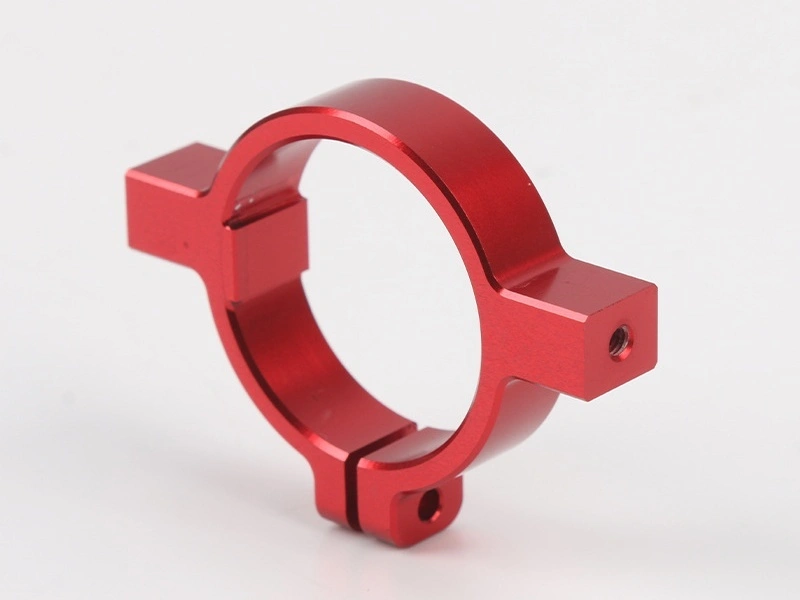
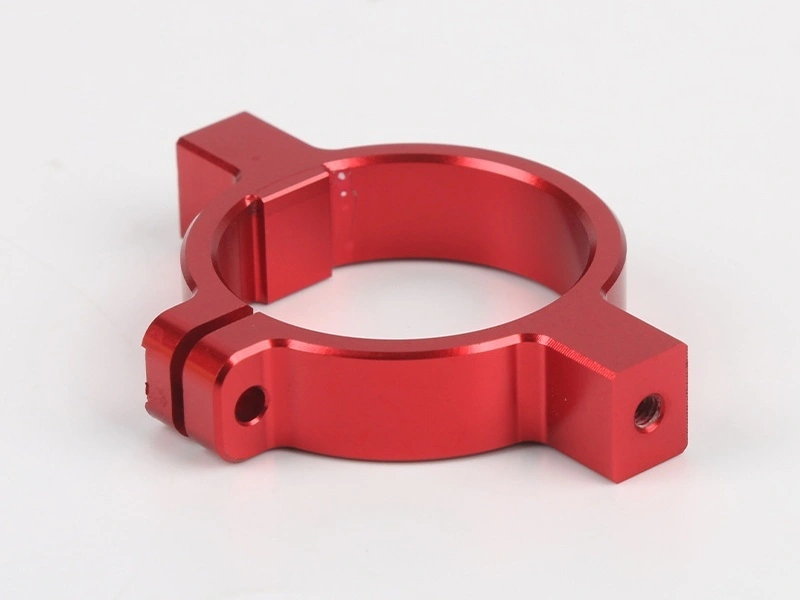
Technische Erläuterung
Die praktische Antwort hängt von Geometrie, Material, Toleranz und Einsatzumgebung ab. Ein Käufer sollte die Frage mit der Präzisionsbearbeitung verbinden, damit der Lieferant eine realistische Fertigungsroute anbietet, anstatt einer allgemeinen Schätzung. Wenn ein Merkmal die Passung, Abdichtung, Bewegung, elektrischen Kontakt, das Erscheinungsbild oder die Montageposition beeinflusst, sollte es in der RFQ klar gekennzeichnet sein.
Die technische Überprüfung sollte auch berücksichtigen, wie das Teil während der Bearbeitung gehalten wird. Dünne Wände können sich nach dem Schruppen bewegen. Tiefe Taschen erfordern möglicherweise längere Werkzeuge und langsamere Schnitte. Enge Bohrungen erfordern möglicherweise eine Nachbearbeitung oder spezielle Messungen. Gehärtete Materialien, Edelstahllegierungen, Titan und Superlegierungen können den Werkzeugverschleiß und die Lieferzeit beeinflussen. Diese Details sind wichtig, weil sie aus einer einfachen Angebotsfrage eine Frage der Prozesskontrolle machen.
Wenn der Lieferant den wahrscheinlichen Prozessweg nicht erklären kann, sollte der Käufer vor der Bestellung um Klärung bitten. Eine gute Antwort muss keine proprietären Methoden offenlegen, aber sie sollte genug beschreiben, um zu zeigen, dass der Lieferant das Materialverhalten, den Aufbauablauf, die Toleranzkontrolle und die Endkontrolle versteht.
Käufer-Input | Lieferantenprüfung | Beschaffungsauswirkung |
|---|---|---|
Zeichnung und CAD | Zugänglichkeit der Merkmale, Bezugsplan, Toleranzstapel und Revisionsstand | Reduziert Interpretationsfehler und Klärungsschleifen |
Material und Oberfläche | Zerspanbarkeit, Verfügbarkeit, Beschichtungsreihenfolge, Entgraten und Reinigen | Verbessert Kosten, Lieferzeit und Abnahme-Genauigkeit |
Prüfbedarf | KMG-Prüfungen, Lehren, Zertifikate, Erstmusterprüfberichte oder Musterfreigabe | Gleicht Qualitätsnachweise mit dem Käuferrisiko ab |
Bestellplan | Prototyp, Kleinserie, Wiederholungsauftrag oder Jahresbedarf | Leitet Vorrichtungsinvestitionen und Wiederholbarkeitsplanung |
Beschaffungsratschlag
Vergleichen Sie Angebote nicht nur nach Stückpreis. Bitten Sie jeden Lieferanten, Annahmen zu Material, Toleranz, Oberfläche, Prüfung und Lieferung zu nennen. Wenn die Antwort CNC-Fräsen betrifft, fordern Sie Prozessnotizen, Prüfbeispiele oder eine klare Liste dessen, was im Preis enthalten ist. Dies schützt den Käufer davor, ein vollständiges Angebot mit einem anderen zu vergleichen, das Oberfläche, Prüfung oder Verpackung ausschließt.
Käufer sollten auch fragen, welche Informationen das Angebot verändern würden. Wenn ein Lieferant sagt, dass eine andere Oberfläche, engere Toleranz, zertifiziertes Material oder kürzere Lieferzeit den Preis ändern würden, ist das eine nützliche Information. Es zeigt, welche Anforderungen die Kosten treiben und welche flexibel sind. Dies ist besonders wichtig, wenn Technik- und Einkaufsteams Kosten verhandeln müssen, ohne die Teilefunktion zu beeinträchtigen.
Bei dringenden Bestellungen widerstehen Sie der Versuchung, alle Prüfschritte zu entfernen. Schnelles Angebot erfordert dennoch kontrollierte Dateien, korrektes Material und einen klaren Abnahmeplan. Eine überstürzte Bestellung mit unklaren Anforderungen verursacht oft mehr Verzögerung als eine sorgfältige RFQ, die am Anfang etwas länger dauert.
Häufige Käuferfehler
Häufige Fehler sind das Senden nur eines Screenshots, das Weglassen der 2D-Zeichnung, das Nichtangeben des Materials, das Behandeln aller Toleranzen als kritisch, das Vergessen von Oberflächenanforderungen und das Vergleichen von Lieferantenpreisen ohne Prüfung des Umfangs. Ein weiterer häufiger Fehler ist das Verbergen des zukünftigen Bedarfs vor dem Lieferanten. Wenn die erste Bestellung zu Wiederholungschargen führen kann, sollte der Lieferant das früh wissen, da sich Vorrichtungsstrategie, Prüfnotizen und Verpackungspläne ändern können.
Käufer sollten auch nicht annehmen, dass jeder CNC-Lieferant Zeichnungen gleich interpretiert. Ein klarer Lieferant wird nach unklaren Bezügen, Gewindenormen, Oberflächenbeschaffenheit, kritischen Abmessungen und Prüfprotokollen fragen. Diese Fragen mögen langsam erscheinen, verhindern aber meist spätere teurere Probleme.
Wie Neway Käufer unterstützt
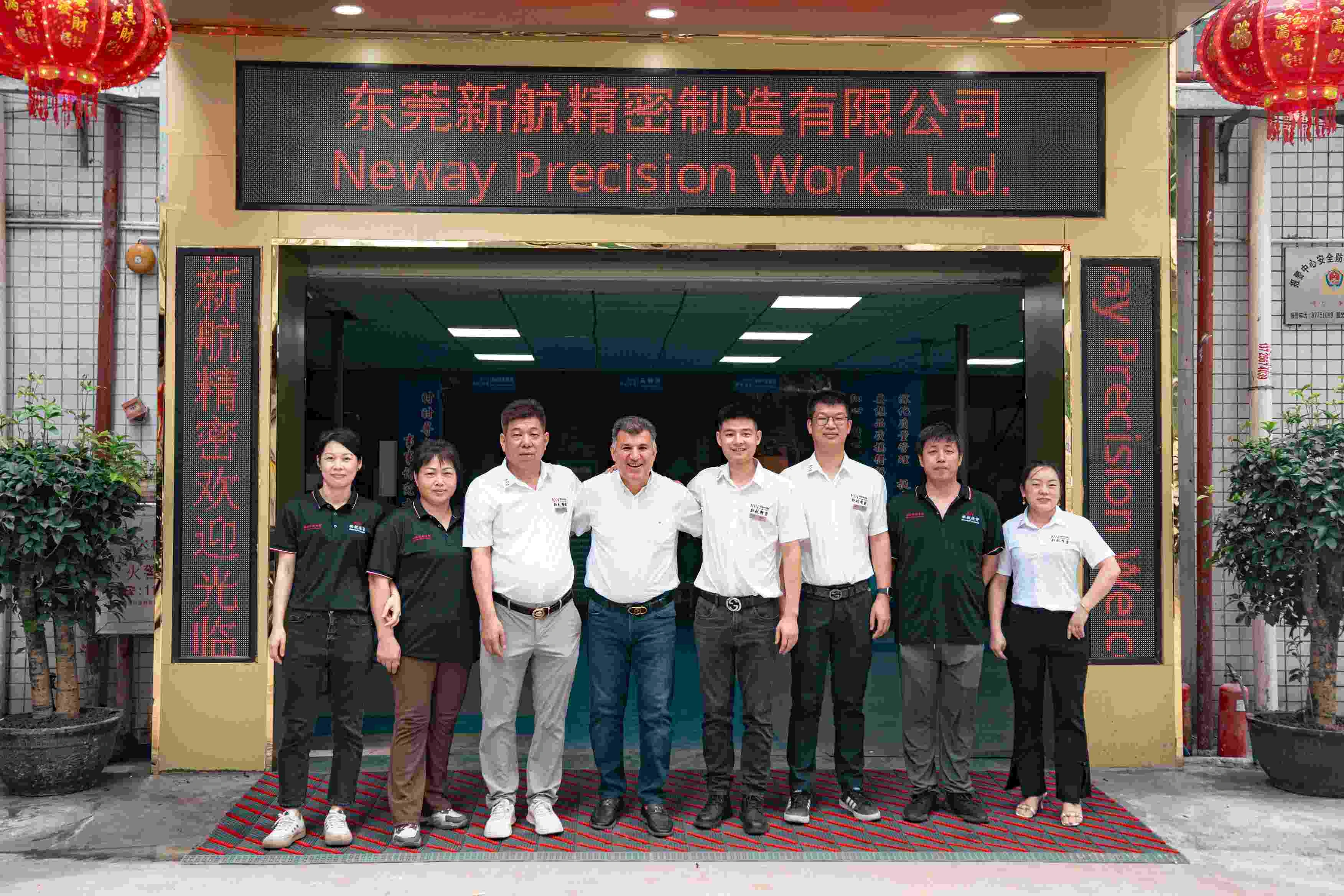
Neway kann Zeichnungen prüfen, Fertigungsbedenken kennzeichnen, geeignete CNC-Routen empfehlen und Prüfprotokolle an die Anwendung des Käufers anpassen. Für eine breitere Unterstützung können Käufer auch CNC-Drehen prüfen, bevor sie die RFQ-Details finalisieren. Wenn ein Teil CNC-Bearbeitungsunterstützung erfordert, ist das Ziel, die Fertigungsroute, Qualitätsnachweise und den kommerziellen Umfang vor Produktionsbeginn klar zu machen.
Für Käufer, die schnelle Lieferanten-Screening-Fragen benötigen, kann Neway helfen, eine grobe Anfrage in eine lieferantenreife RFQ umzuwandeln. Das beinhaltet die Überprüfung fehlender Daten, die Identifizierung möglicher Bearbeitungsrisiken, das Vorschlagen nützlicher Prüfhinweise und das Helfen des Käufers zu verstehen, welche Anforderungen wahrscheinlich Kosten oder Lieferzeit beeinflussen.