Was umfassen Öl- und Gas-Bearbeitungsdienste typischerweise für Upstream- und Industrieanlagen?
Was umfassen Öl- und Gas-Bearbeitungsdienste typischerweise für Upstream- und Industrieanlagen?
Öl- und Gas-Bearbeitungsdienste umfassen typischerweise das gesamte Spektrum der Präzisionsfertigung, das zur Herstellung funktionsfähiger Teile für Upstream-Systeme und allgemeine industrielle Energieanlagen erforderlich ist. Praktisch gesehen umfasst dies normalerweise die Musterentwicklung, die wiederholte Lieferung kleiner Chargen, eine stabile Fertigung in kleinen Stückzahlen, Wiederholungsaufträge mit höherer Ausbringungsmenge sowie die Bearbeitung komplexer Strukturen, die präzise Bohrungen, Gewinde, Dichtflächen, Montagebezugspunkte und drucktragende Geometrien erfordern. Diese Dienste beschränken sich nicht auf einfaches Zerspanen. Sie umfassen in der Regel eine technische Prüfung, Materialbestätigung, Prozessplanung, Bearbeitung, Inspektion, Entgraten und die Vorbereitung für den Versand.
Der Kern der CNC-Bearbeitung für Öl und Gas liegt in der Fähigkeit, Teile herzustellen, die korrosiven Fluiden, hohem Druck, Vibrationen, abrasivem Verschleiß und rauen Feldbedingungen standhalten und dabei gleichzeitig die Maßhaltigkeit der wenigen wichtigsten Merkmale gewährleisten. Deshalb werden Öl- und Gas-Bearbeitungsdienste meist danach beurteilt, wie gut sie funktionale Oberflächen und wiederholbare Qualität unterstützen, und nicht nur danach, ob ein Lieferant die äußere Form des Bauteils erzeugen kann.
1. Was ist in Öl- und Gas-Bearbeitungsdiensten enthalten?
Öl- und Gas-Bearbeitungsdienste beginnen normalerweise mit einer technischen Prüfung und setzen sich über den gesamten Produktionsweg des Teils fort. Ein kompetenter Lieferant bewertet üblicherweise die Zeichnung, bestätigt das Material, identifiziert dichtungs- und bezugspunktkritische Merkmale, wählt den richtigen Bearbeitungsweg und unterstützt das Teil dann durch Zerspanung, Inspektion und kontrollierte Lieferung. In vielen Projekten umfasst der Leistungsumfang auch Anpassungen für Pilotmengen, die wiederholte Lieferung kleiner Chargen und eine laufende Prozessoptimierung, während das Anlagenprogramm reift.
Dies bedeutet, dass der Dienst viel mehr abdeckt als einen isolierten Bearbeitungsschritt. Es handelt sich um ein Fertigungsunterstützungssystem für Komponenten, die oft innerhalb desselben Projekts Fräsen, Drehen, Bohren, Ausbohren, Gewindeschneiden und eine Merkmalsverifizierung erfordern.
Dienstleistungselement | Was es abdeckt | Warum es in der Öl- und Gasindustrie wichtig ist |
|---|---|---|
Technische Prüfung | Zeichnungsprüfung, Überprüfung der Bezugspunkte, Materialbestätigung | Kritische Merkmale bestimmen oft die Dichtigkeit und Druckintegrität |
Prozessplanung | Bearbeitungsweg, Aufspannlogik, Merkmalreihenfolge | Komplexe Teile benötigen einen stabilen Ablauf, um die Funktion zu schützen |
Muster- und Pilotbearbeitung | Erstbauten zur Validierung und frühen Anlagennutzung | Hilft, Risiken zu reduzieren, bevor sich die wiederholte Lieferung ausweitet |
Lieferung in kleinen Stückzahlen | Wiederholte Chargen für Markteinführung, Service oder Überbrückungsnachfrage | Viele Öl- und Gas-Teile gehen nicht direkt in die Massenproduktion |
Inspektion und Freigabe | Maßliche Verifizierung, Gewindeprüfungen, Kontrolle funktionaler Merkmale | Kleine Abweichungen können zu Leckagen oder Montagefehlern führen |
2. Diese Dienste umfassen normalerweise Musterentwicklung, Kleinserien und Serienproduktion
Eines der wichtigsten Merkmale von Öl- und Gas-Bearbeitungsdiensten ist, dass sie oft mehrere Phasen desselben Projekts unterstützen. Ein Käufer benötigt möglicherweise zunächst eine kleine Mustercharge, um Passform, Dichtungsverhalten oder Montagelogik zu bestätigen. Danach kann dasselbe Programm in wiederholte Kleinserien für den Bau von Pilotanlagen, Kundenfreigaben, Ersatzteilversorgung oder Feldvalidierung übergehen. Wenn sich Design und Nachfrage stabilisieren, kann der Bearbeitungsdienst mit strukturierterer Prozesskontrolle in die Serienproduktion übergehen.
Diese gestufte Unterstützung ist besonders in der Öl- und Gasindustrie nützlich, da viele Teile technisch anspruchsvoll sind, aber nicht immer für sofortige Investitionen in hochvolumige Werkzeuge geeignet sind. Ein bearbeitungsbasierter Weg hält das Projekt flexibel, während echte Engineering-Materialien und geometrische Formen in Produktionsqualität verwendet werden.
3. Die Bearbeitung komplexer Strukturen ist ein Kernbestandteil des Leistungsumfangs
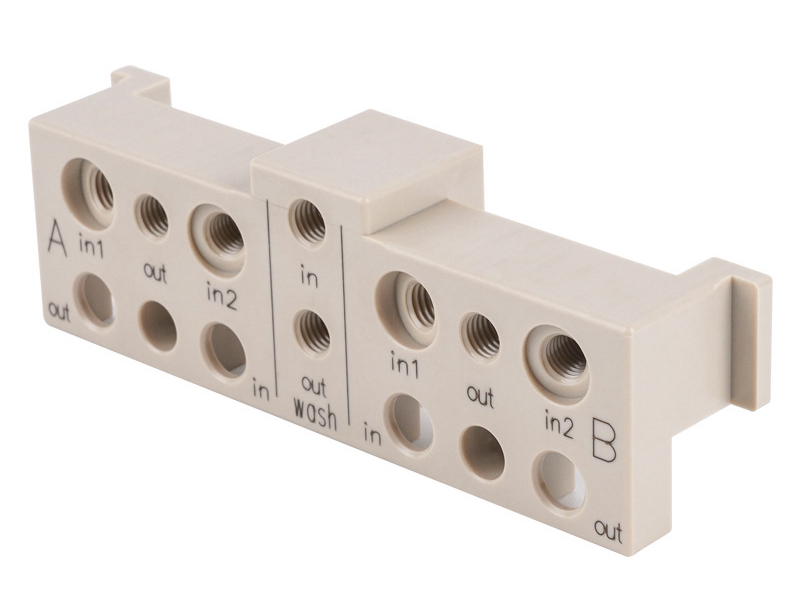
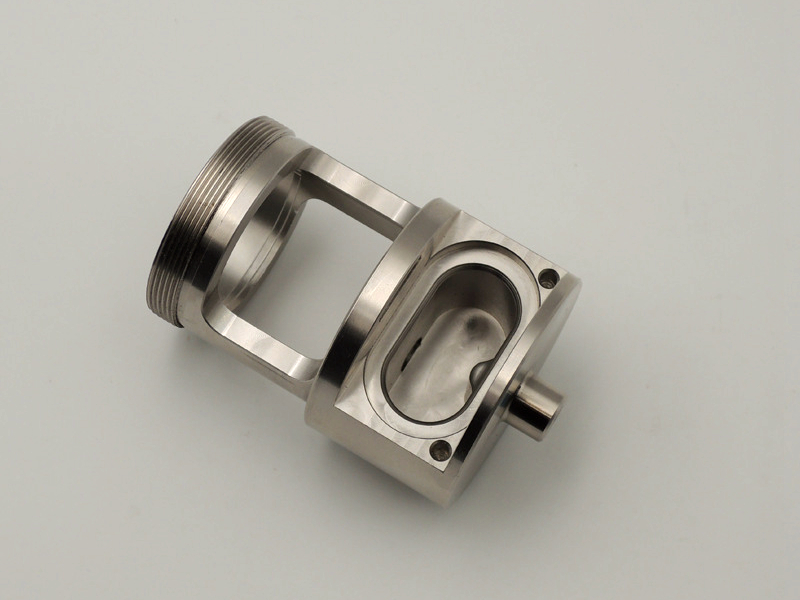
Öl- und Gas-Komponenten sind oft komplexer, als sie von außen erscheinen. Ein Teil kann mehrere Präzisionsbohrungen, sich schneidende Fluidwege, Gewindeanschlüsse, Dichtnutzen, interne Hohlräume und bezugspunktbezogene Montageflächen in einem einzigen Körper enthalten. Deshalb umfassen Öl- und Gas-Bearbeitungsdienste normalerweise die Bearbeitung komplexer Strukturen und nicht nur einfache gedrehte oder gefräste Formen.
Typische Beispiele sind Gehäuse, ventilbezogene Körper, Strömungsverbinder, Schnittstellenblöcke, Dichtungsträger und drucktragende Komponenten, die zur korrekten Fertigstellung mehr als einen Bearbeitungsprozess erfordern. Je anspruchsvoller die innere Geometrie ist, desto wichtiger werden Prozessplanung und Inspektion.
Typische bearbeitete Struktur | Häufige funktionale Merkmale | Hauptsächliche Bearbeitungsherausforderung |
|---|---|---|
Ventil- oder Strömungskörper | Bohrungen, Sitze, Gewinde, Dichtflächen | Druckbezogene Geometrie muss ausgerichtet bleiben |
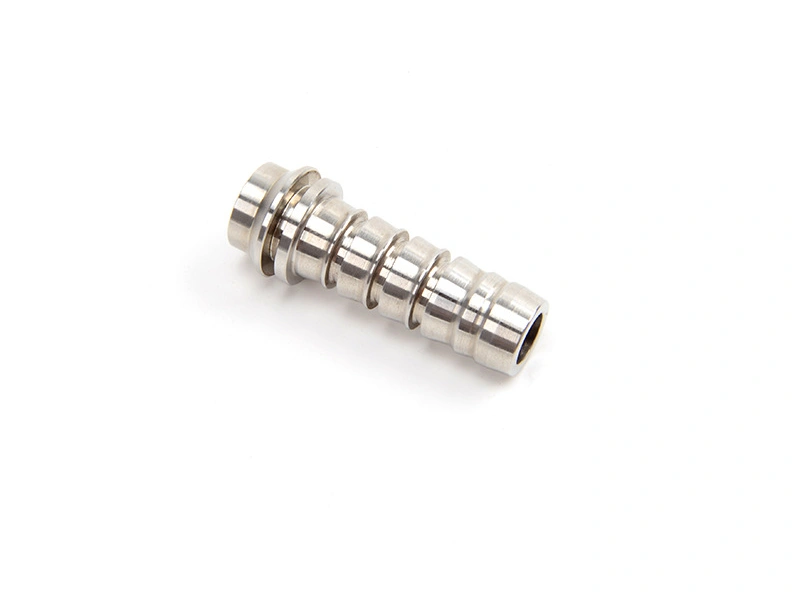
Verbinder oder Schnittstellenfitting | Gewinde, Absätze, interne Kanäle | Leckdichte Verbindung hängt von präzisem Drehen und Bohren ab |
Gehäuse oder enclosure | Befestigungslöcher, Bohrungen, Taschen, Bezugsflächen | Interne Ausrichtung ist oft wichtiger als die äußere Form |
Buchsen- oder Hülsenstruktur | Durchmesser, Konzentrizität, Verschleißflächen | Oberflächenstabilität und Passform bestimmen die Lebensdauer |
4. Upstream-Anlagenteile und allgemeine industrielle Energieteile sind nicht genau gleich
Upstream-Anlagenteile sind normalerweise direkteren Belastungen durch Bohrumgebungen, Fluiddruck, Dichtungsaufgaben, Feldhandhabung und härtere Kontamination ausgesetzt. Zu diesen Teilen gehören oft Verbinderkörper, Ventilkomponenten, Hülsen, Buchsen, Dichtungsträger und druckbezogene Schnittstellen, die stark von der Bohrgenauigkeit, der Gewindequalität und der korrosionsbeständigen Geometrie abhängen. In diesem Bereich ist die Bearbeitungsqualität eng mit der Leckageprävention, der Druckstabilität und der Zuverlässigkeit im Feld verbunden.
Allgemeine industrielle Energieteile hingegen umfassen oft Pumpengehäuse, Kompressorhalterungen, Instrumentenbefestigungen, Maschinenblöcke, Flansche, Abdeckungen und strukturelle Schnittstellen, die in breiteren Energie- oder Versorgungssystemen verwendet werden. Diese Teile können zwar ebenfalls technisch anspruchsvoll sein, aber das Gleichgewicht der Anforderungen verschiebt sich hier eher in Richtung maßlicher Ausrichtung, wiederholbarer Montage, Verschleißkontrolle und maschinenseitiger Zuverlässigkeit, anstatt sich nur auf die direkte Exposition gegenüber Upstream-Druckwegen zu konzentrieren.
5. Der Kerninhalt von Öl- und Gas-Bearbeitungsdiensten ist die Kontrolle funktionaler Merkmale
Wenn man den Begriff „Öl- und Gas-Bearbeitungsdienste