Which industries commonly use precision CNC milling services?
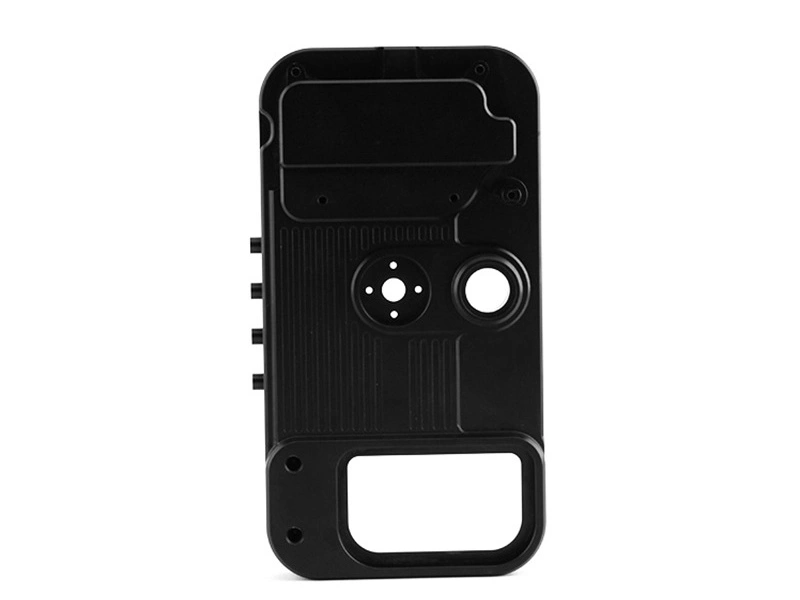
Which industries commonly use precision CNC milling services?
Precision CNC milling services are most commonly used in aerospace and aviation, medical device, automotive, robotics, automation, industrial equipment, power generation, oil and gas, consumer products, and agricultural machinery when parts need controlled datums, repeatable mating features, material-specific machining plans, and inspection evidence.
These industries choose milling when a drawing cannot be judged from shape alone. Critical features may include bores, sealing lands, slots, threaded interfaces, thin ribs, mounting faces, and multi-side datum relationships. Buyers should define functional dimensions, datum references, material condition, surface requirements, and inspection expectations in the RFQ. That makes machining tolerances, quality control, and CNC machining service selection part of the same sourcing decision.
1. Aerospace and Aviation
Aerospace and aviation use precision CNC milling when lightweight structures need accurate profiles, stable mounting faces, and traceable material decisions. Typical parts include brackets, housings, frames, fixture interfaces, sensor mounts, and turbine-adjacent support components where datum shift can change assembly fit.
Common aerospace materials include titanium, aluminum, and superalloy grades. The milling plan must control heat, tool wear, burrs, and thin-wall movement after unclamping. RFQs should identify the alloy, temper or heat treatment, critical datums, required inspection report, and any industry-specific acceptance rules. This application logic is also reflected in aerospace machining requirements.
2. Medical Device
Medical device manufacturing uses precision CNC milling for surgical tools, instrument housings, diagnostic parts, positioning supports, fixtures, and implant-related components. Milling is valuable when small features must remain clean, burr-controlled, and repeatable after finishing or sterilization-related cleaning steps.
Stainless steel, titanium, and engineering plastics are common, but the material name is not enough for supplier selection. The drawing should state surface finish targets, edge-break expectations, cleaning or passivation needs, and inspection method. Examples of precision medical applications also appear in surgical probes and titanium surgical implants.
3. Automotive
The automotive industry uses precision CNC milling for prototypes, low-volume validation parts, powertrain housings, hydraulic blocks, sensor mounts, connectors, and performance components. Milling is selected when sealing faces, bore alignment, threaded interfaces, and mating surfaces affect leak control, vibration, or assembly reliability.
Useful RFQ inputs include the material grade, surface treatment, fit class, gasket or seal interface, and inspection datum. A common failure mode is a machined bore that passes size measurement but fails alignment after the housing is assembled. Precision automotive examples include stainless steel hydraulic parts, as well as shaft and spindle applications such as motor shafts and eccentric shafts.
4. Robotics and Automation
Robotics and automation depend on precision CNC milling when joints, actuator mounts, fixture plates, gripper parts, and sensor brackets require stable relationships across several machined faces. Small angular or positional errors can become larger motion errors at the end effector.
For these parts, the supplier must understand datum strategy, setup order, and post-machining deburring. Lightweight pockets can save mass, but thin ribs may move after roughing or clamping release. Precision examples include robotic joints, automation clamping accessories, and precision fasteners.
5. Industrial Equipment
Industrial equipment manufacturers use precision CNC milling for machine frames, support blocks, valve bodies, mounting plates, housings, and wear-related interfaces. The value is not only dimensional accuracy; the parts must keep alignment under load, vibration, temperature change, and repeated assembly.
Industrial RFQs should separate cosmetic faces from functional faces, define wear or sealing areas, and state how the part will be inspected. Typical examples include dowel pins, shafts, bushings, and fixtures such as industrial dowel pins, industrial shafts, and industrial bushings.
6. Power Generation and Oil & Gas
Power generation and oil and gas applications use precision milling for high-load housings, flow-control parts, sealing interfaces, mechanical supports, and corrosion-resistant hardware. These components often combine pressure, temperature change, vibration, and aggressive media, so material compatibility and inspection planning matter as much as machining accuracy.
Stainless steel, carbon steel, alloy steel, titanium, and superalloys may all be suitable under different service conditions. Buyers should provide media exposure, temperature range, pressure boundary, coating or passivation requirement, and sealing-face acceptance criteria. A good validation plan checks not only size, but also flatness, thread quality, surface condition, and datum relationship.
7. Consumer Products
Consumer products use precision CNC milling when high-appearance enclosures, electronics housings, camera parts, keyboard structures, premium hardware, or optical components need cosmetic consistency and accurate assembly fit. Milling is often selected for short runs before die casting, injection molding, or stamping becomes economical.
Representative applications include camera housings, keyboard housings, and optical lens housings. Surface finish can change perceived quality, but finishing can also alter sharp edges, coating thickness, and hole fit. RFQs should separate cosmetic zones from functional interfaces.
8. Agricultural Machinery
Agricultural machinery uses precision CNC milling for gears, shafts, spindles, mounts, brackets, and heavy-duty mechanical interfaces. Not every agricultural part needs a narrow tolerance band, but motion, wear, sealing, and replacement fit often require controlled machining.
Typical examples include motor spindles and alloy steel gears. The practical sourcing question is whether the part needs precision on every surface or only on bearings, gear seats, keyways, sealing areas, and mounting datums. That distinction controls cost, inspection time, and manufacturability.
9. Why These Industries Choose Precision CNC Milling
Industry | Why Precision Milling Is Common |
|---|---|
Aerospace and aviation | Use precision milling when lightweight brackets, housings, or frames need controlled datums, low burr risk, and documented inspection. |
Medical device | Use precision milling when small features require clean edges, repeatable fit, defined surface condition, and material-specific finishing. |
Automotive | Use precision milling when bores, sealing lands, threads, or fixture references affect leak control and assembly validation. |
Robotics and automation | Use precision milling when joint alignment, actuator position, sensor location, and multi-face setup control influence motion accuracy. |
Industrial equipment | Use precision milling when machine interfaces must hold fit under load, vibration, wear, or repeated maintenance cycles. |
Power generation and oil & gas | Use precision milling when sealing faces, threaded connections, corrosion exposure, and pressure-related features need verification. |
Consumer products | Use precision milling when cosmetic surfaces and functional interfaces must both survive finishing and assembly checks. |
Agricultural machinery | Use precision milling when wear surfaces, gear seats, bearing fits, or replaceable mounts require durable dimensional control. |
10. Summary
The industries that commonly use precision CNC milling services share one practical need: the part must assemble, move, seal, align, or wear predictably after machining and finishing. Aerospace, medical device, automotive, robotics, automation, industrial equipment, power generation, oil and gas, consumer products, and agricultural machinery each use milling for different risks, not for the same generic reason.
For sourcing, the strongest RFQ is not only a CAD file. It should show the material grade and condition, critical datums, functional dimensions, finish requirements, inspection method, and the surfaces that can remain noncritical. That information lets the supplier choose a milling route that fits the industry requirement instead of quoting every surface as equally precise.