CNC Milling for Prototype, Low-Volume, and Production Parts: How to Choose the Right Supply Route
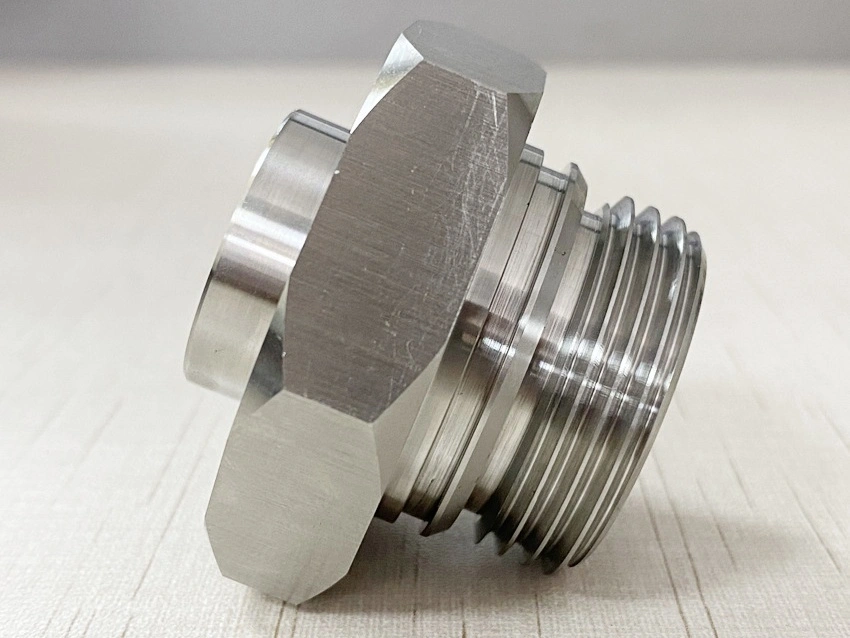
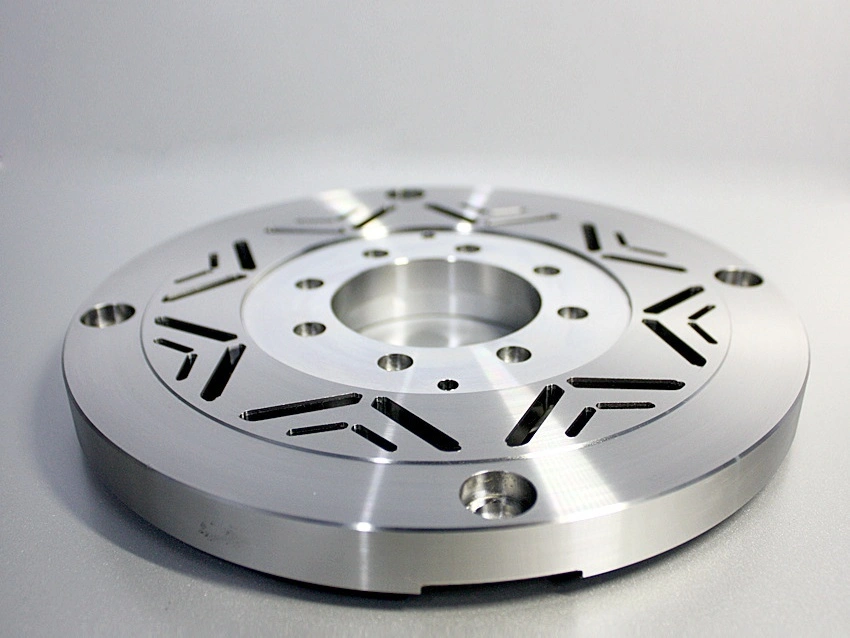
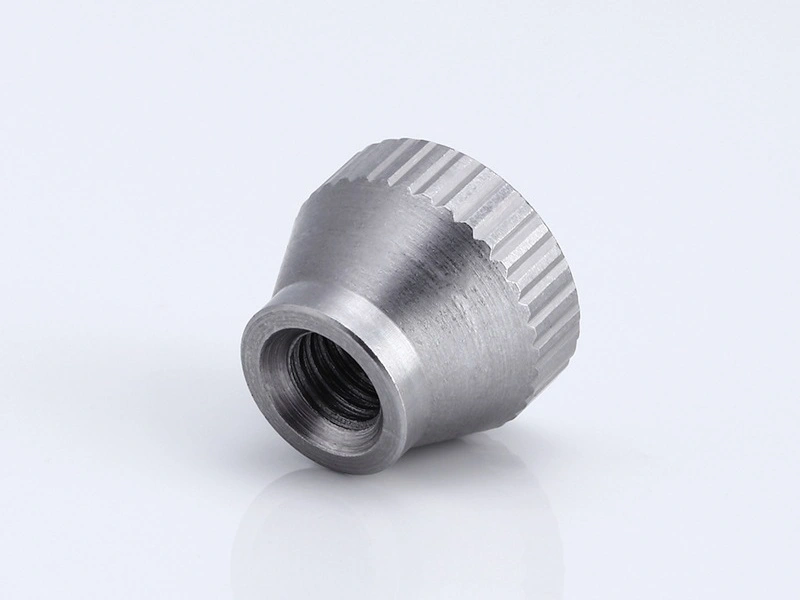
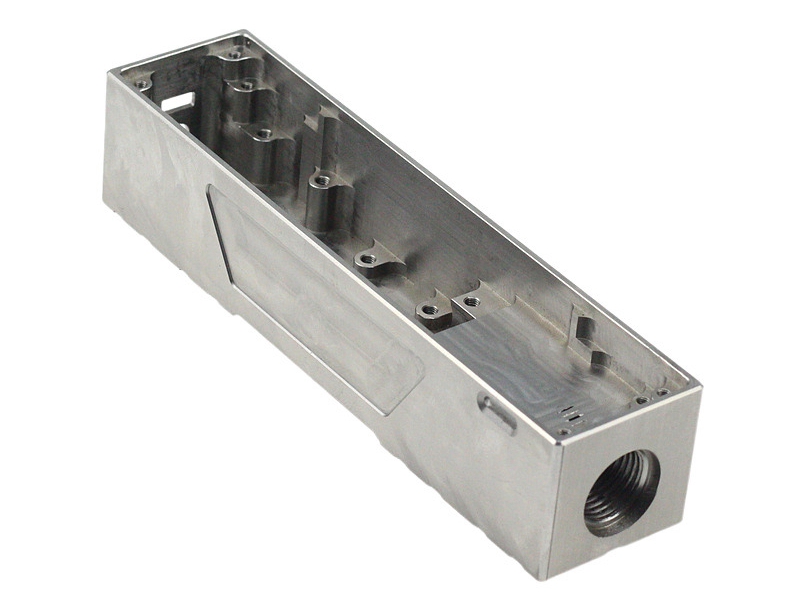
The right supply route for CNC milled parts should be chosen by design maturity, quantity stability, material validation, tolerance risk, fixture repeatability, inspection effort, and tooling payback. Prototype milling favors fast engineering feedback. Low-volume milling favors controlled repeatability without heavy tooling. Production milling remains suitable when precision features, revisions, or moderate demand make machining more reliable than tooling-based routes.
A part that is ideal for CNC milling services during development may become too expensive to keep milling once demand stabilizes at higher volumes. The opposite can also happen. Precision brackets, housings, sealing interfaces, and structural components may stay in milling for years because the drawing changes often, the stock material matters, or critical datums cannot be held economically by casting or molding alone. Good route selection separates three decisions: what must be learned now, what must repeat in the next batch, and what should be optimized only after demand is predictable. For an RFQ, the route should be treated as a stage gate rather than a permanent manufacturing label.
Why the Right Supply Route Changes as a Part Moves Through Development
The same CNC milled part can need different supply routes as it moves from validation to recurring orders. Early in development, the priority is proving that the design works. Engineers need fast parts for fit checks, motion tests, thermal review, thread engagement, sealing contact, or pilot assembly. At that point, hard tooling can be risky because geometry, material condition, and functional datums may still change after the first physical build.
Later, when the design becomes more stable and demand begins to grow, the supply strategy must shift. Unit cost, lot consistency, and process documentation become more visible. Buyers also need to know whether the same setup can support higher output without hidden rework. Once production becomes repeatable, the decision expands beyond machining capability alone. It must include takt time, workholding stability, tool wear, inspection sampling, finishing variation, and the economics of alternative routes such as casting, molding, or a hybrid route with machining reserved for critical surfaces. A useful review asks whether each new quantity level changes the main risk from design uncertainty to process variation or from process variation to tooling economics. The stage-gate record should identify the released drawing revision, test objective, accepted material state, datum or fixture change, inspection evidence, and condition for moving forward.
Why CNC Milling Is Often the Best Choice for Prototypes
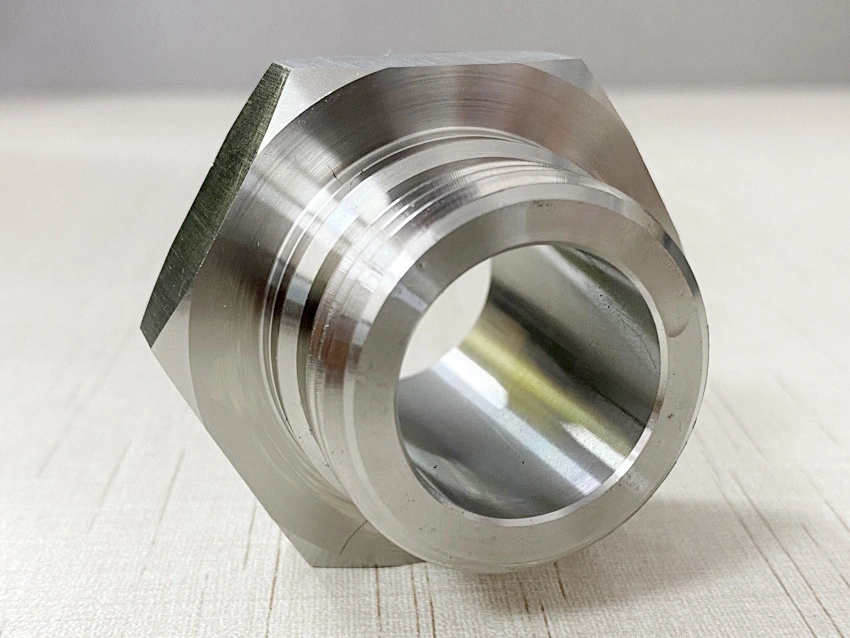
CNC milling is often the best prototype route when the buyer needs specified stock material, functional geometry, and fast revision feedback before committing to tooling. Machined prototypes can validate assembly fit, fastening logic, sealing faces, and many secondary features without waiting for a mold or die. A wrought CNC part does not, however, prove the process-dependent material behavior of a future casting, forging, molding, or stamping.
Revision flexibility is the main engineering advantage. If wall thickness changes, hole patterns move, pockets deepen, or mating surfaces need adjustment, the updated toolpath can often be applied without remaking tooling. This matters when the prototype is still moving through design loops. In these cases, CNC prototyping helps reduce project risk by exposing design weaknesses before the buyer chooses a larger-volume route.
Prototype Stage Priorities
Priority | Why It Matters | Why CNC Milling Fits | Typical Buyer Goal |
|---|---|---|---|
Fast turnaround | Physical validation often drives the next design review | No mold, die, or production tooling is required | Reduce development delay |
Design flexibility | Geometry may change after fit or load testing | Programs and setups can be revised faster than tooling | Support controlled design revisions |
Test-specific material evidence | Results apply to the supplied grade, condition, and process route | Wrought stock can match the specified machined material state | Separate transferable tests from route-specific approval |
Low commitment risk | Early geometry may not justify tooling investment | Milling avoids sunk tooling cost before design freeze | Control early-stage spending |
What Buyers Should Focus on During the Prototype Stage
At the prototype stage, buyers should focus on what the part must prove, not only on the lowest unit price. The selected material should match the real application closely enough for the test goal. Critical datums, bores, threads, sealing areas, and assembly interfaces should be identified early. Cosmetic finishes can remain provisional if the main purpose is structural, thermal, or motion validation.
This is also the stage where manufacturability feedback creates the most value. A supplier may identify deep narrow pockets, non-functional tight tolerances, unstable thin walls, burr-prone edges, or features that force extra setups. A useful prototype route turns those findings into the next drawing revision. In a screening scenario, a thin aluminum electronics cover may pass a fit check while moving after roughing and unclamping. Review wall thickness, datum order, restraint, and released-state inspection before quoting the bridge batch. If the production route or material state will change, separate geometry evidence from strength, wear, corrosion, and process-specific approval.
Why Low-Volume Production Needs a Different CNC Milling Strategy
Low-volume CNC milling needs a different strategy because the part is no longer a single engineering sample, but demand may still be too small or too unstable for hard tooling. Buyers still need flexibility. They also need repeatable dimensions, controlled deburring, stable inspection, and a quote that does not change sharply with every reorder. The central question becomes whether the part can be milled repeatedly, economically, and consistently.
This is where low-volume manufacturing becomes a distinct decision category. The goal is to keep the advantages of CNC milling, such as no expensive hard tooling and high geometric flexibility, while controlling the factors that drive unit cost upward. These factors include setup time, fixture complexity, excessive tool changes, unstable tolerances, manual deburring burden, and finishing variation from lot to lot.
Low-Volume Stage Priorities
Priority | Why It Matters | Process Implication | Buyer Concern |
|---|---|---|---|
Control unit cost | Repeated small batches expose inefficient toolpaths and setups | Reduce non-cutting time and avoid unnecessary operations | Lower quote volatility |
Batch consistency | Small lots still need repeatable fit, finish, and function | Stabilize fixturing, datum order, and inspection points | Avoid lot-to-lot variation |
Simplified workholding | Complex fixtures can exceed the value of a small batch | Use practical fixtures tied to functional datums | Balance precision and economy |
Process scalability | Volumes may rise after pilot orders or market approval | Build a route that can expand without restarting DFM | Protect future supply options |
How to Make CNC Milling More Economical in Low-Volume Runs
Low-volume CNC milling becomes more economical when the route removes avoidable setup, inspection, and finishing effort while protecting the features that actually control function. Buyers and engineers can review whether every tolerance is functional, whether one part can replace an assembly, whether features can be reoriented for easier tool access, and whether the same datum structure can be maintained from roughing through inspection. These decisions often reduce cost more effectively than switching too early to casting or molding. A cost review should separate cutting time, setup time, fixture cost, manual finishing, inspection reporting, and material yield. For competing quotes, use the same demand window and delivery split, then include one-time engineering, material minimums, expected scrap, tool replacement, recurring inspection, post-processing, packaging, and revision exposure. The largest cost driver is not always the longest machining operation.
This is also the stage where broader custom CNC machining strategy matters. The supplier must connect material sourcing, fixture planning, controlled revisions, milling, deburring, finishing, inspection, and repeat-order feedback. If tool wear starts changing burr formation or a finish reduces bore clearance, the routing plan should identify which feature needs extra control instead of adding full inspection to every dimension.
When CNC Milling Remains a Good Choice for Repeat Production
CNC milling remains a good repeat-production route when the part has precision surfaces, multi-face geometry, material requirements that favor wrought stock, frequent engineering updates, or annual demand that is too high for prototyping but too low for tooling-heavy economics. Milling can also remain appropriate when critical datums, threads, or sealing faces require extensive secondary machining, or when the proposed near-net-shape route cannot match the specified material condition.
In repeat supply, production milling is less about basic machinability and more about process control. Cycle time must be predictable. Fixturing must locate the released datums consistently. Tool wear controls should prevent unacceptable dimensional, finish, or burr drift. Inspection should confirm critical features under the agreed acceptance method. Deburring, anodizing, passivation, polishing, and other finishing steps must remain within released requirements across lots.
Production Stage Priorities
Priority | Why It Matters | Manufacturing Focus | Typical Risk |
|---|---|---|---|
Cycle stability | Output planning depends on repeatable takt time and setup discipline | Standardize toolpath, offsets, and machine loading | Unstable lead times |
Fixture control | Repeatable clamping protects critical datums and mating faces | Use dedicated or semi-dedicated workholding when demand supports it | Datum variation between lots |
Tool life management | Wear can change dimensions, finish, and burr behavior | Monitor offsets, edge condition, and replacement intervals | Gradual quality drift |
Quality control | Higher output amplifies minor process instability | Use sampling plans and critical feature checks | Batch-level nonconformance |
Stable post-processing | Finishing variation can affect fit, appearance, and thread function | Control finishing sequence and secondary routing | Inconsistent final part quality |
When to Keep Milling and When to Switch to Another Process
Keep CNC milling when revision risk, precision surfaces, moderate demand, material choice, or fixture flexibility matter more than the lowest possible unit price. Consider another process when geometry is frozen, demand is predictable, tooling payback is realistic, and the part can be redesigned for casting, molding, or another near-net-shape route without losing function. Volume alone is not enough to decide. A practical screening rule is to compare total landed cost after secondary machining, not only the molded, cast, or machined blank price.
Before releasing a mold, die, or other production tool, identify which CNC results transfer and which tests must be repeated on process-specific samples. Compare the proposed material condition, draft and wall rules, secondary machining, datum transfer, inspection method, trial risk, and acceptable payback period. If the route changes wrought stock into cast, forged, molded, or stamped material, define separate first-article evidence for process-dependent strength, distortion, porosity, fiber or grain direction, surface condition, and critical dimensions as applicable. The approval plan should name every feature that remains machined and the evidence required before the tooling route replaces CNC supply. It should also assign approval responsibility and define containment for rejected tooling-route parts during ramp-up.
Decision Table: Keep Milling or Change Process
Condition | Keep CNC Milling | Consider Another Process | Required Confirmation |
|---|---|---|---|
Design changes are still frequent | Prefer | Defer | Price likely revisions before committing tooling |
Annual volume is moderate | Evaluate | Evaluate | Compare total cost over the credible demand forecast |
Geometry is stable and process-compatible | Requote | Evaluate | Include tooling, trials, qualification, and secondary machining |
Critical precision surfaces dominate part function | Keep critical features | Use for primary shape | Approve datum transfer and final inspection method |
High repeat demand with strong cost pressure | Requote | Evaluate | Approve process-specific samples before route transfer |
What Buyers Should Provide at the Prototype Stage
At the prototype stage, buyers should provide a clear 3D model, available 2D drawing information, target material, material condition, and a realistic explanation of what must be tested. It is useful to state whether the part is for visual review, fit check, functional load testing, thermal validation, sealing review, or customer presentation. This lets the supplier separate features that control the test from details that can remain provisional. Critical dimensions should be marked clearly instead of applying tight tolerances to the whole drawing.
If revisions are expected, state the likely revision areas in the RFQ. This helps the supplier choose a practical machining route rather than optimizing too early for long-term production efficiency. Revision notes also reduce confusion when the first sample proves fit but exposes problems such as burr-sensitive slots, underspecified thread depth, or a datum that does not match assembly inspection.
What Buyers Should Provide at the Low-Volume Stage
In low-volume supply, buyers should provide a more mature drawing set, identify truly critical dimensions, define finish requirements, and indicate expected order frequency or annual demand range. This information matters because low-volume cost control depends heavily on whether the batch is a one-time bridge order or the start of recurring supply. If the supplier understands expected continuity, fixture and process planning can improve without overinvestment.
It is also useful to define the inspection reporting level, accepted drawing revision, first batch quantity, delivery split, and any break-even trigger for another process. Many low-volume programs fail to control cost because they request production-grade documentation on every feature without identifying which interfaces are function-critical. Clear reporting scope protects both quality and budget.
What Buyers Should Provide at the Production Stage
At the production stage, buyers should provide stable released drawings, revision control discipline, demand forecasts, approved materials, finish specifications, packaging requirements, and a clear quality expectation for critical features. If the part is approaching the decision point between continued milling and conversion to another process, that point should be discussed explicitly. The supplier can then evaluate long-term routing instead of optimizing only the current batch.
Production buyers should also communicate whether future demand growth is likely. That information can determine whether the supplier builds the route around flexible machining, semi-dedicated workholding, or a planned transition toward another manufacturing method. The best RFQ also identifies critical-to-function dimensions, inspection method expectations, post-processing limits, and any features that cannot change if a tooling-based route is evaluated later. Without these inputs, a supplier may optimize cycle time while missing the route decision that controls long-term cost.
How Neway Supports the Right CNC Milling Supply Route at Each Stage
Neway support for a CNC milling route should begin with a stage-specific RFQ review rather than geometry alone. Prototype requests need defined learning and validation goals. Low-volume requests need batch quantity, revision status, fixture intent, and inspection scope. Repeat-production requests need demand forecasts, critical features, finish requirements, change control, and a documented decision on continued milling or tooling-route evaluation.
The supplier workflow should connect drawing review, material sourcing, setup planning, milling, deburring, finishing, inspection, and repeat-order feedback. The issued quote and quality documents must confirm the controls included for the actual part; this article does not establish fixture, inspection, tool-life, capacity, or finishing capability. When the next phase is unclear, keep the route flexible until quantity, revision frequency, and validation results support a stronger commitment.
Conclusion: How to Choose the Right Supply Route for CNC Milled Parts
Choose CNC milling for prototypes when fast design learning and specified stock material matter most. Use low-volume CNC milling while design, demand, revision risk, or tooling payback remains uncertain. Keep milling for repeat production when critical features, material condition, secondary machining, or moderate demand still favor it. Release another route only after geometry, annual demand, process-specific material behavior, secondary operations, approval evidence, and payback fit the program risk. The route decision remains measurable, staged, and reversible.
FAQ