From Prototype to Production: Optimizing Low-Volume CNC Machining for Custom Applications

Low-volume CNC machining helps buyers move from prototype to production by making functional parts in real materials before tooling, casting, molding, or full-scale manufacturing decisions are locked. The strongest use case is not simply “small quantity.” It is controlled learning: confirming fit, material behavior, tolerance risk, surface finish, inspection evidence, and repeatability before a design becomes expensive to change.
This article explains how buyers can use low-volume CNC machining to reduce tooling risk, validate production intent, compare process options, and prepare a cleaner RFQ for custom applications. It focuses on what must be decided at each stage: prototype purpose, material choice, MOQ, tolerance class, batch strategy, finishing, inspection, and production transfer boundary. The practical goal is to know when a one-piece sample is enough, when a pilot batch is needed, and when the design is ready for a scalable route.
What Is Low-Volume CNC Machining?
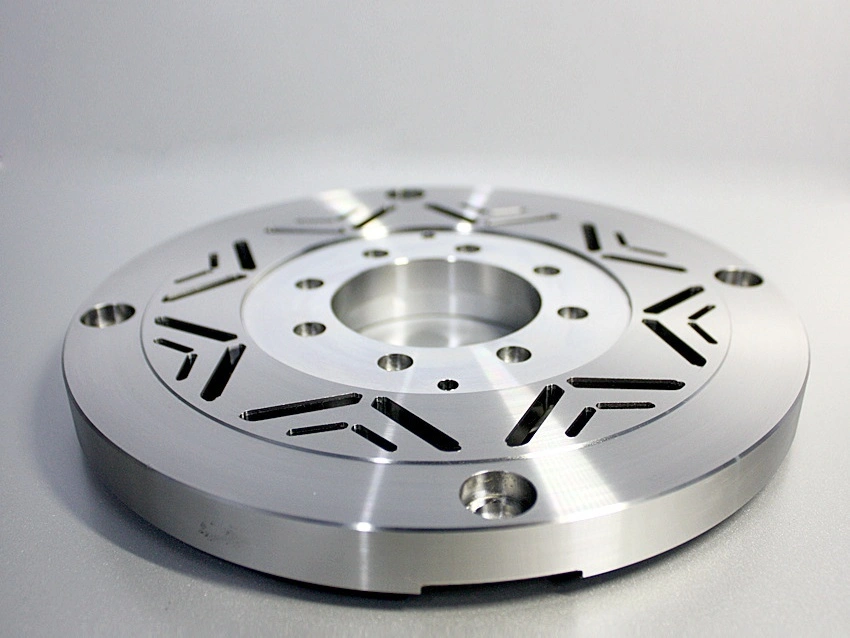
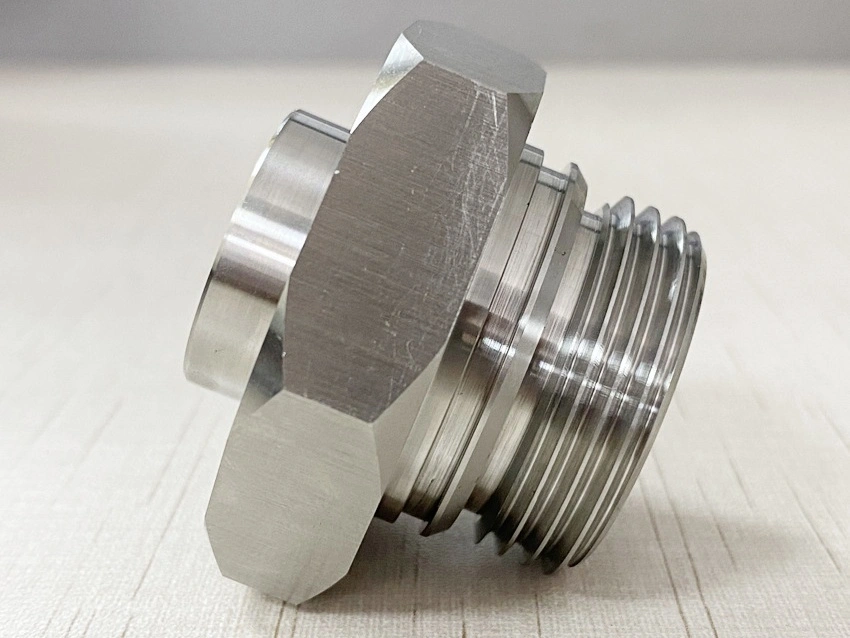
Low-volume CNC machining produces a limited batch of machined parts for validation, pilot use, bridge production, spare parts, or early market supply. No single quantity defines the category: part size, material, setup cost, inspection scope, demand, and the purpose of the batch determine whether the route is appropriate. A surgical trial, an automation pilot, and a spare-part order can all be low-volume projects, but each needs a different quotation, process route, and acceptance plan.
This makes low-volume machining ideal for:
Engineering prototypes that must be tested in production-grade material rather than only checked for shape or appearance
Pilot runs and pre-launch testing where assembly, tolerance, finishing, packaging, and approval evidence still need confirmation
Custom or limited-edition product lines where tooling cost cannot be justified before demand is proven
Spare parts for high-mix, low-demand components where repeatability matters but annual volume is too low for dedicated tooling
At Neway, low-volume manufacturing services should be evaluated by the drawing, material, order quantity, inspection evidence, finishing sequence, and approval plan. A low-volume route can be effective when the buyer needs real material, machined datums, threaded features, and repeatable interfaces without committing to a mold, die, casting tool, or long production ramp. The RFQ should define whether the order is a design-learning batch, customer validation batch, first-article batch, or repeat supply order. Those purposes change the documentation, inspection, packaging, and production controls needed.
Benefits of Low-Volume CNC Machining
Faster Time to Market
Low-volume CNC machining can shorten development time when the design needs functional parts before tooling is justified. The schedule advantage comes from avoiding dedicated molds or casting tools, but lead time still depends on drawing clarity, material availability, geometry, tolerance, finishing, inspection, and buyer approval speed. A simple aluminum bracket and a thin-wall titanium medical component should not be planned with the same schedule assumption. Buyers should ask whether the quoted lead time starts from RFQ receipt, purchase order, material arrival, drawing approval, or sample approval.
Lead-time drivers for low-volume CNC batches:
Aluminum, steel, or plastic prototypes may move faster when material is available, the drawing is clear, tolerances are moderate, and neither special finishing nor a detailed inspection report is required
Complex multi-axis titanium or ceramic parts usually need more programming, workholding review, tool-wear control, finishing, and inspection planning before a reliable delivery date can be confirmed
Cost-Effective for Custom Applications
Low-volume machining reduces upfront tooling investment, which makes it useful for custom-fit parts, one-off engineering builds, pilot batches, and designs that may still change. The unit price may be higher than high-volume production, but the buyer avoids paying for tooling before the design, demand, and validation route are stable. This is a purchasing decision, not just a machining decision. A good cost comparison includes setup, programming, stock waste, finishing lot size, inspection report, rework risk, and the cost of changing the design after tooling is built.
For example:
A CNC-machined 6061 aluminum enclosure can be the better early route when the buyer needs a limited number of functional parts, rapid design feedback, and production-grade material behavior
The same part produced by die casting may need tooling, draft, machining allowance, finishing approval, and sufficient recurring demand before its unit-cost advantage offsets the initial commitment
This approach is useful for startups, R&D teams, OEM engineering groups, maintenance teams, and custom equipment builders that need flexibility before a stable production forecast exists. The buyer should ask where cost changes: material minimum, setup, fixture, programming, machining time, finishing lot, inspection report, or repeat-order reuse. That answer is more useful than a simple low-volume price. If a pilot batch will become a repeat order, request separate quotes for prototype, pilot, and repeat quantities so the supplier can show which costs are one-time and which remain in every batch.
Precision and Repeatability
CNC machining can provide strong dimensional repeatability in low volumes when the datum scheme, workholding, tool access, and inspection method are planned correctly. Precision should not be described only by the smallest tolerance a machine might hold. The buyer should connect each tight requirement to part function, material stability, surface finish, and acceptance method. This matters because a prototype may be accepted after extra manual adjustment, while a low-volume production batch needs a route that can repeat without hidden handwork.
Validate tolerances at project level:
General features: apply the drawing's stated general tolerance only to non-critical, accessible features that do not control fit, sealing, motion, or datum transfer
Functional features: assign feature-specific tolerances to faces, holes, slots, and mating interfaces after reviewing material behavior, workholding, finishing, and measurement access
Critical features: require a written process and inspection plan for any tolerance that needs a specialized route, including precision CNC machining planning, secondary finishing, or controlled measurement
Surface finishes should also be selected by function rather than by a universal as-machined roughness. Sealing, sliding, bearing contact, appearance, and coating preparation can require different texture controls. Anodizing or powder coating may change dimensions, edge feel, and cosmetic acceptance, so the RFQ should state whether inspection occurs before finishing, after finishing, or at both stages. Buyers should also define whether the first part needs a complete dimensional report or whether an agreed sampling plan is acceptable for the remaining batch.
Common Materials and Applications
Neway’s CNC machining services should be evaluated against the exact material grade, stock form, heat treatment, surface finish, and application risk. Low-volume buyers should not choose material by family name alone. The same alloy family can behave differently depending on temper, hardness, supplier certificate, wall thickness, and finishing process. Material choice should answer the question the prototype or pilot batch is meant to resolve: fit, load, wear, corrosion, temperature, electrical behavior, or regulatory evidence.
Metals
Aluminum (6061, 7075, 5052): useful for lightweight brackets, housings, fixtures, prototypes, and structural parts when strength, weight, corrosion behavior, forming history, and finishing are balanced correctly
Stainless Steel (304, 316, 17-4PH): useful for corrosion resistance, medical hardware, marine components, food equipment, and strength-critical parts, but condition, burr control, cleaning, and passivation requirements should be planned
Titanium (Grade 5, Grade 23): useful for high strength-to-weight ratio and corrosion resistance, including qualified medical or aerospace applications, but tool wear, heat, thin-wall stability, and product-specific material requirements need early review
Brass, Bronze, Copper: useful for electrical conductivity, thermal conductivity, bushings, connectors, and precision instrumentation, with exact alloy, lead restrictions, burr control, and surface marking requirements stated in the RFQ
Plastics
POM (Delrin), Nylon (PA6), ABS, PC: useful for low-friction parts, housings, rollers, prototypes, and mechanical components, but moisture absorption, residual stress, heat, and clamping marks can affect dimensions
PTFE, PEEK: useful for chemical resistance, temperature resistance, wear, insulation, or demanding applications when the selected grade is qualified, but material cost, creep, fillers, and support during machining should be reviewed
Ceramics
Zirconia, Alumina, Silicon Nitride: can provide wear resistance, insulation, hardness, or thermal stability, but the RFQ must identify green or fired condition, edge strength, grinding requirements, achievable geometry, and the inspection route
Process Optimization from Prototype to Production
Design for Manufacturability (DFM)
Low-volume machining benefits from early DFM review because design changes are still easier before a pilot batch or repeat order. DFM should identify the features that make machining, finishing, or inspection risky, then separate mandatory function from optional manufacturability improvements. A useful review does not erase design intent; it gives the buyer controlled choices. Typical review points include wall thickness, internal radii, deep pockets, undercuts, datum access, threaded features, deburring access, coating allowances, and inspection reach.
Machinability of features like thin walls, deep pockets, undercuts, tight corner radii, small threaded holes, and long-reach tool access
Tolerances and fits (e.g., H7/g6) to balance cost and functionality while protecting the features that actually control assembly
Material substitution opportunities for faster procurement or improved performance, with clear limits on what a substitute prototype can prove
Batch Strategy and Fixturing
Efficient batch processing depends on fixture strategy, datum control, programming reuse, tool life, and inspection sampling, not on a universal low-volume quantity band. The first prototype may be machined with flexible setup choices, but repeat low-volume production needs a route that can hold the same features consistently without excessive manual correction. Buyers should ask which operations are reused from the prototype and which will change for the pilot batch.
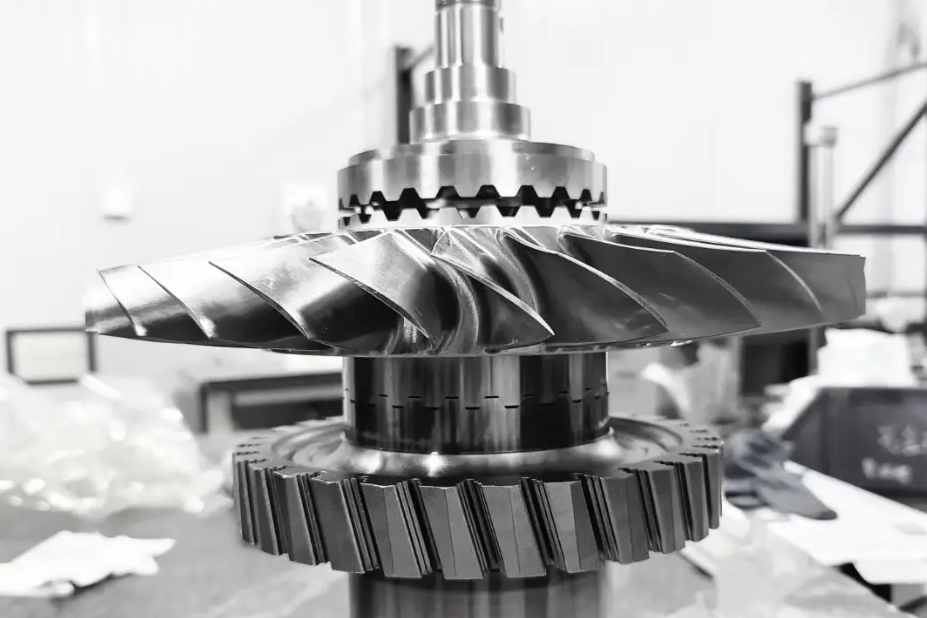
Evaluate multi-axis CNC machining when related datums, compound angles, or difficult access would otherwise require several setups. CNC turning should be considered for rotational components where concentricity, runout, diameter control, and surface finish are central to function. The buyer should ask whether the proposed route reduces datum-transfer risk or only makes the toolpath convenient. A production-transfer plan should identify fixture surfaces, inspection datums, acceptable clamp marks, deburring limits, and the first-piece approval method.
Integrated Surface Treatments
Post-machining surface treatments can make low-volume parts closer to production intent, but finishing should be treated as part of the manufacturing plan rather than an afterthought. Coating, polishing, tumbling, or chemical finishing may change dimensions, edge conditions, color, corrosion behavior, and inspection timing. The RFQ should specify which surfaces are cosmetic, which are functional, and which features cannot be altered by finishing. When a finish affects a bore, thread, sealing face, or sliding surface, ask whether machining allowance or masking is required.
Anodizing: can improve corrosion and wear behavior on suitable aluminum alloys, but coating type, thickness, sealing, and masking affect bores, threads, edges, and color expectations
Electropolishing: removes material from stainless steel and can improve smoothness and corrosion behavior when the alloy and process are suitable; edge rounding and dimensional change need review
Powder coating: provides decorative and protective finishes on suitable substrates, but buildup may reduce clearance in holes, slots, mating faces, or masked areas
Tumbling: can deburr edges and improve handling, but small edges, thin walls, threads, and cosmetic surfaces need defined acceptance limits
Scaling to Mass Production
Low-volume CNC machining is often the final validation stage before a buyer chooses mass production tooling, casting, molding, or a larger CNC batch. It can reveal design issues while the cost of change is still manageable, and it can provide production-representative material behavior that a purely visual prototype cannot show. The buyer should decide whether low-volume CNC is the final supply route or a bridge toward another process.
Functional testing under actual load, temperature, vibration, fluid exposure, or assembly conditions before a larger order is released
Real-world performance data collection for durability, regulatory review, customer validation, or internal engineering approval
Feedback-driven design iterations before investing in tooling, fixtures, casting dies, molds, or a repeatable production process
Once the validation evidence is accepted, transition options toward mass production may include higher-volume CNC, casting with secondary machining, or another scalable route. The buyer should not assume the prototype route automatically becomes the production route. Confirm tooling investment, datum strategy, material continuity, finish condition, inspection plan, packaging requirement, and approved drawing revision before scaling. If the next route is casting or molding, define machining stock for critical features and identify which surfaces still require CNC finishing. Use four separate release gates: the prototype proves the intended function, the pilot batch proves repeatability across more than one part, the proposed production route proves critical-feature capability and inspection coverage, and the released drawing controls every accepted change. A passed prototype cannot close a failed pilot-batch trend. A passed CNC pilot also cannot validate cast porosity, molded shrinkage, or another route-specific risk. Hold scaling when material condition, datum transfer, finishing allowance, sampling rule, nonconformance ownership, or packaging acceptance remains open.
Why Choose Neway for Low-Volume CNC Machining
Evaluate Neway’s linked CNC prototyping and low-volume production services against one coordinated RFQ. The review should connect drawing intent, material, machining route, finishing, inspection, and production transfer instead of treating the prototype as an isolated sample. The required output is a documented decision path: revise the design, approve a pilot batch, change material, adjust tolerances, or prepare for a larger manufacturing method.
3-axis to 5-axis CNC milling and turning should be matched to feature access, datum control, surface finish, and setup reduction rather than selected by machine count alone
EDM machining may be reviewed for sharp internal features, hard materials, narrow slots, or geometry that is not practical for milling
Material selection should consider exact grade, stock condition, certificate needs, heat treatment, surface finish, and whether substitute material is acceptable
CMM and in-process inspection should be tied to critical dimensions, datum features, sampling plan, measurement uncertainty, and the report format required by the buyer
Turnaround and shipping should be accepted only as project-specific schedule commitments with material, finishing, inspection, packaging, customs, and buyer-approval constraints stated
Neway publishes solution pages for aerospace, medical, automation, and energy. For a real project, buyers should state the application risk without assuming that an industry label proves a tolerance, finish, certificate, test plan, or supplier capability. The RFQ should identify whether the order supports engineering approval, field testing, replacement use, customer samples, or early production, and require evidence for every acceptance item.
Conclusion
Low-volume CNC machining is most valuable when it turns a design question into a production decision. It can confirm real material behavior, assembly fit, tolerance risk, finishing outcome, and inspection evidence before the buyer commits to higher volume or dedicated tooling. The best projects define what the prototype must prove, what the pilot batch must repeat, and what must change before production scaling. This keeps low-volume machining from becoming a one-time sample with no path to repeatability.
When evaluating Neway, connect design review, material selection, machining process, finishing, inspection, and repeat-order planning in the RFQ. Prepare the drawing revision, 3D model, material grade, quantities for each stage, critical dimensions, surface finish, inspection report, target delivery date, and expected next-stage volume. Ask for a route that explains setup, material, finishing, inspection, and approval assumptions so the next purchase decision is based on evidence rather than guesswork. If the quote supports production transfer, request separate notes for prototype assumptions, pilot-batch controls, and repeat-order changes. That separation helps purchasing, engineering, and quality teams approve the next step without confusing sample success with production readiness. For repeat orders, confirm which fixture, datum, inspection, and finishing assumptions remain valid after drawing changes, supplier feedback, or customer test results. This is especially important when the pilot batch becomes the purchasing reference.
FAQs:
What is the typical lead time for a low-volume CNC machining project?
How does low-volume CNC machining compare to 3D printing or casting?
Can I use the same material in prototype and production batches?
What is the minimum order quantity for low-volume CNC parts at Neway?
How do I ensure my part design is optimized for CNC manufacturability?