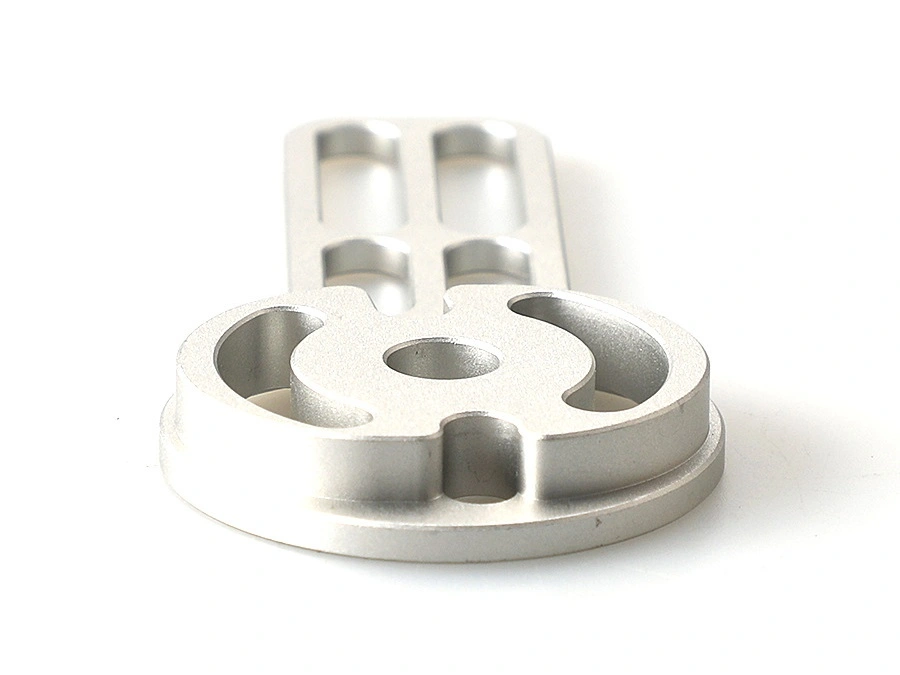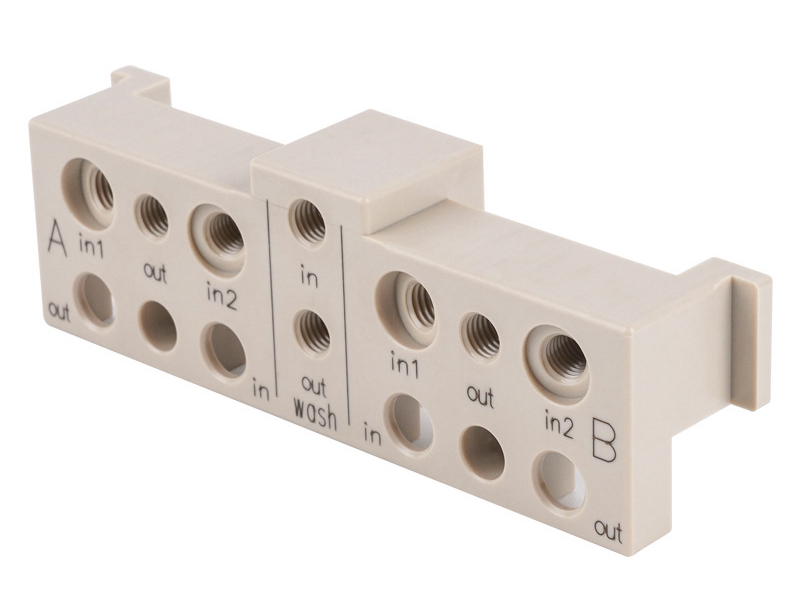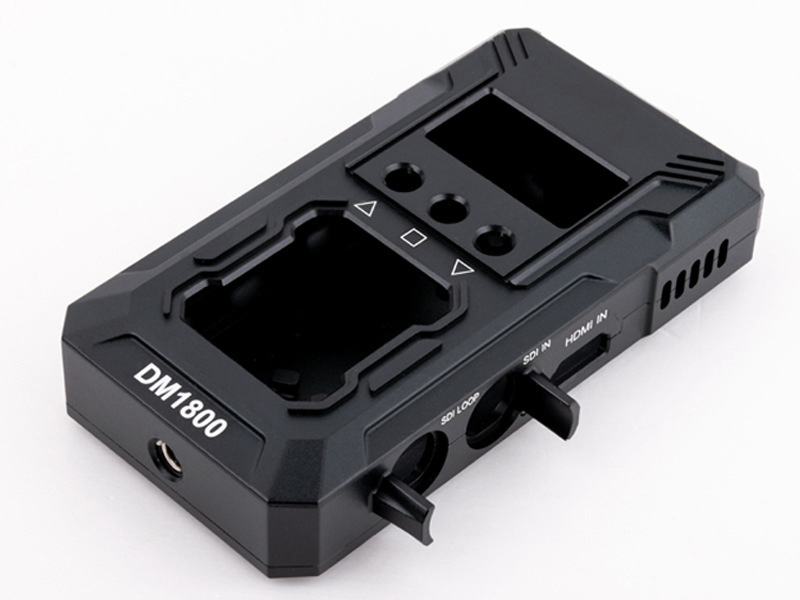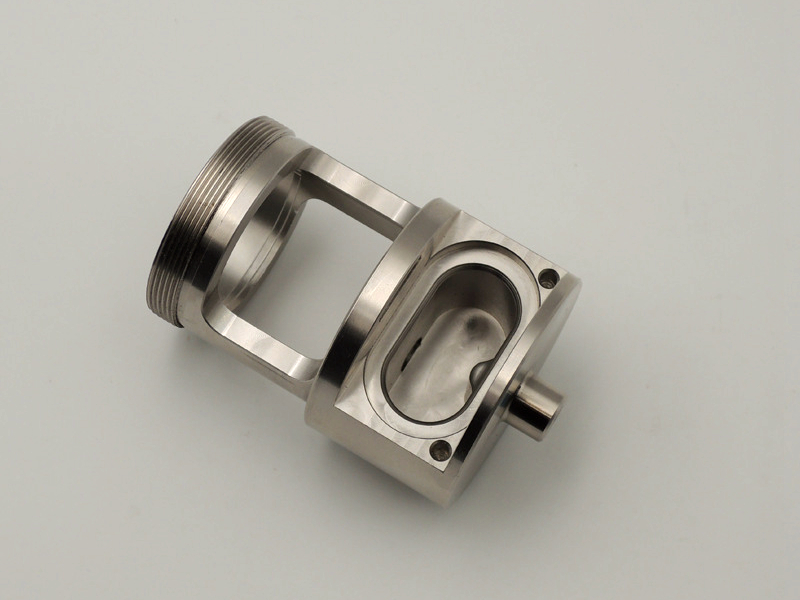
In practical manufacturing, low-volume CNC milling typically refers to production quantities that are higher than one-off or prototype work, but still too low to justify dedicated tooling or full mass-production economics. In most industrial buying situations, this usually means batches ranging from around 10 pieces to a few hundred pieces, although the exact threshold depends on part complexity, material, setup time, inspection requirements, and whether the design is already stable.
There is no single universal quantity that defines low volume for every part. A simple aluminum bracket may stop being “low volume” sooner than a complex titanium housing, because the cost structure and production logic are very different. That is why low-volume manufacturing is better understood as a production stage rather than a fixed number. It sits between CNC machining prototyping and full mass production.
For many custom machined parts, the most typical low-volume quantity range is about 10 to 200 pieces. This is the range where buyers often still want machining flexibility, but need better repeatability and cost control than a pure prototype workflow provides. In this stage, the supplier may optimize fixtures, tool life, and inspection flow, but usually without shifting to a tooling-based process.
Production Stage | Typical Quantity Range | Main Goal |
|---|---|---|
Prototype | 1 to 5 pieces | Design validation, fit check, early functional testing |
Early low volume | 10 to 50 pieces | Pilot build, small-batch customer testing, initial release |
Low volume | 50 to 200 pieces | Repeatable production without full tooling investment |
Extended low volume or bridge production | 200 to 500+ pieces | Supply continuity before mass-production transition |
These numbers are typical commercial references, not strict rules. For high-complexity parts, even 300 pieces may still be treated as low-volume CNC milling if machining remains more practical than a tooling-based route.
The same quantity can mean different things depending on the part. For example, 100 pieces of a simple plate may already push toward a more production-optimized route, while 100 pieces of a multi-face precision housing with tight tolerances may still clearly belong to low-volume CNC milling. That is because batch definition depends on total process economics, not only on count.
The factors that change this threshold usually include setup complexity, machining time per part, material cost, dimensional tolerance, surface finish requirements, and whether the part would need expensive tooling in an alternative process. This is also why questions about low-volume economics are closely connected to low-volume lead time and minimum order quantity.
Many buyers place low-volume CNC orders when the design has moved beyond prototype stage but is still not ready for long-term mass production. This can happen during pilot builds, customer approvals, field testing, regulatory preparation, or launch-stage supply. In that situation, buyers may need 20, 50, or 100 parts quickly, but still want the option to revise dimensions, finish, or geometry after feedback.
This is one of the main reasons CNC milling remains attractive in the low-volume phase. The process can scale up from one-piece validation into repeatable small-batch supply without forcing the buyer into early tooling commitment.
Use Case | Typical Quantity Pattern | Why CNC Milling Fits |
|---|---|---|
Pilot production | 10 to 50 pieces | Supports controlled release before full-scale manufacturing |
Customer approval batch | 10 to 100 pieces | Provides real parts for early field or assembly verification |
Bridge production | 50 to 300+ pieces | Maintains supply before tooling-based production is ready |
Custom industrial orders | 10 to 200 pieces | Economical for specialized demand without tooling amortization |
Service or replacement parts | Small repeat batches | Ideal for controlled quantities and engineering flexibility |
A batch usually stops being “low volume” when the order quantity becomes high and stable enough that tooling investment, dedicated automation, or process-specific production planning starts to reduce total cost more effectively than continued CNC machining. That break point depends heavily on the part.
For a simple component with stable demand, that transition may begin in the low hundreds. For a complex precision part that still needs tight machining control, CNC may remain commercially reasonable much longer. So the real dividing line is not just quantity. It is whether the buyer is still paying mainly for machining flexibility or has moved into a volume level where process-specific tooling economics take over.
When requesting a quote, buyers should not only provide the current batch quantity. They should also indicate whether the batch is a one-time order, a repeating small-volume requirement, a pilot run, or the first step toward larger production. That helps the supplier choose the right fixture strategy, machining route, and cost structure.
For example, 30 parts needed once is very different from 30 parts per month for the next year. The first may be treated more like a prototype-extension batch, while the second may justify more production-oriented setup optimization. This kind of planning is also part of a stronger prototype-to-production strategy.
Main Question | Practical Answer |
|---|---|
What quantities are typically considered low-volume CNC milling? | Usually about 10 to a few hundred pieces, depending on part economics |
What is the most common range? | Roughly 10 to 200 pieces for many custom machined parts |
Is there a fixed industry definition? | No, the threshold depends on geometry, material, tooling alternatives, and demand stability |
Why do buyers use this stage? | To gain repeatable supply without early tooling investment |
In summary, low-volume CNC milling typically refers to batches larger than prototype quantities but still below the level where tooling-based production becomes clearly more economical. For many industrial applications, that usually means about 10 to 200 pieces, though complex parts may remain in the low-volume CNC category well beyond that range. The most useful definition is not a strict number, but a production stage where machining flexibility still provides the best overall value.