Massenproduktion Qualitätskontrolle für CNC-bearbeitete Teile: Konsistenz, Inspektion und Kostenkont...
Massenproduktion Qualitätskontrolle für CNC-bearbeitete Teile: Konsistenz, Inspektion und Kostenkontrolle
Für OEM-Käufer in der Automobil-, Medizin-, Luftfahrt-, Automatisierungs- und Industrieausrüstungsbranche wird die CNC-Bearbeitungsqualität nicht nur durch eine gute Probe beurteilt. In der Massenproduktion stellt sich die Frage, ob der Lieferant dieselbe Maßgenauigkeit, Oberflächengüte und Prozessstabilität über wiederholte Chargen hinweg aufrechterhalten kann. Deshalb muss die Qualitätskontrolle in der Massenproduktion über die Endkontrolle hinausgehen. Sie muss in die Materialprüfung, Prozesskontrolle, Zwischenkontrollen, Dokumentation und Lieferplanung integriert sein.
Aus diesem Grund prüfen Käufer, die Massenproduktionsdienstleistungen bewerten, oft genau das Qualitätssystem, die Inspektionsdisziplin, die Rückverfolgbarkeitsstruktur und die Fähigkeit des Lieferanten, Qualitätssicherung mit Produktionseffizienz in Einklang zu bringen. In der CNC-Chargenfertigung geht es bei einer starken Qualitätskontrolle nicht nur um die Reduzierung von Fehlern. Es geht darum, eine gleichbleibende Versorgung, vorhersehbare Leistung und kontrollierte Herstellungskosten über langfristige Aufträge hinweg zu unterstützen.
Warum Qualitätskontrolle in der Massenproduktion anders ist
Die Qualitätskontrolle ändert sich, wenn ein Projekt von der Musterphase in die stabile Produktion übergeht. In der Musterphase geht es hauptsächlich darum, ob das Teil überhaupt korrekt hergestellt werden kann. In der Kleinserienproduktion verlagert sich der Fokus darauf, ob dieses Ergebnis über eine begrenzte Charge wiederholt werden kann. In der Massenproduktion wird die Anforderung jedoch viel umfassender. Der Lieferant muss zeigen, dass der Prozess über die Zeit stabil bleiben kann, dass Maßabweichungen erkannt werden können, bevor sie Chargenfehler verursachen, dass Aufzeichnungen die Rückverfolgbarkeit unterstützen und dass der Inspektionsaufwand kontrolliert werden kann, ohne unnötige Kosten zu verursachen.
Das bedeutet, dass Qualitätskontrolle in der Massenproduktion nicht einfach "mehr Inspektion" ist. Es ist ein System geplanter Kontrollen. Materialchargen müssen rückverfolgbar sein. Werkzeugverschleiß muss überwacht werden. Die Vorrichtungspositionierung muss stabil bleiben. Oberflächenbehandlungschargen müssen konsistent sein. Die Inspektionshäufigkeit muss auf Risiko und Prozessstabilität basieren. Die Dokumentation muss das Vertrauen des Kunden und gegebenenfalls regulatorische oder branchenspezifische Anforderungen unterstützen. Dieses breitere System unterscheidet die Produktionskontrolle von einer einfachen Musterfreigabe.
Wichtige Qualitätskontrollpunkte in der CNC-Massenproduktion
Die Qualitätskontrolle in der Massenproduktion funktioniert am besten, wenn die wichtigsten Kontrollpunkte klar definiert sind, vom eingehenden Material bis zur endgültigen Lieferung. Jeder Kontrollpunkt erfüllt einen anderen Zweck, und zusammen reduzieren sie die Wahrscheinlichkeit, dass Abweichungen über eine Charge verteilt werden.
Kontrollpunkt | Funktion |
|---|---|
Eingangsmaterialprüfung | Bestätigt Materialgüte, Chargenidentität und Zertifikatskonformität vor Produktionsbeginn |
Erstmusterprüfung | Überprüft, ob das erste gefertigte Teil der Zeichnung und den Prozessanforderungen entspricht |
Prozessbegleitende Prüfung | Erkennt Werkzeugverschleiß, Vorrichtungsversatz oder Maßabweichungen, bevor sie mehr Teile betreffen |
KMG-Messung | Validiert kritische Maße und geometrische Toleranzen an empfindlichen Merkmalen |
Oberflächengüteprüfung | Bestätigt Rauheit, Aussehen und Nachbearbeitungskonsistenz |
Endkontrolle | Bestätigt, dass die ausgehende Charge den vereinbarten Versandanforderungen entspricht |
Rückverfolgbarkeitskontrolle | Unterstützt langfristige Chargenverfolgung und Untersuchung bei Problemen |
Diese Kontrollpunkte sind Teil eines breiteren Systems der Qualitätskontrolle in der CNC-Bearbeitung, aber in der Massenproduktion müssen sie in einer wiederholbaren Routine verbunden sein, anstatt als isolierte Inspektionen behandelt zu werden.
Wie Chargenkonsistenz aufrechterhalten wird
Die Chargenkonsistenz in der CNC-Massenproduktion hängt davon ab, den Prozess stabil zu halten, nicht davon, jedes fertige Teil auf die gleiche Weise zu prüfen. Die wichtigste Grundlage ist ein fester Prozessablauf. Wenn Operationsreihenfolge, Spannlogik, Bezugsstrategie und Werkzeugauswahl kontrolliert bleiben, wird das Produktionssystem vorhersagbarer. Ein stabiles Vorrichtungsdesign ist ebenso wichtig, da eine wiederholbare Positionierung die Maßkonsistenz von einer Charge zur nächsten direkt beeinflusst.
Die Überwachung des Werkzeugverschleißes spielt ebenfalls eine große Rolle. Selbst ein gut konzipierter Prozess kann abweichen, wenn Schneidwerkzeuge über den akzeptablen Zustand hinaus verschleißen. Deshalb sind Werkzeugstandzeitgrenzen, Korrekturnachweise und planmäßige Prüfungen oft effektiver, als sich nur auf die Endkontrolle zu verlassen. Ebenso hilft die Planung der Inspektionshäufigkeit, die Konsistenz zu wahren, indem sie sich in den richtigen Intervallen auf kritische Merkmale konzentriert, anstatt auf jedes Merkmal die gleiche Kontrollstufe anzuwenden.
Die Verfolgung kritischer Maße, kontrollierte Oberflächenbehandlungschargen und dokumentierte Produktionsaufzeichnungen stärken die Konsistenz weiter. Wenn wichtige Maße über die Zeit überwacht werden, können Trends korrigiert werden, bevor sie zu Fehlern werden. Wenn Endbearbeitungslose sorgfältig geplant werden, bleiben Aussehen und Beschichtungsverhalten stabiler. Wenn Aufzeichnungen klar dokumentiert sind, kann das Produktionsteam Probleme auf die Materialcharge, Einrichtung, Maschine, das Werkzeug oder die Prozessstufe zurückführen, die sie verursacht haben. Diese Art von strukturierter Kontrolle ist auch eng mit der Disziplin verbunden, die von der Präzisionsbearbeitung in wiederholten Fertigungsumgebungen erwartet wird.
Üblicherweise für Massenproduktionsaufträge erforderliche Prüfberichte
Verschiedene Branchen und Kunden verlangen unterschiedliche Berichtsebenen, aber Massenproduktionsaufträge benötigen oft mehr als eine einfache Bestehens- oder Nichterfüllungserklärung. Käufer können formelle Dokumente verlangen, die zeigen, was geprüft wurde, wie gemessen wurde und wie die Charge kontrolliert wurde. Diese Berichte unterstützen die Eingangsprüfung, die interne Qualitätsfreigabe, Lieferantenaudits und die laufende Produktionsverwaltung.
Prüfdokument | Typischer Zweck |
|---|---|
Maßprüfbericht | Bestätigt wichtige gemessene Maße gemäß Zeichnungsanforderungen |
KMG-Bericht | Liefert detaillierte Validierung kritischer Geometrie und engerer Toleranzen |
Erstmusterprüfbericht (FAI) | Genehmigt das erste Produktionsteil oder die erste Charge vor der vollständigen Weiterführung |
Materialzertifikat | Überprüft Materialgüte und Rückverfolgbarkeitsanforderungen |
Oberflächengütebericht | Bestätigt Rauheit oder oberflächenbezogene Konformität, wo erforderlich |
Prozesskontrollaufzeichnungen | Zeigen, wie die Produktionsstabilität während des Laufs aufrechterhalten wurde |
Chargenprüfzusammenfassung | Bietet einen Überblick über die Konformität auf Losphase vor dem Versand |
Für Käufer, die die Lieferfähigkeit bewerten, ist die Fähigkeit, diese Aufzeichnungen konsistent zu erstellen, oft ein wichtiges Signal dafür, wie zuverlässige CNC-Bearbeitungsbetriebe langfristige Liefererwartungen managen.
Gleichgewicht zwischen Inspektionskosten und Produktionseffizienz
Die Qualitätskontrolle in der Massenproduktion muss Vertrauen und Effizienz in Einklang bringen. Nicht jedes Merkmal benötigt eine 100%ige Prüfung an jedem Teil, und die gleiche Behandlung aller Merkmale erhöht oft die Kosten, ohne die tatsächliche Produktqualität zu verbessern. Ein besserer Ansatz besteht darin, die Prüfhäufigkeit entsprechend kritischen Abmessungen, Risikoniveau, Kundenanforderungen, Branchenanwendung, Chargengröße und historischer Prozessstabilität zu definieren.
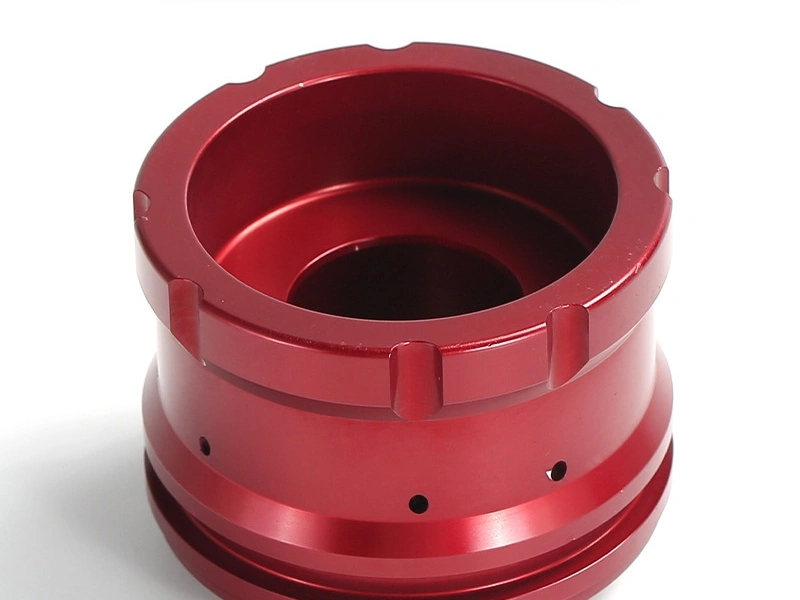
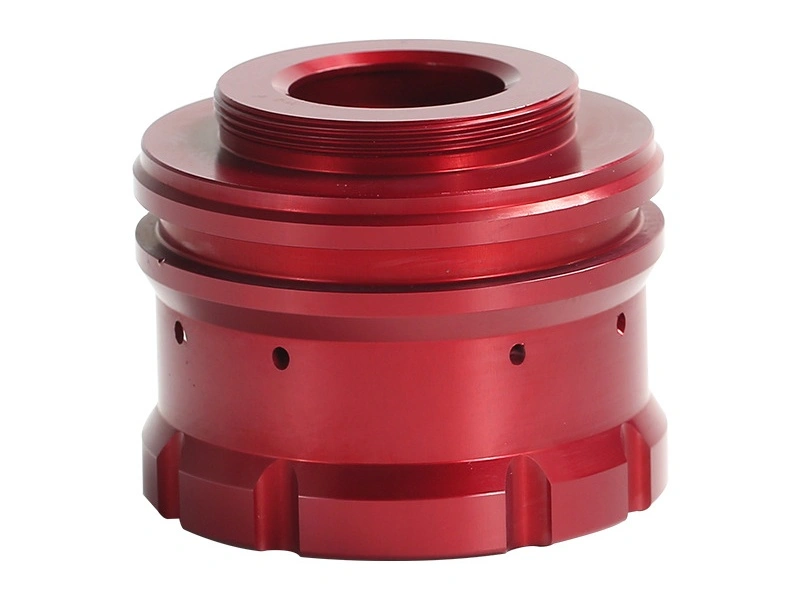
Zum Beispiel können Dichtungsbohrungen, sicherheitsrelevante Löcher, Montagebezüge und enge geometrische Toleranzen eine strengere Prüfdisziplin erfordern als nicht funktionale Außenflächen. Ein ausgereifter Prozess mit stabiler Historie kann einige Kontrollen in Richtung rationeller Stichproben verschieben, während ein neuer Produktionshochlauf oder ein risikoreicheres Teil häufigere Prüfungen erfordern kann. Diese Logik hilft, die Prüfung sinnvoll zu halten und gleichzeitig die Produktivität zu schützen.
Dieses Gleichgewicht wird auch durch stärkere Messsysteme unterstützt. In anspruchsvolleren Chargenprogrammen helfen strukturierte Ansätze wie ISO-zertifizierte KMG-Qualitätssicherung und ein diszipliniertes PDCA-Qualitätssystem, die Prozesskontrolle zu verbessern, ohne jeden Produktionsauftrag zu einem prüfintensiven Engpass zu machen.
Arbeiten Sie mit Neway für stabile CNC-Massenproduktion
Wenn Ihr Projekt eine wiederholte Lieferung kundenspezifischer CNC-bearbeiteter Teile mit stabilen Maßen, kontrollierter Endbearbeitung, rückverfolgbaren Materialchargen und zuverlässiger Chargenqualität erfordert, ist das Qualitätssystem hinter dem Lieferanten genauso wichtig wie die Maschinenkapazität selbst. Eine starke Massenproduktionsleistung hängt davon ab, wie gut eingehende Materialien, Prozesskontrollen, Inspektionen und Aufzeichnungen zu einem wiederholbaren System verbunden sind.
Für Käufer, die das Risiko in der langfristigen Beschaffung reduzieren möchten, kann Neway diesen Weg durch Massenproduktionsdienstleistungen unterstützen. Mit der richtigen Qualitätsplanung, Prüfstrategie und Prozesskontrolldisziplin kann die CNC-Massenproduktion sowohl gleichbleibende Qualität als auch eine effizientere langfristige Versorgung liefern.
FAQ
Wann sollte ich von der Kleinserienfertigung zur Massenproduktion übergehen?
Welche Informationen werden für ein CNC-Massenproduktionsangebot benötigt?
Wie kontrolliert Neway die Qualitätskonsistenz in der CNC-Massenproduktion?
Wie können die Stückkosten in der CNC-Hochvolumenbearbeitung gesenkt werden?
Worauf sollte ich bei einem CNC-Massenproduktionslieferanten achten?