Best Materials for CNC Milling: Aluminum, Stainless Steel, Titanium, Plastics, and Ceramics
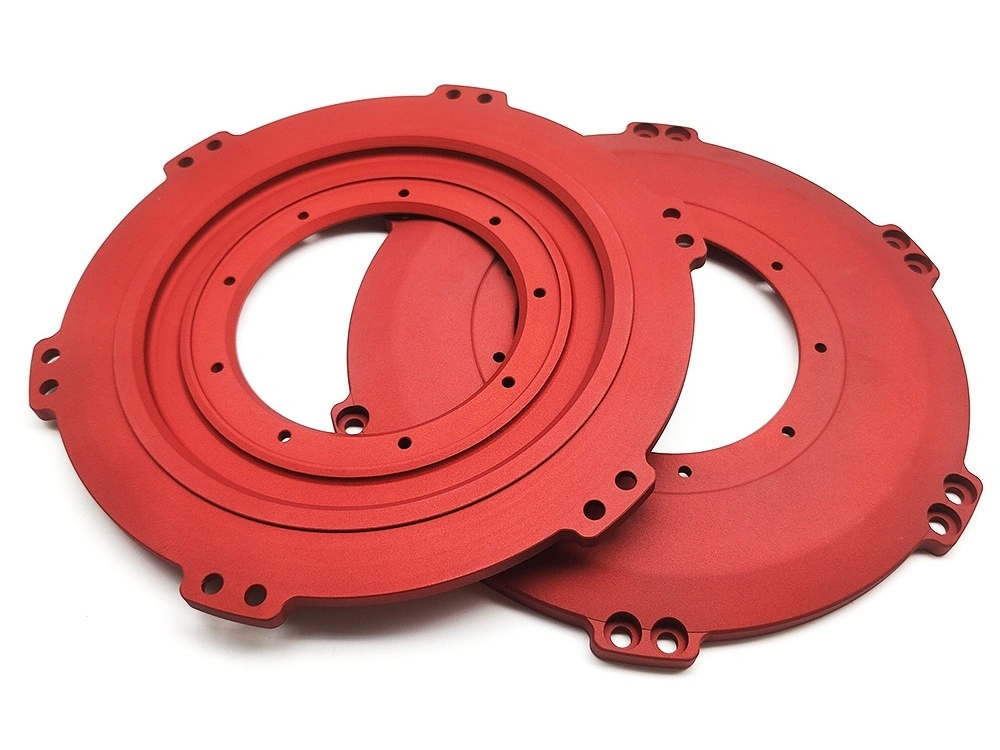
The best materials for CNC milling custom parts are aluminum alloys for low mass and machining efficiency, stainless steels for corrosion and load, titanium alloys for strength-to-weight performance, engineering plastics for insulation or low mass, and machinable ceramics for wear, heat, or electrical isolation. Each choice works only when the grade or material state, geometry, final finish, and inspection method match the service conditions. Dense fired ceramics may require diamond grinding rather than conventional milling. Buyers should define load, environment, critical features, final surface state, quantity, and approved alternatives before comparing quotes.
For most custom CNC milled parts, buyers compare a practical group of material families first: Aluminum, Stainless Steel, Plastic, Brass, Copper, Titanium, and Superalloy. Each family changes removal rate, tool life, distortion risk, edge condition, finish route, and inspection effort. Ceramics also belong in the comparison when wear, heat, or electrical insulation outweigh toughness and machining economy. A defensible selection meets the service requirement without paying for unused performance or accepting an unstable manufacturing route.
What Makes a Material Good for CNC Milling Custom Parts?
A material is good for CNC milling when it meets the functional specification without creating an unmanageable cutting, distortion, finishing, or inspection route. Stable chip formation and predictable wear matter, but the material must also satisfy strength, hardness, corrosion, fatigue, weight, conductivity, temperature, and surface-treatment requirements. The RFQ should separate mandatory properties from preferences and identify which drawing features prove that the selected grade is acceptable.
Consider a thin-walled 6061-T6 enclosure with anodized bores. Low cutting resistance does not eliminate flatness or coating risk, so the route may need balanced roughing, low-restraint finishing, released-state flatness inspection, and post-anodize bore checks. A chloride-exposed load-bearing manifold may instead justify a specified stainless grade despite slower cutting, provided burrs, work hardening, cleaning chemistry, and passive-surface requirements are controlled. These scenarios show why material selection must connect service risk to manufacturing and final-state inspection. The broader selection framework is closely related to how to select the right metal for custom CNC machined parts and metal vs plastic CNC machining.
Best Material Families for CNC Milled Custom Parts
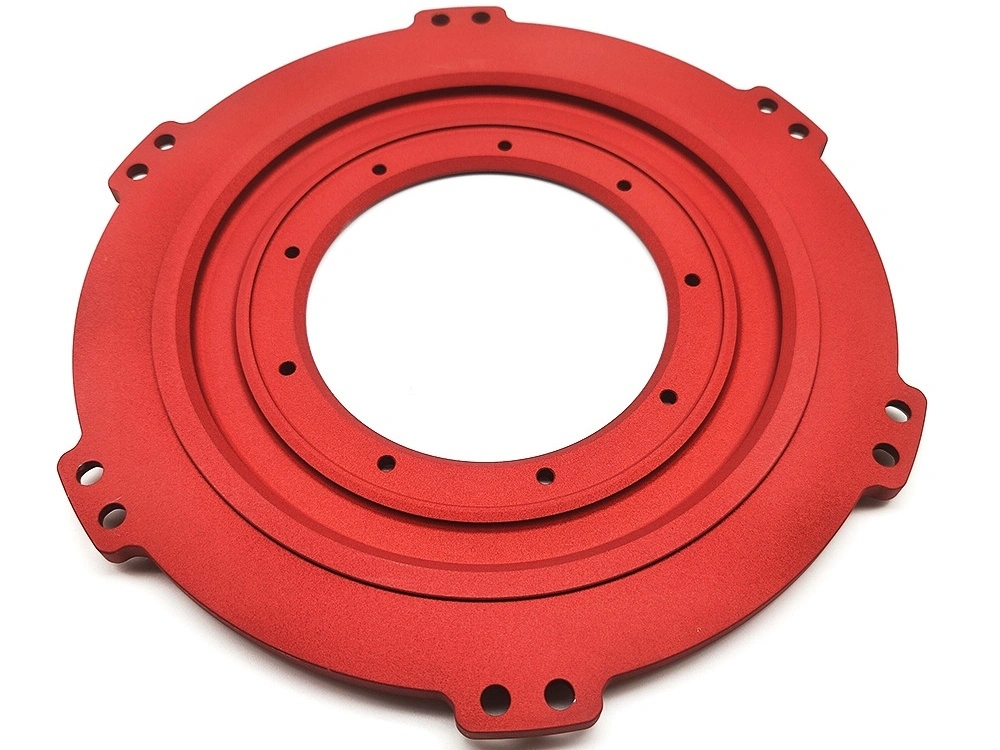
The best CNC milling materials come from established families, but the correct family depends on the failure mode the part must avoid. Aluminum fits low-mass housings, fixtures, brackets, and heat-transfer parts. Stainless steel fits defined corrosion and structural demands. Engineering plastics serve insulating, low-friction, or chemically resistant components, while brass and copper serve precision fittings or conductivity. Titanium should enter the shortlist only when strength-to-weight, corrosion, fatigue, or biocompatibility requirements justify its narrower process window. Before approval, compare tool reach, burr locations, surface-integrity requirements, and the last acceptable feature per tool. Superalloys belong in extreme heat or aggressive service. A ceramic RFQ must identify green, machinable, biscuit, or dense fired state, sintering allowance, final grinding, and edge-damage acceptance because material state changes both process and validation. Confirm which features exist before firing, which are ground afterward, how sintering shrinkage is controlled, and whether edge breakout or subsurface damage needs a specified inspection method.
Comparison Table: Best Material Options for CNC Milling
Material Family | Main Advantage | Typical Limitation | Best Use Case |
|---|---|---|---|
Lightweight, fast machining, good finish | Lower wear resistance than hardened steels; check coating buildup | Housings, brackets, prototypes, heat-dissipation parts | |
Corrosion resistance and structural strength | Slower machining, work hardening, and higher tool wear | Medical, food equipment, marine, industrial hardware | |
Low weight, insulation, quick prototyping | Lower stiffness and heat resistance in many grades; confirm measurement condition | Functional prototypes, insulators, low-load components | |
Excellent machinability and dimensional stability | Higher material cost than common aluminum alloys | Valves, fittings, connectors, decorative precision parts | |
Very high electrical and thermal conductivity | Can be gummy and harder to machine cleanly; burr limits matter | Busbars, heat transfer components, electrical contacts | |
High strength-to-weight ratio, corrosion resistance | Slow machining, heat concentration, and tool wear risk | Aerospace, medical implants, premium performance parts | |
High-temperature strength and oxidation resistance | Very difficult and expensive to machine; use only when service conditions justify it | Turbine, energy, aerospace hot-section components |
Why Aluminum Is One of the Best Materials for CNC Milling
Aluminum is often the best first-choice material for CNC milled custom parts because it combines low density, strong machinability, good corrosion resistance, and excellent response to finishing processes. It cuts quickly, usually allows high spindle speeds, produces relatively low tool wear compared with stainless steel or titanium, and supports clean surface finishes for visible parts. This makes it attractive for enclosures, fixtures, robotic arms, consumer devices, heat sinks, and lightweight structural parts. Buyers should still check wall thickness, flatness, threaded insert needs, and whether anodizing will affect functional holes or sealing faces.
For stable geometry and accessible features, aluminum can shorten machining time because removal rates and tool life are often favorable relative to stainless steel or titanium. Thin walls, residual stress, tight flatness, or coated fits can erase that advantage unless the setup and final inspection are planned. Common grades such as Aluminum 6061, Aluminum 7075, and Aluminum 5052 cover general machining, higher-strength structures, and formed-sheet applications with different stock and geometry limits. Aluminum also supports cosmetic and protective routes such as anodizing. The RFQ should specify alloy, temper, stock form, cosmetic faces, flatness, coating type, and whether dimensions apply before or after finishing.
When Aluminum Is the Best Choice
Requirement | Why Aluminum Fits | Typical Part Example | Engineering Benefit |
|---|---|---|---|
Lightweight structure | Density is far lower than steel | Frames, brackets, covers | Reduces total system weight and moving mass |
Fast machining | High cutting speeds and lower tool wear | Prototype housings | Shorter lead time and lower cost when geometry is stable |
Good appearance | Machines cleanly and anodizes well | Consumer product shells | Improved surface quality, color options, and corrosion protection |
Heat dissipation | Good thermal conductivity | Heat sinks, LED bodies | Supports thermal management when contact faces remain controlled |
Why Stainless Steel Is Often Better for Demanding Environments
Stainless steel is often the better choice when the part must resist corrosion, maintain structural integrity, and withstand repeated service in moisture, chemicals, cleaning cycles, or outdoor conditions. Compared with aluminum, stainless steel is heavier and slower to machine, but it generally provides higher strength, better wear resistance in many applications, and stronger long-term durability under harsh service conditions. This makes it a frequent choice for fluid-handling components, food-contact hardware, medical parts, marine fittings, and industrial mechanisms. The tradeoff is higher tool load, more burr control, and a greater need to define passivation or electropolishing expectations.
Grades such as Stainless Steel SUS304, Stainless Steel SUS316, and Stainless Steel SUS630 (17-4PH) are commonly selected depending on whether corrosion resistance, toughness, or precipitation-hardening strength is the priority. Stainless steel is also suitable when passivation, electropolishing, or sanitary surface conditions are important. Buyers should confirm the grade, cleaning environment, chloride exposure, hardness state, critical threads, and inspection method because the machining plan changes when work hardening or burr risk is high.
Is Aluminum or Stainless Steel Better for CNC Milled Parts?
Aluminum is usually better for CNC milled parts when low mass, high removal rate, anodized appearance, and lower machining effort dominate the decision. Stainless steel is usually better when the drawing requires higher load capacity, wear resistance, or corrosion performance in a defined environment. Neither family is better without the exact alloy, temper or condition, geometry, final finish, and acceptance method. The decision should follow the dominant service and manufacturing risk, not material reputation.
A thin electronics housing with post-anodize bores may favor aluminum, but released flatness and bore size after coating still need acceptance criteria. A chloride-exposed valve body may favor a specified stainless grade, but the grade must reflect concentration, temperature, cleaning chemistry, and load. The correct decision depends on whether the part's main risk is weight and manufacturing effort or inadequate corrosion and service durability. This tradeoff is closely related to what determines the cost of CNC milled parts.
Aluminum vs Stainless Steel Comparison for CNC Milling
Comparison Factor | Aluminum | Stainless Steel |
|---|---|---|
Weight | Much lighter; useful for moving parts and portable assemblies | Much heavier; acceptable when durability matters more |
Machining speed | Faster | Slower because heat and work hardening need control |
Tool wear | Lower in most cases | Higher in most cases; inspect burrs and tool marks |
Corrosion resistance | Good, depends on alloy and finish | Usually better, especially in wet environments |
Strength | Good to high, alloy dependent | Usually higher for demanding structural use |
Surface finishing | Excellent for anodizing; check coating thickness on fits | Excellent for passivation and electropolishing |
Typical cost efficiency | Higher for general machining | Lower due to slower cycle time, but service value may justify it |
Best Materials by Part Function
One practical way to choose a CNC milling material is to begin with part function. Lightweight structural parts often favor aluminum. Corrosion-critical parts often favor stainless steel. Electrical contacts and thermal transfer parts often require copper. Precision fittings and decorative mechanical parts often favor brass. Insulating, low-friction, or non-metallic components often favor engineering plastics such as POM, PEEK, PTFE, or nylon. High-load premium aerospace or medical parts may require titanium. High-temperature turbine or energy parts may move into superalloy territory. Wear pads, electrical insulators, and high-temperature non-metallic parts may require ceramics if the design can tolerate brittle edge behavior.
Best Materials Based on Application Needs
Application Need | Best Material Option | Reason | Typical Sector |
|---|---|---|---|
Low weight and fast machining | Aluminum | High machinability and low density | Robotics, electronics, automotive |
Corrosion resistance and strength | Stainless steel | Stable performance in wet or chemical environments | Medical, marine, industrial equipment |
Electrical conductivity | Copper | Excellent current and heat transfer capability | Power, connectors, electronics |
Precision fittings and easy machining | Brass | Excellent machinability and stable dimensions | Valves, plumbing, instrumentation |
Insulation and prototype flexibility | Engineering plastics or ceramics | Lightweight, insulating, or wear-resistant properties | Automation, medical, consumer products |
High strength-to-weight ratio | Titanium | Strong and corrosion-resistant at lower weight than steel | Aerospace, medical, premium industrial |
When Plastics Are Better Than Metals for CNC Milled Parts
Engineering plastics are better than metals when low mass, electrical isolation, friction behavior, or chemical compatibility matters more than metal-like stiffness and temperature capability. Materials such as PEEK (Polyether Ether Ketone), Acetal (POM – Polyoxymethylene), and PTFE (Teflon) serve different temperature, moisture, wear, and dimensional-stability requirements; exact grade, filler, stock condition, and conditioning state matter. Ceramics can be better when wear, heat, or insulation dominates, but green or machinable ceramic routes must be separated from dense fired material that normally requires diamond grinding.
Plastic becomes attractive when the design can tolerate lower stiffness and the selected grade meets temperature, chemical, creep, and moisture requirements. Lower mass and corrosion immunity may simplify the assembly, but stock stress, clamping, cutting heat, burrs, and moisture conditioning can move dimensions. A plastic RFQ should identify exact grade and filler, stock form, operating temperature, conditioning state, critical fits, measurement temperature, and whether acceptance occurs immediately after machining or after stabilization and clamp release.
How Cost and Machinability Change Material Selection
CNC milling cost changes through the complete route: stock price and condition, removal rate, tool life, setup count, distortion control, deburring, finishing, inspection, and reject risk. Aluminum and free-machining brass often support favorable removal rates, but grade, stock form, geometry, finish, and quantity can dominate the quote. Stainless steel and titanium may add tool and inspection effort through work hardening, heat, reach, or burr control. Green ceramics and dense fired ceramics require separate estimates because dense fired material normally moves from conventional milling to diamond grinding and different edge-damage inspection.
Define the minimum functional requirements first, then compare the total qualified route rather than choosing the easiest material to cut. Aluminum or an engineering plastic may replace stainless steel only when load, temperature, environment, stiffness, and final finish remain acceptable. Aluminum or stainless steel may replace titanium only when mass, corrosion, fatigue, and service limits allow it. If a ceramic request is based only on hardness, evaluate whether hardened steel, a coating, or a geometry change can meet the wear target with lower fracture risk. Comparable quotes should separate stock, cycle time, tools, setups, deburring, finishing, inspection, records, and expected validation work.
Surface Treatment and Post-Processing Should Also Guide Material Choice
Finishing strategy can change which material is best because the final process may add or remove material, alter edges, or change the accepted surface state. Anodizing grows an oxide layer on aluminum and can affect bores, threads, and fits. Passivation treats appropriate stainless surfaces but does not replace polishing or burr removal; electropolishing removes material and can change edges or dimensions. Brass and copper may use plating, while plastics need grade-compatible coating or texture processes. Ceramics may require edge-radius control, lapping, or grinding rather than metal-style deburring.
A hard-anodized requirement usually points to an aluminum route, but the drawing must distinguish coated and masked surfaces and state whether fit dimensions apply before or after coating. A stainless part exposed to cleaning chemicals needs the exact grade, chemical, concentration, temperature, surface process, and acceptance condition. Finish compatibility belongs in material selection before stock and machining strategy are fixed. The RFQ should state finish specification, cosmetic surfaces, masking, edge limits, pre- and post-finish dimensions, roughness location, and final inspection criteria.
How Neway Helps Select the Best Material for CNC Milling Custom Parts
For Neway CNC milling RFQs, the material review connects application requirements and approved specifications to stock condition, workholding, roughing, finishing, deburring, surface treatment, and final inspection. The comparison should flag which option changes tool life, released-state geometry, coating allowance, edge control, and inspection effort. This produces a quote basis for aluminum versus stainless steel, metal versus engineering plastic, or a machinable ceramic route versus dense fired ceramic grinding without treating any family as the automatic default.
The same workflow applies to Automation, Robotics, Industrial Equipment, and Medical Device parts, but validation evidence depends on the drawing and service requirement. Buyers should send the 3D model, 2D drawing, exact or approved materials, forbidden substitutions, stock or heat-treatment condition, finish, environment, mating parts, critical datums, inspection records, and quantity. Those inputs let the supplier identify which features require process trials, released-state measurement, post-finish inspection, or buyer approval before production assumptions enter the quote.
Conclusion: What Are the Best Materials for CNC Milling Custom Parts?
The best material for a CNC milled custom part is the lowest-risk option that meets service requirements through a stable machining, finishing, and inspection route. Aluminum often leads for low mass and machining efficiency; stainless steel leads when a specified environment and load justify its corrosion and strength; titanium fits strength-to-weight and corrosion demands that lower-cost alloys cannot meet. Engineering plastics fit insulation, low mass, friction, or chemical needs when conditioning and released-state dimensions are controlled. Ceramics fit wear, heat, or electrical isolation when the material state and brittle-edge inspection route are defined. Confirm the decision with exact grade and condition, geometry, datums, final finish, inspection method, quantity, and approved alternatives in the RFQ.
FAQ