Is aluminum or stainless steel better for CNC milled components?
Is aluminum or stainless steel better for CNC milled components?
Aluminum is better when a CNC milled component needs low mass, efficient machining, thermal conductivity, or an anodized finish; Stainless Steel is better when the same design envelope needs higher stiffness, load capacity, temperature margin, or grade-appropriate corrosion resistance. Neither family is universally better. Compare the exact grade and condition, geometry, mating materials, service medium, finish, and final inspection state before release.
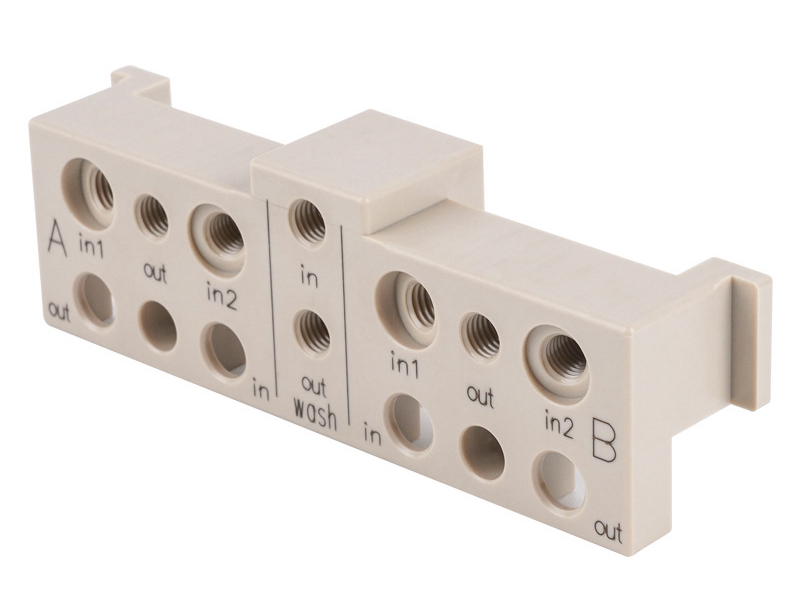
For custom CNC milled components, an equal-volume comparison is only the first screen. Aluminum weighs less, but a section may need to grow when stiffness controls. Stainless steel provides a higher elastic modulus, but its density, cutting forces, tool wear, and finishing route can raise total cost. The RFQ should state whether weight, deflection, yield margin, wear, corrosion, heat flow, or cleaning is the governing requirement.
1. Compare the Drawing, Not Generic Material Families
Property | Aluminum | Stainless Steel |
|---|---|---|
Density | About 2.7 g/cm³ for common wrought grades; confirm the specified alloy | About 7.7 to 8.0 g/cm³ by grade; compare the redesigned part, not volume alone |
Weight advantage | Lower mass at equal volume; section size may change when stiffness controls | Higher mass at equal volume; higher modulus can support a different geometry |
Machinability | Wrought 6061/7075 usually allow efficient milling; watch thin-wall movement | Grade and condition affect work hardening, heat, burrs, and tool wear |
Corrosion resistance | Depends on alloy, finish, galvanic couple, medium, and temperature | Depends on grade, finish, crevices, chlorides, cleaning chemistry, and temperature |
Strength and wear resistance | Grade and temper control strength; bearing surfaces may need treatment or inserts | Grade and condition control strength; stainless pairs can gall without mitigation |
Material and machining cost | Often lower when finishing, distortion, and rejection risk remain controlled | Often higher when slower cutting, tool consumption, deburring, and inspection add time |
Surface finishing flexibility | Anodizing changes functional dimensions; define masking and final inspection | Passivation or electropolishing cannot compensate for the wrong base grade |
2. When Aluminum Reduces Total Mass and Machining Cost
Aluminum is usually better when mass and machining efficiency govern the decision. Common wrought aluminum is about one-third the density of common austenitic stainless steel, so an equal-volume part is about 65% lighter. That comparison does not prove equal performance: wall thickness, ribs, thread engagement, bearing stress, fatigue loading, and temperature still determine the final geometry.
Aluminum also tends to cut with lower forces and higher material-removal rates than austenitic stainless steel under suitable tooling and workholding. Aluminum 6061-T6 is a practical starting point for many housings and brackets. Aluminum 7075-T6 offers higher strength, but temper, stock form, corrosion exposure, and stress-relieved product condition matter for distortion-sensitive parts.
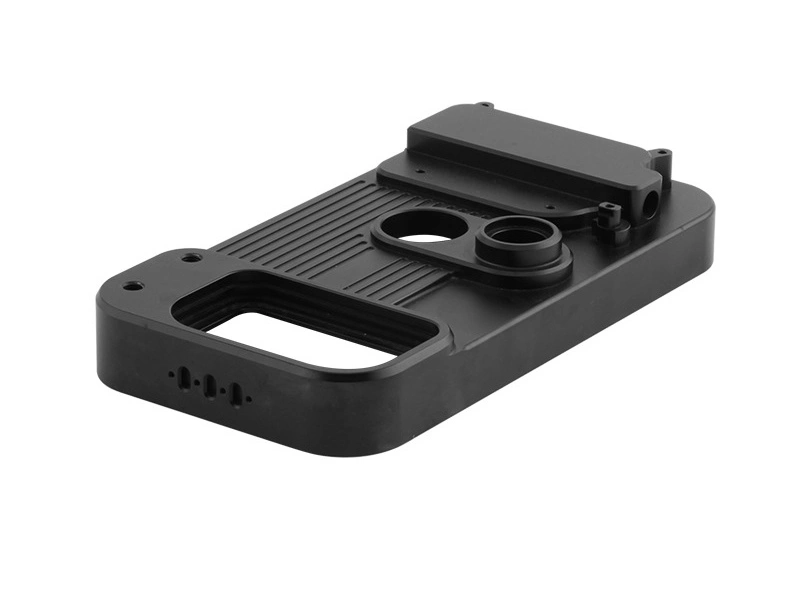
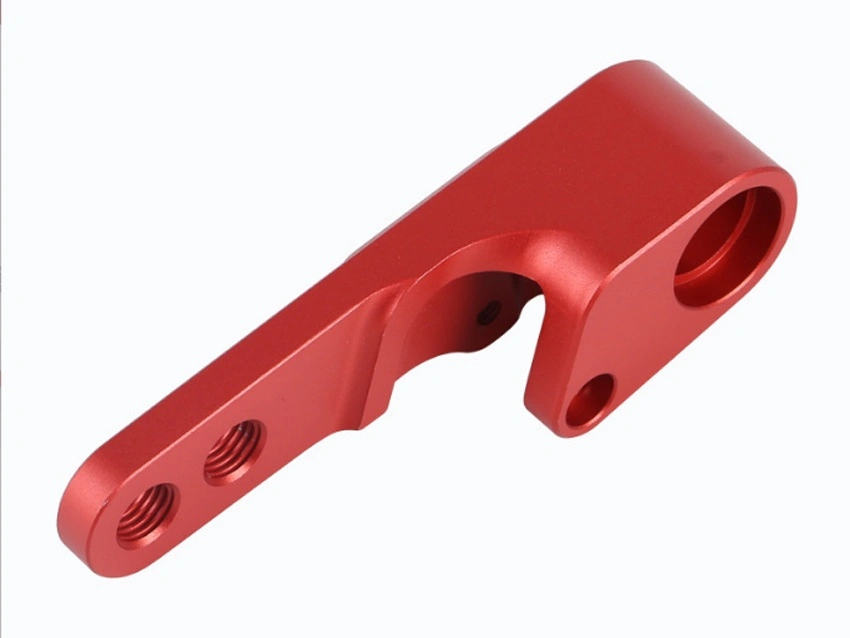
Decorative or protective anodizing can improve surface hardness and corrosion behavior, but the oxide affects bores, slots, threads, sealing faces, and sliding fits. The drawing should define the finish, masking or plugging, and whether each critical dimension is accepted before or after anodizing.
3. When Stainless Steel Justifies Its Cost
Stainless steel is better when its grade-specific stiffness, strength, temperature behavior, or corrosion performance solves a requirement that aluminum cannot meet economically. SUS304 and SUS316 are common austenitic choices, but 316 is not immune to chloride pitting or crevice corrosion. Medium, concentration, temperature, surface condition, cleaning chemistry, and crevice geometry belong in the material review.
Stainless steel has a much higher elastic modulus than aluminum, so the same geometry generally deflects less under equal elastic loading. Wear performance still depends on hardness, contact pressure, lubrication, surface finish, and the mating material. Stainless-on-stainless sliding or threaded contacts can gall, so the design may need a different grade pair, coating, lubricant, insert, or verified assembly procedure.
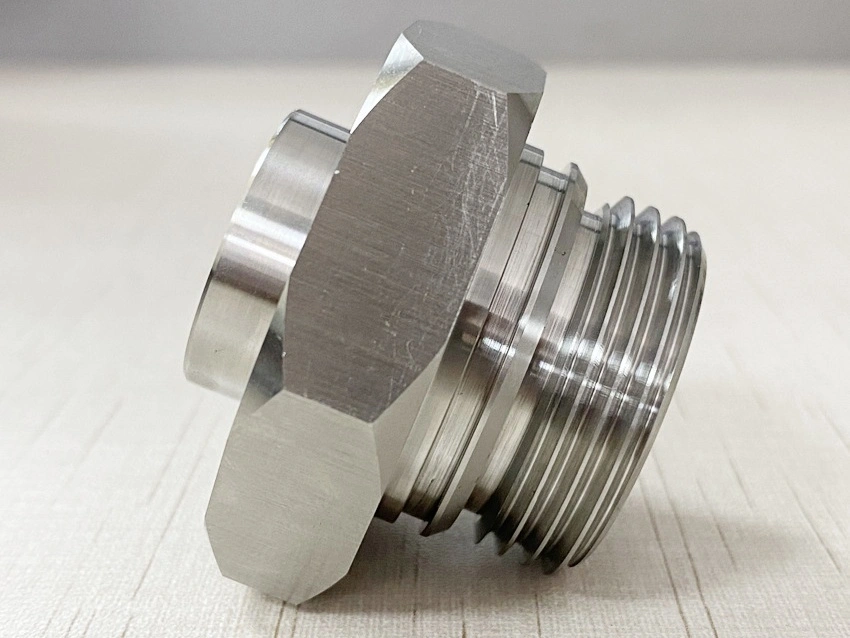
Machining austenitic stainless steel also requires control of work hardening, heat, tool wear, burrs, and residual stress. Those effects can change edge condition, thin-wall stability, and inspection time. The stainless steel CNC machining guide provides process background; the RFQ still needs the exact product form, condition, finish, critical datums, and inspection plan.
4. Compare Equal-Volume and Redesigned Parts
Aluminum usually wins an equal-volume mass comparison, while stainless steel usually wins an equal-geometry stiffness comparison. A useful decision compares two feasible designs under the same loads, safety factors, interfaces, finish, inspection, and production quantity. Otherwise, the quotation may reward the lighter raw material while hiding thicker walls, inserts, coating, or rework.
Decision Priority | Better Choice | Reason |
|---|---|---|
Low weight | Aluminum | Lower density; validate wall thickness, joint loads, deflection, and fatigue after redesign |
Lower machining cost | Aluminum | Often faster to mill, provided anodizing, distortion, burrs, and rejection do not erase the saving |
High corrosion resistance in harsh service | Grade-specific decision | Verify actual medium, temperature, crevices, galvanic contact, finish, and cleaning cycle |
Higher structural durability | Stainless Steel or redesigned aluminum | Compare load path, allowable deflection, fatigue, wear interface, section size, and mass |
Decorative colored finish | Aluminum | Anodizing offers color options; approve samples and inspect functional features after finish |
Hygienic and cleaning-intensive use | Specified Stainless Steel | Confirm grade, finish, cleanability, chemical exposure, documentation, and acceptance criteria |
5. Finish Changes the Acceptance State
Surface treatment can reverse an apparently simple material decision. Aluminum supports anodized finishes, while stainless steel supports passivation and electropolishing. Each process has a different purpose and cannot repair an unsuitable alloy, poor edge condition, trapped contamination, or a corrosion-prone geometry.
Dimensions, roughness, appearance, and edge condition must be tied to the correct acceptance state. The RFQ should identify pre-finish and post-finish requirements, masked surfaces, threaded gauges, sealing faces, sliding fits, visual limits, cleaning, and corrosion testing. Inspecting only the as-machined part leaves the buyer exposed to coating buildup, polishing removal, contamination, or handling damage.
6. Quick Application Screening
Application Type | Recommended Material |
|---|---|
Lightweight housings and brackets | Aluminum; verify stiffness, joint loads, wall movement, and final flatness |
Heat-dissipating structures | Aluminum; specify alloy, interface flatness, finish, and thermal contact condition |
Marine or chemical-contact components | Grade-specific review; state medium, chloride level, temperature, crevices, and galvanic couples |
Medical and sanitary fittings | Specified stainless grade; define surface finish, cleanability, documentation, and inspection |
High-volume cost-sensitive precision parts | Quote both feasible designs; compare cycle, tooling, finish, inspection, and rejection cost |
High-load wear-prone functional parts | Compare stainless grade/condition with redesigned aluminum, inserts, coating, and mating material |
7. Decide with RFQ Evidence
Choose aluminum when the validated design benefits from lower mass, faster milling, thermal conductivity, or anodizing. Choose stainless steel when the specified grade and condition provide needed stiffness, load capacity, temperature margin, cleanability, or corrosion performance. Neither choice guarantees wear, corrosion life, tolerance, or surface finish without the matching geometry and acceptance plan.
The RFQ should include the drawing, exact grade and condition, product form, service medium and temperature, load and deflection limits, mating materials, finish, masked features, critical datums, production quantity, and inspection state. Ask the supplier to compare total delivered cost and identify risks after unclamping, deburring, anodizing, passivation, electropolishing, cleaning, and assembly.