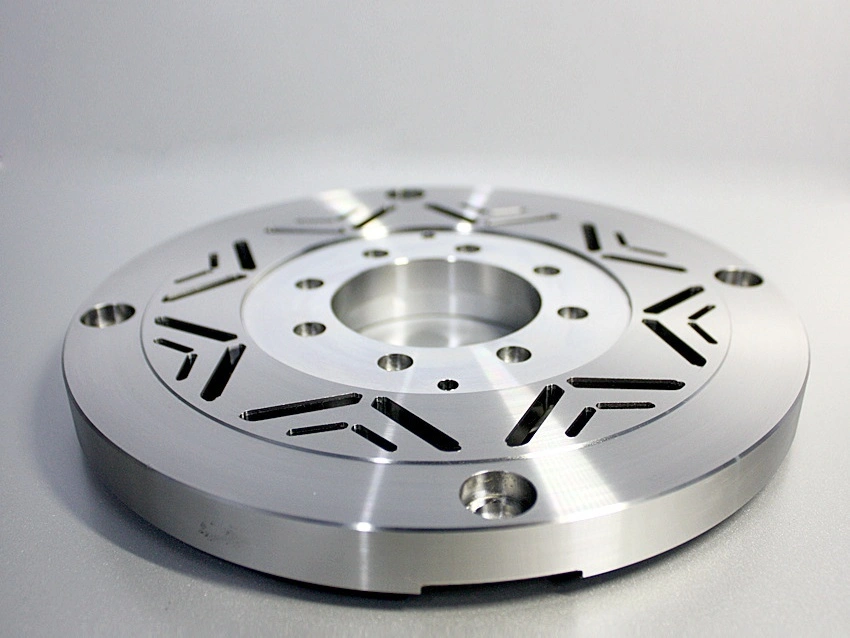
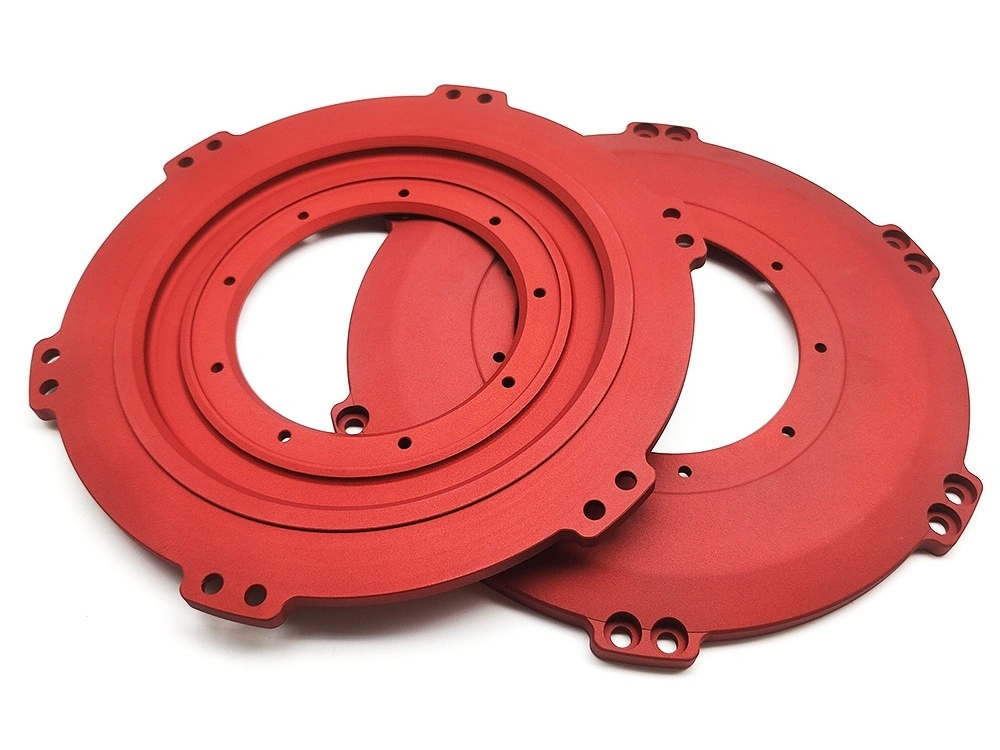
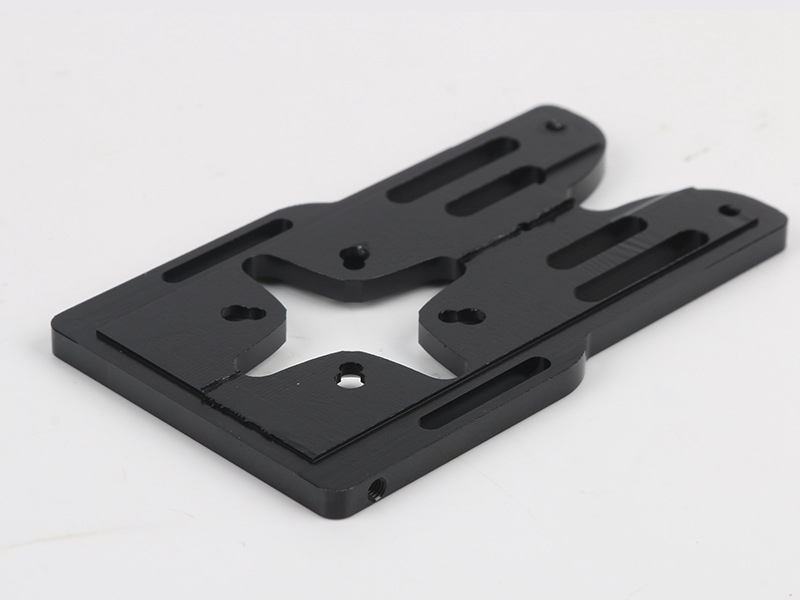
Best Materials for CNC Milling: A Buyer’s Guide to Metals and Plastics
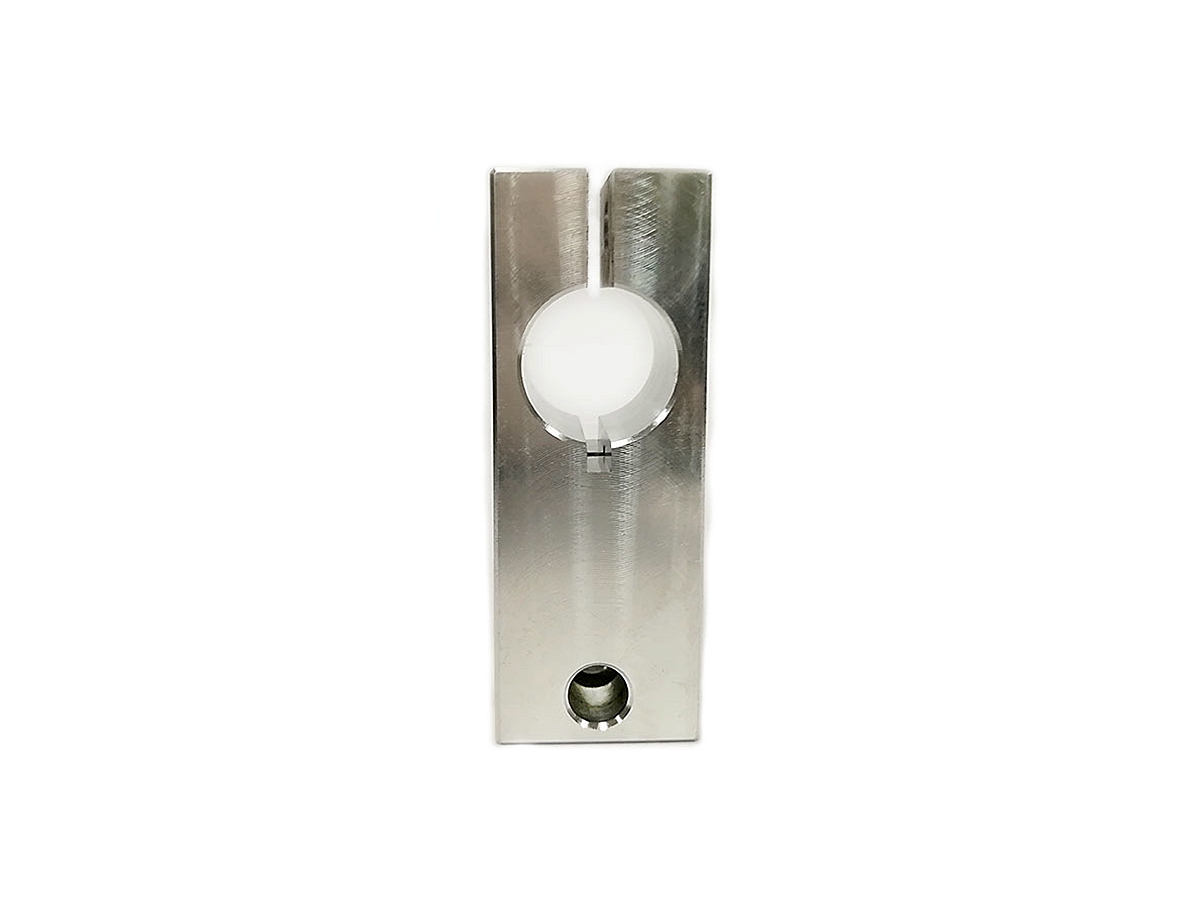 The best materials for CNC milling are aluminum alloys, stainless steels, carbon steels, titanium alloys, copper and brass alloys, and engineering plastics when the selected grade, stock condition, geometry, tolerance, finish, and operating environment match the machining plan. No single material is best for every CNC milled part. Aluminum may win on machinability and weight, stainless steel may win on corrosion resistance, titanium may win on strength-to-weight ratio, and plastics may win on insulation or low-friction behavior. Buyers should choose the material by the function that must pass inspection, not by material name alone. A loaded bracket, an electrical busbar, a transparent cover, and a sliding bushing can all be CNC milled, but each part asks a different material question.
This guide compares common CNC milling metals and plastics from a buyer’s point of view. It explains where each material family works well, where machining or inspection becomes risky, and what information belongs in the RFQ. The focus is material selection for machined parts, not casting, molding, additive manufacturing, or full product design. Final material approval still depends on the drawing, required standard, service environment, finish, inspection method, and any supplier-specific process review. A quote that compares only strength and price is incomplete because material behavior also affects setup strategy, burr control, tool wear, coating response, and acceptance inspection.
Key Considerations When Choosing CNC Milling Materials
When selecting materials for CNC milling, buyers should evaluate the part as a machining and service system. The material must support the cutting process, the finished dimensions, the surface condition, and the final operating load. A good material review starts with the drawing datums, critical features, inspection method, service environment, finish, and the reason the part is being machined instead of molded or cast.
Machinability: Easy-cutting materials reduce tool wear and cycle time, but machinability must be checked with geometry. Deep pockets, thin walls, small cutters, and tight burr limits can make an easy material difficult.
Mechanical Properties: Yield strength, tensile strength, hardness, stiffness, fatigue behavior, and creep resistance determine whether the part can hold load, threads, bearing seats, or long-term assembly pressure.
Thermal and Chemical Resistance: Heat, cleaning fluid, outdoor exposure, fuel, oil, moisture, and corrosion risk can eliminate otherwise attractive materials. Buyers should define the actual temperature range and contact media.
Surface Finish Requirements: Some materials respond well to anodizing, passivation, polishing, PVD coating, or bead blasting. Coating thickness, masking, edge break, and cosmetic standards should be decided before machining.
Application Environment: Medical, aerospace, electronics, energy, automation, and consumer products ask different questions about traceability, electrical insulation, weight, corrosion, and inspection documentation.
Cost and Availability: Raw material price is only one cost driver. Tool wear, setup count, finishing, scrap risk, inspection time, and stock availability can change the final quote more than price per kilogram.
Top Metals for CNC Milling
Aluminum Alloys
Aluminum alloys are often the first choice for CNC milling when a part needs low weight, good machinability, thermal conductivity, corrosion resistance, and a broad range of finish options. 6061 is a practical general-purpose alloy for prototypes, fixtures, brackets, and enclosures. 7075 gives higher strength, but it costs more and needs closer corrosion and finish review. Cast aluminum such as ADC12 or A380 can be machined after casting, but porosity, skin condition, and datum selection affect the final result. Thin aluminum walls may also move after unclamping, so fixture pressure and inspection timing should be reviewed.
Comparison of Common Aluminum Grades
Grade | Tensile Strength (MPa) | Machinability | Applications |
|---|---|---|---|
6061 | About 290 for common T6 references | Excellent; good chip control and stable finish on many geometries | Fixtures, enclosures, brackets, heat sinks, and structural parts with moderate load |
7075 | About 570 for common T6 references | Good; higher strength raises tool load and finish sensitivity | Aerospace, motorsport, robotic arms, and high-load components after corrosion review |
ADC12 (A380) | About 310 as a casting reference | Good after casting; porosity and datum quality must be checked | Die-cast housings, covers, consumer electronics, and secondary-machined cast parts |
Aluminum CNC machining is useful when buyers need fast prototypes, low weight, good finish response, and practical production cost. The RFQ should state the alloy, temper, surface finish, cosmetic faces, coating-sensitive dimensions, and any thin-wall features that may move after unclamping.
Stainless Steel
Stainless steels are suitable for CNC milled parts that need corrosion resistance, toughness, hygiene, pressure resistance, or a clean metallic surface. The machining challenge is work hardening and low thermal conductivity. The cutting edge must keep a positive feed, stable coolant access, and proper chip evacuation. Buyers should not choose stainless only because it is “strong.” The grade must match the corrosion environment, welding or cleaning requirement, and inspection plan. A small change from 304 to 316 may be justified in chloride exposure, but it can also change cost and machining behavior.
Popular Stainless Steel Grades
Grade | Tensile Strength (MPa) | Corrosion Resistance | Machinability | Applications |
|---|---|---|---|---|
SUS303 | About 520, depending on product form | Moderate; sulfur improves machining but can reduce corrosion performance | Excellent for stainless when free-machining behavior is allowed | Machined fittings, shafts, fasteners, and parts where corrosion demand is moderate |
SUS304 | About 520, depending on standard and condition | High in many general environments | Moderate; work hardening risk must be controlled | Food, chemical, medical fixtures, housings, and general corrosion-resistant parts |
SUS316 | About 530, depending on standard and condition | Very high for chloride and marine exposure compared with 304 | Moderate; tool wear and burr control need planning | Medical, marine, chemical processing, valve, and fluid-contact components |
Stainless steel CNC machining suits parts that must keep strength and corrosion resistance after machining. Buyers should specify grade, surface finish, passivation need, burr limits, and whether inspection occurs before or after cleaning or finishing.
Titanium Alloys
Titanium alloys are selected when high strength-to-weight ratio, corrosion resistance, and biocompatibility matter more than raw material cost and machining speed. Ti-6Al-4V is widely used, but titanium holds heat near the cutting zone and can damage tools if engagement is not controlled. Thin walls can also move after roughing. Titanium should be chosen when its performance is needed, not as a premium substitute for aluminum or stainless steel. A buyer should also confirm whether the application requires traceable medical or aerospace-grade material.
Key Titanium Grade
Grade | Tensile Strength (MPa) | Density (g/cm³) | Machinability | Applications |
|---|---|---|---|---|
Ti-6Al-4V | About 900 for common references | 4.43 | Low; heat control, rigid setup, and toolpath planning are critical | Aerospace brackets, lightweight fixtures, medical-grade components, and heat-exposed parts when grade approval allows |
Ti-6Al-4V machining should be quoted with the exact grade, bar or plate condition, critical wall thickness, thread requirements, inspection method, and finish requirements. Buyers should expect higher machining cost than aluminum because tool wear and process validation carry more weight.
Copper and Brass
Copper and brass alloys are selected for conductivity, thermal transfer, corrosion behavior, and good machinability in selected grades. Pure copper can be gummy and may require sharp tools, chip control, and careful burr management. Brass C360 is very machinable, but lead content or compliance restrictions may affect grade choice. Buyers should confirm whether electrical conductivity, RoHS compliance, plating, or thread quality is the main decision factor. For busbars and heat-transfer plates, surface scratches and flatness can matter as much as the nominal alloy.
Copper and Brass Grades Overview
Material | Tensile Strength (MPa) | Conductivity (% IACS) | Machinability | Applications |
|---|---|---|---|---|
Copper C101 | About 220, depending on temper | Above 101 in high-conductivity references | Moderate; burrs, heat, and surface marking need control | Busbars, contacts, thermal plates, heat exchangers, and electrical parts |
Brass C360 | About 345, depending on temper | About 28 as a typical reference | Excellent; chip breaking and thread quality are strong advantages | Valves, fittings, precision gears, inserts, and decorative mechanical assemblies |
Copper machining is important for electrical and thermal parts, while brass machining supports fittings, inserts, and mechanical assemblies. The RFQ should state conductivity targets, compliance needs, plating, and any sharp-edge or burr requirement.
Carbon Steel
Carbon steels are used when strength, wear resistance, weldability, or cost matters more than natural corrosion resistance. 1018 can be a practical low-carbon option for shafts, supports, and fixtures. 4140 can provide higher strength after heat treatment, but quench and temper condition must be specified. Carbon steel usually needs coating, plating, oiling, black oxide, or another corrosion-control plan. Heat treatment can also change size or straightness, so the inspection sequence should be defined.
Common Carbon Steel Grades
Grade | Tensile Strength (MPa) | Surface Treatment Required | Applications |
|---|---|---|---|
1018 | About 440, depending on product form | Usually yes when corrosion or appearance matters | Shafts, fasteners, supports, brackets, fixture plates, and general mechanical parts |
4140 | About 655 or higher after suitable heat treatment | Yes; quench and temper condition plus coating should be defined | Tooling, gears, industrial shafts, wear parts, and higher-load components |
Carbon steel machining can be cost-effective for load-bearing parts, but buyers should not forget corrosion protection, heat treatment, post-machining distortion, and inspection after finishing.
Top Plastics for CNC Milling
Acetal (POM / Delrin)
Acetal is a stiff, low-friction engineering plastic used for gears, bushings, valve parts, rollers, and sliding components. It machines well and absorbs less moisture than nylon, so it can hold dimensions better in many shop and service conditions. The limitation is that plastic still responds to clamping force, heat, and long-term load differently from metal. Acetal is often a strong candidate when metal would be too noisy, too heavy, or electrically conductive.
Property | Value |
|---|---|
Tensile Strength | About 70 MPa, depending on grade and conditioning |
Water Absorption | Below 0.2% in common reference conditions |
Best Use | Bushings, gears, valve bodies, rollers, spacers, and low-friction wear parts |
Acetal CNC machining is useful when low friction, low moisture absorption, and stable mechanical behavior matter. Buyers should define bearing load, mating material, lubrication, and whether parts will be measured after conditioning.
PEEK (Polyether Ether Ketone)
PEEK is a high-performance thermoplastic for demanding CNC milled plastic parts. It can handle higher heat and chemical exposure than many common plastics, but the material cost is high. PEEK should be selected when the operating environment justifies it, such as high-temperature fixtures, semiconductor components, medical-grade parts, or chemical-contact parts under controlled specifications. Buyers should also confirm whether virgin, glass-filled, or carbon-filled PEEK is required.
Property | Value |
|---|---|
Tensile Strength | About 100 MPa, depending on grade and reinforcement |
Temp Resistance | Up to about 250°C for selected continuous-use references |
Best Use | Aerospace, medical, semiconductor, energy, and chemical-contact components when grade approval supports the use |
PEEK machining should be specified with grade, color, reinforcement, thermal exposure, chemical exposure, and inspection condition. Buyers should confirm whether an expensive PEEK part is truly needed or whether acetal, nylon, PTFE, aluminum, or stainless steel meets the same function.
PTFE (Teflon)
PTFE is chosen for very low friction, chemical resistance, sealing behavior, and non-stick contact. It is not chosen for stiffness. The material is soft and can deform during clamping, machining, inspection, and long-term service. PTFE needs careful support, generous datum planning, and realistic tolerances for thin or flexible features. If a metal housing holds a PTFE insert, the material pair should be checked as an assembly.
Property | Value |
|---|---|
Melting Point | About 327°C as a material reference |
Coefficient of Friction | About 0.04 in selected reference conditions |
Best Use | Seals, gaskets, chemical liners, low-friction pads, and non-stick contact parts |
PTFE machining is suitable for chemical and low-friction applications when the drawing accepts flexible-material behavior. Buyers should review tolerance zones, compression, storage condition, and whether inspection happens before or after relaxation.
Nylon (Polyamide)
Nylon is a cost-effective engineering plastic with good impact resistance, wear behavior, and low-friction performance in many mechanical applications. It is useful for rollers, spacers, wear plates, and guide components. The main buyer risk is moisture absorption. Humidity can change dimensions, weight, stiffness, and final fit, so dry and wet service conditions should be discussed. Nylon is a poor choice when the drawing assumes dry dimensions but the part will work in moisture.
Property | Value |
|---|---|
Tensile Strength | About 75 MPa, depending on grade and conditioning |
Moisture Absorption | About 1.5-3% for common references, depending on grade and environment |
Best Use | Rollers, spacers, wear plates, guides, bushings, and low-noise mechanical parts |
Nylon CNC machining is best reviewed with humidity, load duration, mating surface, and measurement condition. Buyers should avoid approving tight fits from dry inspection alone when the part will work in a humid environment.
PMMA (Acrylic)
PMMA, also called acrylic, is selected for transparent panels, windows, optical covers, displays, and cosmetic parts. It can polish well and transmit light, but it is more brittle than many engineering plastics. Cracking, edge chipping, tool marks, and stress from fasteners must be considered during design and machining. PMMA is usually a visual and optical material first, not a structural material.
Property | Value |
|---|---|
Transparency | About 92% light transmittance for clear reference grades |
Tensile Strength | About 70 MPa, depending on grade |
Best Use | Optical housings, panels, displays, guards, covers, and clear cosmetic components |
Acrylic CNC machining is useful when transparency and polished appearance matter. Buyers should define optical faces, acceptable tool marks, edge polish, screw loads, and packaging protection because cosmetic damage can decide acceptance.
Final Thoughts: Match Material to Application
Selecting the best material for CNC milling means matching the part’s function to material behavior, machining risk, finishing needs, inspection rules, and purchasing constraints. For a quick prototype, aluminum 6061 or acetal may be the most practical answer. For corrosion, stainless steel or titanium may be safer. For conductivity, copper or brass may be required. For insulation or low friction, plastics can outperform metals. A practical engineering example is a small pump manifold with threaded ports, a sealing face, and a cosmetic cover. Aluminum may reduce cost and machine quickly, but anodizing can affect threaded and sealing features. Stainless steel may improve corrosion resistance, but work hardening and burr removal need more control. PEEK may reduce weight and improve chemical compatibility, but thread strength and material cost need confirmation. The correct choice is the material that passes the actual drawing and service requirement with the lowest avoidable risk.
At Neway, buyers can make the material review more effective by sending the 3D model, 2D drawing, target material or allowed substitutes, stock condition, surface finish, critical tolerances, annual quantity, and operating environment. The supplier workflow should connect material sourcing, roughing strategy, stress or unclamping risk, deburring, finishing, and final inspection before production release. That information helps compare metals and plastics by engineering outcome rather than by a simple material list. If the drawing has high-risk features, the RFQ should flag thin walls, deep pockets, press fits, sealing lands, small threaded holes, cosmetic surfaces, and any feature measured after coating or conditioning. For comparison quotes, buyers should ask suppliers to explain the material risk difference, not only the unit-price difference, including the feature that controls acceptance before quoting.
FAQs:
What is the most cost-effective material for CNC milling prototypes?
How does material hardness affect CNC milling speed and tool life?
Can I use the same material for prototyping and final production?
What surface finishes are compatible with aluminum vs stainless steel?
How do I choose between plastic and metal for CNC milled parts?