Metal vs Plastic CNC Machining: The Ultimate Material Selection Guide
Introduction
Metal vs plastic CNC machining is a material-selection decision, not a simple price comparison. Metals are usually the safer choice for structural load, heat, wear, threaded strength, datum stability, and production-intent validation. Plastics are often better for weight reduction, electrical insulation, corrosion resistance, chemical exposure, low-load motion, and early form-fit prototypes. The right choice depends on the part function, operating environment, tolerance target, surface finish, inspection method, and RFQ evidence. A low-cost material can become expensive if it forces redesign, coating, tight tolerance control, or another prototype loop. A high-cost metal can be justified when it prevents invalid test results or field failure. This guide compares materials as a buyer decision tool. It explains where each material family works, where each family fails, and what a supplier needs before quoting a CNC part.
Explore the unique strengths of metal CNC machining services and the versatility of plastic CNC components for diverse manufacturing needs. Use the comparison as an RFQ checklist. Before selecting a material, define the mating parts, critical dimensions, service temperature, load path, chemical exposure, finish state, and inspection evidence. If the part is still in prototype stage, decide whether the prototype must prove appearance, assembly, mechanical performance, thermal behavior, or the final production process. Metal and plastic can both be correct, but they answer different questions.
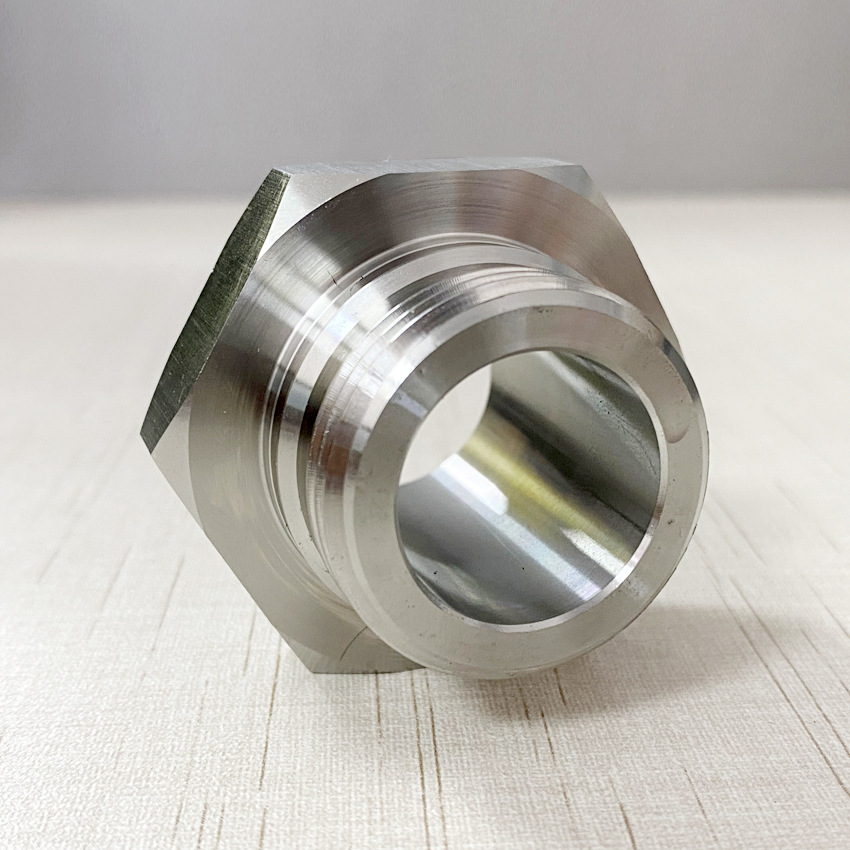
Metal CNC Machining Materials: Strength, Heat Resistance, and Load-Bearing
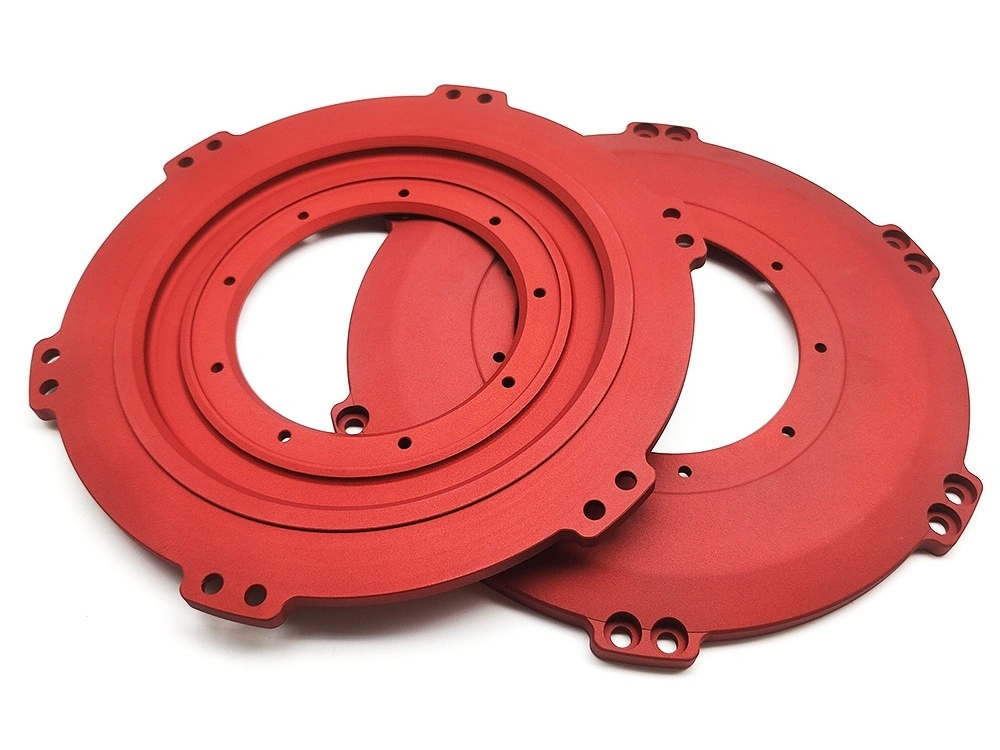
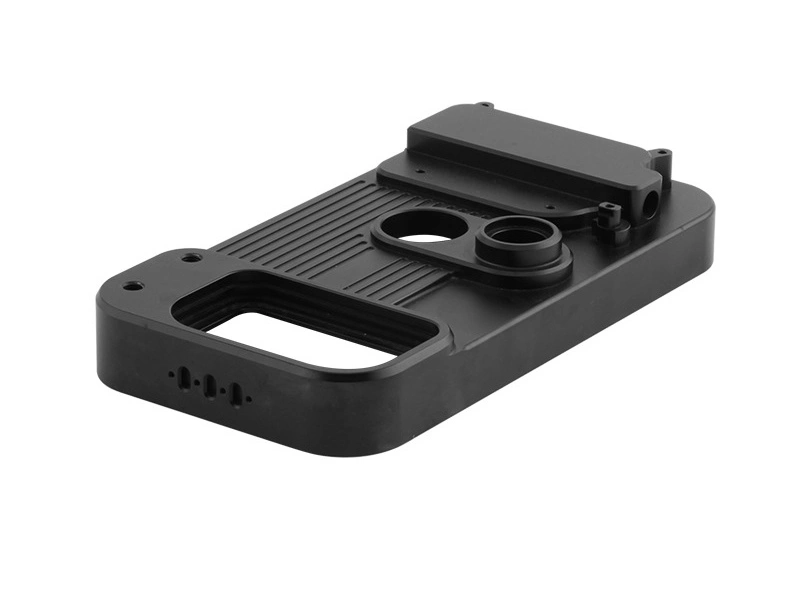
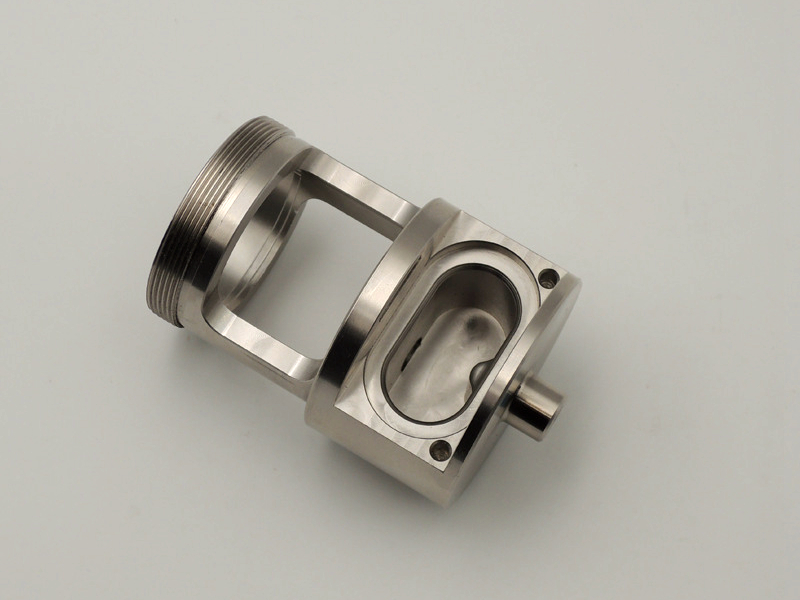
Metal CNC machining is best suited for parts that must carry load, resist heat, hold threads, maintain tight datum relationships, or survive wear and fatigue. Common choices include aluminum, stainless steel, titanium, copper alloys, nickel alloys, and other superalloys. The material name alone is not enough. Grade, temper, heat treatment, stock form, residual stress, corrosion environment, and inspection temperature can change machining risk and final performance. Aluminum can be light and machinable, but long thin features can still move after unclamping. Stainless steel can resist corrosion, but burr control and work hardening matter. Titanium and nickel alloys can support demanding service conditions, but cutting heat, tool wear, and feature access must be planned before quoting.
Commonly Used Metal Materials for CNC Machining
Material | Yield Strength (MPa) | Thermal Conductivity (W/m·K) | Density (g/cm³) | Notable Applications |
|---|---|---|---|---|
Aluminum 6061-T6 | About 276, depending on standard and condition | About 167; useful for heat-spreading designs | About 2.7 | Robotics frames, covers, electronics housings, fixture plates |
Stainless Steel SUS304 | About 215 for common annealed data-sheet values | About 16.2; lower heat flow than aluminum | About 7.93 | Corrosion-resistant brackets, food-contact hardware, medical-adjacent parts |
Titanium Ti-6Al-4V | About 880 for common annealed bar data | About 6.7; heat stays near the cut | About 4.43 | Aerospace structures, weight-sensitive medical or industrial hardware |
Inconel 718 | High; heat treatment and specification control the value | Low compared with aluminum; cutting heat needs control | About 8.19 | High-temperature, corrosion, and fatigue-sensitive components |
Copper C110 (TU0) | Lower strength than most structural metals | About 385; strong electrical and thermal conduction | About 8.96 | Electrical connectors, heat-transfer parts, busbar prototypes |
Each metal grade should be selected for the requirement it protects, not only for the highest number in a data sheet. For example, Inconel 718 CNC machining may be justified for high-temperature or corrosion-sensitive service, but the RFQ should still define stock condition, heat treatment, critical dimensions, finish state, and inspection evidence. A superalloy that protects service life may also increase tool wear, cycle time, burr risk, and measurement cost. The buyer should ask which features make the alloy difficult and whether any nonfunctional geometry can be simplified.
Surface Treatments Enhance Metal Part Longevity
Surface engineering can improve corrosion resistance, wear behavior, appearance, and cleaning performance of metal CNC parts when the finish is matched to the alloy and function. Anodizing is commonly used on aluminum, but bores, threads, and sealing faces may need allowance or masking. For stainless steel and some corrosion-resistant alloys, electropolishing can improve exposed surfaces, yet it can also remove material from edges or fine details. The drawing should state whether dimensions apply before finishing, after finishing, or after masking. Without that timing, a part can pass machining inspection and fail after the final surface process.
Other protective coatings include:
PVD coatings for selected wear, appearance, or friction targets when mating faces and coating zones are defined.
Black oxide finish for steel parts when glare reduction, mild corrosion protection, and dimensional impact are acceptable.
Chrome plating for appearance, wear, or corrosion targets when buildup, masking, and post-plate fit are reviewed.
These treatments can extend part life when the base alloy, environment, and acceptance method support them. They should not be used as a late repair for wrong material choice, unrealistic tolerances, poor deburring access, or undefined corrosion exposure.
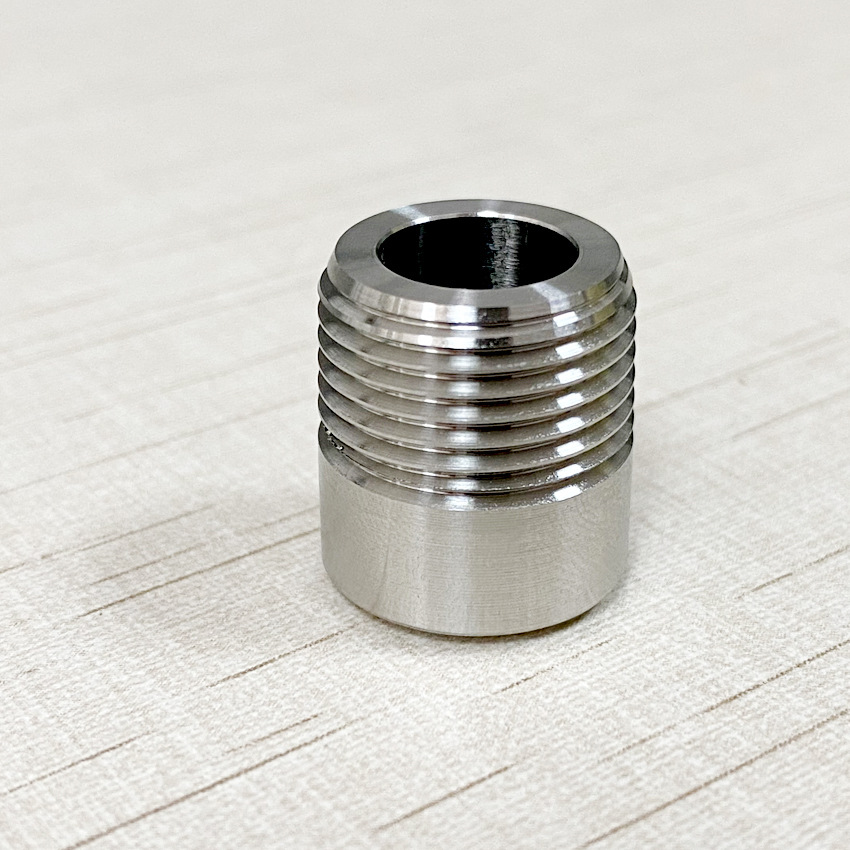
Cost and Machinability Considerations
Metals can deliver high performance, but cost depends on machinability, feature geometry, inspection level, and secondary operations. Aluminum and some copper alloys may machine efficiently, while stainless steel, titanium, nickel alloys, and hardened materials often need slower cutting, more tool monitoring, and tighter process control. A low raw-material price does not guarantee a low finished-part price if the design has deep pockets, thin walls, small internal radii, tight datums, or hard-to-deburr edges.
Titanium and superalloys can increase cycle time and tool wear, especially on thin features, interrupted cuts, and small internal corners.
Aluminum and brass can be economical for many mid-strength parts, but thread wear, surface finish, corrosion exposure, and thermal expansion still need review.
Selecting the right alloy requires balancing performance, machining stability, and acceptance evidence. For instance, CNC machining of aluminum 7075 may support high-strength lightweight components, but buyers should confirm stock condition, corrosion protection, fatigue-sensitive features, and whether the design really needs 7075 instead of a more machinable aluminum grade.
Plastic CNC Machining Materials: Lightweight, Cost-Effective, and Chemically Resistant
Plastics are strong candidates when the part needs weight reduction, electrical insulation, corrosion resistance, chemical compatibility, low friction, or fast prototype learning without injection mold tooling. CNC machining of plastics can support tight functional features, but plastics are not simply cheaper metals. Many polymers expand more with temperature, absorb moisture, creep under load, or deform under clamping pressure. Plastic selection should therefore start with service environment, wall geometry, load, finish, and measurement condition. For a non-load enclosure, plastic can reduce cost and weight. For a threaded structural bracket or heat-exposed fixture, plastic may create more validation risk than it removes.
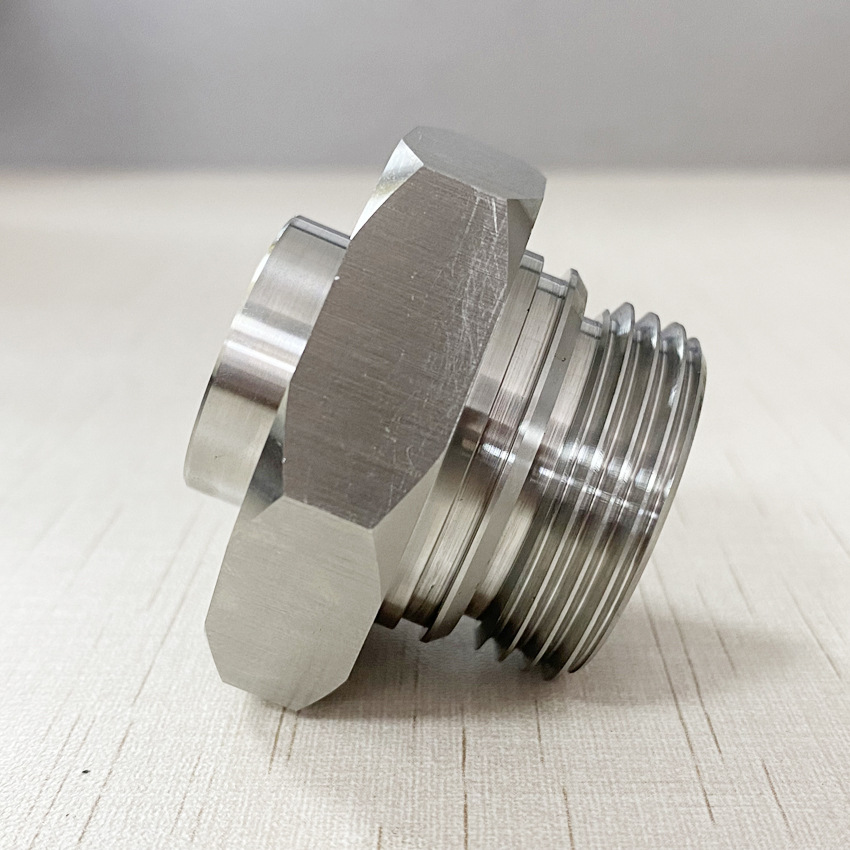
Common Plastics for CNC Machining
Material | Tensile Strength (MPa) | Operating Temp (°C) | Key Properties | Applications |
|---|---|---|---|---|
ABS | About 43, grade dependent | Moderate; confirm grade and heat exposure | Impact resistance, low prototype cost, good enclosure appearance | Consumer housings, form-fit prototypes, indoor covers |
Nylon (PA6) | About 75, strongly grade and moisture dependent | Moderate; conditioning affects fit | Wear resistance, toughness, moisture sensitivity | Gears, bushings, wear pads with clearance review |
POM (Delrin) | About 70 for many acetal grades | Moderate; check service temperature | Low friction, good machinability, better dimensional stability than many plastics | Cams, bearings, guides, precision plastic prototypes |
PTFE (Teflon) | Low; soft and creep-prone | High for chemical and thermal resistance | Chemical inertness, low friction, high expansion | Seals, insulators, chemical-contact components |
PEEK | High for a polymer; grade dependent | High among plastics; confirm grade and load | High strength, chemical resistance, elevated-temperature capability | Aerospace, medical, electrical, and demanding industrial parts |
Engineering plastics such as PEEK CNC machined parts can support demanding applications when the grade, temperature, load, sterilization or chemical exposure, and inspection method are defined. PEEK is not automatically the best plastic for every project. It may be over-specified for a simple cover and under-validated for a load-bearing medical or aerospace component. Buyers should compare PEEK against POM, PTFE, PC, nylon, ABS, and the metal alternative by test purpose, not by material reputation.
Surface Treatments for Plastic CNC Components
Although many plastics do not require surface treatment, enhancements such as UV coating, lacquering, and Teflon coating can improve appearance, weathering response, friction behavior, or chemical resistance when the base polymer already fits the requirement. For example, lacquering is often used on PC-ABS blends for protective gloss and appearance in consumer goods. Coating is not a substitute for an outdoor-grade resin, correct wall design, or stress-controlled machining.
Plastic parts can also be tumbled and deburred to reduce machining marks. The buyer should check whether tumbling affects small clips, sharp sealing edges, thin tabs, or cosmetic surfaces. Manual deburring may be safer for fragile plastic features.
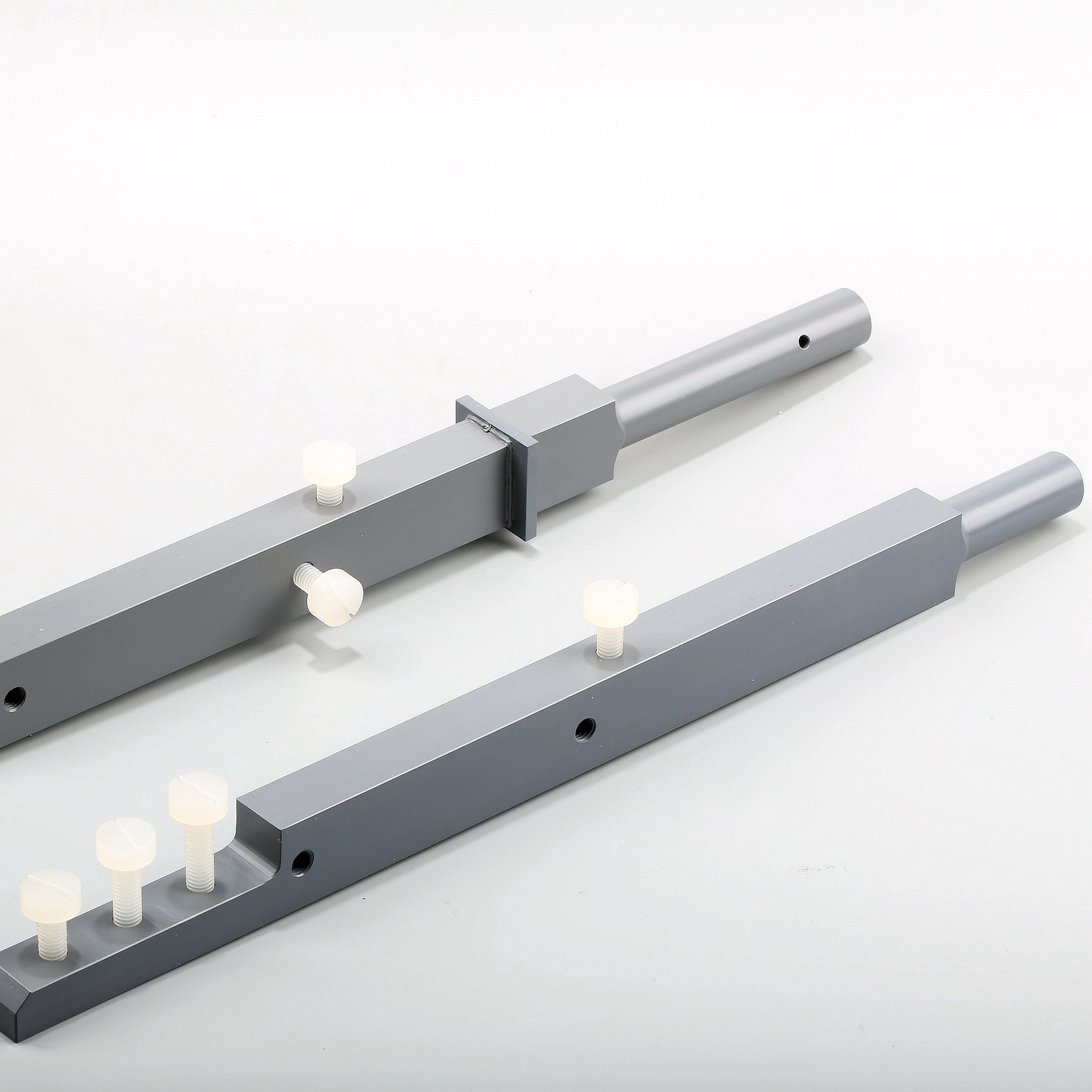
Cost Benefits and Lead Time Advantages
Compared with metals, plastics can reduce prototype cost and process risk when the part does not need high structural strength, heat resistance, production-intent surface treatment, or tight metal-like tolerances. The saving comes from lower cutting force, easier handling, simpler fixturing in some geometries, and avoiding mold tooling for small quantities. The saving disappears when plastic creep, thermal expansion, UV exposure, or coating requirements force repeated design loops.
Lower material cost in many concept prototypes, provided the selected grade answers the test requirement.
Shorter machining cycle time may be possible when the geometry is stable and burr control is simple.
Less demanding tooling can be acceptable for simple plastic features, but thin walls and tight datums still need process planning.
These advantages make plastic CNC machining useful for rapid prototyping services when the prototype is intended to check form, fit, routing, ergonomics, or low-load function. If the prototype must prove threads, load, sealing, heat, or final surface finish, metal may be the more useful prototype material even at higher unit cost.
For instance, the ABS plastic CNC machining process can support consumer-electronics housings and appearance prototypes when the environment, impact risk, and UV exposure are limited or protected. If the same enclosure needs outdoor service, the buyer should review PC-ABS, PC, UV coating, wall thickness, screw bosses, and drop-test conditions before choosing ABS.
Environmental and Regulatory Considerations
In medical, food-contact, electrical, and regulated equipment, material choice must be tied to the applicable compliance evidence. Medical-grade PEEK and PTFE may be considered when sterilization, chemical resistance, or biocompatibility-related requirements are relevant, but the buyer should confirm the exact grade, certificate needs, traceability, and cleaning method. A CNC supplier should not infer regulatory approval from a generic material name.
Meanwhile, applications in electronics may require plastics with a UL 94 V-0 flammability rating, which is often achieved with materials such as polycarbonate or PEEK. The RFQ should state the required rating, wall thickness, color, supplier certificate, and whether the machined part must keep the rating after cutting, threading, or finishing.
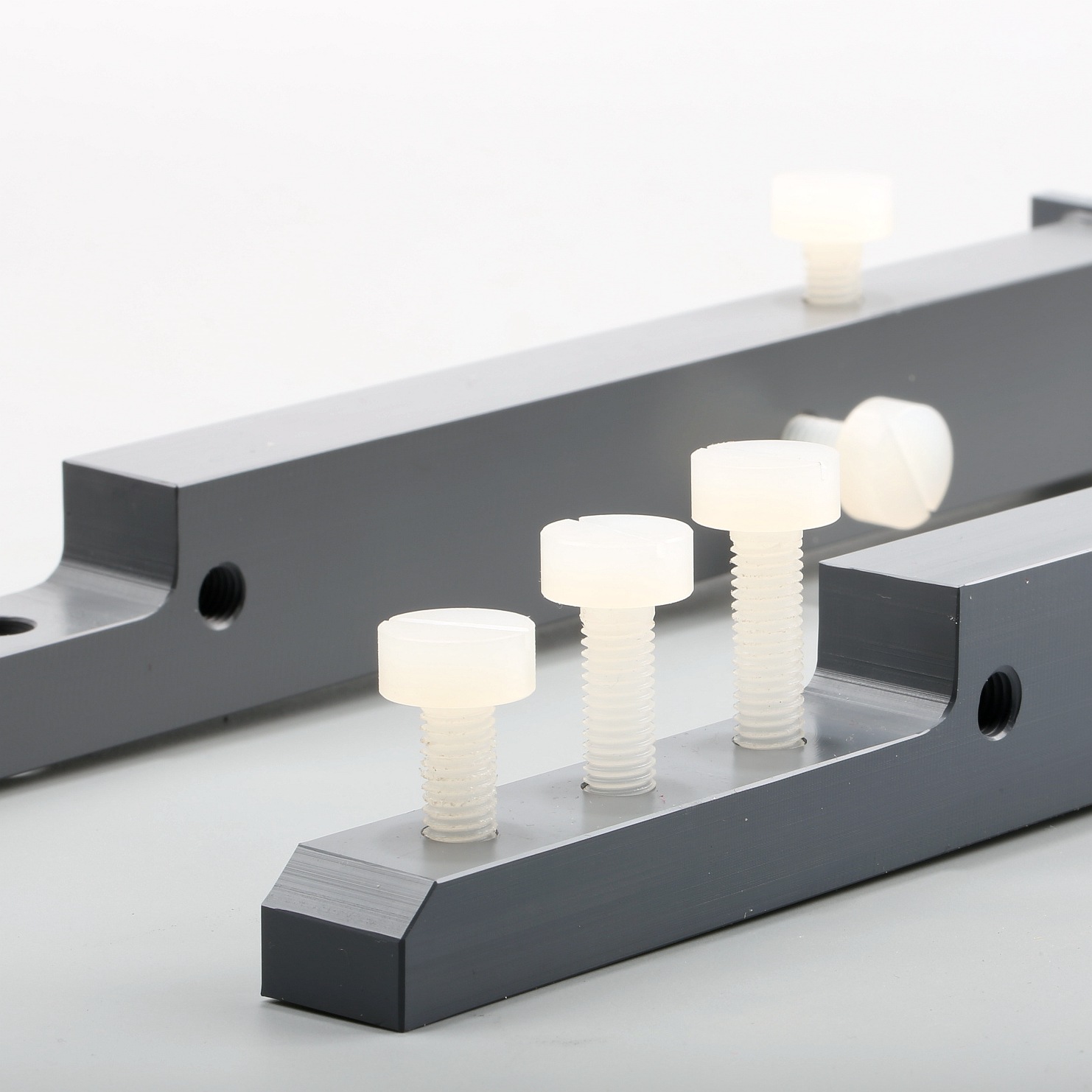
Comparative Performance Analysis: Metal vs Plastic CNC Components
The table below should be used as a first-pass comparison, not as a replacement for grade-level material data. The buyer should use it to decide which risks to test, which dimensions to protect, and which evidence to request from the supplier.
Property | Metal CNC Parts | Plastic CNC Parts |
|---|---|---|
Mechanical Strength | Usually higher; depends on alloy, heat treatment, section size, and direction of load | Usually lower; may be enough for covers, guides, low-load parts, and insulated features |
Thermal Resistance | Better for high-temperature service when alloy and heat treatment match the environment | Grade-limited; PEEK and PTFE can work in elevated-temperature niches with validation |
Chemical Resistance | Depends on alloy, passivation, coating, and chemical exposure | Strong for selected polymers such as PTFE, PEEK, PVDF, or acetal in compatible fluids |
Electrical Insulation | Conductive in most cases unless insulation is added by design | Often a key advantage when dielectric behavior, creepage, or isolation matters |
Machinability | Varies widely; aluminum is friendly, while titanium, stainless steel, and Inconel need control | Often easier to cut, but heat, clamping, burrs, and deflection can still create scrap |
Weight | Higher density; aluminum and titanium reduce weight compared with steel | Lower density; useful for handheld, moving, and weight-sensitive assemblies |
Corrosion Resistance | High with stainless steels, nickel alloys, or protective finishes when the environment is known | Often strong against moisture and many chemicals, but UV and temperature still matter |
Surface Finish Options | Broad choices such as anodizing, plating, polishing, passivation, and conversion coatings | More limited choices such as UV coating, lacquer, polishing, tumbling, and texture control |
Cost (Material + Machining) | Medium to high; driven by alloy, geometry, tolerance, tool wear, and inspection | Low to medium; driven by grade, deformation risk, finish, and validation loops |
Environmental Durability | Better for load, heat, fatigue, and mixed mechanical exposure | Better for insulation, corrosion-free service, moisture resistance, and selected chemicals |
For parts subjected to high mechanical load or thermal cycling, such as housings near heat sources or structural brackets, metals like Inconel 625 may be justified when the environment demands it. For lightweight electrical enclosures, chemical-contact components, or medical-adjacent prototypes, PTFE or Delrin (POM) may reduce weight and corrosion risk. The buyer should validate temperature, load, creep, moisture, and finish before treating a plastic substitution as equivalent to metal.
When to Choose Metal for CNC Machining
Choose metal CNC machining when the design decision depends on structural stiffness, high-temperature performance, threaded strength, fatigue resistance, wear, electrical conductivity, or production-intent acceptance. Metal is also safer when the part has small clearances against another metal part, critical datums, sealing faces, or inspection reports that must match final production. The choice should still be feature-specific. A metal part can contain nonfunctional pockets, cosmetic contours, or over-tight tolerances that raise cost without improving function.
Structural strength is required for load paths, brackets, housings, shafts, or chassis features.
Parts are exposed to high temperatures, such as turbine-adjacent, motor, exhaust, or heated equipment areas.
Fatigue resistance under cyclical stress is critical and the material condition can be verified.
Surface treatments like thermal coatings can improve wear or oxidation resistance when the coating zone and inspection timing are defined.
Study reference: Titanium CNC machining for aerospace structural parts is useful when buyers need to understand how Ti-6Al-4V balances load capacity, weight, tool access, and inspection planning.
When to Choose Plastic for CNC Machining
Choose plastic CNC machining when the design benefits from low weight, electrical insulation, corrosion resistance, chemical compatibility, quiet sliding motion, or low-volume prototype learning. Plastic is not automatically the budget answer. The designer still needs to review thermal expansion, moisture absorption, creep, clamping deformation, edge quality, and whether the part will be measured as-machined, after conditioning, or after finishing.
Electrical insulation is needed for housings, spacers, insulators, or isolation features.
Corrosion or chemical exposure can be severe, especially when a compatible polymer avoids coating or passivation.
Projects require low-weight parts and design changes during prototype or low-volume review.
The budget is constrained, and the part does not need metal-like strength, heat resistance, or threaded load capacity.
Application note: Nylon CNC machining may suit bushings or wear components when clearance, moisture conditioning, load, and surface finish are reviewed before approval.
Industrial Application Recommendations
Selecting between metal and plastic CNC machining should be aligned with the failure mode that matters in the target industry. The table below is a screening guide. It does not replace material certification, design validation, or buyer approval of functional risks.
Industry | Recommended Material | Rationale |
|---|---|---|
Aerospace | Use when strength-to-weight, heat exposure, fatigue, traceability, or first-article evidence controls the decision | |
Medical Devices | Review corrosion resistance, cleanability, sterilization route, documentation, burr control, and final finish | |
Oil & Gas | Match chemical exposure, pressure, temperature, creep, sealing load, and certification needs before selecting | |
Consumer Products | Choose by appearance, weight, thread durability, drop risk, finish state, and prototype learning objective | |
Automation & Robotics | Compare stiffness, mass, friction, wear pads, datum stability, lubrication, and replaceable component strategy |
CNC Material Selection Flowchart
Use this pathway for preliminary screening, then confirm the result with drawings, functional tolerances, material data, and supplier DFM feedback.
Will the part bear mechanical load?
Yes → Consider metal when stiffness, fatigue, thread load, or heat also matters
No → Proceed to 2 and check whether plastic creep or snap-fit stress still matters
Is electrical insulation necessary?
Yes → Choose plastic (e.g., PTFE, PC) after checking temperature, flame rating, and wall thickness
No → Proceed to 3 and compare weight, environment, and inspection needs
Is weight reduction a priority?
Yes → Use plastic or lightweight metal (e.g., Aluminum 6061) after checking stiffness and fastening loads
No → Consider stainless steel or superalloys when heat, corrosion, or fatigue dominates
Is the part exposed to chemicals or high moisture?
Yes → Plastic or corrosion-resistant metals (e.g., Hastelloy) may be appropriate after compatibility review
No → Choose based on cost/performance balance, tolerance, finish, and validation evidence
This decision-making model works best when combined with mechanical drawings and functional tolerances for accurate quoting. Buyers should include CAD, 2D drawings, material grade or allowed substitutes, operating environment, mating parts, finish requirements, expected quantity, critical dimensions, and required inspection reports.
Conclusion
There is no universal answer to whether metal or plastic is superior for CNC machining. Metal CNC machining is the safer default for structural load, heat, fatigue, tight datums, threaded strength, wear, and production-intent validation. Plastic CNC machining is often stronger for weight reduction, electrical insulation, corrosion resistance, chemical exposure, low-load motion, and early prototype learning. The best selection is the material that meets the part function with the lowest total risk across machining, finishing, inspection, assembly, and service conditions.
Buyers and engineers should treat material selection as a DFM review, not as a catalog choice. Ask which feature controls the decision. A seal groove, bearing bore, threaded insert, snap fit, visible cover, heat-exposed bracket, or chemical-contact spacer may each need a different answer. Surface treatments and design adjustments can help, but they cannot turn the wrong base material into the right one. A prototype is useful when it tests the risk that will decide the project.
Whether you require high-strength custom CNC metal parts or CNC plastic prototypes through CNC plastic prototypes, send the material grade, drawing, CAD model, tolerance priorities, finish state, environment, mating parts, quantity, and inspection needs before quoting. That information helps the supplier separate mandatory requirements from cost-saving material changes.
FAQs
What is the typical tolerance achievable in metal vs plastic CNC parts?
Are plastic CNC parts suitable for outdoor or UV-exposed environments?
Can I switch from metal to plastic in a design without changing tooling?
How does thermal expansion differ between metal and plastic CNC parts?
Which is more cost-effective for prototyping: plastic or metal CNC machining?