Which is more cost-effective for prototyping: plastic or metal CNC machining?
Material and Machining Cost Comparison
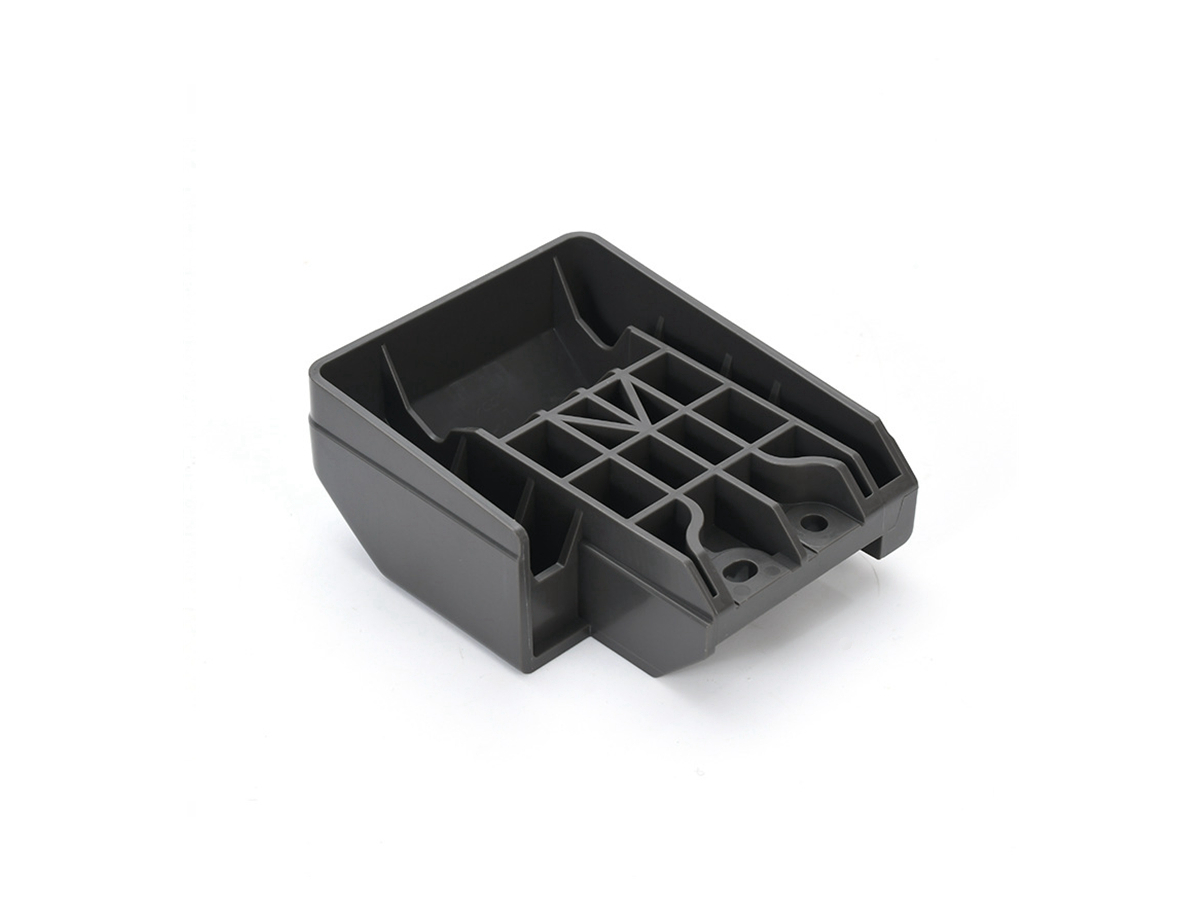
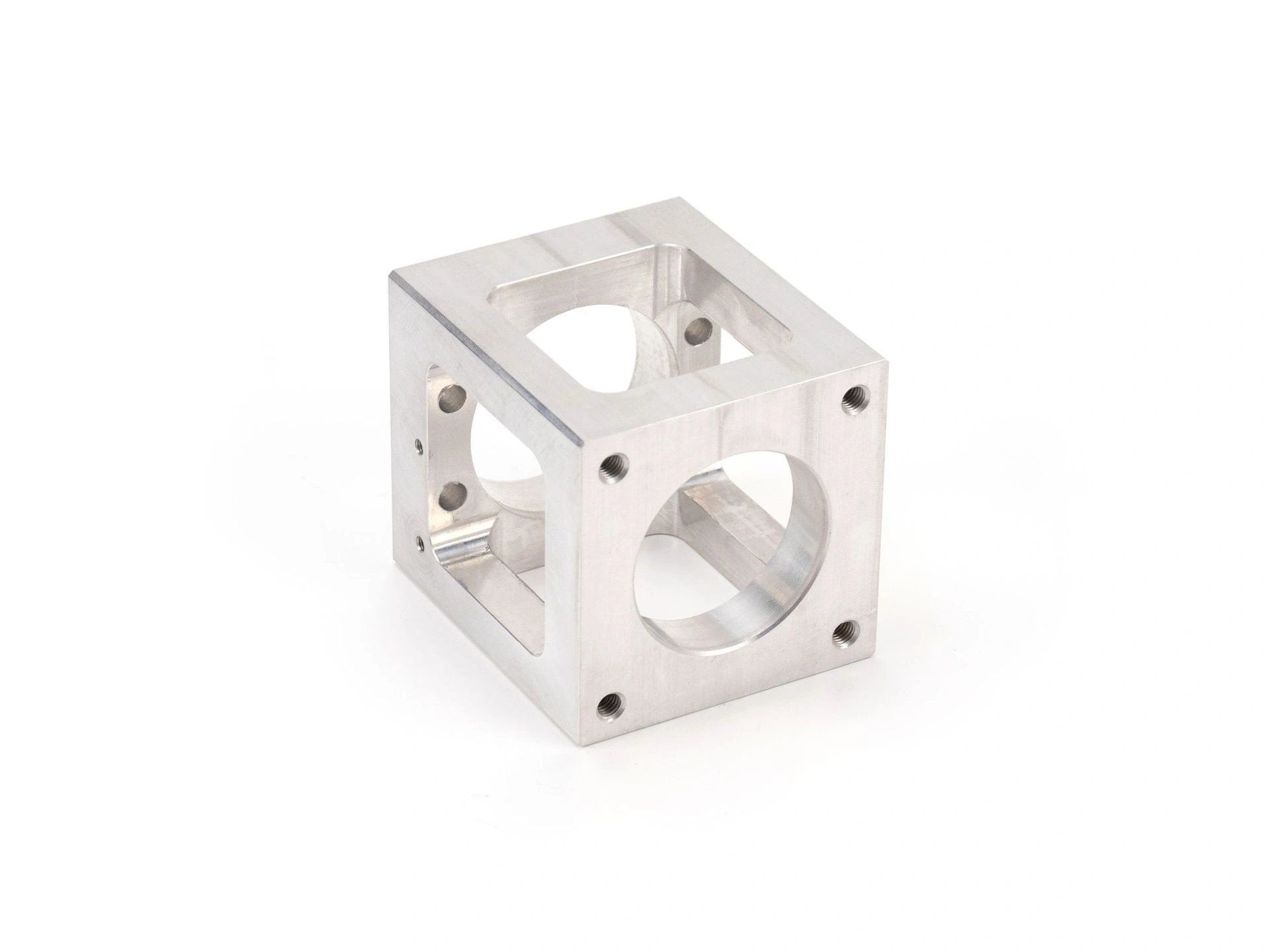
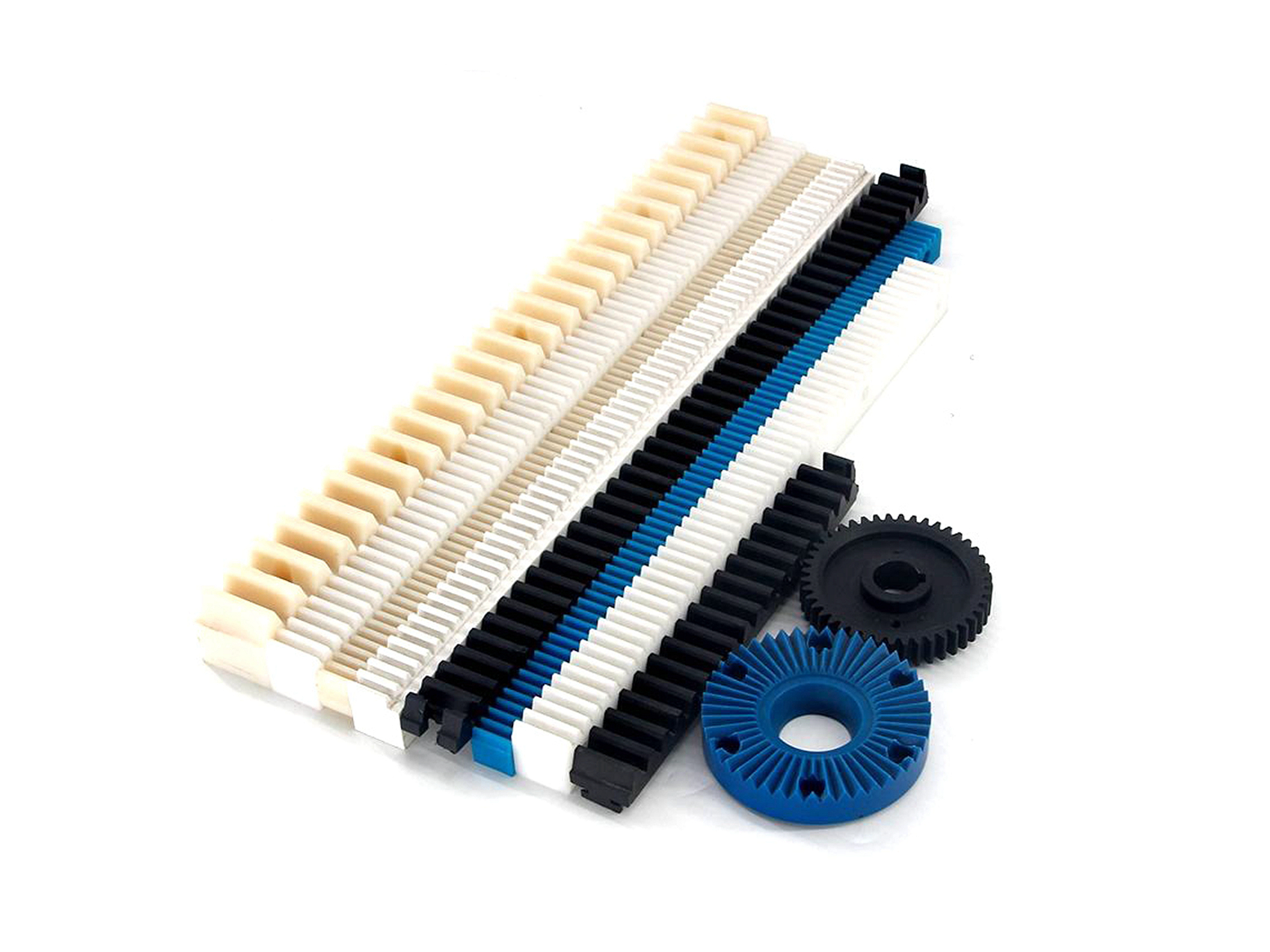
Plastic CNC machining is often more cost-effective for form, fit, handling, and low-load prototypes; metal is more cost-effective when the test must represent final stiffness, heat, wear, threads, sealing, or surface treatment. Compare the total cost of obtaining valid evidence, not material price alone. Acetal (POM), Nylon (PA), or ABS may suit a geometry or assembly check, subject to moisture, stress, and temperature limits. Aluminum 6061-T6 can be economical when metal stiffness, threads, thermal response, or a production-like finish matters. stainless steel SUS304 may justify more machining effort when corrosion, load, or final-material behavior is part of the test. Stock utilization also matters: a large plastic block may cost more than a compact metal blank, while a standard aluminum size can reduce waste. Inspection can dominate price when a concept drawing carries many production tolerances. Quote inputs should separate stock, programming, fixture, cycle, deburring, inspection, finish, and retest cost. A low-priced plastic part is not economical if invalid test data forces a second design loop.
Production Speed and Setup Efficiency
Plastic can reduce machining effort on some prototypes, but no fixed speed advantage applies across materials and geometries. CNC milling and CNC turning may use lighter cutting loads on plastics, yet flexible walls, stringy chips, heat, clamp distortion, or hand deburring can remove that benefit. multi-axis machining can reduce setups when related faces must stay in one coordinate chain, whether the stock is metal or plastic. 3D printing may cost less for an early envelope or access study when machined finish, isotropic stock behavior, and final-material properties are not being tested. Fixture reuse should be priced separately. Broad soft-jaw contact or support beneath a thin plastic floor can require a new fixture that exceeds the material saving. Conversely, a stable metal fixture may serve several iterations. Include CAM time, special jaws, first-off inspection, conditioning, and post-machining measurement in the comparison. A plastic prototype that needs delicate support and repeated dimensional checks may cost more than a simple aluminum part. Ask each supplier to identify the cost-driving feature instead of assuming that cutting speed determines the quote.
When Metal Prototyping Is Necessary
Use metal when substituting plastic would change the conclusion of the planned test. Aluminum 7075 can be relevant when the selected condition, strength, stiffness, or mass must match a later metal design. Ti-6Al-4V may be required for material-specific corrosion, strength-to-weight, or documented application requirements. Inconel 718 should be used only when its exact condition and high-temperature or corrosion behavior are part of the decision. Use production-intent metal before destructive, fatigue, thermal-cycle, or certification testing when a substitute would invalidate the result. Confirm material condition and certificate, not only the alloy family. An aerospace, automotive, or medical device label does not by itself require expensive stock; drawing, test, traceability, and regulatory requirements do. DFM can control cost by narrowing critical tolerances and deciding whether heat treatment or electropolishing, belongs in this test stage. Do not omit an operation that changes the property being validated.
Surface Treatment and Post-Processing Cost Impact
Finishing changes prototype economics when appearance, corrosion, wear, friction, or final dimensions are part of the approval decision. A metal prototype may need anodizing, powder coating, or chrome plating only if that finish affects the test. Masking, film build, polishing, reinspection, and rejected cosmetics can cost more than the coating line item. A one-piece prototype can require the same masking plan, color setup, racking decision, and inspection preparation as a larger batch. Separate those fixed activities from the per-part treatment price. Plastic is not automatically finish-free. PEEK can cost more than common prototype metals, while polycarbonate may need stress control, polishing, or UV protection for the intended review. Define the finish state, cosmetic zones, roughness where functional, masked features, and after-finish dimensions. Delay the finish only when the prototype decision does not depend on it; otherwise an unfinished sample can create a false cost saving and an invalid approval.
Cost-Effectiveness Summary by Prototype Stage
The lowest-risk prototype route often changes by stage. Use plastic or additive manufacturing for early spatial learning when the decision concerns envelope, access, cable routing, or basic assembly. Use the intended metal or an approved engineering equivalent when the decision concerns a load path, threaded joint, thermal interface, wear surface, seal, or production inspection method. When several units are needed, a low-volume manufacturing quote should state whether one setup and inspection plan can serve the full lot. A staged route can be cheapest overall: one plastic iteration for geometry, followed by one final-material build for function. For a sealed actuator cover, for example, plastic can expose interference and access errors, but metal may still be needed to validate thread preload, heat transfer, and finished sealing faces. The RFQ should state the decision for each stage, quantity, exact material or allowed substitute, finish, controlled features, inspection evidence, and destructive or assembly tests. Request separate quote lines for concept, functional, and final-material validation so each cost can be tied to the evidence it produces.