Can I switch from metal to plastic in a design without changing tooling?
Key Considerations Before Switching Materials
You can sometimes switch a CNC-machined design from metal to plastic without replacing every tool, but reusing the complete metal process is rarely justified without review and a first-off validation. The same CNC machine may remain suitable while cutters, soft jaws, clamp loads, feeds, cooling, deburring, or inspection support change. A setup for metal CNC machining can distort a plastic blank if its clamps depend on metal stiffness. Plastic can also expand with cutting heat, relax after material removal, creep under sustained load, or change with moisture. Start with the function rather than the existing program. A lightly loaded cover with generous clearance may retain more tooling than a bearing carrier, seal housing, precision datum plate, clip, or threaded joint. Identify which assets must be reused and why: the machine, cutter, holder, fixture, soft jaws, locating surfaces, NC program, or inspection fixture. Then define a release test for every reused item. If the free-state dimensions, surface condition, assembly fit, and loaded function are not verified on the exact plastic grade, the material switch is not ready for production.
Dimensional and Structural Differences
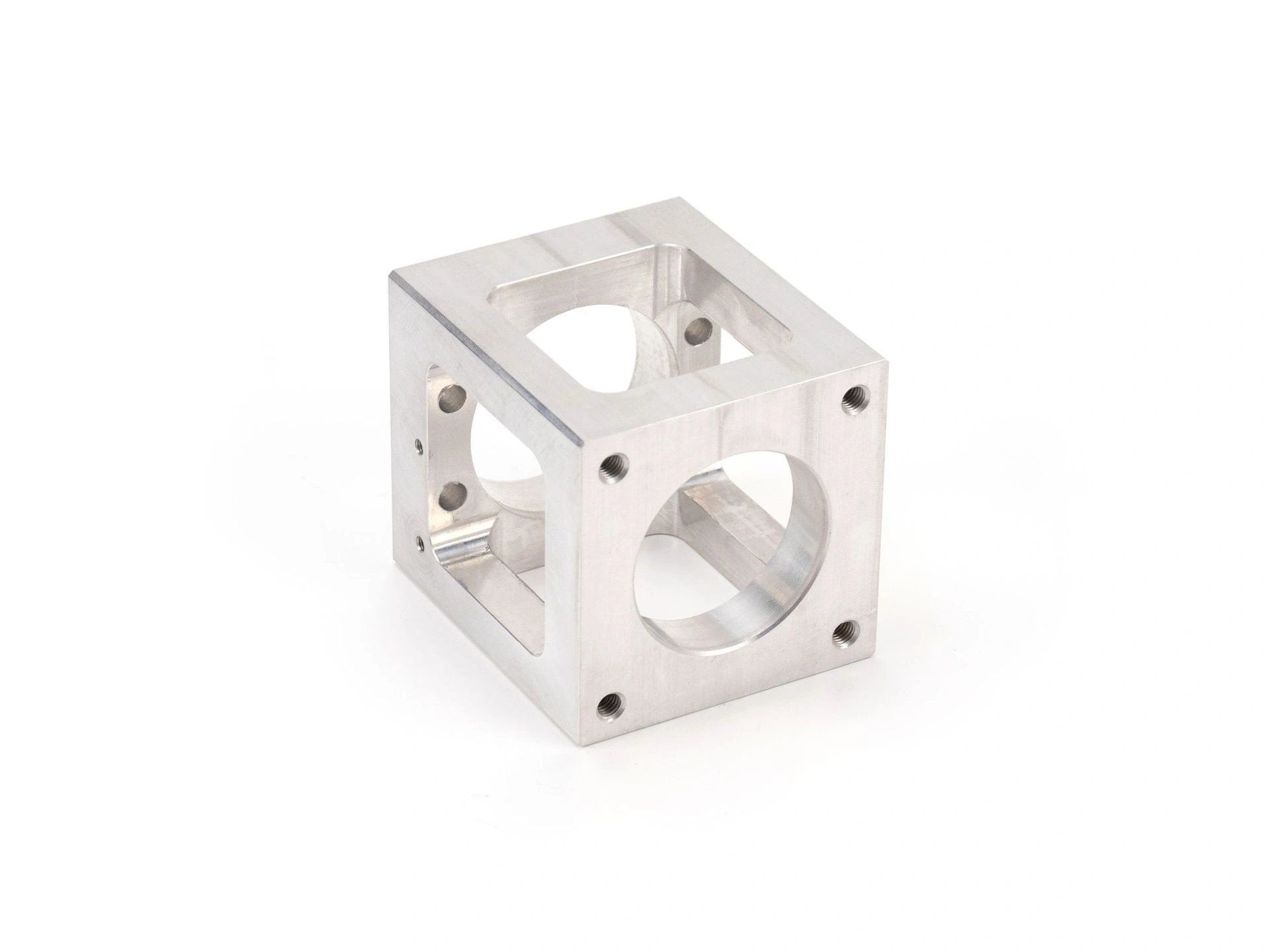
Changing from metal to plastic is a design and process change because stiffness, creep, thermal expansion, moisture response, and joint behavior can alter both the part and its datums. aluminum 6061-T6 and stainless steel SUS304 can support fixture loads that would deflect many unreinforced polymers. POM may suit dimensionally sensitive components, but wall thickness, press fits, and sustained load still control movement. Nylon needs an agreed moisture condition because a dry first-off part may not represent the service state. A reused metal fixture can hold the plastic part within size while clamped, yet the same feature may move after release. That failure is easy to miss if inspection occurs only in the fixture. Review section thickness, ribs, bosses, inserts, screw preload, bearing pressure, snap deflection, sealing faces, and datum stability. Measure critical features in the released condition after the agreed thermal or moisture conditioning, then repeat the assembly or load check that represents the original metal function.
Tooling and Cutting Adjustments
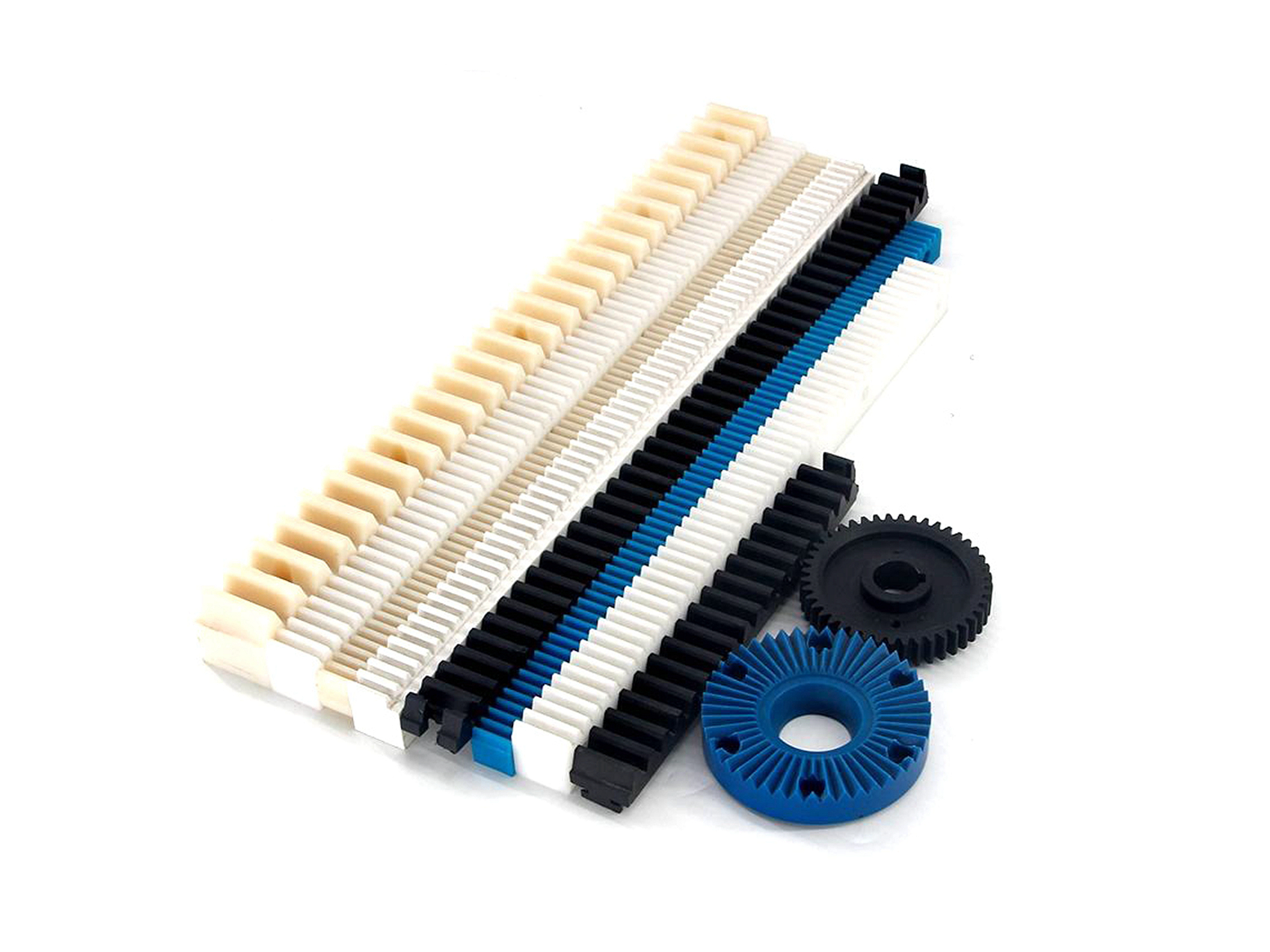
Cutter reuse is possible only when edge geometry, sharpness, chip evacuation, heat control, and work support suit the exact polymer and feature. A program for multi-axis metal machining may reach the required surfaces, but identical coordinates do not make its feeds, entry moves, stepdowns, or finishing passes suitable for plastic. A worn edge that still cuts metal acceptably can rub plastic, raise temperature, smear an edge, or leave a burr. Some metal-tool coatings and edge preparations are usable; others add no benefit or produce poor plastic surfaces. The decision must come from a controlled cutting trial, not the label “metal tool.” Check chip recutting in deep pockets, heat at thin walls, pullout around drilled exits, and support near small holes. Coolant compatibility also needs material-specific review because fluids can affect certain polymers or change the conditioning state. Freeze the approved cutter, edge condition, holder, fixture pressure, toolpath revision, heat-control method, and deburring route. First-off inspection should include dimensions after unclamping, burr and edge condition, surface damage, and assembly-critical features.
Surface Finishing and Post-Processing Compatibility
The metal finish cannot be carried onto plastic by changing only the material field on the drawing. anodizing is an electrochemical conversion process for aluminum, so an anodized aluminum requirement needs a different plastic performance specification. chrome plating also cannot be assumed to transfer as the same preparation and acceptance route. Plastic alternatives may include compatible UV coatings, lacquer finishes, polishing, texturing, or a molded-in color, depending on the resin and function. Define the required outcome first: appearance, UV resistance, chemical resistance, friction, wear, conductivity, or cleanability. Added film can reduce a bore, thicken a clip, bridge an edge, or change a sliding fit. Masking can create a coating step that affects assembly. Specify finish boundaries, masked features, thickness or appearance acceptance where applicable, and whether final dimensions are checked before or after finishing.
Industry Examples of Metal-to-Plastic Conversion
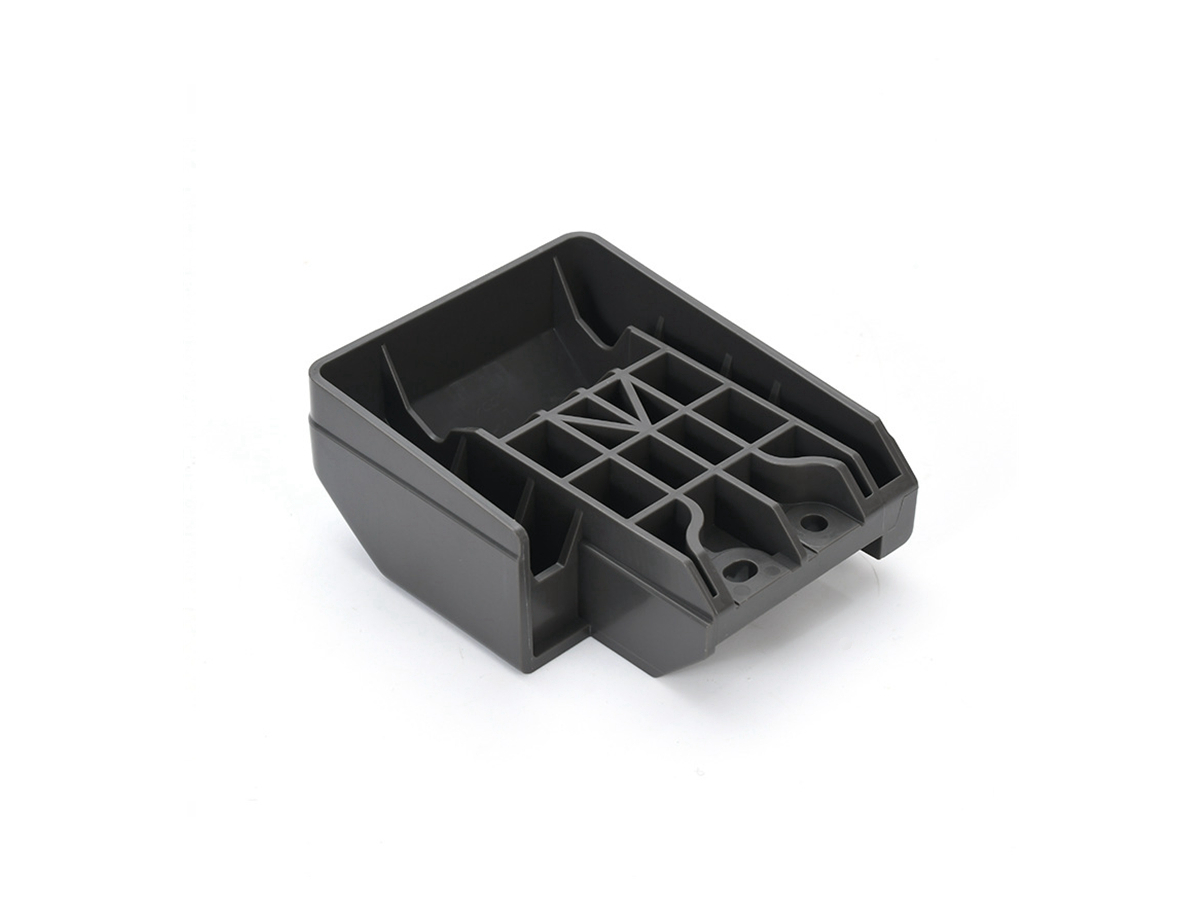
A metal-to-plastic conversion should be released by functional evidence, not by an industry example or a material reputation. In the automotive and consumer product industries, a housing decision may involve mass, corrosion, insulation, impact, fastener load, temperature, and appearance. PEEK can be a candidate where an exact grade has supporting thermal, chemical, and mechanical data; polycarbonate, may be considered for an impact-resistant cover when stress, chemicals, and UV exposure are controlled. In medical devices, sterilization method, biocompatibility requirement, cleaning chemistry, traceability, and edge condition must be specified rather than inferred from the word plastic. Send the original metal drawing, proposed plastic grade and stock form, required reused tooling, assembly loads, service environment, finish, controlled dimensions, and sample approval method with the RFQ. Include the same acceptance sequence in the purchase order so process changes trigger review. Approve the conversion only after the plastic sample meets the defined free-state, finished, assembled, and loaded requirements.