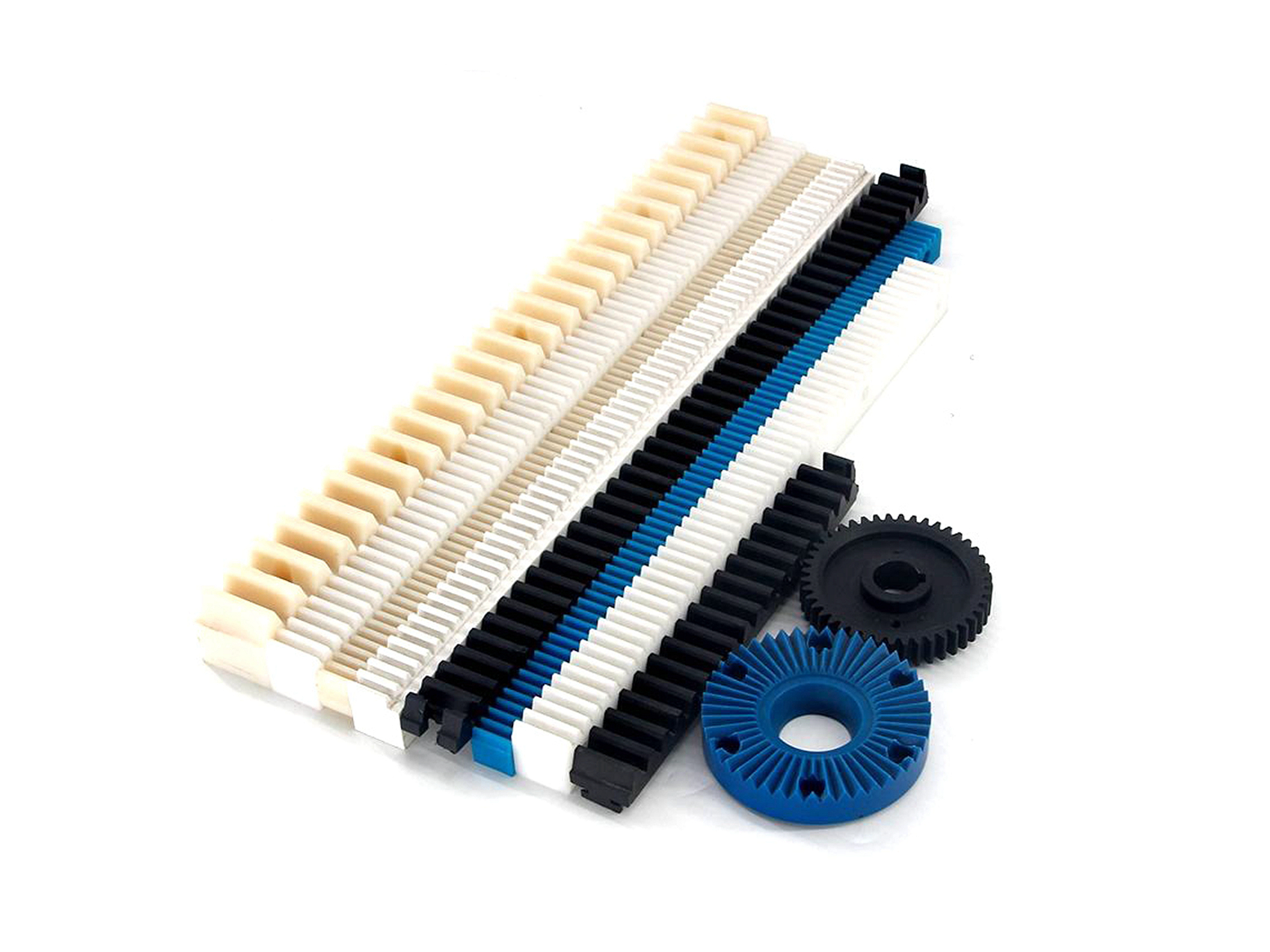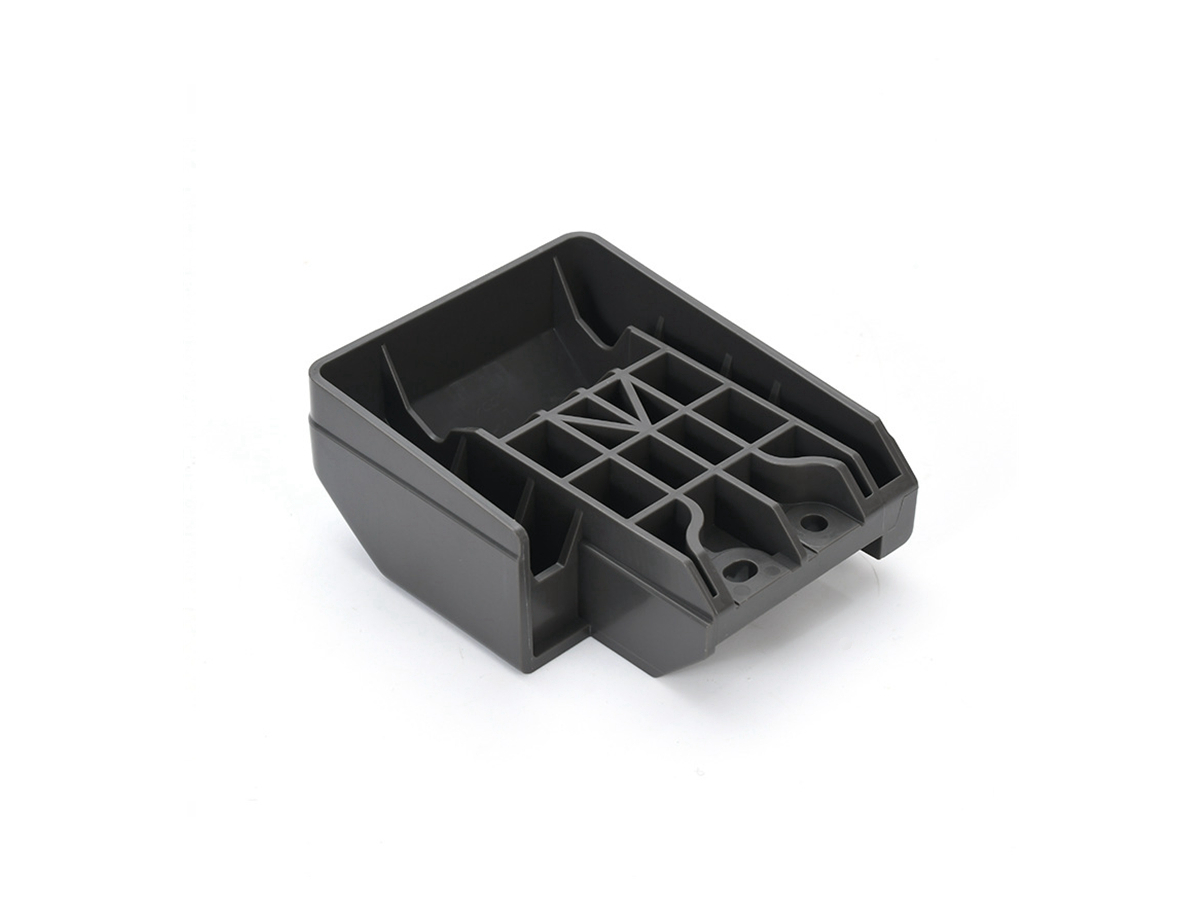
Plastics
Plastics CNC Machining Materials Introduction
Plastics represent a broad family of materials used in CNC machining when the design requires lower weight, electrical insulation, corrosion resistance, chemical stability, transparency, low friction, or reduced part cost compared with metal. Different plastic grades are tailored for very different roles, from simple prototype housings and consumer components to high-temperature aerospace insulators, medical device parts, chemical-resistant seals, and wear surfaces in automation systems.
In CNC machining, plastic materials are selected not as a single class but as a spectrum of performance options. This family includes common engineering and production plastics such as ABS (Acrylonitrile Butadiene Styrene), ABS/ Polycarbonate Blend (PC-ABS), Acetal (POM – Polyoxymethylene), Acrylic (PMMA), Delrin (Acetal Homopolymer), Fluorinated Ethylene Propylene (FEP), High-Density Polyethylene (HDPE), Methyl Methacrylate Butadiene Styrene (MBS), Nylon (PA – Polyamide), PEEK (Polyether Ether Ketone), Polycarbonate (PC), Polyester (PET/ PBT), Polyetherimide (PEI), Polyethylene (PE), Polyimide (PI), Polypropylene (PP), Polystyrene (PS), Polytetrafluoroethylene (FEP), Polyurethane (PU), Polyvinylidene Fluoride (PVDF), PTFE (Teflon), PVC (Polyvinyl Chloride), Styrene-Acrylonitrile (SAN), TPE (Thermoplastic Elastomer), and UHMW (Ultra-High Molecular Weight Polyethylene).
Plastics Similar Grades Table
The table below groups the covered plastic materials by typical engineering function and application tendency:
Plastic Category | Representative Grades | Typical Characteristics |
|---|---|---|
General Engineering Plastics | ABS, PC-ABS, Nylon, PC, PET/PBT, SAN | Good balance of strength, machinability, and general-purpose use |
Low-Friction / Wear Plastics | Acetal (POM), Delrin, UHMW, HDPE | Low friction, good sliding behavior, wear resistance |
Transparent / Visual Plastics | Acrylic (PMMA), Polycarbonate (PC), SAN, MBS | Transparency or attractive surface appearance |
Chemical-Resistant Plastics | PTFE, FEP, PVDF, PP, PE, PVC | Strong chemical resistance and corrosion immunity |
High-Temperature Engineering Plastics | PEEK, PEI, PI | High thermal stability, dimensional retention, premium engineering use |
Flexible / Soft Plastics | TPE, PU | Elasticity, impact absorption, flexible functional behavior |
Commodity Utility Plastics | PP, PE, PS, HDPE | Cost-effective, lightweight, broadly useful in non-extreme applications |
Plastics Comprehensive Properties Table
Category | Property | Value |
|---|---|---|
Physical Properties | Density | Typically 0.90–1.45 g/cm³ depending on polymer type |
Thermal Conductivity | Generally low compared with metals | |
Specific Heat Capacity | Generally higher than metals and grade dependent | |
Thermal Expansion | Generally higher than metals and important in tolerance design | |
Water Absorption | Highly material-dependent, especially relevant for Nylon and some engineering plastics | |
Functional Properties | Electrical Insulation | Generally excellent in most plastic families |
Chemical Resistance | Excellent in PTFE, PVDF, PP, PE, and FEP-family materials | |
Transparency | Possible in PMMA, PC, SAN, and selected specialty grades | |
Low Friction | Strong in PTFE, POM, Delrin, UHMW | |
Mechanical Properties | Strength | Ranges from low in soft/flexible plastics to very high in PEEK, PEI, and PI |
Stiffness | Varies widely; PC, POM, PEEK, and PEI offer stronger dimensional behavior | |
Impact Resistance | Strong in ABS, PC, PC-ABS, PU, and TPE systems | |
Machinability | Good to excellent in many grades, but deformation and heat sensitivity must be managed |
CNC Machining Technology of Plastics
Plastic components are commonly produced through CNC milling, CNC turning, CNC drilling, and when precise bores are required, CNC boring. Unlike metals, plastics are more sensitive to cutting heat, clamping distortion, creep, and elastic recovery, so process selection must account for both toolpath strategy and material behavior.
For complex geometry and reduced setup error, multi-axis machining can improve access and part stability, especially in housings, prototype parts, medical components, and custom fixtures. Many plastic projects prioritize not only size accuracy but also surface clarity, edge quality, and dimensional stability after release from the fixture.
Applicable Process Table
Technology | Precision | Surface Quality | Mechanical Impact | Application Suitability |
|---|---|---|---|---|
CNC Milling | Typically ±0.02–0.10 mm depending on material and geometry | Ra 0.8–3.2 µm | Good for pockets, contours, housings, plates | Fixtures, covers, medical parts, structural plastic components |
CNC Turning | Typically ±0.02–0.08 mm | Ra 0.8–3.2 µm | Efficient for cylindrical parts | Bushings, rollers, sleeves, seals, insulators |
CNC Drilling | Typically ±0.05–0.15 mm | Application dependent | Fast hole-making with heat control required | Ports, mounting holes, flow features |
CNC Boring | Typically ±0.02–0.08 mm | Good | Improves bore size and roundness | Precision housings and bearing-related features |
Plastics CNC Machining Process Selection Principles
When the project needs a strong all-around engineering plastic with good dimensional stability and low friction, Acetal (POM) is often one of the best starting points. It is well suited for gears, bushings, fixtures, precision supports, and mechanical components where stable machining and repeatable tolerances are important.
When impact resistance, enclosure toughness, or prototype appearance matters more, ABS, PC-ABS, and Polycarbonate (PC) are more appropriate choices. For transparent or visually critical parts, Acrylic (PMMA) and PC are generally preferred depending on whether clarity or impact toughness is the higher priority.
When chemical resistance, low friction, or high-temperature performance is the key requirement, more specialized polymers should be selected. PEEK is often used for high-end medical, aerospace, and industrial components, while PTFE (Teflon) is preferred for extremely low friction and strong chemical resistance. For outdoor or process-chemical environments, PVDF, PP, PE, and PVC may be more practical depending on the actual fluid, load, and temperature conditions.
Plastics CNC Machining Key Challenges and Solutions
One major challenge in machining plastics is heat buildup. Because plastics generally have low thermal conductivity, heat remains near the cutting zone and can cause melting, smearing, burr formation, or dimensional drift. The most effective solution is to use sharp tools, controlled spindle speed, appropriate feed, and toolpaths that evacuate chips quickly instead of re-cutting softened material.
Another common issue is deformation from clamping and material flexibility. Compared with metals, many plastics deflect more easily and may spring back after machining. Using soft but stable fixturing, distributing clamping loads, leaving balanced stock, and finishing with light passes help reduce dimensional error after part release.
Water absorption and environmental sensitivity are also important in some materials, especially Nylon and other hygroscopic plastics. If moisture-related expansion is not considered during machining and inspection, the final dimensions may shift in service. Material conditioning, controlled storage, and application-specific tolerance planning are therefore important for reliable results.
For visible or functional surfaces, finishing strategy also matters. Transparent plastics may require polishing-oriented toolpaths, while chemically exposed or outdoor parts may need material selection based on long-term durability rather than only initial machinability. In some cases, additional surface measures such as UV coating can be considered when appearance and environmental resistance are both priorities.
Industry Application Scenarios and Cases
Plastic materials are used across many industries because different grades can solve very different engineering problems:
Medical Device: PEEK, PC, Acetal, and specialized engineering plastics are used for non-metallic structural parts, supports, insulators, instrument components, and prototype devices.
Automation: POM, Delrin, Nylon, UHMW, and HDPE are used for guides, wear strips, rollers, fixtures, bushings, and low-friction motion-related components.
Consumer Products: ABS, PC-ABS, PMMA, SAN, and PC are widely used for housings, covers, display parts, ergonomic details, and appearance-driven components.
Industrial Equipment: PTFE, PVDF, PVC, PP, PEEK, and PEI are used for seals, insulators, chemical-contact parts, thermal separators, and precision custom machine details.
Robotics: Lightweight and low-friction plastics are used for cable guides, sensor mounts, protective covers, sliders, and small functional parts that benefit from reduced inertia and electrical insulation.
A typical plastic machining workflow begins with selecting a polymer based on temperature, load, chemical exposure, friction behavior, and dimensional requirements rather than strength alone. The part is then machined with heat-aware tooling strategy, lightly finished for geometry control, and checked with attention to elastic recovery and environmental sensitivity. This makes plastics one of the most flexible material platforms for custom non-metal precision components.
Explore Related Blogs