Inconel Alloy
Material Introduction
Inconel Alloy is a nickel-chromium superalloy family used in CNC machining when the application requires high-temperature strength, oxidation resistance, corrosion resistance, and long-term stability in severe service environments. Compared with ordinary stainless steel or carbon steel, Inconel grades are selected when the part must keep its mechanical and chemical integrity under heat, pressure, aggressive media, or thermal cycling.
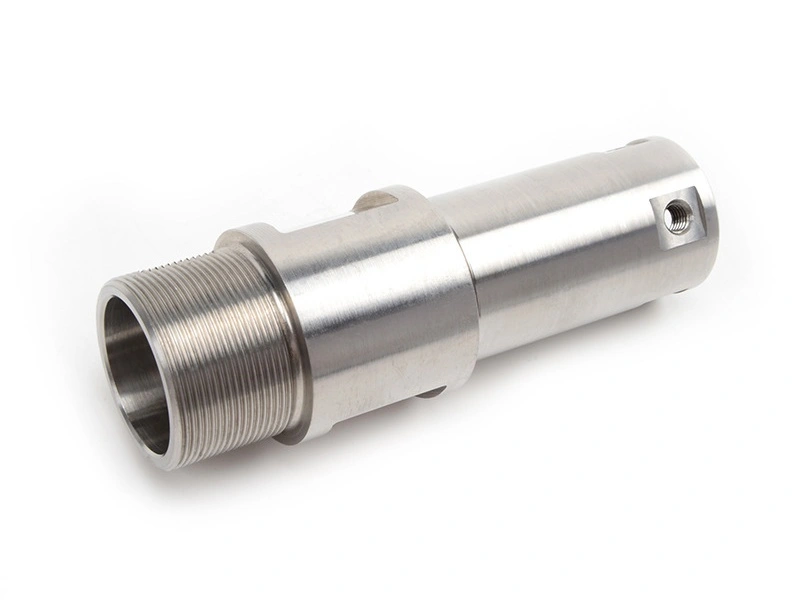
This material family includes Inconel 600, Inconel 617, Inconel 625, Inconel 690, Inconel 713, Inconel 713C, Inconel 713LC, Inconel 718, Inconel 718C, Inconel 718LC, Inconel 738, Inconel 738C, Inconel 738LC, Inconel 751, Inconel 792, Inconel 800, Inconel 800H, Inconel 800HT, Inconel 925, Inconel 939, and Inconel X-750. These grades are widely used for turbine hardware, hot-end structures, seals, rings, nozzles, shafts, fasteners, combustion-related parts, and other custom machined components exposed to demanding industrial conditions.
Material Family Table
Inconel Category | Representative Grades |
|---|---|
Corrosion-Resistant Inconel | Inconel 600, Inconel 625, Inconel 690, Inconel 800, Inconel 800H, Inconel 800HT, Inconel 925 |
High-Strength Machined Inconel | Inconel 718, Inconel 718C, Inconel 718LC, Inconel X-750 |
Cast Hot-Section Inconel | Inconel 713, Inconel 713C, Inconel 713LC, Inconel 738, Inconel 738C, Inconel 738LC, Inconel 751, Inconel 792, Inconel 939 |
High-Temperature Structural Inconel | Inconel 617, Inconel 751, Inconel 939 |
Selection Direction
Inconel grade selection should be based on service temperature, corrosion medium, oxidation exposure, mechanical load, fatigue requirement, creep requirement, and whether the part is machined from wrought stock or finished from a cast blank. Different Inconel grades are not interchangeable, because each grade is optimized for a different combination of heat resistance, corrosion resistance, or mechanical strength.
For general-purpose high-strength machined parts, Inconel 718 is often the first grade evaluated. For stronger corrosion resistance in chemical and marine-related environments, Inconel 625 may be more suitable. For hot-section cast applications, Inconel 713LC, Inconel 738LC, or Inconel 939 should be reviewed according to the thermal duty and component type. For high-temperature oxidation-focused service, Inconel 617 or Inconel X-750 may be considered depending on the application target.
Design Intent of Inconel Alloy
Inconel alloys are designed for parts that must maintain performance where ordinary engineering materials lose strength, oxidize, corrode, or distort. Their design intent often centers on thermal reliability, corrosion stability, creep resistance, oxidation resistance, or fatigue performance under aggressive working conditions.
The design intent varies by grade family. Some grades are used mainly for corrosion and chemical durability, while others are optimized for high-strength turbine and aerospace parts. Cast hot-section grades are intended for severe gas-path environments, while wrought grades are more often used for shafts, rings, fasteners, pressure components, and precision machined structures. In every case, the alloy is chosen because the service condition is too demanding for standard steels or simpler nickel alloys.
General Properties
Property | Typical Engineering Meaning |
|---|---|
Base Alloy Type | Nickel-chromium superalloy family |
High-Temperature Strength | Main reason many Inconel grades are used in turbine and hot-end service |
Oxidation Resistance | Important in hot gas, combustion, and thermal cycling environments |
Corrosion Resistance | Critical in chemical, marine, and aggressive industrial environments |
Machinability | More difficult than common steel because of work hardening and heat concentration |
Service Reliability | Supports demanding aerospace, energy, and industrial component life requirements |
Mechanical Behavior
Property | Engineering Relevance |
|---|---|
Creep Resistance | Important in long-term high-temperature service |
Fatigue Strength | Critical in rotating, cyclic, and thermal-duty components |
Work Hardening | Strongly affects CNC tool wear and cutting strategy |
Thermal Stability | Supports dimensional reliability under hot operating conditions |
Crack / Distortion Sensitivity | Relevant in cast hot-section grades and thin-wall machining |
Surface Integrity Sensitivity | Important for high-value aerospace, turbine, and sealing applications |
Material Characteristics
Inconel alloys are characterized by nickel-rich matrices strengthened by chromium and other alloying elements such as molybdenum, niobium, titanium, aluminum, and cobalt depending on the grade. This allows the material family to cover a wide range of severe-service needs, from corrosion-resistant process equipment to high-strength turbine and aerospace hardware.
The family also has a clear machining challenge profile. Inconel grades usually generate high cutting temperatures, harden quickly at the cut surface, and impose strong demands on tool geometry, feed strategy, and rigidity. As a result, Inconel is chosen for functional necessity rather than machining convenience. The correct grade must always be selected according to the real environment, not only by brand familiarity.
Manufacturing Process Performance
Inconel parts are commonly produced through CNC turning, CNC milling, CNC drilling, CNC boring, and where improved finish or geometry is required, CNC grinding. For complex high-value parts, multi-axis machining is often used to reduce re-clamping error and improve access to complicated geometry.
Compared with aluminum, carbon steel, or brass, Inconel machining requires more conservative cutting conditions, stronger fixturing, sharper process discipline, and closer control of tool wear and heat. Production planning should therefore account for whether the part is a precision machined wrought component or a cast superalloy part needing only local finishing on critical interfaces, holes, roots, or sealing surfaces.
Applicable Post-processing
Inconel parts may require deburring, stress-relief-related support, surface refinement, dimensional verification, and in some applications heat-treatment coordination depending on grade and function. Post-processing is especially important when the part is used in high-temperature service, cyclic loading, or corrosive conditions where the final surface state influences long-term performance.
Where the service environment demands thermal durability, some parts may also be associated with process routes such as Hot Isostatic Pressing (HIP) or Thermal Barrier Coatings (TBCs) depending on the component type and supply route. The correct post-process should always be chosen according to the actual application, dimensional allowance, and service requirement.
Common Applications
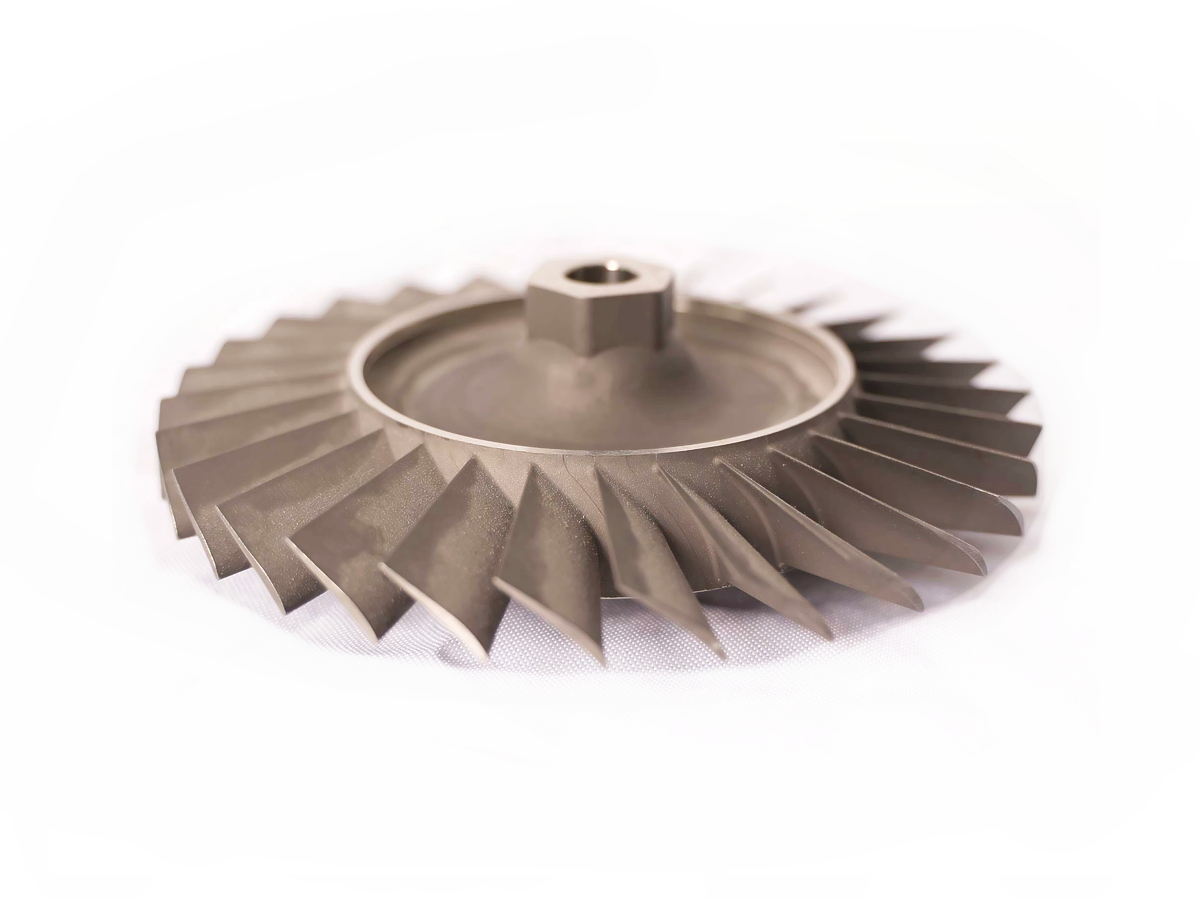
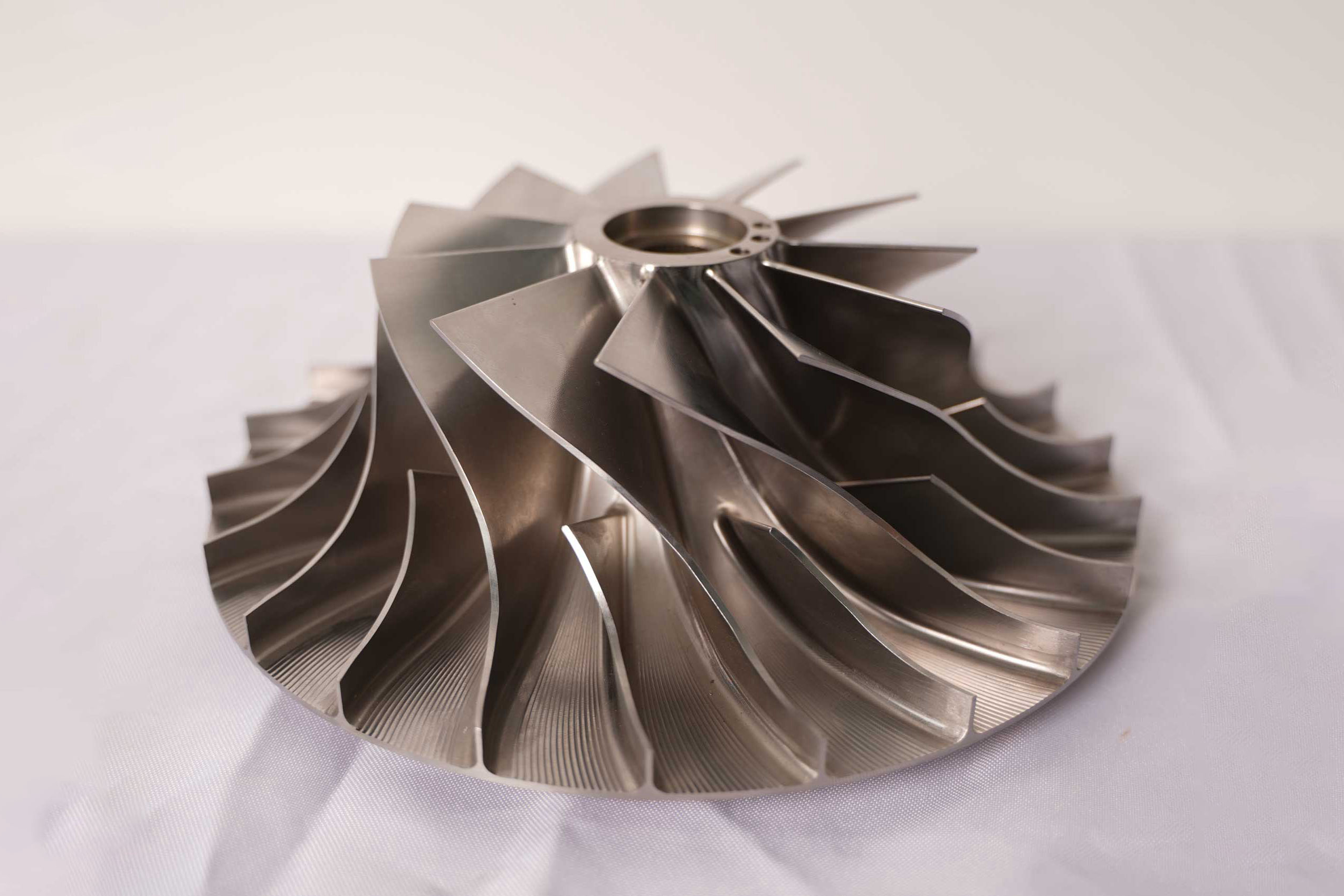
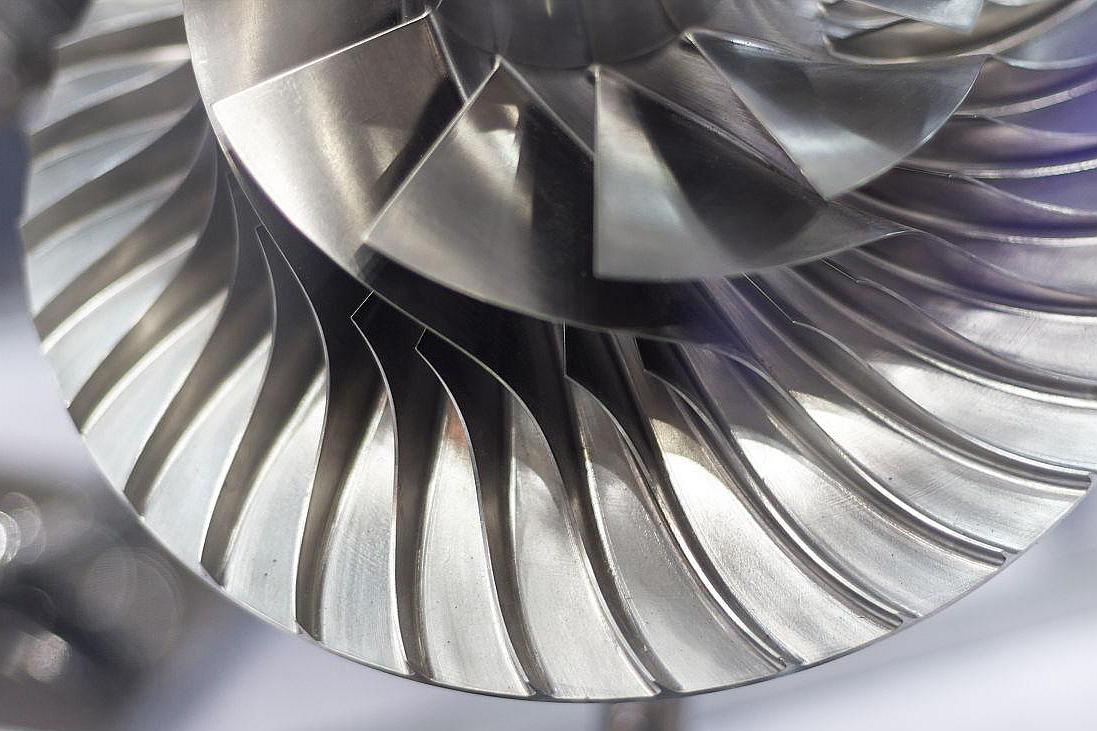
Inconel alloys are widely used in aerospace, power generation, oil and gas, industrial heat-processing equipment, and corrosive-service systems. Typical applications include turbine parts, combustion-related hardware, hot-end rings, shafts, nozzles, seals, fasteners, pressure-related parts, and other custom machined superalloy components.
In these applications, Inconel is selected because it can provide heat resistance, oxidation resistance, or corrosion durability that many other alloys cannot match reliably. The exact grade should be chosen according to whether the design prioritizes corrosion resistance, high strength, hot-section casting performance, or long-term elevated-temperature service stability.
When to Choose Inconel Alloy
Choose Inconel Alloy when the application requires a nickel-based superalloy that can resist high temperature, oxidation, corrosion, or long-term severe-service degradation better than standard stainless steel or carbon steel. Inconel is especially suitable for turbine, aerospace, energy, chemical, and industrial parts where functional reliability under heat or corrosion is more important than machining speed or raw material cost.
For high-strength general superalloy machining, Inconel 718 is often the most common route. For stronger corrosion-focused service, Inconel 625 is often preferred. For cast turbine hot-section components, Inconel 713LC, Inconel 738LC, or Inconel 939 may be more appropriate. The safest selection route is always to confirm temperature, media, load, fatigue exposure, manufacturing route, and required life before finalizing the grade.
Engineering Selection Note
Inconel Alloy should be selected according to the real service condition rather than by alloy family name alone. For RFQ evaluation, customers should provide the 2D drawing, 3D model, dimensional tolerance, operating temperature, corrosion environment, load condition, fatigue expectation, surface finish requirement, heat-treatment requirement, and whether the part is for prototype, repair, or production use.
This allows NewayMachining to determine whether corrosion-resistant, high-strength, or cast hot-section Inconel is the most appropriate material route for the project, and whether turning, milling, drilling, boring, grinding, or multi-axis machining is the best process combination for the final component.
Explore Related Blogs