How to Select the Right Metal for Custom CNC Machined Parts: A Buyer's Guide
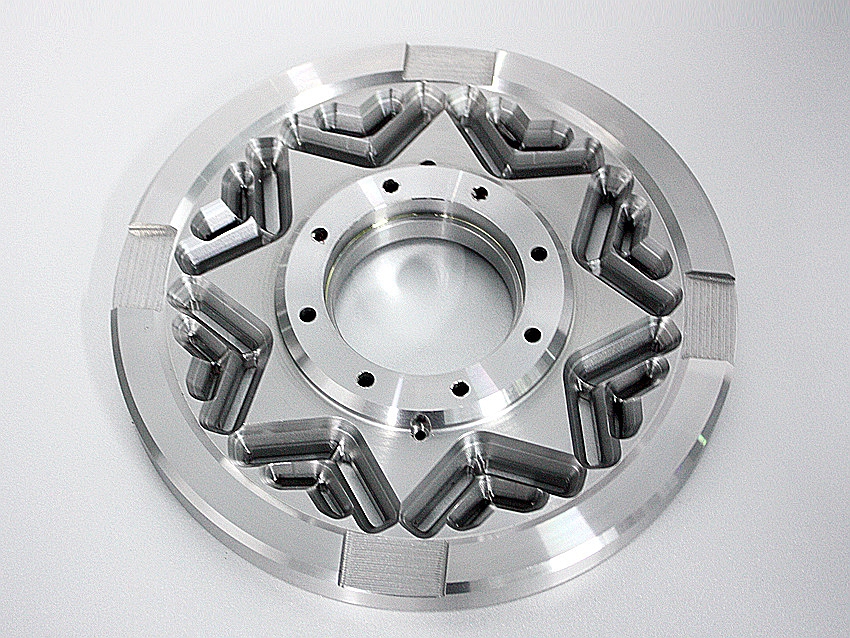
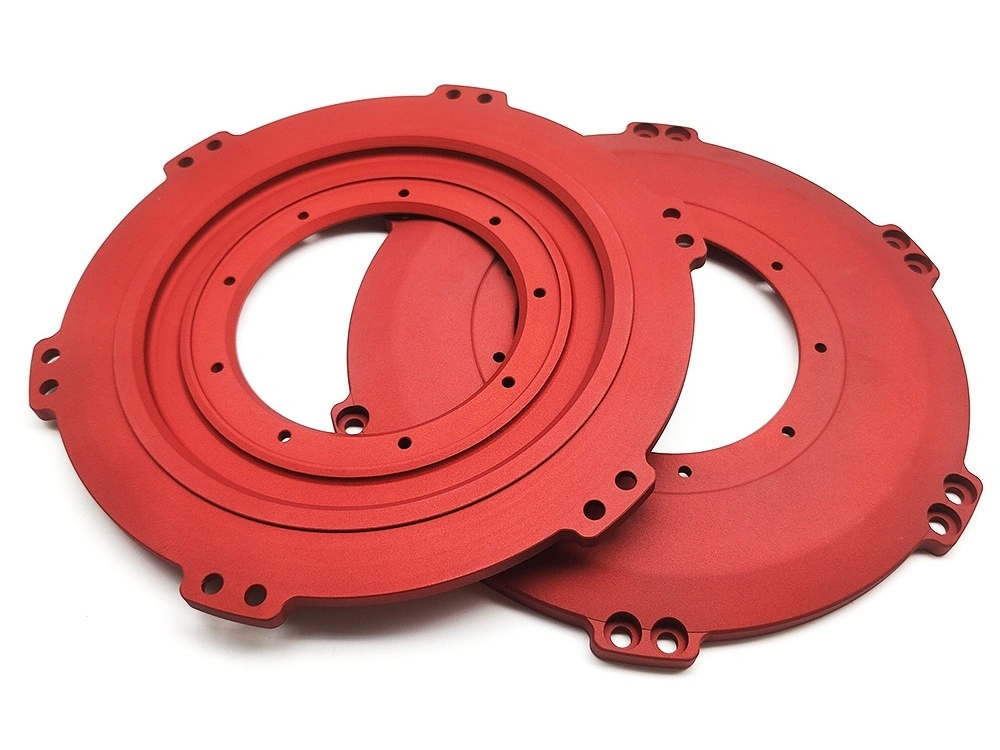
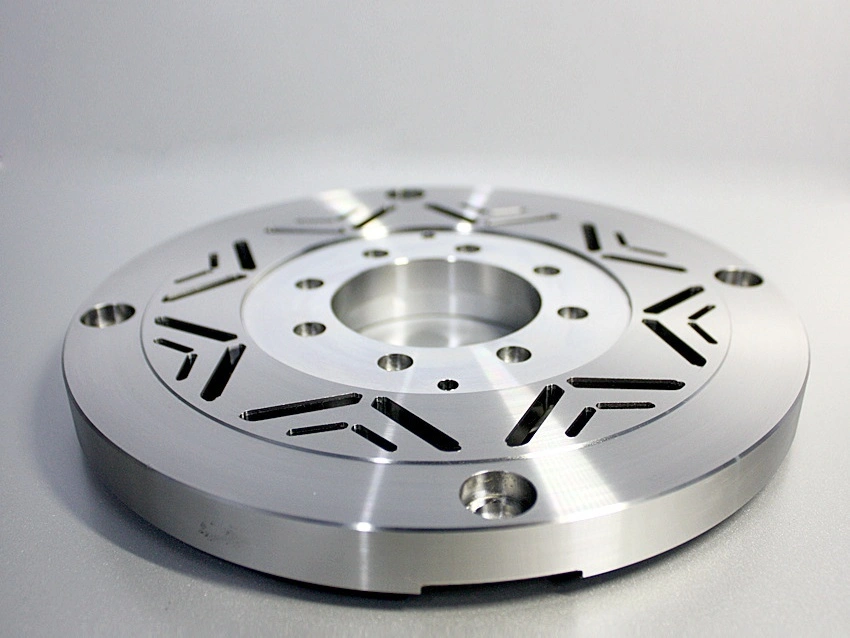
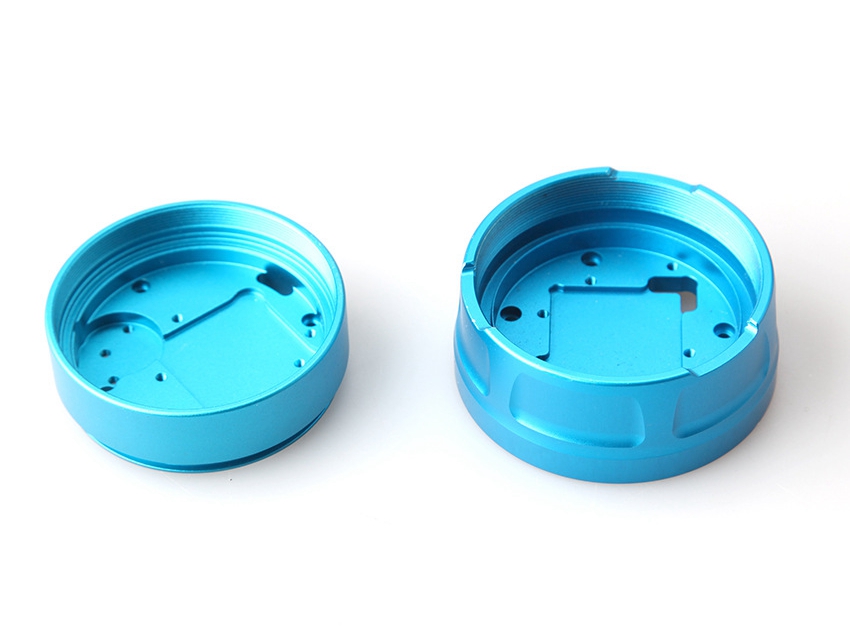
Choose the right metal for a custom CNC machined part by matching the alloy, temper, stock form, geometry, surface finish, inspection method, and service environment to the part’s real duty case. Aluminum alloys, stainless steels, carbon and alloy steels, titanium alloys, nickel-based superalloys, copper alloys, brass, and bronze can all be correct choices when their limits fit the drawing and RFQ. The wrong choice is usually not “weak metal”; it is an alloy selected without enough detail about load direction, corrosion exposure, wall thickness, machining access, finishing, certification, or production volume. A good material decision starts with what the part must survive, how the part will be machined, and how the finished part will be accepted.
This buyer’s guide explains how to compare metals for CNC machining without relying on generic material labels. It focuses on mechanical performance, corrosion behavior, machinability, surface finish, cost drivers, material substitution, and RFQ information that helps a supplier quote the same requirement the buyer actually needs. Use it as a screening framework; final approval should still come from the drawing, governing material standard, application requirements, supplier review, and sample or first-article validation.
Why Metal Selection Matters in CNC Machining
Metal selection matters in CNC machining because the alloy controls how the part cuts, moves, finishes, wears, corrodes, and passes inspection. CNC machining can hold accurate geometry only when the material, setup, toolpath, and inspection plan are compatible. Two parts with the same nominal alloy may behave differently if one uses plate and the other uses bar, casting, forging, or heat-treated stock. The selected metal affects:
Dimensional stability during roughing, finishing, unclamping, heat treatment, and surface treatment
Achievable tolerances and surface finishes based on feature size, datum scheme, tool access, and inspection method
Cutting tool wear, burr formation, chip control, coolant demand, and machine runtime
Post-processing and surface treatment compatibility, including anodizing, passivation, electropolishing, plating, coating, and heat treatment
Total manufacturing cost and lead time across raw material, machining time, tooling, rework risk, inspection, finishing, certificates, and packaging
For a material review with Neway, connect the drawing to the intended use before comparing alloys. The linked CNC machining services page is a starting point, but the RFQ should still define the alloy or approved alternatives, stock condition, critical dimensions, surface finish, certification need, and inspection plan. A supplier can then review machining sequence, fixturing, deburring, heat treatment, and finishing as one workflow instead of treating material as a separate purchasing line. This is especially important when rough machining releases stress, when coating changes final size, or when a certificate requirement affects available stock.
Key Factors to Consider When Choosing Metal
Mechanical Properties
Evaluate mechanical properties by asking which failure mode the part must avoid, not by choosing the alloy with the highest published number. Strength matters for permanent deformation and fracture. Stiffness matters for deflection and vibration. Hardness affects wear and thread damage. Ductility affects impact, assembly, and forming. Fatigue strength matters when the load repeats. A thin pocketed bracket, for example, may pass a static tensile check but move after rough machining because residual stress releases when material is removed from one side. That bracket may need a different alloy, stress-relieved stock, more balanced roughing, a datum change, or a larger radius before the buyer changes the tolerance.
Tensile Strength (MPa): useful for comparing ultimate load under pulling forces, but only when grade, temper, product form, test direction, and temperature are known
Yield Strength (MPa): important for brackets, housings, shafts, and fixtures where permanent deformation would change alignment or sealing
Hardness (HB/HRC): useful for wear, indentation, bearing contact, and tool-life planning, but heat treatment can change both machinability and final inspection needs
Fatigue Strength: important for cyclic loading, vibration, rotating shafts, aircraft-style brackets, robotic arms, and parts with notches or threaded transitions
Elongation (%): a ductility indicator that helps judge cracking risk, press-fit behavior, deformation before fracture, and tolerance to assembly overload
For preliminary screening, published producer or governing-specification data may show substantial strength and ductility differences between 7075-T6 aluminum and 304 stainless steel. Exact values vary with product form, thickness, heat treatment, governing edition, and test direction, so a buyer should use the certified values for the specified stock rather than a generic comparison. Catalog values are not purchase guarantees. The drawing or RFQ should state the material standard, temper, stock form, grain direction if relevant, and whether the dimensions are inspected before or after heat treatment, coating, or stress relief. If the design carries safety risk, add proof-load, hardness, or functional testing instead of relying only on catalog strength.
Corrosion Resistance
Corrosion resistance should be selected from the actual environment, not from a broad material family name. Moisture, saltwater, cleaning chemicals, sterilization cycles, galvanic contact, temperature, trapped fluid, and surface finish can all change the result. 316 stainless steel, titanium, and copper-nickel alloys may all resist corrosion well, but they do so in different environments and with different machining costs. Passive films can fail at crevices, damaged surfaces, or unfavorable metal pairs, so the material choice must be linked to geometry and finishing.
Use 304 or 316 stainless steel for clean industrial, food-contact, medical-instrument, or moderate marine parts when passivation, crevice design, and chloride exposure are controlled
Select 5052 or 6061 aluminum for outdoor components when weight, machinability, anodizing, and moderate corrosion resistance matter more than high chloride resistance
Choose Grade 5 titanium for biocompatibility and chemical stability only when the specified grade, surface condition, mating material, cleaning process, and validation route fit the application
Learn more about stainless steel machining and titanium CNC machining when corrosion behavior is a major design driver. The buyer should provide the fluid or atmosphere, exposure duration, mating metals, required surface finish, and any passivation, electropolishing, anodizing, or coating requirement. For sealed housings, also identify drainage, trapped fluid, gasket contact, and whether dimensions apply after the finish.
Machinability
Machinability describes how efficiently a metal can be cut, but it is not a universal quality score. Ratings depend on reference material, hardness, product form, heat treatment, tool material, cutting speed, chip load, coolant, and feature geometry. A metal with good machinability may still be expensive if the part has deep pockets, thin walls, small internal radii, many tapped holes, or tight burr requirements. Tool access can cost more than raw material when short tools, extra setups, or special deburring are needed.
Aluminum 6061: high machinability for many milled and turned parts; still check gummy chip behavior, wall movement, and anodizing thickness
Brass C360: very good machinability for fittings, inserts, valves, and decorative parts; confirm lead-content restrictions and plating compatibility
Carbon Steel 1018: workable for shafts, brackets, fixtures, and general machine parts; confirm coating or plating when corrosion is a concern
Stainless Steel 304: moderate difficulty; watch work hardening, tool wear, heat, burrs, and passivation requirements
Titanium Grade 5: challenging because heat stays near the cutting edge; control tool engagement, coolant, burrs, and thin-wall vibration
Machinable materials can reduce cycle time, improve tool life, and simplify deburring, but they must still meet function. For CNC prototyping and low-volume production, ask whether a cheaper or easier trial material can validate geometry before cutting the final alloy. For final production, confirm that any substitute material is approved on the drawing or purchase order. If burrs, small holes, or sealing edges drive inspection time, ask the supplier to quote that finishing effort separately.
Surface Finish Requirements
Surface finish requirements should be tied to function: sealing, sliding wear, corrosion resistance, cleaning, appearance, coating adhesion, or fatigue. A low Ra value alone does not guarantee corrosion resistance or biocompatibility. The required finish also changes material choice because some alloys polish, passivate, anodize, plate, or coat more predictably than others. Surface treatment is a manufacturing step with dimensional impact, not decoration added after the part is complete.
Aluminum alloys can often achieve clean as-machined surfaces and anodize well, but anodizing thickness can reduce bore size, alter thread fit, and change masking needs
Brass provides a bright decorative finish for consumer components, but plating, lead restrictions, and dezincification risk must be reviewed for the application
Stainless steel may require electropolishing or passivation when cleanability, corrosion resistance, or burr control is important
Titanium wear protection may use a suitable PVD coating, a qualified nitriding route, or another surface system selected for the titanium grade, mating material, contact stress, motion, temperature, allowable dimensional change, and target failure mode
More information is available on our surface treatment page. For quotation, include the target Ra, visible-surface requirements, coating or passivation standard, masked areas, post-finish dimensions, and whether the part will be inspected before or after finishing. If a coating is applied after machining, define thread plugs, bore gauges, sealing faces, and cosmetic zones before the quote is finalized.
Cost and Availability
Material cost is only one part of CNC part cost. A better buyer table compares raw material level, machining difficulty, finishing demand, inspection risk, and substitution flexibility. Market prices change by region, form, volume, and date, so the table below is a decision guide rather than a live price list. Ask for quotes that separate raw stock, machining, finishing, inspection, certification, and packaging when material choice is still open:
Material | Cost and Availability Driver | Buyer Decision |
|---|---|---|
Aluminum 6061 | Usually available, fast to machine, and low density; certificate and finish still affect cost | Use for brackets, housings, fixtures, and prototypes when moderate strength is enough |
Stainless Steel 304 | Moderate material cost; slower machining than aluminum; passivation may be required | Use when corrosion resistance, cleaning, or appearance matters more than low weight |
Brass C360 | Excellent machinability; application restrictions may apply because of lead content | Use for fittings, inserts, valve parts, and decorative components after compliance review |
Copper C101 (T2) | High conductivity and soft cutting behavior; burrs and deformation need control | Use for electrical or thermal parts when conductivity is specified, not assumed |
Titanium Grade 5 | Higher raw material and machining cost; strong lightweight and corrosion performance | Use when weight, corrosion, fatigue, heat, or biocompatibility justifies the premium |
For Neway RFQs, request traceable raw material only when the project needs it and state the governing standard, such as ASTM, GB, DIN, EN, or a customer specification. Standards should define material form, chemistry, properties, inspection, or documentation; they should not be listed as decoration. If a substitute grade is acceptable, list it before procurement so quotation can compare cost without changing the engineering intent. If no substitute is acceptable, write “no substitution without approval” so purchasing pressure does not create an unreviewed material change.
Commonly Used Metals and Their Applications
Aluminum Alloys
6061-T6: General-purpose alloy with good machinability, corrosion resistance, weldability, and anodizing response for housings, brackets, plates, and fixtures
7075-T6: High-strength aluminum for weight-sensitive structural parts; confirm corrosion protection, residual stress, and grain direction where applicable
5052: Good corrosion resistance and formability for panels, covers, marine-adjacent parts, and light-duty housings
2024: High fatigue resistance for aircraft-style components; review corrosion protection and customer specification carefully
See our aluminum CNC machining services for more details.
Stainless Steels
304: General corrosion-resistant grade with good formability and weldability for clean industrial and appearance parts
316: Molybdenum-bearing stainless steel for improved chloride and chemical resistance when crevice design and passivation are controlled
17-4PH (SUS630): Precipitation-hardened stainless steel for high strength; specify heat-treatment condition and hardness range
440C: High-hardness stainless steel for tooling, bearings, and wear parts; machining and heat treatment need close planning
Carbon and Alloy Steels
1018 / 1020: Low-carbon steels with good machinability and moderate strength for general mechanical components
4140 / 4340: High-strength alloy steels for shafts, load-bearing parts, tooling, and fixtures after heat-treatment review
A36: Low-cost structural steel for frames and supports where precision features, corrosion protection, and finish are not the main drivers
More information on carbon steel CNC machining.
Copper, Brass, and Bronze
Brass C360: Free-machining brass for fittings, valves, inserts, and fasteners after lead-content and plating restrictions are checked
Copper C101: High-purity copper for electrical and thermal connectors; confirm conductivity, temper, burr limits, and deformation risk
Bronze C630 / C905: Strong copper alloys for bushings, bearings, gears, and marine hardware when wear and corrosion resistance are required
Explore copper CNC machining for specific use cases.
Titanium Alloys
Grade 5 (Ti-6Al-4V): High specific strength and corrosion resistance for lightweight brackets, medical hardware, aerospace-style parts, and harsh environments
Grade 23 (Ti-6Al-4V ELI): Lower interstitial version selected for fracture toughness or medical/aerospace requirements when the governing specification demands it
More details available on titanium machining services.
Material Substitution and Design Tips
Material substitution should be treated as an engineering change, not a purchasing shortcut. A substitute must meet the same function, inspection, finish, certificate, and service environment requirements as the original material. If the preferred metal is unavailable or outside budget constraints, consider the following alternatives only after checking the drawing and buyer approval path. The main failure mode is approving a cheaper alloy without checking stiffness, corrosion, coating thickness, heat treatment, or functional validation.
Replace 7075 with 6061 only when strength, stiffness, corrosion, and weight margins still meet the design requirement
Use 316L instead of 304 when chloride, cleaning chemicals, or medical-instrument exposure justify the higher material and machining cost
Substitute copper with brass where high electrical or thermal conductivity is not essential and lead-content restrictions are acceptable
Switch titanium to aluminum only when biocompatibility, temperature, fatigue, corrosion, and galvanic requirements do not require titanium
Neway’s engineering review can compare material standards and international equivalents, such as ASTM to DIN or GB, when the RFQ gives enough detail. The review should confirm whether the substitute changes machining allowance, heat treatment, coating thickness, datum stability, inspection method, or certificate package. If those items change, update the drawing or purchase order before production. A practical substitution request includes the original material, proposed alternative, reason for change, affected features, required tests, and the person or team authorized to approve the change.
Conclusion
The right CNC metal is the alloy and condition that meet the part’s load, environment, geometry, finish, inspection, documentation, and cost targets with the least avoidable risk. Buyers make better decisions when the RFQ includes function, material standard, approved alternatives, critical features, finish sequence, and validation method instead of only asking for a “strong,” “cheap,” or “corrosion-resistant” metal. If the part is critical, confirm the material choice through certificate review, first-article inspection, surface-finish measurement, fit checks, and functional testing. Build a candidate matrix that scores each exact grade and condition against load case, stiffness, corrosion medium, temperature, mass, geometry stability, machinability risk, finish compatibility, traceability, availability, and accepted-part cost. Eliminate any candidate that misses a mandatory requirement instead of allowing a favorable average score to hide the failure. For the shortlist, request certificates for the quoted stock and run representative machining, finishing, inspection, and functional checks on the features that carry risk. Approve one material-route combination in the released drawing; test or hold any unresolved alternative. Record who can approve any material change before the supplier buys stock.
At Neway, use material discussion to connect engineering and purchasing: aluminum may shorten prototype cycles, stainless steel may reduce corrosion risk, carbon steel may control cost, copper alloys may solve conductivity or wear, and titanium may justify its premium for low weight or harsh environments. The final choice should be confirmed by drawing requirements, material certificates when needed, first-article inspection, surface finish checks, and functional testing for critical parts. Confirm the same decision again before repeat production. That process gives the buyer a defensible material decision before tooling, fixturing, machining, finishing, and inspection money is committed.
FAQs: