What is the best metal for CNC machining high-strength, lightweight parts?
What Is the Best Metal for CNC Machining High-Strength, Lightweight Parts?
Titanium Ti-6Al-4V for maximum lightweight strength
Ti-6Al-4V is usually the best CNC machining metal for high-strength, lightweight parts when the design needs high specific strength, corrosion resistance, fatigue resistance, or medical biocompatibility more than the lowest machining cost. The alloy is not automatically the best choice for every light part. Aluminum 7075-T6 can be the better first option when the load is moderate, lead time matters, and the part does not face severe heat, corrosion, or fatigue duty. Stiffness can also change the answer because a larger aluminum section may outperform a smaller titanium section at lower cost. The drawing should state whether the alloy is fixed or open for supplier review. A buyer should compare the required load path, wall thickness, operating environment, finish, certification requirement, and target cost before naming the metal on the drawing.
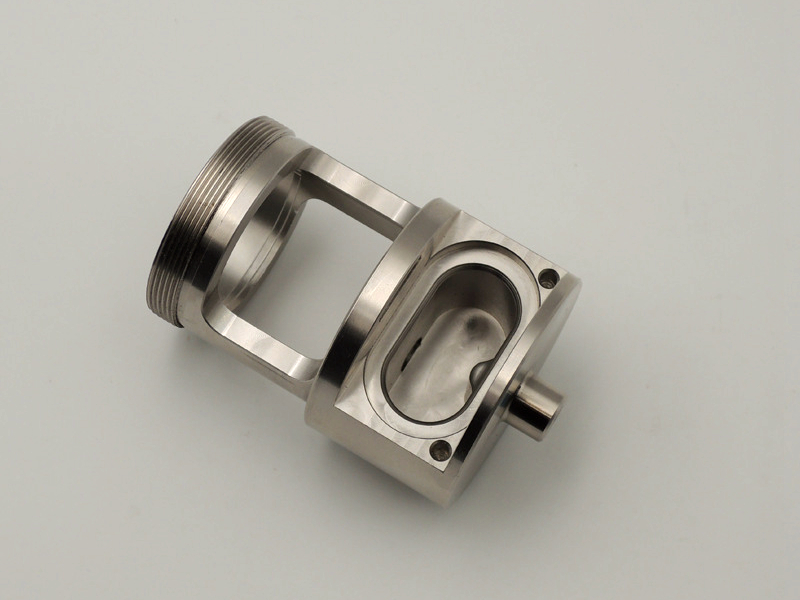
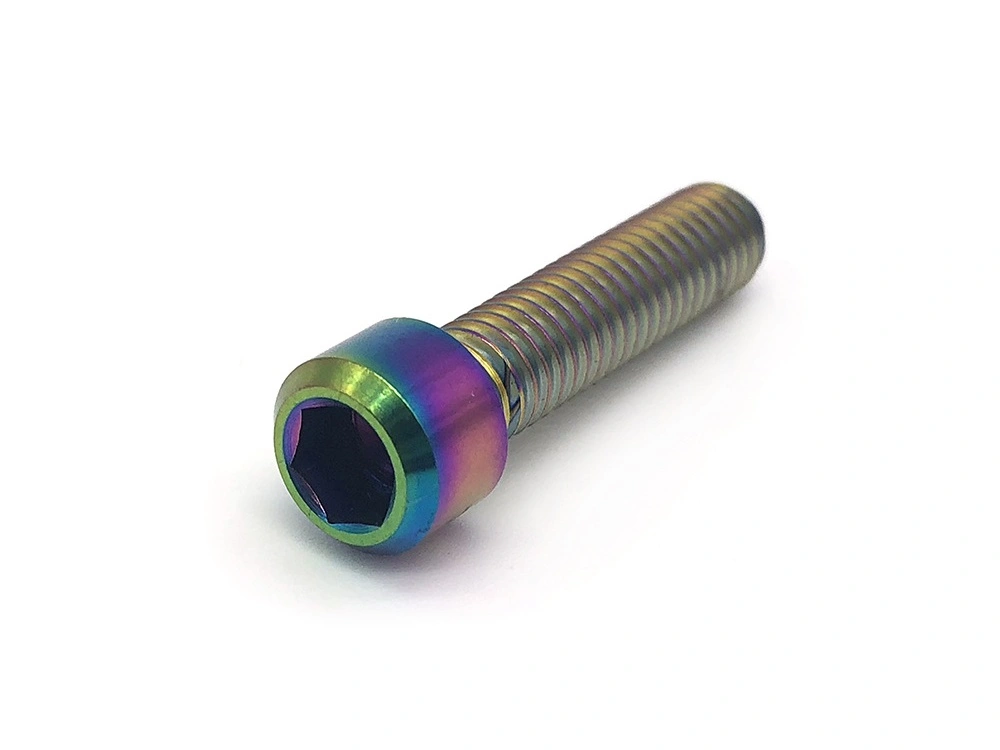
Ti-6Al-4V has a density of about 4.43 g/cm³ and common published tensile-strength values near 900-1000 MPa, depending on product form, heat treatment, and governing specification. That gives Grade 5 titanium a strong strength-to-weight position for brackets, housings, medical fixtures, drone components, and aerospace hardware. The machining risk is heat, not only hardness. Low thermal conductivity keeps heat near the cutting edge, and work hardening can increase tool wear if cutting speed, chip load, coolant, and tool engagement are poorly controlled. Heat-affected tool wear may change edge break, burr size, and final surface finish before dimensions move out of tolerance. At Neway, the discussion around titanium CNC machining services should therefore include stock condition, critical datums, thin-wall areas, burr limits, and inspection method instead of only asking for the strongest lightweight alloy.
Aluminum 7075-T6 when speed and cost carry more weight
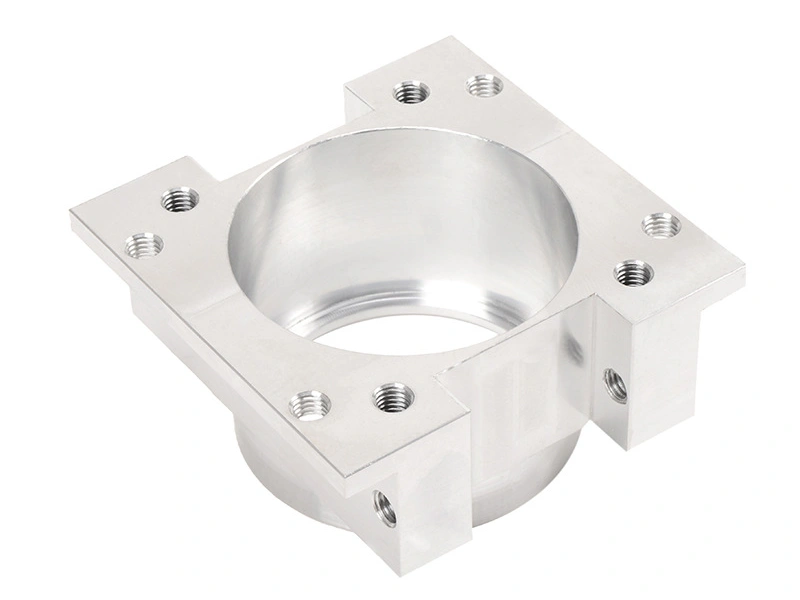
If budget or machining speed is a priority, Aluminum 7075-T6 is often the best practical alternative for high-strength lightweight CNC parts. Typical 7075-T6 wrought material has density around 2.81 g/cm³ and published tensile-strength values near 570 MPa, but exact values depend on product form and specification. Aluminum removes material quickly, conducts heat well, and usually produces cleaner cycle times than titanium. That advantage matters for prototypes, low-volume fixtures, robotic plates, aircraft-style brackets, and weight-sensitive frames where the load case does not require titanium-level temperature or corrosion performance. Aluminum also gives more freedom for larger radii and thicker ribs when the design can trade slightly more volume for easier machining.
The trade-off is service environment. 7075-T6 has good strength for its weight, but it is not the strongest corrosion choice among aluminum alloys. A coating, anodizing, conversion coating, or material change may be needed when the part sees salt spray, outdoor exposure, repeated cleaning, or galvanic contact with stainless steel or carbon fiber. Coating thickness can also reduce bore size or alter thread fit, so finished dimensions should be defined after surface treatment when those features matter. Thin ribs and pocketed structures need special attention because high material removal can release residual stress and move datums after roughing. Good RFQ data should identify load direction, minimum wall thickness, post-machining finish, threaded features, and whether the buyer accepts minor design changes for stiffness, tool access, or distortion control.
Quick material selection guide
Metal | Tensile Strength | Density (g/cm³) | Strength-to-Weight Ratio | Machinability | Ideal Applications |
|---|---|---|---|---|---|
Ti-6Al-4V | About 900-1000 MPa, depending on specification and heat condition; request certification when load is critical | 4.43 | Excellent for high load, fatigue, corrosion, and temperature limits | Difficult; manage heat, work hardening, tool wear, and burrs | Choose for certified lightweight structures, medical hardware, fatigue-loaded brackets, or heat-exposed parts |
Aluminum 7075-T6 | About 570 MPa for common wrought T6 stock; confirm product form and grain direction | 2.81 | Very good when corrosion and temperature demands are moderate | Good; fast metal removal, but watch distortion after roughing | Choose for weight-sensitive plates, robotic frames, aircraft-style fittings, and cost-controlled prototypes |
Stainless 17-4PH | Condition-dependent; often selected by heat-treatment requirement | 7.8 | Moderate; stronger than many aluminums but much heavier | Moderate; confirm hardness, precipitation condition, and burr control | Choose when corrosion resistance and high load matter more than lowest part mass |
Relevant manufacturing services for the RFQ decision
● Titanium CNC Machining Service ● Aluminum CNC Machining Service ● CNC Machining Services ● Low-Volume Manufacturing ● Precision Machining
For a high-strength lightweight RFQ, send the exact alloy and temper, the material standard or certificate requirement, the stock form, critical dimensions, datum scheme, surface finish, coating plan, and the load or environment that makes weight reduction important. If the design is still open, ask for a material review before cutting prototypes. Useful validation can include material certificate review, first-article dimensional inspection, surface-finish measurement, thread-gauge checks, and proof-load or functional testing when the part carries safety risk. The useful decision is not “strongest metal” in isolation; it is the lightest material that meets the load, environment, inspection, and cost targets without creating avoidable machining or validation risk.