Top 5 Most Cost-Effective Metals for Custom CNC Parts Without Compromising Performance
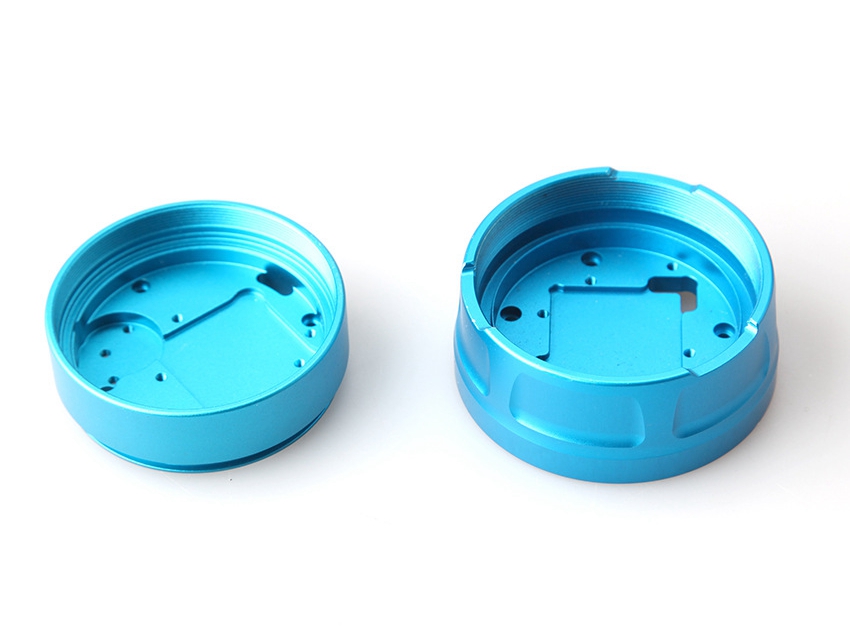
The top cost-effective metals for custom CNC parts are Aluminum 6061-T6, Mild Steel 1018, Brass C360, Aluminum 5052, and Stainless Steel 304 when each material is matched to the part geometry, load, corrosion exposure, finish, and inspection plan. Cost-effective does not mean the lowest raw stock price; it means the lowest finished-part risk after machining time, tool wear, deburring, coating, scrap, inspection, and service failure are counted.
This blog compares five metals that can reduce CNC part cost without stripping away functional performance. The best choice for a prototype, low-volume order, or repeat production run depends on what the part must survive. A lightweight enclosure, a coated fixture, a brass fitting, a corrosion-resistant panel, and a stainless food-contact component fail in different ways. Use the material notes below as an RFQ filter, then confirm the final grade, temper, stock form, tolerance, surface finish, coating, and inspection method with the drawing. The article does not rank exotic alloys, superalloys, plastics, or ceramic materials. Those materials can be correct for special environments, but they are outside this cost-focused CNC metal comparison.
Why Material Selection Matters in CNC Machining
Material selection matters in CNC machining because the alloy affects the entire route from quoting to acceptance. A cheap material can become expensive if it machines slowly, wears tools, moves after unclamping, creates burrs in cross-holes, needs extra coating, or fails in the operating environment. A more expensive alloy can be the better value when it avoids inserts, thicker walls, rejected threads, corrosion complaints, or repeated inspection changes. The engineering decision should start with function, then move to manufacturability, then to finished-part cost. Engineering example: an outdoor sensor housing with M3 cover threads, a gasket groove, and one cosmetic face may look cheapest in 1018 steel, but coating inside the groove can change seal compression and exposed cut edges can rust. Aluminum 6061 with anodizing may reduce weight and machining time, yet stainless inserts may be needed if the cover is removed often. Stainless 304 may cost more to machine, but it can avoid coating damage around screws. For that example, the buyer should compare first-article fit, thread gauge results, coating thickness, gasket compression, and outdoor exposure before approving the lower unit price.
Machinability: Determines material removal rate, chip control, tool wear, heat generation, burr risk, and whether the part needs roughing and finishing setups.
Tolerance Control: Influences datum stability, wall movement after unclamping, thread fit, bore roundness, and whether critical dimensions are measured before or after finishing.
Surface Finish: Impacts cosmetic appearance, sealing behavior, coating adhesion, roughness callouts, masking needs, and post-processing compatibility.
Corrosion Resistance: Critical for components exposed to moisture, cleaning chemicals, galvanic contact, outdoor weather, salt, or trapped fluids.
Structural Integrity: Affects static strength, fatigue life, bearing load, thread durability, impact resistance, safety factor, and the cost of failure in the final assembly.
At Neway, a practical material review for CNC machining services should connect the drawing to stock selection, machining sequence, deburring, finishing, inspection, and delivery requirements. Buyers can improve quote quality by marking critical-to-function features, stating load and exposure conditions, identifying mating parts, and separating must-have requirements from preferred cost targets. The supplier workflow should review the 3D model, choose stock size, plan roughing and finishing, protect datums, define deburring, confirm coating effects, and select inspection tools before the first production run.
1. Aluminum 6061-T6
Reference decision data for common 6061-T6 stock: machinability is high compared with most engineering metals; tensile strength is commonly around 310 MPa; yield strength is commonly around 275 MPa; density is about 2.70 g/cm³; corrosion resistance is good in normal atmospheric service; thermal conductivity is useful for heat-spreading parts. Treat these values as preliminary screening values, not drawing acceptance criteria. The RFQ should state the exact temper, stock form, critical dimensions, coating allowance, and whether strength, flatness, thread durability, or appearance controls the decision. If the part will be anodized, the buyer should state whether dimensions apply before or after coating.
Aluminum 6061-T6 is often the first cost-effective choice for CNC milled parts because it cuts quickly, has broad stock availability, weighs much less than steel, and offers a balanced mix of strength and corrosion resistance. It is suitable for housings, brackets, covers, fixture plates, panels, and lightweight structural parts when the design has enough wall support and the operating environment is not too aggressive. It responds well to anodizing, but coating thickness, masking, color requirements, and post-finish thread fit should be defined before release. The main failure modes are stripped threads, dented edges, movement in thin walls, coating buildup in bores, and galvanic corrosion near stainless hardware. Validation should include first-article dimensions, thread gauges after finishing, visual review of masked faces, and inspection of any thin-wall datum shift.
Common Applications:
Aerospace brackets and airframes where low mass, milled features, and controlled finishing matter more than maximum bearing strength.
Automotive parts and enclosures that need moderate strength, good machinability, low weight, and predictable finish options.
Structural components in robotics and automation when stiffness, fixture stability, and repeatable assembly interfaces are more important than heavy impact resistance.
Consumer electronics housings where cosmetic surfaces, heat spreading, anodized appearance, and controlled small features drive the material choice.
See more about aluminum CNC machining to review grade options, anodizing decisions, inspection expectations, and tolerance planning for aluminum parts.
2. Mild Steel 1018
Reference decision data for common 1018 low-carbon steel: machinability is better than many alloy steels; tensile strength is often around 440 MPa; yield strength is often around 370 MPa; density is about 7.87 g/cm³; natural corrosion resistance is low; thermal conductivity is moderate. These values vary with product form, cold-working, and supplier specification. Buyers should confirm the steel standard, stock condition, coating requirement, and whether the part needs strength, stiffness, wear behavior, or simply a low-cost machined shape. A coated 1018 part should be quoted with the coating process included, because finish labor can change the apparent material saving.
1018 steel can be the most economical CNC choice when the part needs stiffness, moderate strength, stable stock, and low raw material cost in a controlled environment. It is not cost-effective if corrosion will be ignored. Outdoor, wet, or cosmetic parts normally need black oxide, powder coating, galvanizing, plating, oiling, or another protective plan. The true cost should include edge coverage, coating thickness, masking, threaded-hole protection, cleaning, and inspection after finishing. Failure modes include red rust at cut edges, coating damage during assembly, burrs on keyways, and distortion in thin parts after heavy material removal. A buyer should also confirm whether critical holes are inspected before coating, after coating, or both.
Common Applications:
Gears, shafts, and pins when load, wear plan, surface hardness expectations, and post-machining treatment are specified clearly.
Structural supports and machinery bases where weight is acceptable and stiffness is more important than corrosion resistance.
Fixtures and jigs that stay indoors, need good stiffness, and can accept protective oil, black oxide, or periodic maintenance.
Low-cost industrial parts where coating life, storage condition, and cosmetic expectations are controlled by the buyer.
Explore carbon steel CNC machining when the RFQ can define strength, stiffness, finish, coating, and inspection requirements instead of judging the part by raw steel price alone.
3. Brass C360
Reference decision data for C360 free-machining brass: machinability is commonly treated as the 100% reference on many machinability indexes; tensile strength is often around 345 MPa; yield strength is lower than many steels; density is about 8.44 g/cm³; corrosion resistance is good in many dry or mildly corrosive environments; thermal conductivity is useful for fittings and conductive parts. The machinability index is a cutting reference, not a guarantee that every brass part will hold a tight tolerance. The RFQ should state the required alloy standard, lead restrictions, mating material, thread class, finish, and whether dezincification or tarnish is acceptable. For C360 bar stock, buyers often reference ASTM B16 or an equivalent material requirement when traceability matters.
Brass C360 can lower total CNC cost even when the raw material price is higher because it cuts quickly, forms clean small features, reduces tool load, and often gives a good machined surface. It is especially valuable for compact parts with threads, fittings, inserts, connectors, bushings, and fluid-control details. The buyer should not use brass only because it machines fast. Brass can deform at contact edges, wear under abrasive load, tarnish, suffer dezincification in some environments, or create compliance issues where leaded alloys are restricted. Surface finish claims such as Ra targets should be tied to feature size, tool access, inspection method, and the exact surface being measured. Validation should include thread fit, burr control at cross-holes, bore measurement, plating allowance, and review of any press-fit or sealing surface.
Common Applications:
Plumbing fittings and valves where thread form, sealing faces, burr control, and corrosion conditions are defined before machining.
Electrical components and terminals that need conductivity, clean small holes, and controlled mating surfaces.
Decorative hardware where surface appearance, tarnish expectations, plating, and handling marks are part of the acceptance plan.
Precision instrumentation parts that need small turned or milled features, stable datum control, and careful deburring around intersections.
Visit brass CNC machining services to review brass grade selection, deburring risks, inspection planning, and optional finishes such as PVD coating when the finish is appropriate for the part function.
4. Aluminum 5052
Reference decision data for common 5052 aluminum stock: machinability is lower than 6061 in many milled features; tensile strength is commonly lower than 6061-T6; density is about 2.68 g/cm³; corrosion resistance is strong in many marine or chemical-adjacent environments; thermal conductivity is useful but not the main reason to choose it. Because 5052 is often selected for corrosion resistance, formability, and sheet-related designs, the RFQ should clarify whether the part is mainly machined from plate, formed, welded, or used as a hybrid fabricated component. The buyer should not substitute 5052 for 6061 only because both are aluminum alloys.
Aluminum 5052 is cost-effective when corrosion resistance, weldability, and formed or panel geometry matter more than the fastest milling cycle. It is less attractive for deep precision milled pockets, tight threaded features, or heavy material removal because it can feel gummy compared with 6061. It works well for covers, panels, battery enclosures, marine-adjacent brackets, and chemical equipment housings when the design allows proper edge treatment and inspection. The buyer should confirm flatness after machining, weld sequence, coating compatibility, and whether the part needs cosmetic consistency across bent and machined surfaces. Validation should include flatness checks, edge condition, weld distortion review, coating coverage, and fit checks on any hardware mounted after finishing.
Common Applications:
Marine equipment where corrosion resistance, drainage, edge protection, and fastener compatibility are considered together.
Battery enclosures where formed panels, sealing surfaces, electrical isolation, and coating or anodizing limits are defined.
Structural sheet parts that need a balance of corrosion resistance, weldability, and moderate strength instead of heavy machined pockets.
Welded chassis and brackets where the manufacturing plan must control distortion, flatness, and post-weld inspection.
Neway-related 5052 material review should focus on whether the part is truly a CNC-machined component, a sheet or fabricated component with machined details, or a design that should move to 6061 for better milling stability. The buyer should include stock thickness, flatness requirement, weld condition, finish, and inspection points in the RFQ.
5. Stainless Steel 304
Reference decision data for common 304 stainless steel: machinability is lower than aluminum, brass, and 1018 steel; tensile strength is commonly around 505 MPa depending on product form and condition; yield strength is commonly around 215 MPa in annealed material; density is about 8.00 g/cm³; corrosion resistance is strong in many indoor, food, cleaning, and outdoor environments; thermal conductivity is low compared with aluminum. The buyer should specify the material standard, surface finish, passivation expectation, cleaning chemistry, and whether chloride exposure requires a different stainless grade. Stainless 304 should be judged by life-cycle risk, not only by cycle time.
Stainless Steel 304 is cost-effective when corrosion resistance, cleaning compatibility, thread durability, wear behavior, or long service life prevents the hidden costs of cheaper materials. It is not cost-effective if the only requirement is a simple dry indoor bracket, because machining time, tool wear, heat control, and deburring are usually higher than aluminum or brass. The main risks are work hardening, burrs, heat-affected surfaces, galling in threads, and confusing general corrosion resistance with resistance to every chemical or marine condition. Proper process planning should include sharp tooling, stable workholding, controlled feeds, suitable coolant, deburring strategy, and inspection after any surface treatment. Validation should include thread gauges, surface finish inspection, passivation or cleaning confirmation, and review of any crevice or fluid-trap geometry.
Common Applications:
Food-grade and pharmaceutical equipment where cleanability, corrosion resistance, and surface condition are part of acceptance.
Marine components when the grade, chloride exposure, passivation plan, and crevice corrosion risk are reviewed carefully.
Structural hardware that needs stronger corrosion resistance and more durable threads than aluminum can provide.
Custom fittings and fasteners where cleaning chemicals, thread engagement, and galling prevention are important.
We offer stainless steel machining services with post-processing options like electropolishing, passivation, and bead blasting when the drawing defines the surface condition, corrosion expectation, and post-finish dimensional checks.
Honorable Mentions
Aluminum 7075-T6: High strength, often near 570 MPa tensile strength in common T6 references, but higher stock cost, lower corrosion margin, and finish sensitivity make it a strength-to-weight decision rather than a cheapest-material decision.
Cold-Rolled Steel (CRS): Economical alternative for high-stiffness parts when the environment is controlled and coating, oiling, or storage protection is acceptable.
Copper C101 (T2): Superior conductivity for electrical or thermal parts, but higher material cost, gummy cutting behavior, burr risk, and tool load can raise finished-part cost.
Bronze C905: Used in high-load bushings and wear-resistant components when bearing behavior matters more than fast machining or low raw material price.
Conclusion
The five cost-effective metals in this article serve different buyer decisions. Aluminum 6061-T6 is best for fast general milling, Mild Steel 1018 for low-cost stiffness with coating control, Brass C360 for very fast small-feature machining, Aluminum 5052 for corrosion-focused panels and fabricated parts, and Stainless Steel 304 for durable corrosion-resistant components. The right choice is the material that meets the drawing and service environment with the fewest hidden costs, not the alloy with the lowest stock price.
At Neway, material selection should start with the RFQ package: drawing, 3D model, material grade or acceptable alternatives, tolerance class, critical-to-function features, finish requirement, mating parts, exposure condition, annual quantity, and inspection records. A supplier review should connect stock choice, machining route, fixture plan, deburring, surface treatment, first-article inspection, and production control before the material is released. If two materials appear close, request one quote for the fastest qualified route and one quote for the lower-risk service-life route. That comparison usually exposes the real cost driver. For repeat orders, ask which material variables will be frozen for production: stock supplier, heat or lot condition, fixture method, cutter strategy, deburring route, finish supplier, and inspection report format. This prevents a cheap prototype choice from drifting during scale-up.
FAQs:
Which metal provides the best machinability and cost savings for CNC?
How do aluminum alloys compare to stainless steel in terms of strength and price?
Can brass be used for high-precision CNC parts in mechanical assemblies?
What’s the most affordable corrosion-resistant metal for outdoor parts?
How do I select the right metal for both machining speed and durability?