What’s the most affordable corrosion-resistant metal for outdoor parts?
What’s the Most Affordable Corrosion-Resistant Metal for Outdoor Parts?
Best Cost-to-Corrosion Balance: Aluminum 6061
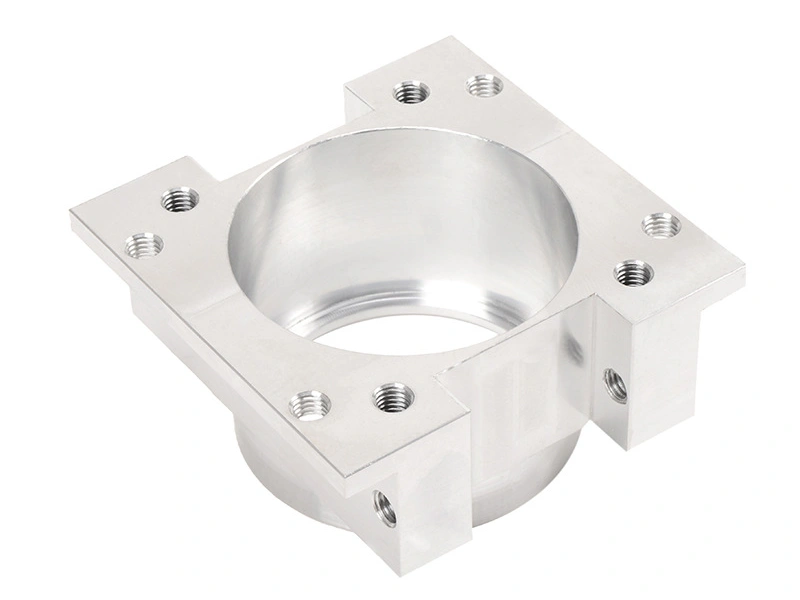
For many outdoor CNC parts, anodized Aluminum 6061 is the most affordable corrosion-resistant metal when the part sees rain, humidity, sunlight, and normal atmospheric exposure rather than marine chloride, strong chemicals, or heavy sliding wear. This answer depends on geometry, finish life, fastener material, drainage, and inspection requirements. Aluminum 6061 is widely available, easy to machine, light in weight, and naturally protected by an oxide layer. Its corrosion performance improves when the design allows proper cleaning, edge coverage, and anodizing. Aluminum 6061 is often a better first quote than stainless steel for outdoor enclosures, brackets, covers, housings, instrument plates, and support frames. Buyers should not choose it only because the raw bar price looks lower. The RFQ should define exposure zone, finish requirement, mating hardware, drain holes, cosmetic surfaces, critical threads, and expected service life before the material is approved. Classify the environment as sheltered outdoor, rain-washed, coastal, industrial, or chemical-cleaned. That classification changes whether anodized aluminum is enough or whether stainless steel, coating redesign, or isolation washers are needed.
Key advantages of Aluminum 6061 for outdoor parts:
Tensile strength is moderate for brackets, housings, covers, and light structural frames when the drawing uses the correct temper and safety factor.
Density is about 2.7 g/cm³, so larger parts can reduce mass, shipping weight, and support load compared with steel or stainless steel.
Finished-part cost is often low because 6061 stock is common, machining is efficient, and anodizing can protect many atmospheric applications.
Corrosion resistance is strong for normal outdoor exposure after suitable surface treatment, but cut edges, threaded holes, and trapped water still need design review.
Machinability and weldability are practical advantages when the part needs milled features, secondary joining, or prototype-to-production continuity.
Alternative Low-Cost Corrosion-Resistant Metals
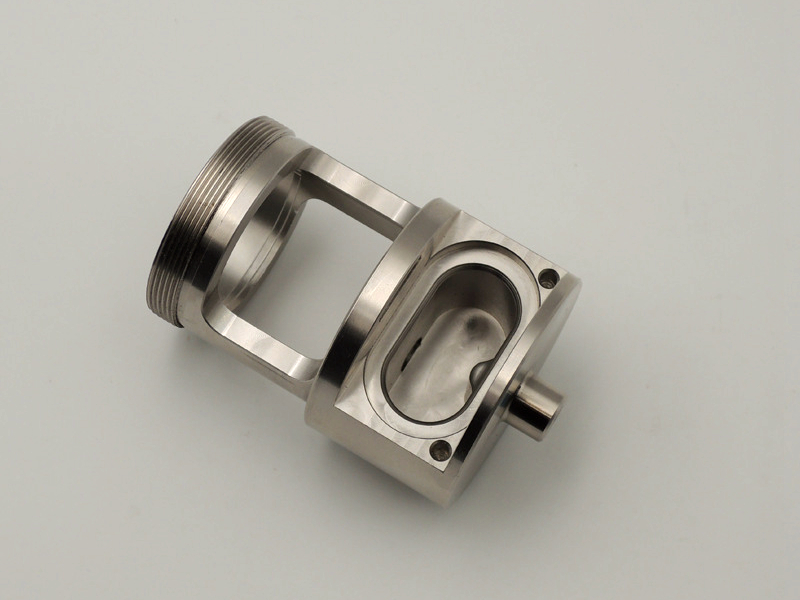
Stainless Steel 304: SUS304 costs more to machine than aluminum in many CNC parts, but it can be the lower-risk choice for washdown, cleaning chemicals, exposed fasteners, wear surfaces, and parts where coating damage is likely. It is not automatically the best option for marine chloride exposure, where grade and passivation requirements need closer review.
Brass C260: Brass C260 can work for outdoor fittings, covers, and conductive parts when appearance, machinability, and mild corrosion resistance matter more than high structural strength. The buyer should check dezincification risk, lead or alloy restrictions, galvanic contact, and whether tarnish is acceptable.
Coated Carbon Steel: Low-cost carbon steel can be protected with black oxide, galvanizing, or phosphating, but coating life depends on edge coverage, scratches, salt exposure, and maintenance. It usually fits brackets, fixtures, guards, or temporary outdoor hardware better than precision sealing or appearance-critical parts.
Surface Treatments for Enhanced Outdoor Durability
Surface treatment should be chosen after the material, geometry, and exposure are known, because the coating becomes part of the corrosion system. Thin sharp edges, blind holes, tapped threads, masking areas, and cosmetic faces can change how a finish protects the part. The buyer should ask whether the quoted finish covers the critical surfaces, whether coating thickness affects fits, and how scratches or cut edges will be handled. Acceptance can include visual limits, coating thickness range, thread gauge checks after finishing, and corrosion testing when the buyer's industry specification requires salt spray or humidity exposure.
Anodizing for Aluminum works well for many 6061 outdoor components when thickness, color, sealing, and contact with stainless hardware are controlled.
Powder Coating can add color and thicker barrier protection, but tight holes, grounding faces, threads, and assembly interfaces may need masking or post-finish inspection.
Electropolishing for Stainless Steel can improve stainless surface condition, but it does not replace correct grade selection, passivation assumptions, or chloride exposure review.
RFQ Checks for Outdoor Corrosion-Resistant Parts
Neway-related material selection for outdoor CNC parts should compare total finished-part cost, not only raw material cost. For low-volume production or mass manufacturing, the RFQ should state outdoor exposure, expected lifetime, surface finish, color or cosmetic class, mating fasteners, critical threads, coating thickness limits, inspection datum, packaging condition, and whether salt spray or humidity testing is required by the buyer's specification. A practical validation route is to review first-article dimensions after finishing, confirm thread fit after coating, inspect edges and blind holes, and verify that galvanic pairs are isolated or intentionally accepted. Failure modes to discuss include pitting near trapped water, white corrosion on damaged anodizing, red rust at cut steel edges, and galvanic attack around mixed-metal fasteners. For outdoor electronics or sensor housings, also define grounding faces, gasket grooves, masked sealing areas, post-finish flatness checks, and approved final production release records before comparing material quotes. If the environment is unknown, ask for two quotes: anodized 6061 for normal atmospheric service and stainless 304 or another suitable grade for harsher corrosion risk.
Explore corrosion-resistant options: