
सिरेमिक 3D प्रिंटिंग सेवा | एल्युमिना, ज़िरकोनिया, सिलिकॉन कार्बाइड
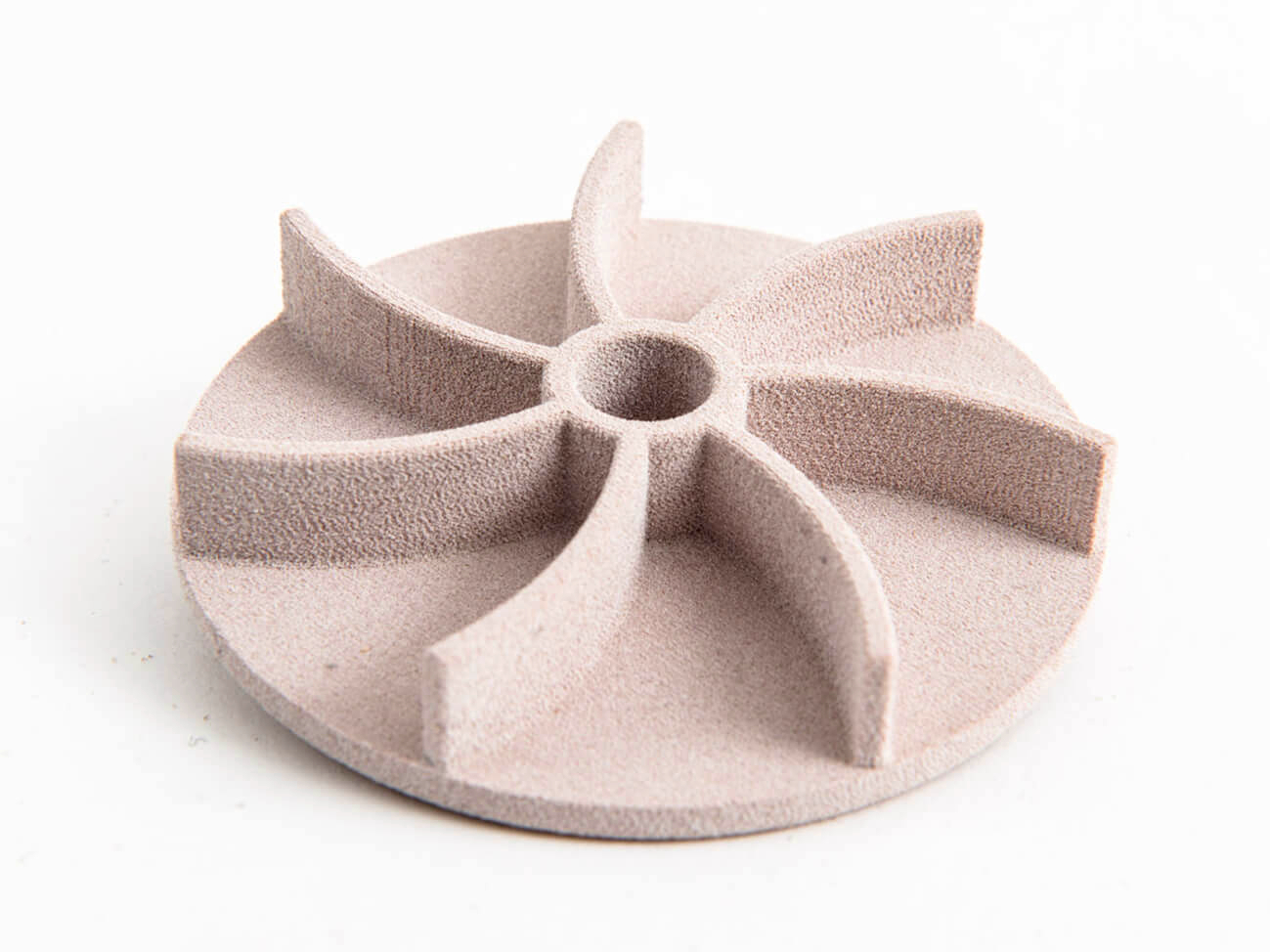 Introduction: पारंपरिक सिरेमिक मैन्युफैक्चरिंग की ज्योमेट्रिक सीमाओं को तोड़ना
हाई-एंड मैन्युफैक्चरिंग में इंजीनियरिंग सिरेमिक, अत्यधिक तापमान, संक्षारण और उच्च wear जैसे अत्यंत कठोर वातावरण के लिए अनिवार्य key materials हैं। उनकी बेहतरीन high-temperature resistance, corrosion resistance, उच्च hardness और शानदार electrical insulation उन्हें बहुत खास बनाती हैं। लेकिन पारंपरिक सिरेमिक मैन्युफैक्चरिंग तरीक़े—जैसे dry pressing और slip casting—जटिल ज्योमेट्री बनाने के मामले में स्पष्ट सीमाएँ दिखाते हैं: महंगे moulds, लंबा lead time, और internal cavities, porous structures तथा अन्य innovative डिजाइन हासिल करने में कठिनाई। इन्हीं चुनौतियों ने सिरेमिक additive manufacturing टेक्नोलॉजी के तेज़ विकास को आगे बढ़ाया है। आज Ceramic 3D Printing पारंपरिक प्रोसेस की इन सीमाओं से बाहर निकल कर high-performance सिरेमिक कॉम्पोनेंट्स के लिए पहले से कहीं अधिक design freedom दे रही है।
Core Ceramic 3D Printing Technologies: Stereolithography (SLA) और Binder Jetting
Ceramic 3D Printing मुख्य रूप से दो core technologies पर आधारित है। दोनों की अपनी-अपनी विशेषताएँ हैं और अलग-अलग एप्लिकेशन ज़रूरतों को पूरा करने के लिए डिज़ाइन की गई हैं।
Ceramic stereolithography (SLA) में ceramic powder युक्त photosensitive resin slurry को raw material के रूप में उपयोग किया जाता है। प्रिंटिंग के दौरान UV लेज़र, प्री-डिफाइंड cross-sectional geometry के अनुसार slurry की सतह को चयनित रूप से स्कैन करता है, resin को cure करता है और इस तरह ceramic powder को आपस में बाँध देता है। यह layer-by-layer प्रोसेस तब तक चलता है जब तक पूरा “green body” तैयार न हो जाए। इस टेक्नोलॉजी की सबसे बड़ी खूबियाँ हैं अत्यधिक उच्च dimensional accuracy और बेहतरीन surface quality – जो इसे fine features वाली complex structures के लिए खास तौर से उपयुक्त बनाती हैं।
Binder jetting technology में dry ceramic powder को raw material के रूप में उपयोग किया जाता है। प्रिंट हेड, powder bed पर liquid binder को चयनित रूप से deposit करता है, जिससे ceramic particles layer-by-layer आपस में बंधते जाते हैं और पार्ट बनता है। इस टेक्नोलॉजी का मुख्य लाभ यह है कि इसे support structures की आवश्यकता नहीं होती और इसकी printing speed अपेक्षाकृत अधिक होती है, इसलिए यह medium से large-size कॉम्पोनेन्ट्स के लिए अधिक उपयुक्त है।
ध्यान देने वाली बात यह है कि Ceramic 3D Printing, materials और process mechanisms दोनों के स्तर पर धातु या प्लास्टिक 3D Printing से मूल रूप से अलग है। प्रिंट किया गया ceramic “green body” अपेक्षाकृत कम strength वाला होता है और उसे पूरी तरह dense final पार्ट में बदलने के लिए जटिल post-processing steps से गुज़रना पड़ता है।
तीन हाई-परफॉर्मेंस इंजीनियरिंग सिरेमिक मटेरियल्स का गहन विश्लेषण
Ceramic 3D Printing में तीन मटेरियल्स अपनी विशिष्ट performance advantages के कारण सबसे अलग नज़र आते हैं।
Alumina ceramics सबसे आम इंजीनियरिंग सिरेमिक में से हैं। Alumina (Al₂O₃) उच्च hardness, बेहतरीन electrical insulation और मजबूत chemical stability प्रदान करती है, और wear-resistant, insulating तथा corrosive environments में उत्कृष्ट प्रदर्शन देती है। 3D Printing से बनी alumina components का व्यापक उपयोग electronic insulators, wear-resistant liners और medical instrument carriers में किया जाता है।
Zirconia ceramics को उनकी बेहतरीन mechanical properties के कारण “ceramic steel” कहा जाता है। Zirconia (ZrO₂) transformation toughening mechanism के माध्यम से सभी सिरेमिक मटेरियल्स में सबसे अधिक fracture toughness और flexural strength हासिल कर सकती है, साथ ही कम thermal conductivity और biocompatibility भी प्रदान करती है। ये खूबियाँ इसे dental implants, cutting tools, pump और valve seals तथा fuel cell components के लिए आदर्श मटेरियल बनाती हैं।
Silicon carbide ceramics इंजीनियरिंग सिरेमिक performance के शिखर का प्रतिनिधित्व करती हैं। Silicon Carbide (SiC) अत्यधिक उच्च thermal conductivity, 1600°C और उससे अधिक तक की high-temperature resistance तथा उत्कृष्ट thermal shock resistance प्रदान करता है, और अत्यंत कठोर वातावरण में भी स्थिर प्रदर्शन बनाए रखता है। इसी कारण यह semiconductor process fixtures, rocket nozzles और high-temperature heat exchangers जैसे एप्लिकेशंस में लगभग अपरिहार्य है।
Ceramic 3D Printing चुनने के पाँच प्रमुख लाभ
Ceramic additive manufacturing हाई-एंड मैन्युफैक्चरिंग के लिए क्रांतिकारी लाभ लेकर आता है। इसके core advantages मुख्य रूप से निम्न पहलुओं में दिखते हैं:
Unmatched geometric freedom Ceramic 3D Printing का सबसे बड़ा लाभ है। यह porous structures, internal channels और thin-walled lattices जैसी complex geometries बनाने में सक्षम है, जिन्हें पारंपरिक तरीकों से बनाना अत्यंत कठिन या लगभग असंभव है – इस तरह यह design innovation के लिए नए रास्ते खोलता है।
Tooling-free, rapid iteration प्रोडक्ट डेवलपमेंट को तेज़ी से आगे बढ़ाता है। डिजाइनर्स सीधे CAD मॉडल से Prototyping Service स्टेज में जा सकते हैं, और बहुत तेज़ी से design concepts को validate कर सकते हैं – यह विशेष रूप से custom और low-volume प्रोडक्ट डेवलपमेंट के लिए उपयुक्त है।
Excellent material performance final पार्ट की reliability सुनिश्चित करता है। Optimized process parameters और सख़्त तरीके से नियंत्रित sintering के साथ प्रिंटेड पार्ट्स की final density और properties, पारंपरिक तरीकों से बने सिरेमिक्स के बहुत नज़दीक पहुँच सकती हैं।
Functional integration प्रोडक्ट reliability को और बढ़ाता है। Ceramic 3D Printing, कई components को एक single printed piece में integrate करने की सुविधा देता है, जिससे assembly steps और potential failure points कम हो जाते हैं और पूरे सिस्टम का प्रदर्शन बेहतर होता है।
Personalization और customization के लिए समर्थन Ceramic 3D Printing को medical और research जैसे क्षेत्रों की विशेष ज़रूरतों के लिए बेहद उपयुक्त बनाता है। चाहे low-volume manufacturing Service हो या one-off custom पार्ट, दोनों को نسبतः किफायती लागत पर संभव किया जा सकता है।
“Green Body” से Dense Part तक: Ceramic 3D Printing के Key Post-Processing Steps
Ceramic 3D Printing की सफलता काफी हद तक उसके post-processing की quality control पर निर्भर करती है। Debinding पहला critical step है, जिसमें प्रिंटेड पार्ट के अंदर मौजूद organic binders या resin घटकों को नियंत्रित heating के माध्यम से हटाया जाता है, और बहुत नाज़ुक “brown body” तैयार होता है। इस step में cracking या deformation से बचने के लिए temperature control अत्यधिक सावधानी की मांग करता है।
High-temperature sintering वह core process है जो पार्ट की final performance को निर्धारित करता है। सामान्य metal sintering से काफ़ी अधिक तापमान (अक्सर 1500°C से ऊपर) पर, ceramic particles diffusion के माध्यम से आपस में fuse होकर densification और अंतिम mechanical properties प्राप्त करते हैं। सिद्धांत रूप से यह Heat Treatment for CNC Machining से मिलता-जुलता है, लेकिन ceramics के लिए temperature control और process requirements कहीं अधिक सख़्त होते हैं।
Finishing और secondary processing यह सुनिश्चित करते हैं कि पार्ट end-use requirements को पूरा करे। Sintered components को final dimensions हासिल करने के लिए precision grinding की आवश्यकता हो सकती है, जिसके लिए CNC Grinding Service का उपयोग किया जा सकता है। जिन पार्ट्स के लिए विशेष surface requirements हों, वहाँ इच्छित surface finish पाने के लिए CNC Part Polishing Service का सहारा लिया जा सकता है।
Ceramic 3D Printing vs. पारंपरिक Ceramic Manufacturing vs. CNC-Machined Ceramics
किसी भी ceramic पार्ट के लिए सही process चुनने के लिए प्रोजेक्ट की विशिष्ट ज़रूरतों का समग्र मूल्यांकन करना ज़रूरी होता है।
पारंपरिक ceramic manufacturing की तुलना में, Ceramic 3D Printing mould cost, geometric complexity और production lead time के मामलों में स्पष्ट लाभ देता है। खासकर low-volume production में 3D Printing कहीं अधिक economical साबित होता है।
Ceramic CNC Machining Service की तुलना में, दोनों के अपने-अपने strengths हैं। Ceramic 3D Printing अत्यंत complex shapes, उच्च material utilization और बिना tool wear के साथ पार्ट बनाने में माहिर है। दूसरी ओर, CNC machining अपेक्षाकृत सरल geometries, ultra-high dimensional accuracy और बेहतरीन surface finish वाले पार्ट्स के लिए अधिक उपयुक्त है, हालांकि इसमें material waste और tooling cost अधिक होती है।
वास्तविक प्रोडक्शन में हम अक्सर एक hybrid manufacturing strategy अपनाते हैं: पहले 3D Printing के ज़रिए near-net-shape blanks तैयार किए जाते हैं, और फिर critical mating surfaces पर fine finishing के लिए Precision Machining Service लागू की जाती है। यह combined approach दोनों टेक्नोलॉजीज़ के strengths को जोड़कर, सबसे cost-effective तरीके से high-quality final पार्ट्स उपलब्ध कराती है।
Cutting-Edge Applications: Ceramic 3D Printing कैसे High-End Manufacturing चुनौतियों को हल करता है
Ceramic 3D Printing, कई high-end इंडस्ट्रीज़ में लगातार अधिक महत्वपूर्ण भूमिका निभा रहा है।
Aerospace and Aviation में, Ceramic 3D Printing का उपयोग lightweight, high-temperature-resistant turbine blade cores, radomes और engine sensor housings बनाने के लिए किया जाता है। ये कॉम्पोनेन्ट्स अत्यधिक परिस्थितियों में भी स्थिर प्रदर्शन बनाए रखते हैं और aerospace technology की प्रगति को सपोर्ट करते हैं।
Medical Device सेक्टर में, zirconia ceramics की biocompatibility उन्हें customized orthopedic implants और porous dental restorations के लिए आदर्श मटेरियल बनाती है। 3D Printing के माध्यम से, implants को प्रत्येक मरीज की anatomical संरचना के अनुरूप customize किया जा सकता है, जिससे clinical outcomes में उल्लेखनीय सुधार होता है।
Industrial Equipment में, 3D-printed silicon nitride (Si₃N₄) electrostatic chucks का व्यापक उपयोग semiconductor manufacturing में किया जाता है, जबकि विभिन्न corrosion- और wear-resistant ceramic valve components कठोर औद्योगिक वातावरण में long-term, stable operation सुनिश्चित करते हैं।
Neway की Ceramic 3D Printing क्षमताएँ और प्रतिबद्धता
Neway में, हमारा लक्ष्य सबसे पेशेवर ceramic additive manufacturing solutions प्रदान करना है। हम उन्नत Ceramic 3D Printing equipment के साथ-साथ सख़्त तरीके से नियंत्रित debinding और sintering furnaces संचालित करते हैं, ताकि हर पार्ट उच्चतम गुणवत्ता मानकों को पूरा कर सके। ceramic मटेरियल्स की हमारी गहरी समझ और process parameters के समृद्ध डेटाबेस के आधार पर, हम प्रत्येक एप्लिकेशन के लिए optimized manufacturing solutions प्रदान कर सकते हैं।
हम एक संपूर्ण One-Stop Service प्रदान करते हैं—design consultation और printing से लेकर post-processing और final inspection तक—यह सुनिश्चित करते हुए कि ग्राहकों को end-to-end सपोर्ट मिले। चाहे high-thermal-conductivity मटेरियल्स जैसे Aluminum Nitride (AlN) को हैंडल करना हो या जटिल internal structures वाले कॉम्पोनेन्ट्स का प्रोडक्शन, हमारे पास आवश्यक तकनीकी क्षमता और अनुभव मौजूद है।
Conclusion: High-Performance Ceramic Part Manufacturing का नया अध्याय
Ceramic 3D Printing, high-performance सिरेमिक कॉम्पोनेन्ट्स के मैन्युफैक्चरिंग में संभावनाओं को पूरी तरह नया रूप दे रहा है। पारंपरिक प्रोसेस की geometric सीमाओं को पार करके, यह टेक्नोलॉजी प्�ोडक्ट innovation और performance enhancement के लिए नए रास्ते खोल रही है। Aerospace, medical devices, industrial equipment और अन्य advanced manufacturing क्षेत्रों में ceramic additive manufacturing की भूमिका लगातार बढ़ती जा रही है।
जैसे-जैसे टेक्नोलॉजी और material systems परिपक्व होते जाएँगे, हमें पूरा विश्वास है कि Ceramic 3D Printing और भी अधिक एप्लिकेशंस में अपनी value साबित करेगा। Neway, विभिन्न उद्योगों के इंजीनियर्स और designers के साथ मिलकर Ceramic additive manufacturing की असीम संभावनाओं की खोज करने और तकनीकी innovation के साथ-साथ औद्योगिक upgrading को आगे बढ़ाने की आशा रखता है।
FAQs
क्या 3D Printing के बाद zirconia ceramics को दांतों के shades जैसे रंगों में color किया जा सकता है?
Ceramic 3D Printing में वर्तमान में अधिकतम build size और accuracy स्तर क्या हासिल किए जा सकते हैं?
क्या Silicon Carbide Ceramic 3D Printing तकनीक परिपक्व है, और अभी कौन-सी चुनौतियाँ मौजूद हैं?
Ultra-precise ceramic पार्ट्स के लिए pure 3D Printing बेहतर है या hybrid manufacturing?
