A Manufacturing Partner for Small-Batch Pump Impeller Projects
A Manufacturing Partner for Small-Batch Pump Impeller Projects
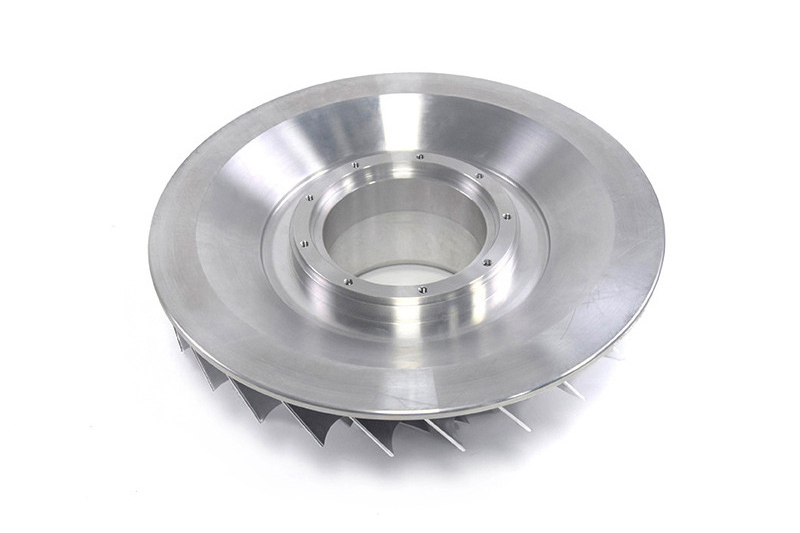
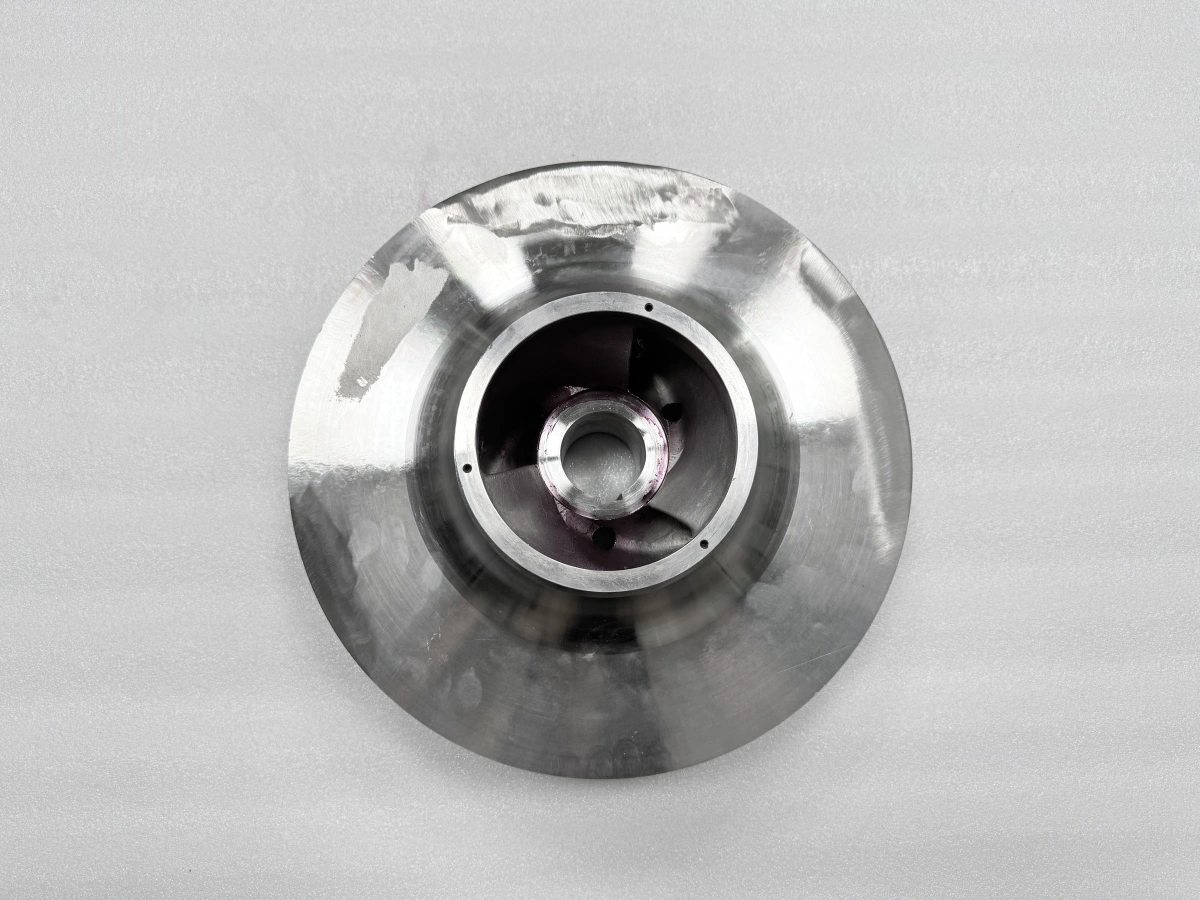
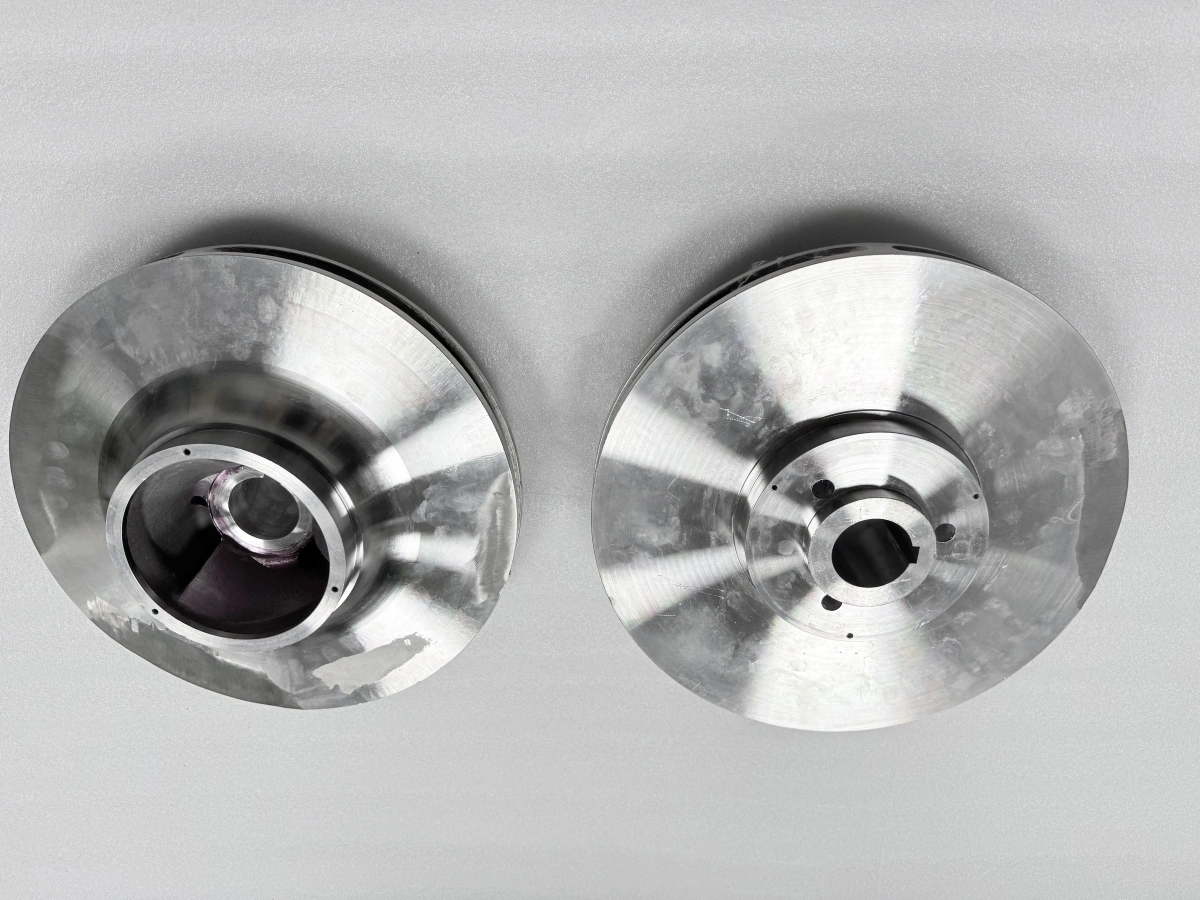
A customer's small-batch order covered a closed pump impeller assembly and associated wear rings. The drawing connected a casting-derived impeller body with machined interfaces and later assembly requirements, while the inspection plan listed planned stages for casting, machining, assembly, inspection, and balancing. For this industrial equipment project, Neway's documented contribution was the proposed investment-casting and machining route. A small batch pump impeller manufacturing partner can connect customer-issued requirements with manufacturing scope, raise interface-dependent questions for review, and plan record needs for the relevant stage.
Begin with the Customer's Technical Need
The customer-issued drawing and inspection plan defined the component relationship, drawing-specified materials, interface requirements, planned control stages, and expected evidence. Neway's documented response also identified planned interfaces for examination, balancing, and documentation. Together, those sources distinguish fixed customer inputs from interface-dependent choices that still require review against the customer requirements. The broader CNC machining scope therefore concerned the features that required work after casting, rather than treating the entire impeller as a part turned from solid stock.
Review the Impeller and Wear Rings as One Project Scope
The order did not define the impeller body and wear rings as unrelated parts. Their interface belonged to the same product definition and became relevant again at assembly. That connection gives the customer and manufacturer a clear reason to review part condition, machining boundaries, and handover requirements together. The customer can confirm the intended configuration and governing document revision. Neway can show where the proposed casting route ends, where later machining begins, and where an assembly-dependent choice may affect setup or documentation. Keeping the component set in one review also prevents different operations from working from different assumptions about the part state. In a small batch, that continuity matters because the initial interpretation must remain consistent from the route proposal through the later record request.
Keep Material Requirements Clear Across the Team
The drawing specified WCB for the impeller and CA6NM for the wear rings. WCB sits within the broader carbon steel machining family, while CA6NM sits within the broader stainless steel machining family. Those categories provide useful process context for a manufacturing review, but the drawing-specified grades remain the project requirement. This separation gives the customer a clear basis for material and documentation questions and gives Neway a defined basis for discussing casting and machining response without treating a related material family as an approved substitution.
Make the Interface Strategy a Shared Decision
The drawing relationship and recorded project discussion identified assembly finish-machining as a possible method for controlling a common datum and fit relationship. The customer remains responsible for the functional drawing requirement and acceptance basis. At a joint review, Neway can assess the manufacturing conditions that affect the choice: access to the relevant interface, available machining stock, the assembled setup condition, and the surfaces included in the CNC turning scope. This creates a practical basis for comparing separate machining with assembly-state finishing while keeping the decision tied to the same customer requirement.
Coordinate the Route Without Blurring Responsibilities
The project connected casting, machining, assembly, and planned inspection activities, so an interface question in one area could affect the scope of another. Neway's proposed route supplied a common manufacturing reference for those dependencies. In practical one-stop manufacturing support, Neway can coordinate questions across specialists and return the resulting options to the customer for decisions that remain under customer authority. Before the route is confirmed, the customer and Neway can use a quality assurance review to agree which records are needed, which planned stage each record belongs to, and which side is responsible for providing or reviewing it.
What Buyers Can Review with Neway
For buyers comparing a custom pump component supplier, a process list can show that casting or turning is available, but it does not show how an interface-dependent question will be handled. A partner review can focus on how the supplier states assumptions, returns choices to the customer, and keeps the proposed scope consistent with the current drawing and inspection plan. These are practical signs of engineering manufacturing support for a connected component set.
For a similar small-batch pump program, Neway can review the part list, drawings, drawing-specified materials, interface strategy, planned inspection stages, and requested records as one connected package. That review is most valuable before quoting assumptions become route decisions. Buyers evaluating low-volume manufacturing support can begin by identifying which requirements are fixed, which technical choices require a shared decision, and which records must accompany each stage. The aim would be a clearer division of responsibility and a focused engineering conversation for the impeller and wear-ring project.