Услуги ЧПУ-обработки керамики: все, что вам нужно знать
Введение: Инженерная керамика — когда исключительные материалы встречаются с прецизионной обработкой
В современном ландшафте высокотехнологичного производства инженерная керамика переопределяет границы производительности во многих критически важных областях благодаря уникальному сочетанию своих свойств. Как инженер по материалам в компании Neway, я имел честь наблюдать полный путь керамических материалов от лабораторных исследований до крупномасштабного промышленного производства. Керамика не только обеспечивает твердость, износостойкость и химическую стабильность, значительно превосходящие возможности металлов, но также демонстрирует отличные высокотемпературные характеристики и биосовместимость. Однако эти выдающиеся свойства сопряжены с огромными проблемами при обработке — и именно здесь наши специализированные услуги ЧПУ-обработки керамики создают ценность.
От медицинских имплантатов до оборудования для производства полупроводников, от компонентов аэрокосмических двигателей до высокоточных измерительных приборов — инженерная керамика играет незаменимую роль в самых разных отраслях промышленности. Но чтобы полностью раскрыть ее потенциал, необходимо преодолеть трудности обработки, вызванные ее изначально высокой твердостью и хрупкостью. В компании Neway благодаря многолетнему накоплению технологий и инновациям в процессах мы успешно применили технологии прецизионной ЧПУ-обработки к различным видам инженерной керамики, предоставляя клиентам комплексные решения «под ключ» — от выбора материала до поставки готовых деталей.
Характеристики инженерной керамики: выдающиеся преимущества и проблемы обработки
Исключительная твердость, износостойкость и химическая стабильность
Наиболее заметной особенностью инженерной керамики является ее чрезвычайно высокая твердость, обычно достигающая 80–90 единиц по шкале HRA, что придает керамическим компонентам исключительную износостойкость. В сопоставимых условиях эксплуатации срок службы керамических деталей может в несколько или даже десятки раз превышать срок службы металлических аналогов. В то же время керамика демонстрирует отличную стойкость к большинству кислот, щелочей и солей, что делает ее особенно подходящей для использования в агрессивных химических средах. Кроме того, керамические материалы обладают превосходной биологической инертностью, закрепляя за ними статус ключевых материалов для применения в медицинских имплантатах.
Низкая плотность, высокая жесткость и отличные тепловые свойства
По сравнению с современными металлическими материалами инженерная керамика имеет относительно низкую плотность (обычно 3–6 г/см³) и очень высокий модуль упругости (300–400 ГПа), что означает, что при одинаковом весе керамические компоненты могут обеспечивать значительно более высокую структурную жесткость. Что касается теплового поведения, керамика характеризуется низкими коэффициентами теплового расширения и хорошей термической стабильностью. Некоторые виды керамики, такие как нитрид кремния, также демонстрируют выдающуюся стойкость к термическому удару, позволяя выдерживать резкие перепады температур без растрескивания.
Проблемы обработки, вызванные внутренней хрупкостью: трещины, выкрашивание и износ инструмента
Несмотря на множество преимуществ, присущие керамике твердость и хрупкость создают серьезные проблемы при обработке. Удаление материала происходит преимущественно путем хрупкого разрушения, что легко приводит к образованию микротрещин и выкрашиванию кромок. В то же время высокая твердость вызывает быстрый износ инструмента, делая обычные процессы и режимы резания совершенно непригодными. Эти вопросы требуют специальных стратегий обработки и решений по инструментальному оснащению — это и есть основа технической силы наших услуг по прецизионной обработке.
Возможности ЧПУ-обработки керамики от Neway: решения, разработанные специально для твердых и хрупких материалов
Станки с ЧПУ и специализированный инструмент, оптимизированные для керамики
Наши обрабатывающие центры для керамики были специально модернизированы для обеспечения повышенной жесткости, более стабильных систем охлаждения и улучшенной точности управления движением. Для режущего инструмента мы в основном используем алмазный инструмент, включая гальванические алмазные инструменты и инструменты из поликристаллического алмаза (PCD). В зависимости от типа керамического материала и требований к обработке мы подбираем алмазные инструменты с различной зернистостью, концентрацией и типом связки для достижения оптимального баланса между эффективностью обработки и качеством поверхности.
Специализированные приспособления и технологические приемы для минимизации риска разрушения
Керамические компоненты склонны к растрескиванию из-за концентрации напряжений в процессе закрепления. Мы разработали различные специализированные решения для оснастки, включая приспособления с низким уровнем напряжений, приспособления с контурной поддержкой и вакуумные патроны, чтобы обеспечить равномерное распределение сил зажима. Что касается параметров процесса, мы используем такие стратегии, как малая глубина резания, высокая скорость шпинделя и низкая скорость подачи, в сочетании с высокоотзывчивыми сервосистемами для точного контроля усилий резания и значительного снижения риска разрушения во время обработки.
Строгий контроль процесса для обеспечения точности размеров и целостности поверхности
Мы внедрили комплексную систему контроля процесса, специально разработанную для обработки керамики. От входного контроля материалов до мониторинга в процессе производства и финальной проверки качества — каждый этап регулируется строгими стандартами. Благодаря операциям прецизионного шлифования и оптимизированным параметрам мы можем достигать допусков на размеры ±0,005 мм и шероховатости поверхности до Ra 0,2 мкм, удовлетворяя даже самым требовательным требованиям применений.
Характеристики обработки и рекомендации по применению распространенных видов инженерной керамики
Диоксид циркония: Высокопрочная керамика для износостойких конструкционных компонентов
Керамика на основе диоксида циркония обладает механизмами упрочнения за счет фазового превращения и предлагает самую высокую вязкость разрушения среди инженерных керамик. Обработка диоксида циркония требует точного контроля температуры резания, чтобы избежать нежелательных фазовых превращений, которые могут вызвать изменения размеров. Диоксид циркония идеально подходит для компонентов, требующих как отличной износостойкости, так и умеренной ударной вязкости, таких как подшипники, уплотнительные кольца и медицинские имплантаты.
Оксид алюминия: Предпочтительный выбор для высокой твердости и электроизоляции
Керамика на основе оксида алюминия является одной из первых инженерных керамик, вышедших на коммерческий рынок; она обладает отличной электроизоляцией, высокой твердостью и относительно низкой стоимостью. При обработке оксида алюминия мы уделяем особое внимание качеству кромок, чтобы предотвратить выкрашивание. Этот материал широко используется в электронных изоляторах, износостойких футеровках и химических уплотнениях.
Нитрид кремния: Выдающаяся стойкость к термическому удару и механическая прочность
Керамика на основе нитрида кремния сочетает в себе высокую прочность, хорошую вязкость и отличную стойкость к термическому удару, что делает ее идеальной для высокотемпературных конструкционных применений. При обработке нитрида кремния мы применяем специальную геометрию инструмента и стратегии охлаждения для обеспечения превосходной целостности поверхности. Типичные области применения включают подшипники, режущий инструмент и компоненты двигателей.
Другие передовые керамики: нитрид алюминия, карбид кремния и другие
Помимо вышеупомянутых основных видов керамики, мы также способны обрабатывать передовые материалы, такие как нитрид алюминия (AlN) и карбид кремния (SiC). Нитрид алюминия обладает отличной теплопроводностью и электроизоляцией, что делает его идеальным для электронной упаковки. Карбид кремния, в свою очередь, отличается чрезвычайно высокой твердостью и термической стабильностью, что делает его подходящим для деталей, работающих в экстремально агрессивных средах.
Основные процессы ЧПУ-обработки керамики: точение, фрезерование, сверление и шлифование
ЧПУ-фрезерование керамики: формирование сложных геометрий
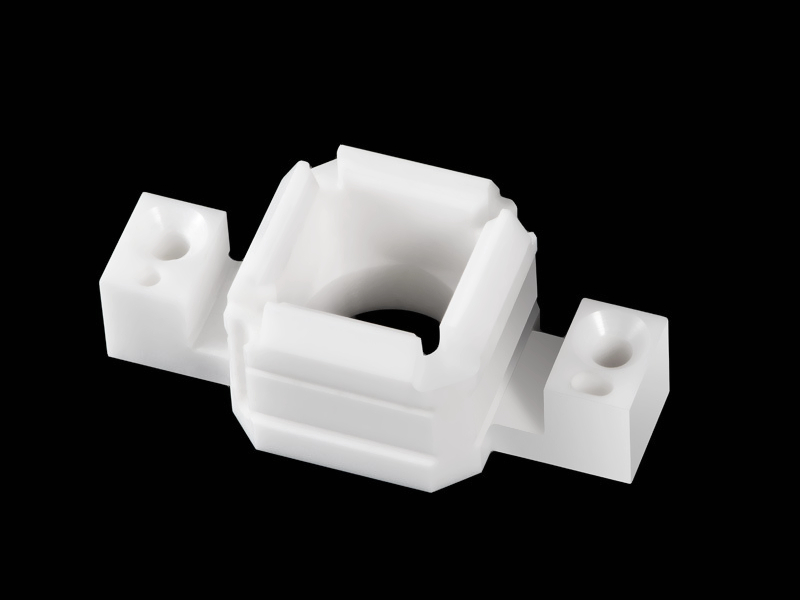
Фрезерование является одним из наиболее часто используемых нами методов обработки керамики и подходит для изготовления деталей со сложными профилями и трехмерными элементами. Во время фрезерования керамики мы используем малые шаги перекрытия и оптимизированные стратегии резания в сочетании с эффективной промывкой охлаждающей жидкостью для удаления стружки и предотвращения повреждения поверхности. Для керамических деталей на стадии разработки прототипов фрезерование является предпочтительным процессом для проверки осуществимости конструкции.
ЧПУ-точение керамики: прецизионная обработка ротационных деталей
Для ротационных керамических компонентов, таких как подшипники и втулки, мы применяем процессы прецизионного точения. В отличие от точения металлов, точение керамики требует алмазных инструментов с отрицательным передним углом для удаления материала в условиях резания, где доминируют напряжения сжатия. Оптимизируя траектории инструмента и параметры резания, мы можем достигать зеркального качества поверхности и точности размеров на уровне микрометров.
Сверление и нарезание резьбы в керамике: вызов микроотверстий и резьбы
Сверление мелких отверстий и нарезание резьбы в керамике является чрезвычайно сложной задачей. Мы используем специально разработанные алмазные сверла и метчики в сочетании с системами точного выравнивания и стабильного контроля подачи, чтобы обеспечить качество отверстий и целостность резьбы. Для микроотверстий с высоким соотношением сторон мы также можем применять электроэрозионную обработку (EDM) в качестве дополнительного процесса, в зависимости от конкретной конструкции и материала.
Шлифование керамики: достижение сверхвысокой точности и качества поверхности
Шлифование является основным методом финишной обработки керамики. Используя алмазные шлифовальные круги на смоляной или металлической связке вместе с тонкой правкой и оптимизированными параметрами шлифования, мы достигаем точности формы на субмикронном уровне и шероховатости поверхности на нанометровом уровне. Этот процесс особенно подходит для критически важных функциональных поверхностей, таких как керамические уплотнительные кольца и дорожки качения подшипников.
За пределами обработки: постобработка и обеспечение качества керамических компонентов
Прецизионная обработка и контроль размеров после спекания
Большинство изделий из инженерной керамики формируются путем прессования порошка и спекания — процесса, который неизбежно приводит к усадке и деформации. Поэтому финишная обработка после спекания необходима для достижения окончательных размеров. Благодаря прецизионному шлифованию и полировке мы точно контролируем окончательные размеры и геометрические допуски, обеспечивая полное соответствие проектным спецификациям.
Снятие фасок и улучшение поверхности для повышения прочности
Качество кромок напрямую влияет на прочность и надежность керамических компонентов. Мы используем специальные техники снятия фасок и полировки для удаления микротрещин и дефектов, возникших в процессе обработки, что значительно повышает механическую прочность. Для деталей с особыми требованиями мы предлагаем профессиональные услуги по полировке, гарантирующие оптимальное качество поверхности.
Передовые методы инспекции для обеспечения соответствия требованиям к производительности
Мы применяем ряд передовых методов инспекции для гарантии качества керамических компонентов. Помимо обычных проверок размеров, мы используем ультразвуковой контроль для обнаружения внутренних дефектов, микроскопы для исследования микроструктуры поверхности и, при необходимости, механические испытания и проверку эксплуатационных характеристик. Для деталей, требующих полной прослеживаемости, мы наносим постоянную маркировку с помощью лазерной гравировки.
Глубокий анализ отраслевых применений: как керамические компоненты стимулируют инновации
Медицинские устройства: хирургические инструменты, имплантаты и стоматологические компоненты
В секторе медицинских устройств керамика на основе диоксида циркония широко используется в искусственных суставах, зубных имплантатах и хирургических инструментах благодаря своей отличной биосовместимости и износостойкости. Изготавливаемые нами керамические головки бедренной кости и вертлужные впадины обладают чрезвычайно низкой скоростью износа и отличной остеоинтеграцией, что значительно продлевает срок службы имплантатов и улучшает качество жизни пациентов.
Аэрокосмическая отрасль: износостойкие втулки, изоляторы и корпуса датчиков
В аэрокосмической отрасли керамические компоненты используются в двигательных системах, навигационном оборудовании и конструкциях тепловой защиты. Наши подшипники из нитрида кремния и изоляторы из оксида алюминия надежно работают в экстремальных условиях высоких скоростей и температур, способствуя безопасности и долговечности аэрокосмических систем.
Полупроводниковая промышленность и электроника: держатели пластин, изолирующие приспособления и плазменные компоненты
В полупроводниковой отрасли керамика на основе оксида алюминия и нитрида алюминия является ключевым материалом благодаря своей превосходной электроизоляции и высокотемпературной стабильности. Производимые нами манипуляторы для пластин и вкладыши плазменных камер обеспечивают высокую размерную стабильность и чистоту, гарантируя точный контроль процесса и высокий выход годной продукции при производстве полупроводников.
Ключевая ценность выбора компании Neway для ЧПУ-обработки керамики
В компании Neway мы рассматриваем обработку керамики как искусство, требующее непрерывных исследований и инноваций. Наша инженерная команда не только владеет технологиями обработки, но и обладает глубокими знаниями в области материаловедения, что позволяет нам разрабатывать оптимальные технологические решения, основываясь на внутренних свойствах каждого керамического материала. От начального этапа проектирования прототипа до полномасштабного производства мы тесно сотрудничаем с нашими клиентами, чтобы гарантировать, что каждый этап соответствует самым высоким стандартам качества.
Наш подход комплексного обслуживания гарантирует, что клиенты получают всестороннюю техническую поддержку. Будь то простой изолятор из оксида алюминия или сложный конструкционный компонент из нитрида кремния, мы предоставляем услуги полного цикла, охватывающие выбор материала, проектирование процесса, обработку и контроль качества. Эта интегрированная модель не только повышает эффективность производства, но, что еще важнее, обеспечивает согласованность и надежность характеристик продукции.
В компании Neway мы убеждены, что каждый керамический компонент выполняет важную задачу для наших клиентов. Будь то спасающий жизнь искусственный сустав или компонент, позволяющий исследовать космос, мы применяем один и тот же уровень профессионализма и мастерства. Мы стремимся работать с вами, чтобы превратить исключительные свойства керамики в ощутимые конкурентные преимущества ваших продуктов.
Часто задаваемые вопросы (FAQ)
Какого уровня допусков и чистоты поверхности можно достичь при ЧПУ-обработке керамики?
Как вы предотвращаете растрескивание или выкрашивание керамических материалов во время обработки?
Требуется ли дополнительная постобработка керамических деталей после механической обработки?
Каковы основные факторы затрат в проектах по ЧПУ-обработке керамики?