
Обработка нержавеющей стали на станках с ЧПУ: все, что вам нужно знать
Введение: Нержавеющая сталь — выдающиеся характеристики и сложность обработки
В современном прецизионном производстве нержавеющая сталь выделяется своей исключительной коррозионной стойкостью, механической прочностью и чистым, эстетичным внешним видом. Как старший инженер-технолог в компании Neway, я каждый день вижу, что за этими преимуществами скрываются вполне реальные проблемы обработки. По сравнению со многими другими металлами, нержавеющая сталь склонна создавать более высокие силы резания, интенсивно упрочняется в процессе деформации и ускоряет износ инструмента — все это требует специальных стратегий, оптимизированного инструмента и стабильного контроля процесса.
В нашей повседневной деятельности по предоставлению услуг по обработке нержавеющей стали на станках с ЧПУ мы также замечаем, что многие инженеры фокусируются только на эксплуатационных характеристиках (прочность, коррозионная стойкость, внешний вид), недооценивая требования к правильной обработке этих марок. На самом деле, только понимая металлургию нержавеющей стали и ее поведение при резании, можно полностью раскрыть ее преимущества и надежно достичь жестких допусков, чистоты поверхности и долговечности. Основываясь на нашем накопленном опыте, данное руководство систематически разбирает ключевые технические аспекты обработки нержавеющей стали на станках с ЧПУ.
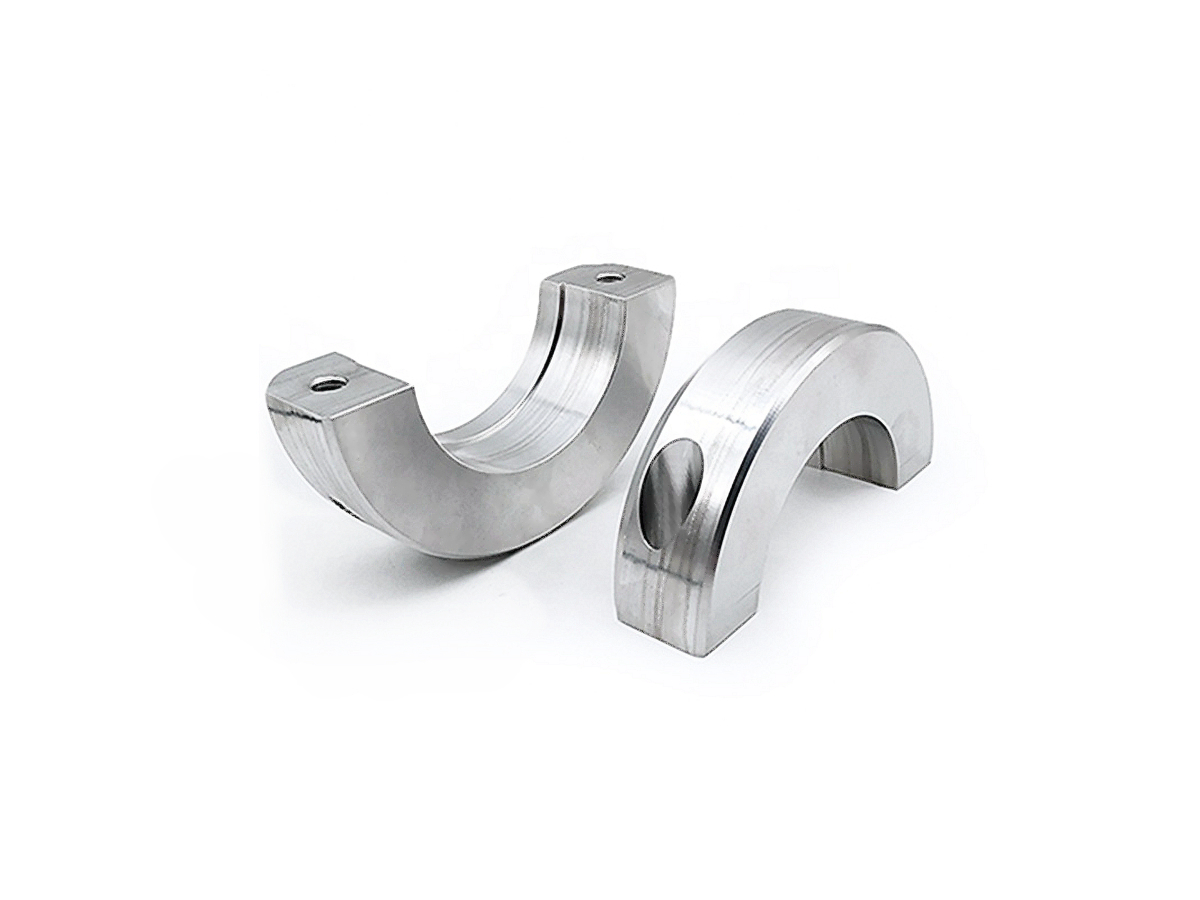
Понимание семейств нержавеющей стали: три основных типа и как выбрать
Аустенитная нержавеющая сталь: немагнитная, коррозионностойкая и сложная в обработке
Аустенитные марки являются наиболее широко используемым семейством, известным своей отличной коррозионной стойкостью и немагнитными свойствами. Они характеризуются повышенным содержанием хрома (≈ примерно 18%+) и никеля (≈ примерно 8%+). Типичные марки включают SUS303, SUS304 и SUS316. SUS303 содержит серу/селен для улучшения обрабатываемости и идеально подходит для крупносерийного точения и автоматической винторезной обработки. SUS304 является универсальной рабочей лошадкой, балансирующей между стоимостью, коррозионной стойкостью и прочностью. SUS316, легированный молибденом, обеспечивает превосходную стойкость к питтинговой коррозии, особенно в хлоридных средах и морских условиях.
Мартенситная нержавеющая сталь: высокая твердость, подвергаемая термообработке, износостойкая
Мартенситные марки разработаны для достижения высокой твердости и прочности посредством термообработки. Типичными примерами являются SUS420 и SUS440C, которые имеют повышенное содержание углерода (примерно 0,15–1,0%). После закалки и отпуска они могут достигать очень высокой твердости и широко используются для лезвий, подшипниковых компонентов, клапанов, прецизионных инструментов и некоторых медицинских инструментов, где требуются как износостойкость, так и базовая коррозионная стойкость.
Дисперсионно-твердеющая нержавеющая сталь: сверхвысокая прочность при контролируемой термообработке
Дисперсионно-твердеющие (PH) нержавеющие стали достигают высокой прочности благодаря старению, в ходе которого выделяются мелкие упрочняющие фазы. Ключевым представителем является SUS630 (17-4PH). В состоянии после раствора она обрабатывается относительно хорошо; после старения при 480–620°C она может достигать предела прочности на разрыв более 100 МПа, сохраняя при этом хорошую вязкость. Эти марки обычно используются в аэрокосмической отрасли, прецизионных приборах, а также в критических медицинских и промышленных компонентах, требующих высокой прочности, стабильности и коррозионной стойкости.
Четыре ключевые проблемы при обработке нержавеющей стали на станках с ЧПУ и способы их решения
1. Деформационное упрочнение: механизм, риски и контроль
Нержавеющие стали, особенно аустенитные, сильно склонны к деформационному упрочнению. Сильная пластическая деформация в зоне резания увеличивает плотность дислокаций и локальную твердость, делая последующие проходы более сложными для инструмента и увеличивая силы резания. Для смягчения этого эффекта мы:
Используем достаточную глубину резания, чтобы каждый проход снимал материал ниже упрочненного слоя, а не просто терся о него.
Обеспечиваем очень острые режущие кромки для минимизации деформации и трения.
Избегаем выстоя, трения и повторных легких проходов по одной и той же траектории.
Выбираем скорости резания, которые контролируют температуру и снижают эффекты упрочнения.
2. Высокие силы резания: геометрия инструмента и оптимизация параметров
Высокая прочность и вязкость означают большее сопротивление резанию, что может вызвать вибрацию, биение, отклонение размеров и проблемы с закреплением. В наших операциях фрезерования на станках с ЧПУ мы:
Применяем геометрию с положительным передним углом (≈15°–20°) для снижения сил резания.
Используем задние углы около 8°–10° для поддержания опоры и снижения износа задней поверхности.
Оптимизируем стружколомы и стратегии уменьшения глубины резания для поддержания стабильной нагрузки на зуб.
Балансируем производительность и стабильность, вместо того чтобы слепо увеличивать подачи и скорости.
3. Износ инструмента: адгезия, нарост и диффузия
При резании нержавеющей стали часто наблюдается кратерный износ на передней поверхности и равномерный износ задней поверхности из-за высоких температур резания, диффузии легирующих элементов и адгезии. Наши контрмеры:
Используем твердосплавные подложки с мелким зерном, обладающие высокой горячей твердостью и вязкостью.
Наносим PVD-покрытия, такие как TiAlN, AlTiN или AlCrN, для повышения термической стабильности и антиадгезионных свойств.
Разделяем инструмент для черновой обработки (более вязкий сорт) и чистовой обработки (более острая кромка, более твердое покрытие).
Внедряем строгий контроль ресурса инструмента для замены пластин до их катастрофического отказа.
4. Управление теплом: стратегия охлаждения и контроль термической деформации
Относительно низкая теплопроводность нержавеющей стали концентрирует тепло в зоне резания и на режущей кромке инструмента, ускоряя износ и вызывая деформацию деталей. Мы:
Используем охлаждающую жидкость под высоким давлением (часто 70–100 бар) для разрушения паровых барьеров и удаления стружки.
Выбираем специальные СОЖ для нержавеющей стали с противозадирными (EP) присадками как для смазки, так и для охлаждения.
Применяем инструмент с подачей СОЖ через тело для сверления, нарезания резьбы и операций глубокого сверления.
Контролируем температуру окружающей среды и станка при обработке критических прецизионных деталей.
Полная стратегия процесса обработки нержавеющей стали на станках с ЧПУ
Стратегия оснастки: подложка, геометрия и покрытие
Мы в основном используем твердосплавный инструмент с мелким зерном, обладающий:
Положительным передним углом для снижения сил резания и нагрева.
Усиленными режущими кромками для предотвращения микровыкрашивания под ударными нагрузками.
Острыми, доведенными кромками для минимизации деформационного упрочнения и образования нароста.
Для чистовой обработки инструмент с покрытиями TiAlN/AlCrN обеспечивает отличную термостойкость и снижает трение, результатом чего является стабильный ресурс инструмента и превосходное качество поверхности на аустенитных и PH марках.
Параметры резания: согласование скорости, подачи и глубины резания для каждой марки
Мы всегда калибруем параметры в зависимости от марки, жесткости и операции. Для фрезерования SUS304 типичный начальный диапазон может быть:
Скорость резания: 80–120 м/мин
Подача на зуб: 0,08–0,15 мм/зуб
Осевая глубина резания: 0,5–3 мм
Радиальная глубина резания: 30%–50% от диаметра инструмента
Для высокоточных элементов мы немного уменьшаем глубину резания и подачу, приоритизируем стабильность и используем многопроходную чистовую обработку.
Стратегия охлаждения: тип, концентрация и подача
Мы рекомендуем высококачественные эмульсии или полусинтетические смазочно-охлаждающие жидкости, обычно с концентрацией 8%–12%. Использование сопел высокого давления с направленным потоком или подача через инструмент помогают:
Снизить температуру в зоне сдвига.
Предотвратить повторное резание стружки и образование нароста.
Улучшить чистоту поверхности и ресурс инструмента.
Оснастка и закрепление заготовок: жесткость без деформации
Детали из нержавеющей стали, особенно тонкостенные геометрии, чувствительны к усилиям зажима и резания. Мы:
Используем мягкие кулачки, кулачки с индивидуальным контуром или вакуумные приспособления для равномерного распределения давления зажима.
Добавляем опорные подушки и элементы поддержки возле тонких стенок.
Применяем последовательность процессов: черновая обработка → снятие напряжений (где необходимо) → получистовая обработка → чистовая обработка.
Используем возможности многоосевой обработки для выполнения большего количества элементов за одну установку и снижения ошибок повторного зажима.
Особенности обработки ключевых марок нержавеющей стали
SUS303: оптимизирована для обрабатываемости
Благодаря добавлению S/Se, SUS303 легче ломает стружку и снижает силы резания. Типичное фрезерование: скорость резания 100–150 м/мин, подача 0,15–0,25 мм/зуб. Отлично подходит для валов, крепежных элементов, фитингов и точеных деталей. Примечание: Коррозионная стойкость ниже, чем у SUS304, поэтому избегайте применения в агрессивных средах.
SUS304: универсальный стандарт
SUS304 требует тщательно сбалансированных условий резания: 80–120 м/мин, при толщине стружки на зуб 0,10–0,20 мм/зуб является надежным начальным диапазоном. Контролируйте подвод тепла, чтобы избежать сенсибилизации и сохранить коррозионные свойства. Для ответственных применений мы часто выполняем пассивацию после обработки для восстановления и укрепления пассивной пленки.
SUS316: легирована молибденом, повышенные требования
SUS316 / 316L предлагает улучшенную стойкость к хлоридам, но ее сложнее обрабатывать, и она склонна к более быстрому упрочнению. Мы рекомендуем несколько более низкие скорости резания (70–110 м/мин) и скорость подачи 0,08–0,15 мм/зуб, с непрерывным резанием и без времени выстоя. Она широко используется в химической переработке, морской отрасли, медицине и гигиенических системах.
SUS420: координация обработки с термообработкой
В отожженном состоянии (~HRC20) SUS420 обрабатывается достаточно хорошо; после закалки до HRC50+ становится необходимым шлифование или твердое точение с использованием керамики/CBN. Наш типичный маршрут: черновая + получистовая обработка в отожженном состоянии → термообработка → чистовое шлифование или твердая обработка. Такой подход распространен для медицинских инструментов, лезвий и прецизионных износостойких деталей.
Решения по поверхностной и постобработке деталей из нержавеющей стали
Механическая отделка: пескоструйная обработка, полировка, браширование
Мы предлагаем индивидуальные виды механической отделки:
Дробеструйная обработка для получения равномерной матовой текстуры и маскировки дефектов.
Механическая полировка для зеркальных поверхностей, гигиены или премиальной эстетики.
Шлифовка (браширование) для создания направленной текстуры, износостойкости и современного промышленного вида.
Для компонентов, контактирующих с пищевыми продуктами, и санитарных компонентов мы строго контролируем шероховатость для соответствия требованиям очистки и нормативным стандартам.
Химическая обработка: пассивация, электрополировка, окрашивание
Пассивация удаляет свободное железо и усиливает богатый хромом пассивный слой, восстанавливая оптимальную коррозионную стойкость. Электрополировка улучшает как гладкость, так и коррозионную стойкость, особенно на сложных геометриях. Технологии химического окрашивания и оксидных пленок обеспечивают долговечные декоративные покрытия для архитектуры и видимых компонентов.
Передовые поверхностные технологии: PVD-покрытия и высококлассная электрополировка
Для требований по износостойкости или эстетике мы наносим PVD-покрытия (например, TiN, TiCN, DLC) на нержавеющую сталь для повышения твердости, снижения трения и добавления стабильных цветов. Решения высокоуровневой электрополировки широко используются на медицинских компонентах и компонентах для пищевой промышленности, где критически важны сверхчистые поверхности с низкой шероховатостью.
Основы контроля качества при обработке нержавеющей стали на станках с ЧПУ
Точность размеров и геометрии
Для противодействия термическому дрейфу и упругой деформации мы:
Используем поэтапную обработку с контролируемыми припусками.
Стабилизируем температуру станков, охлаждающей жидкости и окружающей среды.
Применяем контроль в процессе обработки и компенсацию (КИМ, щупы, калибры).
Для сверхточных деталей выполняем снятие напряжений или старение перед окончательной чистовой обработкой.
Целостность поверхности: помимо чисел шероховатости
Мы оцениваем целостность поверхности для критических деталей посредством:
Измерений шероховатости поверхности в соответствии с функциональными потребностями.
Микроскопического осмотра на наличие надрывов, налепов, микротрещин или намазанного материала.
Металлографических проверок для обеспечения отсутствия вредных структурных изменений.
Это особенно важно для деталей, используемых в химической переработке, системах под давлением или в медицинской среде.
Проверка коррозионных характеристик
Если обработка, загрязнение или неправильная отделка ухудшают коррозионную стойкость, под угрозу ставится вся концепция проектирования. Мы проводим проверку через:
Испытания в нейтральном солевом тумане для эталонного сравнения.
Визуальный и микроскопический осмотр после воздействия.
Электрохимические тесты (например, потенциал питтинга) для наиболее ответственных компонентов.
При возникновении проблем мы прослеживаем историю через сертификаты на материал, этапы обработки и поверхностные обработки, затем устраняем проблему, воздействуя на ее первопричину.
Типичные области применения обработки нержавеющей стали на станках с ЧПУ
Медицинский сектор: хирургические инструменты, имплантаты, корпуса
В индустрии медицинских устройств нержавеющая сталь широко используется благодаря своей биосовместимости, коррозионной стойкости и совместимости с методами стерилизации. Мы производим прецизионные зажимы, ножницы, компоненты сверл и корпуса с жесткими допусками и отличным качеством отделки. Для долгосрочных имплантатов мы используем низкоуглеродистые и высокоочищенные марки, такие как 316L, в сочетании с контролируемыми стратегиями обработки и отделки.
Пищевая промышленность и напитки: гигиенические компоненты и системы
Для применений в пищевой и напитковой промышленности мы обрабатываем направляющие, клапаны, корпуса насосов и резервуары, которые должны быть гигиеничными, легко очищаемыми и свободными от застойных зон. Мы контролируем сварные швы, переходы и шероховатость поверхности для соответствия санитарным стандартам и минимизации риска загрязнения.
Химическая и морская отрасли: конструкции, критичные к коррозии
На химических заводах и в оффшорных или морских условиях мы производим корпуса насосов, компоненты клапанов, коллекторы и трубные фитинги из нержавеющей стали SUS316 и дуплексных марок. Компоненты часто имеют сложные внутренние каналы и уплотнительные интерфейсы, где наши возможности многоосевой обработки на станках с ЧПУ и передовые возможности инспекции обеспечивают как точность, так и долговечность.
Почему стоит сотрудничать с Neway в области обработки нержавеющей стали на станках с ЧПУ
В компании Neway мы не относимся к нержавеющей стали как к «просто еще одному материалу». Мы сочетаем глубокое понимание металлургии, оптимизированные библиотеки инструмента, проверенные данные резания и надежные системы качества для достижения стабильных результатов как в прототипировании, так и в массовом производстве. Наши внутренние базы данных предоставляют рекомендации по процессам для распространенных и специальных марок нержавеющей стали, позволяя нам быстро определять надежные окна обработки для ваших деталей.
Благодаря нашему интегрированному комплексному обслуживанию, мы поддерживаем вас от выбора материала и анализа технологичности конструкции (DFM) через обработку на станках с ЧПУ, термообработку и поверхностную отделку до финальной инспекции и документации. Нужны ли вам несколько сложных прототипов или стабильное крупносерийное производство, мы структурированы для поставки деталей, соответствующих как вашим чертежам, так и требованиям реального применения.
Часто задаваемые вопросы (FAQ)
Как выбрать правильную марку нержавеющей стали для моего применения?
Каких распространенных ошибок при обработке нержавеющей стали следует избегать?
Как пассивация или электрополировка улучшают коррозионную стойкость?
Какие меры предосторожности необходимы при обработке тонкостенной нержавеющей стали?
Как компания Neway обеспечивает стабильное качество при обработке нержавеющей стали?
