निकेल-आधारित मिश्रधातुएँ
सामग्री परिचय
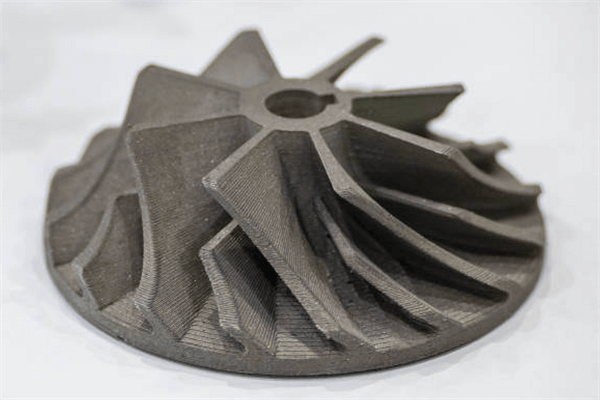
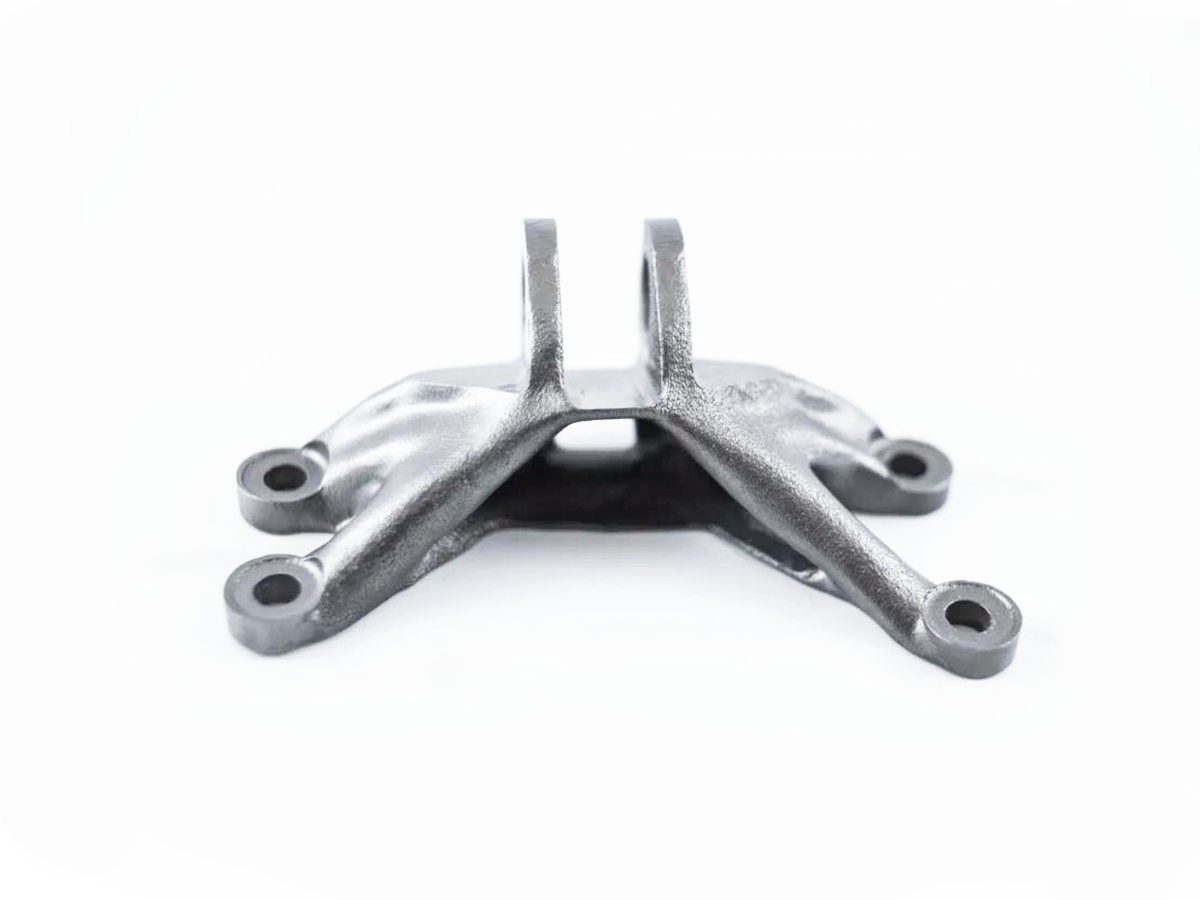
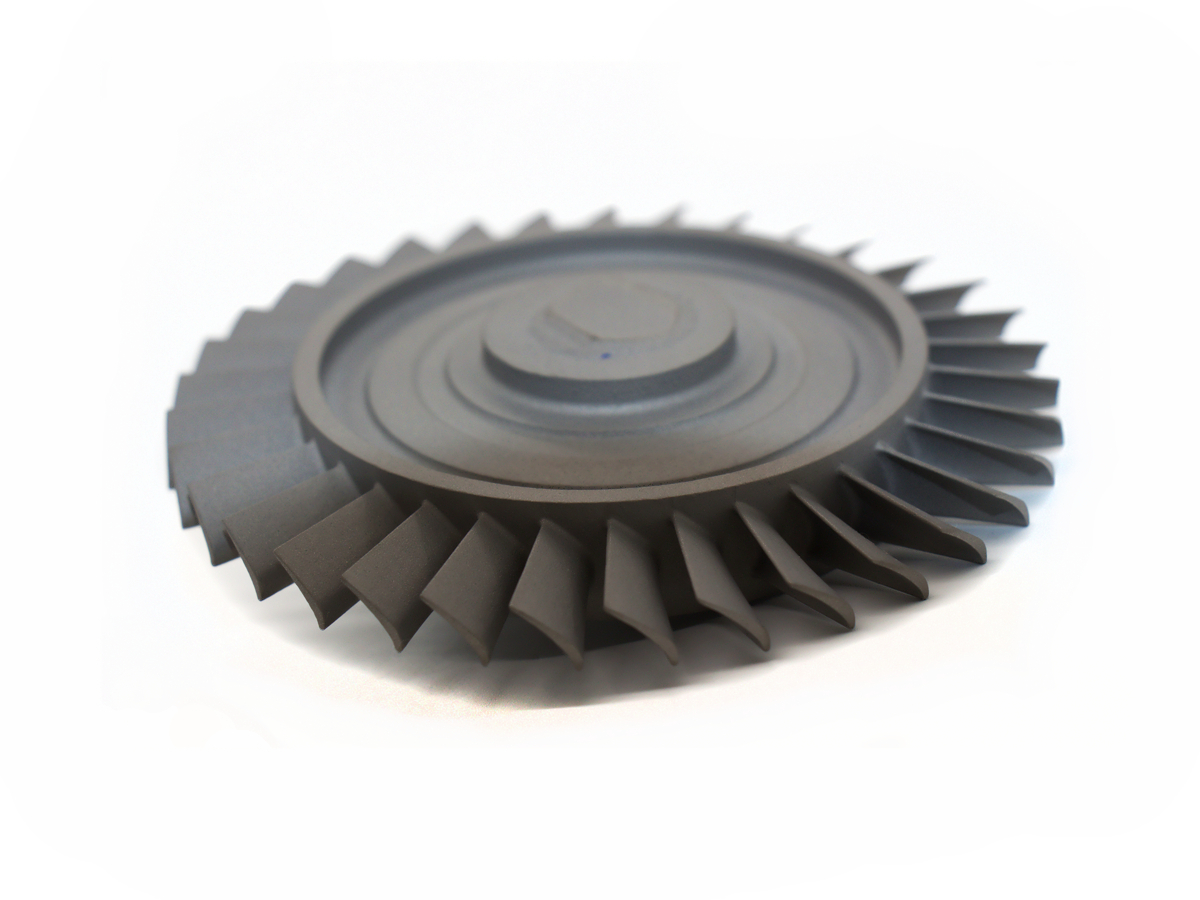
3D प्रिंटिंग के लिए निकल-आधारित मिश्रधातुएँ उच्च-प्रदर्शन, ऊष्मा-प्रतिरोधी सामग्री हैं, जिन्हें उन मांग-भरे वातावरणों के लिए इंजीनियर किया गया है जहाँ अत्यधिक तापमान, संक्षारण, यांत्रिक थकान और ऑक्सीकरण प्रतिरोध अत्यंत महत्वपूर्ण होते हैं। ये मिश्रधातुएँ—जिनमें Inconel 625, Inconel 718, और Inconel 939 जैसे प्रसिद्ध ग्रेड शामिल हैं—एयरोस्पेस टर्बाइन्स, पावर-जनरेशन सिस्टम्स, केमिकल प्रोसेसिंग, टूलिंग और हाई-टेम्परेचर मैकेनिकल असेंबलीज़ में उत्कृष्ट प्रदर्शन करती हैं। मेटल एडिटिव मैन्युफैक्चरिंग इन मिश्रधातुओं को असाधारण माइक्रोस्ट्रक्चरल एकरूपता, नियर-नेट शेप्स और ऐसे जटिल आंतरिक चैनलों के साथ प्रिंट करना सक्षम बनाती है, जो केवल कास्टिंग या मशीनिंग से संभव नहीं होते। Neway की उन्नत मेटल 3D प्रिंटिंग सेवाएँ टाइट आयामी सटीकता, उच्च घनत्व और स्थिर प्रदर्शन सुनिश्चित करती हैं, जिससे इंजीनियर मिशन-क्रिटिकल अनुप्रयोगों के लिए अनुकूलित, हल्के और लंबे समय तक चलने वाले निकल-एलॉय घटक बना सकते हैं।
अंतरराष्ट्रीय नाम या प्रतिनिधि ग्रेड्स
क्षेत्र | सामान्य नाम | प्रतिनिधि ग्रेड्स |
|---|---|---|
USA | Nickel-Based Superalloys | Inconel 625, Inconel 718 |
Europe | Ni-Cr Superalloys | Alloy 625, Alloy 718 |
Japan | Heat-Resistant Nickel Alloys | NCF 625, NCF 718 |
China | Ni-Base Superalloys | GH4169, GH3625 |
Aerospace Industry | High-Temperature Alloys | Inconel 939, Rene Alloys |
वैकल्पिक सामग्री विकल्प
जहाँ अत्यधिक उच्च तापमान क्षमता आवश्यक नहीं होती, वहाँ कई वैकल्पिक सामग्री डिज़ाइन या लागत लाभ दे सकती हैं। हल्के एयरोस्पेस संरचनाओं के लिए, टाइटेनियम मिश्रधातुएँ उत्कृष्ट शक्ति-से-वजन अनुपात और संक्षारण प्रतिरोध प्रदान करती हैं। लागत-कुशल मैकेनिकल पार्ट्स और प्रोटोटाइप्स के लिए, कार्बन स्टील्स और स्टेनलेस स्टील्स कम तापमान पर स्थिर प्रदर्शन देते हैं। श्रेष्ठ थर्मल और विद्युत चालकता के लिए, कॉपर मिश्रधातुएँ बेजोड़ हीट-ट्रांसफर क्षमता प्रदान करती हैं। घिसाव-प्रतिरोध की आवश्यकता वाले अनुप्रयोगों में Stellite 6 जैसे कोबाल्ट-आधारित पदार्थ लाभकारी हो सकते हैं। यदि कम घनत्व पर रासायनिक निष्क्रियता और उच्च-तापमान स्थिरता चाहिए, तो SiC जैसे हाई-परफॉर्मेंस सिरेमिक्स उपयुक्त हो सकते हैं। ये विकल्प वजन, शक्ति, ऊष्मा सहनशीलता और लागत के बीच संतुलन बनाने में लचीलापन प्रदान करते हैं।
डिज़ाइन उद्देश्य
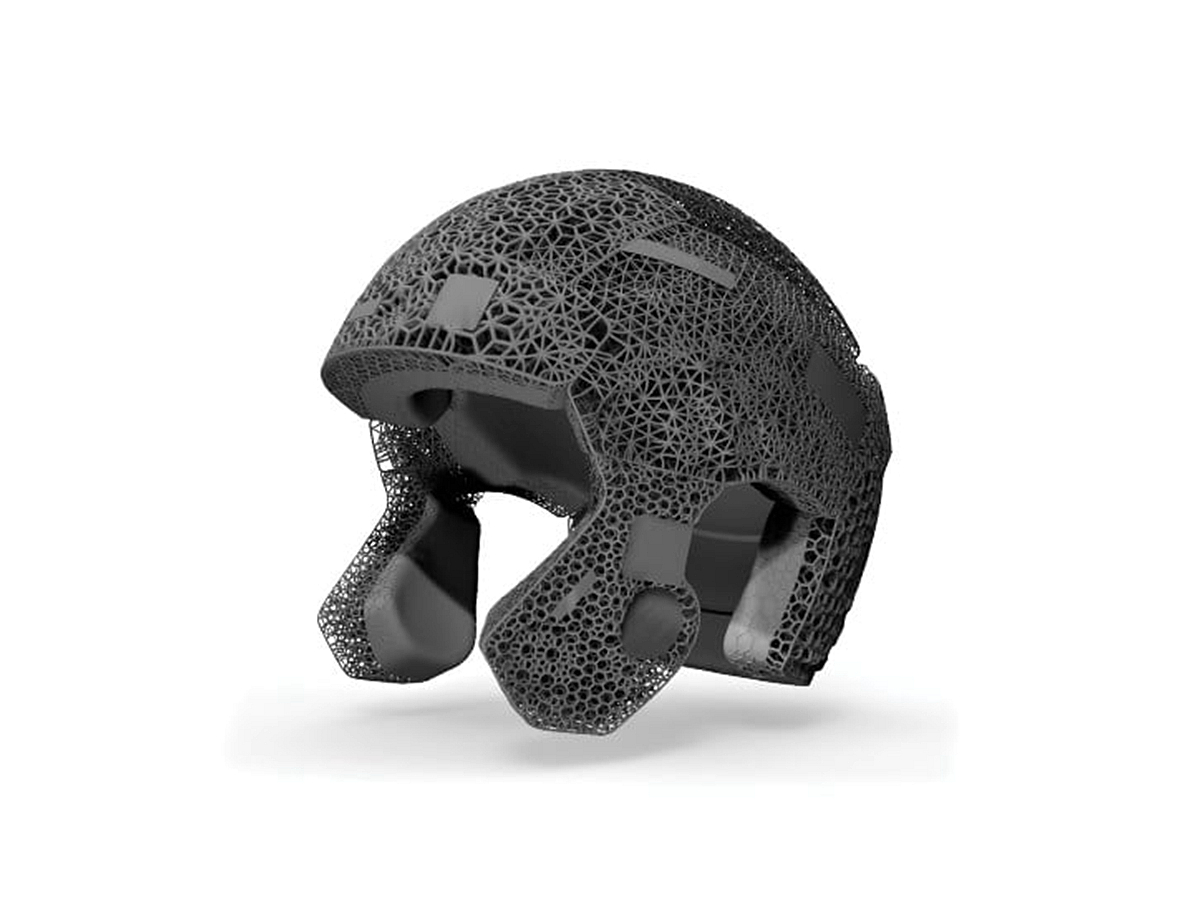
निकल-आधारित मिश्रधातुओं को अत्यधिक उच्च तापमान पर यांत्रिक शक्ति और ऑक्सीकरण प्रतिरोध बनाए रखने के लिए इंजीनियर किया गया था—ऐसी स्थितियाँ जो स्टील्स और टाइटेनियम की सीमाओं से बहुत आगे हैं। इन मिश्रधातुओं को मूल रूप से एयरोस्पेस टर्बाइन ब्लेड्स, कंबशन सिस्टम्स और हाई-टेम्परेचर टूलिंग के लिए डिज़ाइन किया गया था, जहाँ क्रीप प्रतिरोध, थर्मल-फटीग शक्ति और संक्षारण स्थिरता महत्वपूर्ण होती है। एडिटिव मैन्युफैक्चरिंग के लिए, इनका उद्देश्य आगे बढ़कर अनुकूलित आंतरिक कूलिंग चैनल, हल्की लैटिस संरचनाएँ, उच्च-शक्ति पतली दीवारें और जटिल ज्योमेट्री को शामिल करता है, जो थर्मल स्ट्रेस कम करती हैं और पार्ट लाइफ बढ़ाती हैं। इनका डिज़ाइन इरादा 3D प्रिंटिंग की माइक्रोस्ट्रक्चरल कंसिस्टेंसी, डायरेक्शनल सॉलिडिफिकेशन और मिशन-क्रिटिकल घटकों के लिए हाई-डेंसिटी प्रदर्शन प्राप्त करने की क्षमता के साथ संरेखित है।
रासायनिक संरचना (सामान्य)
तत्व | संरचना (%) |
|---|---|
Nickel (Ni) | 50–70 |
Chromium (Cr) | 15–25 |
Iron (Fe) | 1–20 |
Molybdenum (Mo) | 3–10 |
Niobium (Nb) | 3–6 |
Titanium (Ti) | 0.5–2 |
Aluminum (Al) | 0.5–1.5 |
Cobalt (Co) | वैकल्पिक (10% तक) |
भौतिक गुण
गुण | मान |
|---|---|
घनत्व | ~8.1–8.6 g/cm³ |
थर्मल चालकता | 10–15 W/m·K |
विद्युत प्रतिरोधकता | ~1.2–1.4 μΩ·m |
गलन रेंज | 1300–1400°C |
ऑक्सीकरण प्रतिरोध | 800–1100°C पर उत्कृष्ट |
यांत्रिक गुण
गुण | सामान्य मान |
|---|---|
तन्य शक्ति | 900–1400 MPa |
यील्ड शक्ति | 700–1100 MPa |
कठोरता | 30–45 HRC |
लंबन | 10–25% |
क्रीप प्रतिरोध | उच्च तापमान पर उत्कृष्ट |
प्रमुख सामग्री विशेषताएँ
असाधारण उच्च-तापमान शक्ति, 800°C से ऊपर भी यांत्रिक प्रदर्शन बनाए रखती है।
कठोर रासायनिक या थर्मल वातावरण के लिए उत्कृष्ट ऑक्सीकरण और संक्षारण प्रतिरोध।
थर्मल साइकलिंग के दौरान स्थिर माइक्रोस्ट्रक्चर—एयरोस्पेस और पावर-जनरेशन सिस्टम्स के लिए उपयुक्त।
सतत उच्च लोड्स के तहत उत्कृष्ट थकान और क्रीप प्रतिरोध।
मिशन-क्रिटिकल रोटेटिंग कॉम्पोनेंट्स के लिए उच्च घनत्व और मजबूती।
मेटल 3D प्रिंटिंग द्वारा बने जटिल ज्योमेट्री के साथ संगत।
पोस्ट-प्रिंटिंग हीट ट्रीटमेंट और CNC ग्राइंडिंग द्वारा मशीनेबिलिटी में सुधार।
हाइब्रिड मैन्युफैक्चरिंग अनुप्रयोगों के लिए मजबूत वेल्डेबिलिटी और रिपेयरएबिलिटी।
परंपरागत कास्टिंग की तुलना में पोस्ट-प्रोसेसिंग के दौरान न्यूनतम विकृति।
संक्षारक, हाई-प्रेशर या कंबशन वातावरण में दीर्घकालिक टिकाऊपन।
विभिन्न प्रक्रियाओं में विनिर्माण-क्षमता
एडिटिव मैन्युफैक्चरिंग: पाउडर-बेड फ्यूज़न Neway की मेटल AM तकनीकों का उपयोग करके हाई-डेंसिटी, परफॉर्मेंस-क्रिटिकल घटक बनाता है।
CNC मशीनिंग: निकल-एलॉय प्रिंटेड पार्ट्स को मल्टी-एक्सिस मशीनिंग और टर्निंग के माध्यम से रिफाइन किया जा सकता है।
EDM: EDM मशीनिंग द्वारा जटिल फीचर्स और टाइट कंटूर्स बनाए जा सकते हैं।
हीट ट्रीटमेंट: सॉल्यूशन ट्रीटमेंट और एजिंग शक्ति और माइक्रोस्ट्रक्चर को ऑप्टिमाइज़ करते हैं।
वेल्डिंग: निकल मिश्रधातुएँ रिपेयर या हाइब्रिड बिल्ड डिज़ाइनों के लिए उत्कृष्ट वेल्डेबिलिटी प्रदान करती हैं।
ग्राइंडिंग: CNC ग्राइंडिंग द्वारा प्रिसिजन फिनिशिंग सतह अखंडता सुनिश्चित करती है।
उपयुक्त पोस्ट-प्रोसेसिंग विधियाँ
प्रेसिपिटेशन हार्डनिंग, स्ट्रेस रिलीफ और संरचनात्मक स्थिरता के लिए हीट ट्रीटमेंट।
आंतरिक पोरोसिटी हटाने और फुल-डेंसिटी प्राप्त करने के लिए हॉट आइसोस्टेटिक प्रेसिंग (HIP)।
टाइट टॉलरेंस के लिए प्रिसिजन मशीनिंग द्वारा प्रिसिजन फिनिशिंग।
घिसाव प्रतिरोध के लिए नाइट्राइडिंग या शॉट-पी닝 द्वारा सतह सुदृढ़ीकरण।
टिकाऊपन और एस्थेटिक्स के लिए PVD, क्रोम प्लेटिंग, या थर्मल प्रोटेक्शन हेतु TBC जैसी कोटिंग्स।
एयरोडायनामिक या हाई-प्रेशर घटकों के लिए पॉलिशिंग और सतह परिष्करण।
सामान्य उद्योग और अनुप्रयोग
एयरोस्पेस टर्बाइन ब्लेड्स, कंबशन चैम्बर्स और संरचनात्मक एलिमेंट्स।
पावर-जनरेशन टर्बाइन पार्ट्स, हीट-रेसिस्टेंट हाउज़िंग्स और फ्लो कॉम्पोनेंट्स।
ऑटोमोटिव टर्बोचार्जर घटक और हाई-टेम्परेचर एग्ज़ॉस्ट सिस्टम्स।
ऑयल और गैस उपकरण, जिन्हें संक्षारण-प्रतिरोधी मिश्रधातुओं की आवश्यकता होती है।
औद्योगिक मशीनरी, जो हाई-प्रेशर, हाई-हीट या संक्षारक वातावरण के संपर्क में होती है।
डिफेंस घटक, जिन्हें अत्यधिक यांत्रिक और थर्मल विश्वसनीयता चाहिए।
इस सामग्री को कब चुनें
जब 600–1000°C से ऊपर के वातावरण के लिए घटकों का डिज़ाइन किया जा रहा हो।
जब संक्षारण, ऑक्सीकरण या रासायनिक अटैक प्रतिरोध अत्यंत महत्वपूर्ण हो।
जब टर्बाइन, कंबशन या एग्ज़ॉस्ट घटक बनाए जा रहे हों, जिनमें लंबी सेवा आयु आवश्यक हो।
जब थर्मल साइकलिंग के तहत हाई-प्रेशर और हाई-लोड स्थिरता चाहिए हो।
जब ज्योमेट्री में आंतरिक कूलिंग चैनल या टोपोलॉजी-ऑप्टिमाइज़्ड संरचनाएँ शामिल हों।
जब सतत यांत्रिक तनाव के तहत थकान प्रतिरोध आवश्यक हो।
जब अत्यधिक एकसमान माइक्रोस्ट्रक्चर और उच्च घनत्व की आवश्यकता हो।
जब व्रॉट सुपरएलॉय स्टॉक से मशीनिंग की तुलना में एडिटिव मैन्युफैक्चरिंग लागत कम करे।
संबंधित ब्लॉग एक्सप्लोर करें