Carbon Steel
Material Introduction
Carbon Steel is one of the most widely used material families in CNC machining because it offers a practical balance of strength, cost efficiency, machinability, heat-treatment flexibility, and broad industrial availability. Compared with stainless steel, carbon steel is often selected when corrosion resistance is not the primary concern and the design instead prioritizes mechanical strength, wear resistance, weldability, or lower material cost.
This material family includes 1018 Steel, 1020 Steel, 1025 Steel, 1040 Steel, 1045 Steel, 1060 Steel, 1215 Steel, 4130 Steel, 4140 Steel, 4340 Steel, 5140 Steel, A36 Steel, 12L14 Steel, Die Steel, Alloy Steel, Chisel Tool Steel, Spring Steel, High-Speed Steel, Cold Rolled Steel, Bearing Steel, and SPCC Steel. These grades are widely used for shafts, brackets, gears, supports, fixtures, machine details, automotive components, agricultural parts, and other custom machined steel components.
Material Family Table
Steel Category | Representative Grades |
|---|---|
Low-Carbon Steel | 1018, 1020, 1025, A36, SPCC |
Medium-Carbon Steel | 1040, 1045, 1060 |
Free-Cutting Steel | 1215, 12L14 |
Alloy Steel | 4130, 4140, 4340, 5140, Alloy Steel |
Tool / Functional Steel | Die Steel, Chisel Tool Steel, Spring Steel, High-Speed Steel, Bearing Steel |
Processed Supply Form | Cold Rolled Steel |
Selection Direction
Carbon steel grade selection should be based on strength target, heat-treatment requirement, machinability, weldability, wear demand, toughness, part geometry, and final cost target. Different carbon steel grades are not interchangeable because low-carbon steels, medium-carbon steels, alloy steels, and free-cutting steels each solve different engineering problems.
For general-purpose cost-sensitive machined parts, 1018 Steel and A36 Steel are common choices. For stronger shafts, gears, and mechanical components, 1045, 4140, and 4340 are more suitable. For high-speed machining and turned components, 1215 Steel and 12L14 Steel are often preferred. When toughness and heat-treated performance matter more, 4130, 4140, 4340, and spring-related grades should be evaluated more carefully.
Design Intent of Carbon Steel
Carbon steel is selected in CNC machining when the part must deliver practical mechanical performance at competitive cost. Its design intent often centers on structural load-bearing ability, wear behavior, machinability, weldability, or post-heat-treatment strength. For many industrial parts, carbon steel provides a more economical route than stainless steel or non-ferrous alloys while still meeting the core functional requirements.
The design intent varies by grade family. Low-carbon steels are typically chosen for simple structures, welded parts, and economical components. Medium-carbon steels are selected when higher strength and hardness are needed. Free-cutting steels are used for turned parts where fast cycle time matters. Alloy-enhanced steels such as 4130, 4140, and 4340 are preferred for stronger mechanical parts requiring better toughness, fatigue performance, or heat-treatment response.
General Properties
Property | Typical Engineering Meaning |
|---|---|
Density | Typically around 7.85 g/cm³ for most carbon steel grades |
Strength Range | Wide range from low-carbon structural use to higher-strength alloy-steel performance |
Machinability | Generally good, especially in free-cutting and low-carbon grades |
Heat Treat Response | Improves as carbon and alloy content increase |
Weldability | Usually better in lower-carbon grades than in higher-carbon and high-hardness steels |
Corrosion Resistance | Generally limited without coating, plating, or protective treatment |
Mechanical Behavior
Property | Engineering Relevance |
|---|---|
Hardness | Important for wear resistance and load-bearing applications |
Toughness | More critical in shafts, structural parts, and impact-loaded components |
Fatigue Strength | Relevant for rotating parts, suspension parts, and cyclic-duty components |
Wear Resistance | Improves with higher hardness and suitable heat treatment |
Dimensional Stability | Important after heat treatment and during precision machining |
Cost Efficiency | One of the main reasons carbon steel is selected in industrial production |
Material Characteristics
Carbon steel materials are characterized by their broad range of mechanical performance and strong cost competitiveness. Low-carbon steels such as 1018 and 1020 are often chosen for simple machined parts, frames, and welded structures. Medium-carbon steels such as 1045 and 1060 are more suitable where hardness and strength are more important. Alloy-enhanced grades such as 4130, 4140, and 4340 are used when a stronger balance of toughness, fatigue strength, and heat-treatment performance is required.
Free-cutting steels like 1215 and 12L14 are especially useful for high-volume turned components because they reduce machining difficulty and improve cycle efficiency. More specialized steels such as spring steel, bearing steel, die steel, and high-speed steel should be selected only when the design specifically benefits from their unique functional properties rather than treating them as general carbon steel substitutes.
Manufacturing Process Performance
Carbon steel parts are commonly produced through CNC turning, CNC milling, CNC drilling, CNC boring, and where higher finish or dimensional control is needed, CNC grinding. Many grades are also compatible with multi-axis machining for complex geometry and reduced setup error.
Compared with many difficult-to-machine superalloys or high-end titanium grades, carbon steel generally provides a more stable and economical machining route. However, harder and more heavily alloyed grades may require greater attention to tool wear, cutting parameters, residual stress control, and heat-treatment sequence. Process planning should therefore consider both the supply condition and the final target condition of the steel.
Applicable Post-processing
Carbon steel parts may require deburring, stress relief, quenching and tempering, surface hardening, grinding, or corrosion-protection finishing depending on the function of the part. Post-processing is especially important when the design relies on hardness, wear resistance, fatigue strength, or dimensional stability after machining.
Because standard carbon steel has limited natural corrosion resistance, surface protection is often required in real applications. Depending on the grade and use environment, treatments such as black oxide coating, phosphating, painting, plating, or other protective finishing routes may be considered. The correct surface route should be selected according to corrosion exposure, tolerance sensitivity, appearance requirement, and assembly condition.
Common Applications
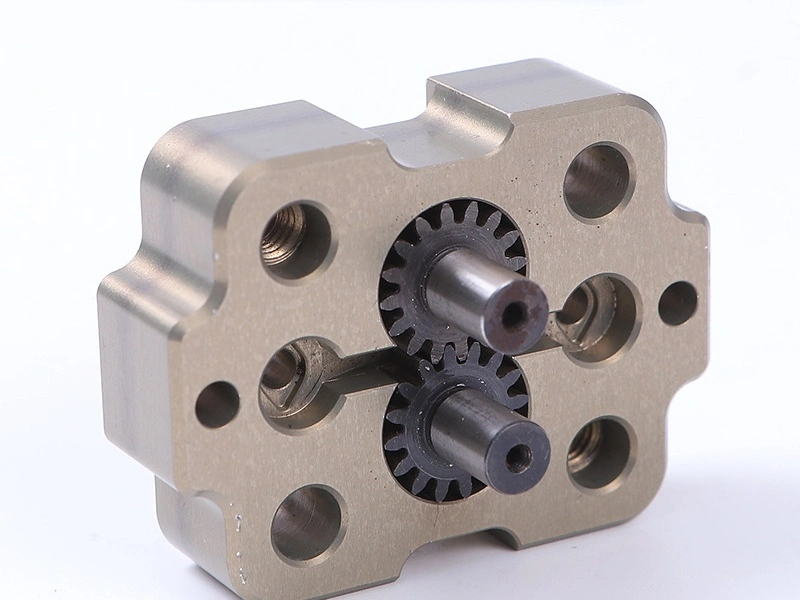
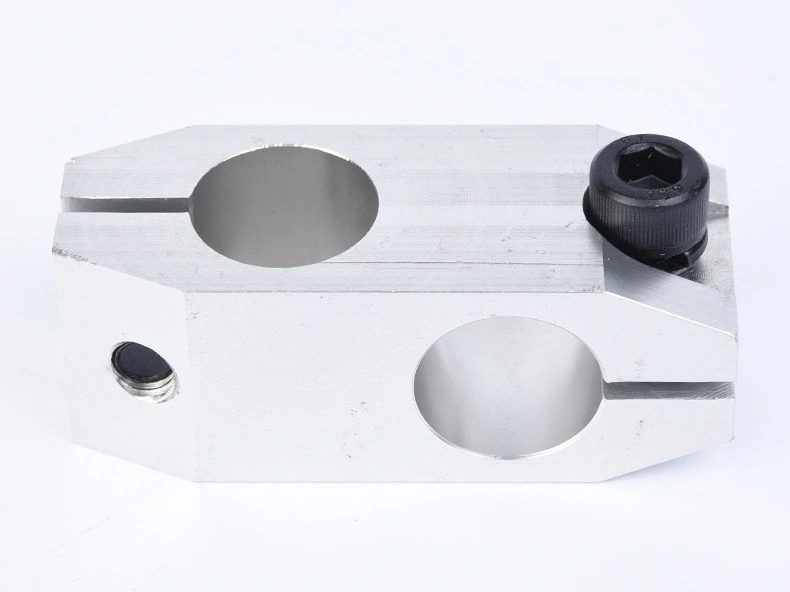
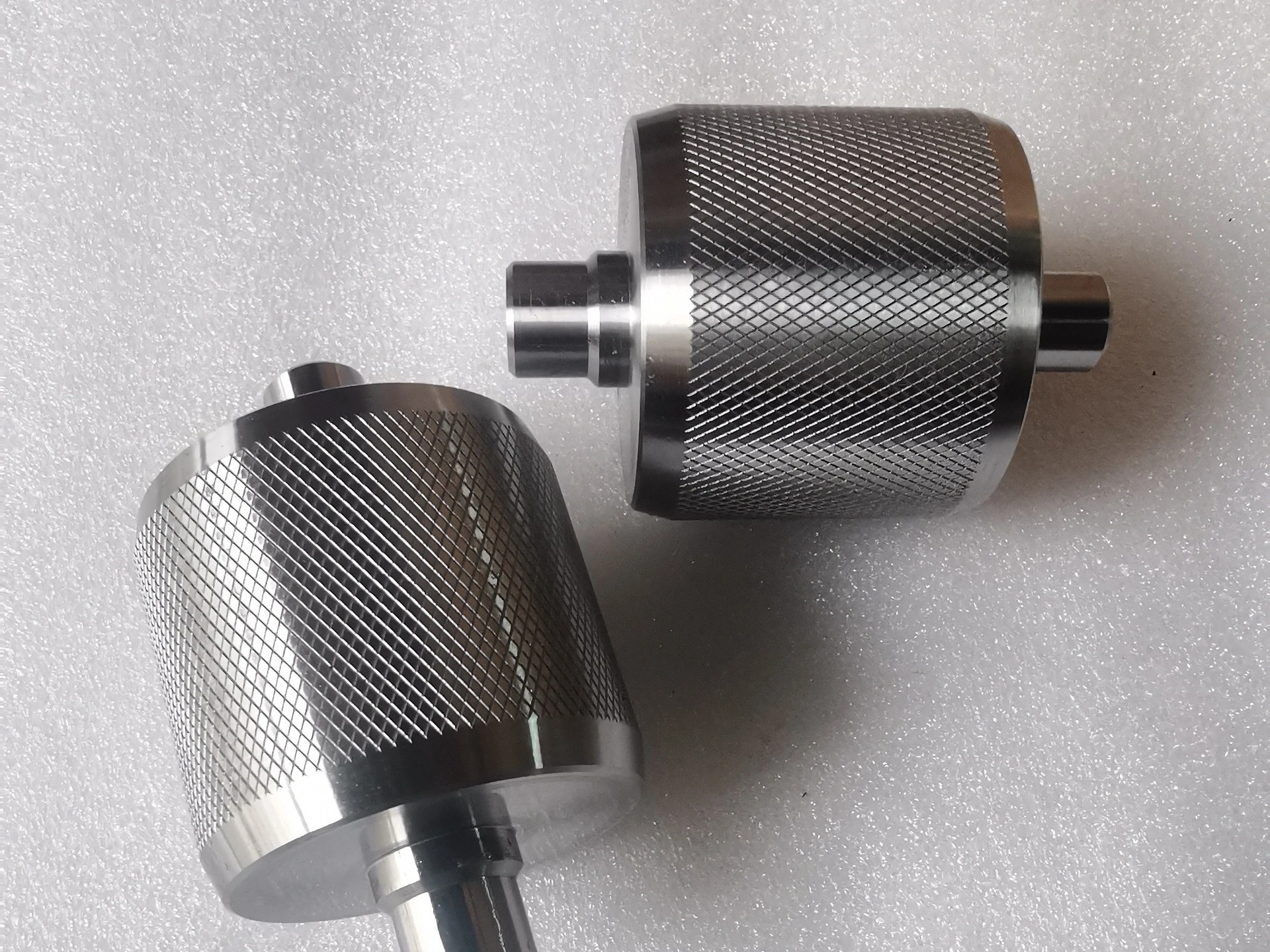
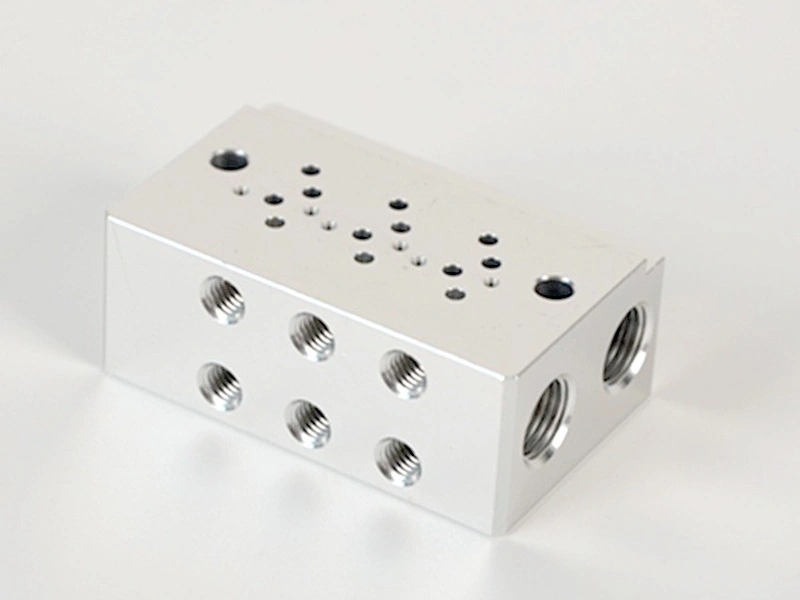
Carbon steel is widely used in industrial equipment, agricultural machinery, automotive systems, automation equipment, construction-related mechanical parts, and general-purpose custom manufacturing. Typical applications include shafts, brackets, gears, supports, fasteners, sleeves, clamping parts, tool bases, structural plates, and wear-related machine components.
In these applications, carbon steel is often chosen because it offers an efficient balance between cost, mechanical performance, machining speed, and availability. The exact grade should be matched to whether the part requires basic structural behavior, improved hardness, faster machining, stronger fatigue life, or compatibility with heat treatment and protective coatings.
When to Choose Carbon Steel
Choose carbon steel when the part requires practical strength, low material cost, broad availability, and good machinability, while corrosion resistance is either secondary or can be addressed through finishing. Carbon steel is especially suitable for industrial components, structural parts, brackets, shafts, supports, and other machined parts where stainless steel would add cost without providing necessary benefit.
For general-purpose machined parts, lower-carbon grades are often sufficient. For stronger and more wear-resistant parts, medium-carbon and alloy-enhanced grades should be evaluated. For high-speed turning and cost-sensitive production, free-cutting steels are often the better route. The safest selection method is always to confirm strength target, heat-treatment condition, weld requirement, corrosion exposure, and production volume before choosing the final grade.
Engineering Selection Note
Carbon steel should be selected based on the actual functional requirement rather than the material family name alone. For RFQ evaluation, customers should provide the 2D drawing, 3D model, tolerance target, required hardness or heat treatment, weld requirement, corrosion environment, surface finish expectation, and whether the part is for prototype, low-volume, or production use.
This allows NewayMachining to determine whether low-carbon steel, medium-carbon steel, free-cutting steel, alloy steel, or a more specialized tool-related steel is the most appropriate material route for the project, and whether turning, milling, drilling, boring, grinding, or multi-axis machining is the best process combination.
Explore Related Blogs