Carbon Steel CNC Machining Services for Strong and Cost-Effective Custom Parts
Carbon Steel CNC Machining Services for Strong and Cost-Effective Custom Parts
Carbon steel CNC machining services are a strong, cost-effective route when a custom part needs load capacity, wear resistance, practical material availability, or heat-treatment potential without a corrosion-resistant alloy premium. The decision is not simply steel versus another metal. Buyers must align grade, supplied condition, product form, geometry, machining sequence, heat treatment, final finish, and inspection with the actual load case. Shafts, pins, brackets, fixtures, sleeves, plates, and structural components often benefit from this approach. A controlled carbon steel CNC machining services plan should also state where carbon steel is unsuitable, especially when weight, corrosion exposure, welding, or a specific regulatory requirement controls material selection.
The most reliable route starts with function and final condition, then works backward through material procurement and manufacturing. A part may be easy to rough-machine but difficult to hold after quenching, grinding, or plating. Thin sections can move after stress is released, deep holes can trap chips, hardening can distort datum relationships, and coatings can change thread or fit dimensions. These effects influence setup strategy, allowances, tool access, deburring, inspection timing, and cost. Buyers should therefore compare quotations only when drawing revision, material condition, quantity, outside processes, critical features, evidence, and delivery state are equivalent. The lowest unit price is not cost-effective when it excludes the controls that protect assembly or service life. Total cost also includes stock yield, programming, setups, workholding, tools, outside processing, inspection, reports, packaging, and the risk of late rework.
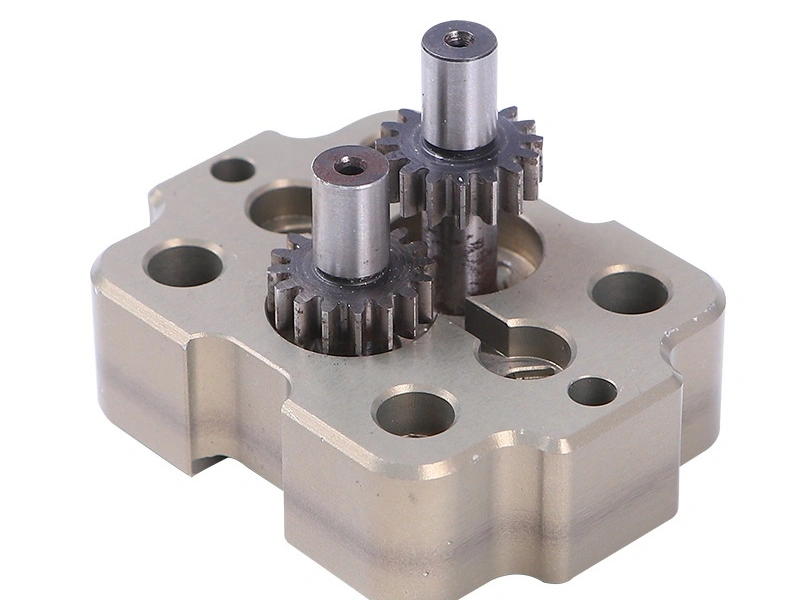
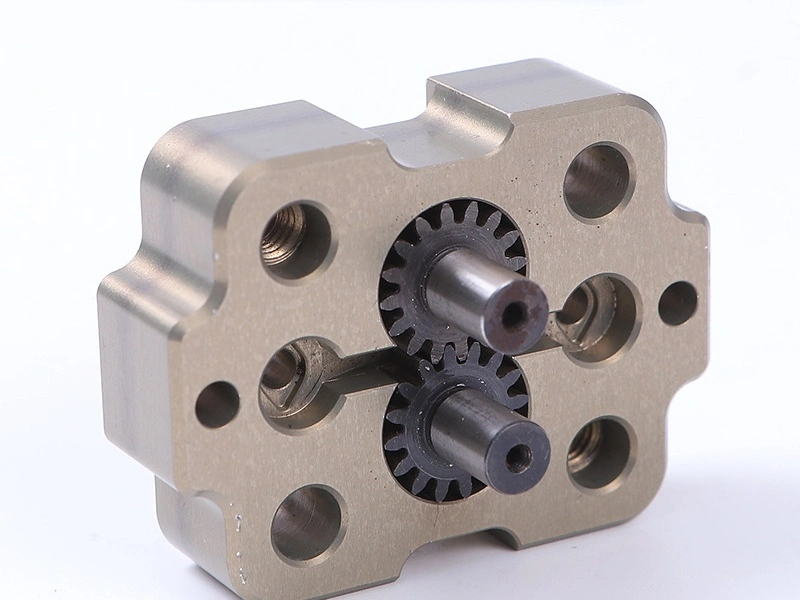
Why Carbon Steel Is Used for CNC Machined Components
Carbon steel is used for CNC machined components because its grades and conditions cover a broad range of strength, toughness, machinability, weldability, hardness, and wear requirements at practical material cost. Low-carbon grades can suit general shafts, fixtures, spacers, and welded structures. Medium-carbon grades can support stronger pins, shafts, and wear-related parts, while alloy grades can provide greater hardenability when section size and heat treatment demand it. Those categories are starting points, not substitutes for design calculations. The selected grade must satisfy the defined load, impact, fatigue, temperature, wear, joining, and compliance conditions after every manufacturing step.
Carbon steel also gives process flexibility, but each benefit has a boundary. Heat treatment can raise hardness or strength, yet it can also create distortion, residual stress, decarburization, or a need for finish grinding. Free-machining grades can shorten cycle time, but leaded material may be unacceptable for welding, some finishes, or restricted applications. Structural plate can reduce stock cost for brackets, while bar or forging may provide a better grain flow, machining allowance, or certificate route for another part. Carbon steel also needs deliberate corrosion protection in damp, outdoor, chemical, or long-storage environments. Buyers should compare the complete finished-part system rather than treating low raw-material price as the sole advantage. When an alternative is proposed, compare finished properties, process changes, inspection, availability, and approval effort before accepting the apparent saving.
Common Carbon Steel CNC Machined Components
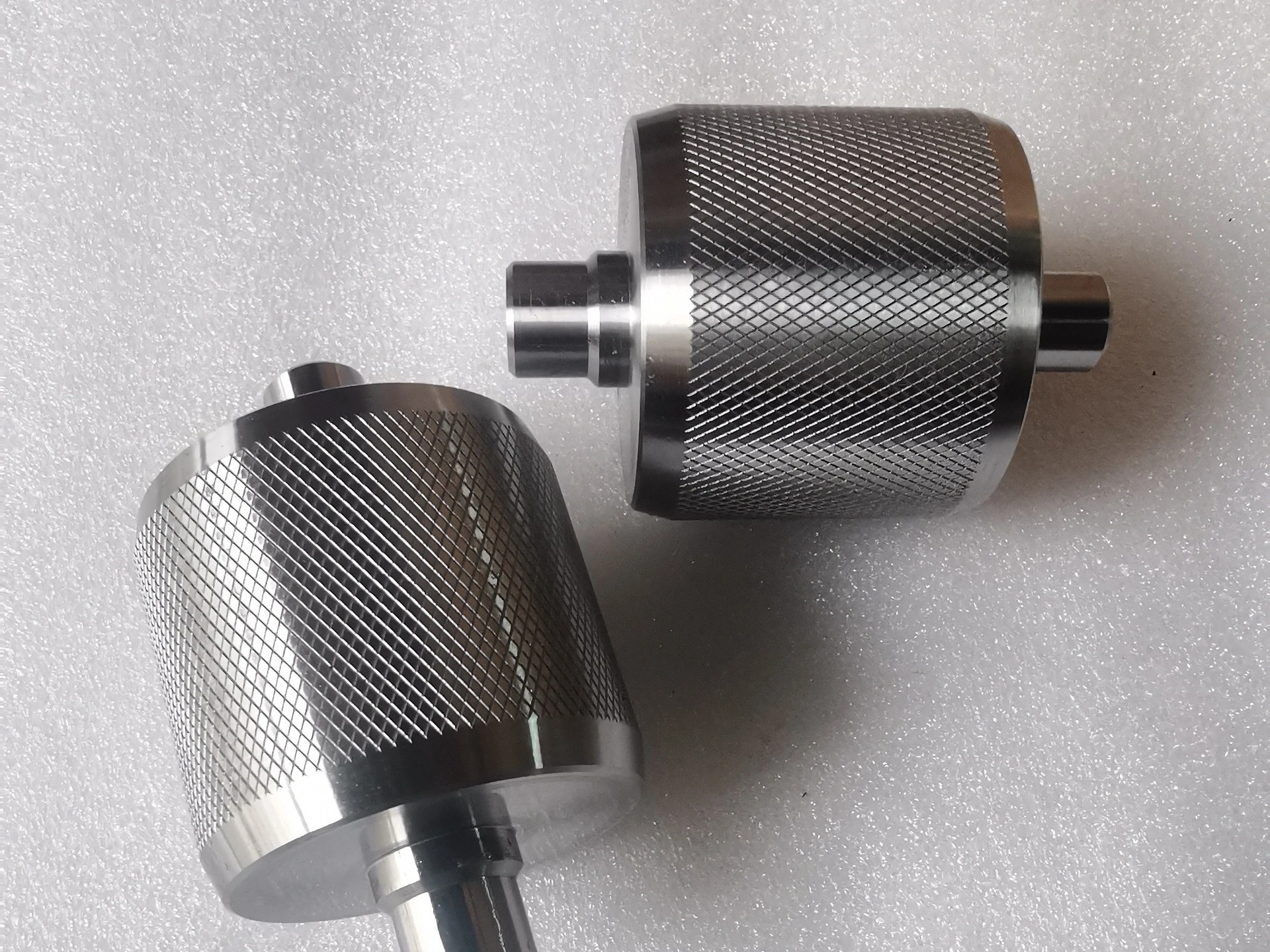
Common carbon steel CNC machined components include rotational parts, locating hardware, structural supports, tooling, and power-transmission features, but their acceptance logic differs by failure mode. A shaft may depend on bearing-seat diameter, runout, shoulder location, roughness, and hardness. A mounting bracket may depend on datum flatness, hole position, section strength, weldability, and coating coverage. A pin may require toughness, surface hardness, core condition, and controlled edge breaks. During review, identify the feature that transfers load, locates the assembly, seals fluid, carries wear, or controls interchangeability. That feature should drive material state, machining sequence, inspection method, and evidence.
Application Industry | Common Parts | Main Buyer Concerns |
|---|---|---|
Industrial equipment | Shafts, spacers, brackets, fixtures, bearing supports | Load path, datum relationships, wear, lubrication access, rust protection, and repeat-lot evidence |
Agricultural machinery | Pins, bushings, mounting parts, drive components | Impact and fatigue conditions, dirt exposure, field corrosion, replacement fit, and batch consistency |
Automotive and mobility systems | Motor shafts, sleeves, compressor shafts, fasteners | Material specification, concentric features, heat-treatment distortion, traceability, and controlled change approval |
Automation and production tooling | Clamping accessories, positioning blocks, guide parts | Locating accuracy, contact wear, replaceability, burr control, surface protection, and short repeat cycles |
Heavy machinery | Large plates, supports, housings, and machined weldments | Stock condition, machining allowance, stress release, handling datums, inspection reach, and coating logistics |
General mechanical systems | Custom structural, locating, and motion-control parts | Functional tolerance zoning, sensible grade selection, manufacturable geometry, and defined quality documentation |
Carbon Steel Grades Commonly Used for CNC Machining
Carbon steel grade selection should follow the required finished properties, section size, product form, joining route, machining demand, heat treatment, coating, and certificate requirements. Naming a grade without its condition leaves an important gap because normalized, annealed, cold-drawn, hot-rolled, prehardened, or quenched-and-tempered stock can behave differently. The drawing or RFQ should identify the governing material specification and acceptable condition, not only a familiar grade number. It should also state whether an alternative grade or product form may be proposed. Any substitution needs documented comparison and buyer approval before material purchase.
Low-Carbon and General-Purpose Grades
1018 Steel CNC machining can suit general shafts, spacers, fixtures, pins, and machined weldment details where moderate strength, ductility, weldability, and predictable stock are valued. Related 1020 and 1025 grades can serve similar general mechanical or structural roles, subject to the governing specification and supplied condition. These grades are not automatically correct for high wear, severe fatigue, impact-critical sections, or through-hardening of large cross sections. The buyer should define load and joining needs, critical fits, surface treatment, and any hardness requirement. For cold-drawn bar, also consider residual stress and movement when material is removed unevenly from long or thin parts.
Medium-Carbon and Higher-Strength Grades
1045 Steel CNC machining is relevant for shafts, pins, rollers, gear blanks, and mechanical parts that need a stronger or more wear-capable route than general low-carbon steel. The final result still depends on product form, initial condition, section size, treatment, and verification. A part may be rough-machined, stress managed, heat treated, straightened, finish-ground, and inspected in a controlled sequence. Higher-carbon grades such as 1060 can support hardness or wear objectives, but machinability, cracking sensitivity, toughness, welding, and distortion require closer review. Do not specify extra carbon or hardness when the load case does not need it, and do not downgrade a fatigue-critical part only to reduce material cost.
Free-Machining and Alloy-Related Grades
1215 and 12L14 are used for productive turning when chip control and cycle time are important, but their application boundaries matter. Leaded material may conflict with welding, some surface processes, environmental restrictions, or buyer specifications. Alloy steels such as 4130, 4140, 4340, and 5140 can offer greater strength or hardenability for shafts, sleeves, drive parts, and higher-load sections. They also introduce tighter control of condition, heat treatment, grinding allowance, hardness, and traceability. A36 is more relevant to plate-based brackets, supports, and weld-related structures where the structural specification and product form govern acceptance. The RFQ should rank strength, toughness, wear, welding, machinability, finish, availability, and documentation rather than asking for the strongest grade by default.
CNC Processes Used for Carbon Steel Parts
The CNC process route for carbon steel parts should protect the finished datum scheme through stock preparation, rough machining, stress change, heat treatment, finishing, coating, and inspection. Turned shafts may need steady support, balanced stock removal, controlled tool wear, and a grinding allowance on bearing seats. Milled brackets can require a roughing stage before final datum faces are established. Deep bores need rigid tools, chip evacuation, and a measurement method that reaches the controlled zone. Thin walls and long arms can spring after unclamping, so an in-cycle result may not represent the relaxed part. Process planning must connect each risk to a control and a verification point. Common preventable failures include recut chips damaging bores, worn tools changing burr direction, clamp force shifting thin features, and an early datum becoming unstable after stock removal.
Typical routes use CNC turning for rotational features, milling for faces and pockets, drilling for hole preparation, boring for controlled internal diameters, and grinding for selected hardened surfaces. Transfer between setups can accumulate datum error, so complex parts may benefit from precision machining strategies that reduce reclamping or use stable, inspectable references. The route should define when threads are cut, when burrs are removed, which surfaces remain protected, and whether dimensions are accepted before or after thermal and surface processes. A useful process review also checks tool access, internal corner radii, standard thread forms, inspection access, and the effect of fixture force.
Process | Typical Use and Control Focus on Carbon Steel Parts |
|---|---|
CNC turning | Controls diameter, shoulder, groove, thread, and runout relationships on shafts, pins, sleeves, and spacers |
CNC milling | Creates datum faces, hole patterns, pockets, brackets, and structural profiles while managing clamp distortion |
CNC drilling | Produces mounting holes, passages, and thread preparation with attention to depth, breakthrough, chips, and burrs |
CNC boring | Finishes fit-critical internal diameters where alignment, form, reach, and direct measurement control acceptance |
CNC grinding | Recovers selected hardened diameters, faces, roundness, runout, or texture after thermal processing |
Heat-treatment-aware machining | Coordinates roughing, stress management, allowance, straightening, final cutting, hardness, and finished-state inspection |
Surface Finishing and Rust Protection for Carbon Steel Parts
Surface finishing and rust protection for carbon steel parts should match the exposure, design life, contact conditions, appearance, maintenance, packaging, and dimensional sensitivity. Temporary oil may be enough for protected storage or an internal component that receives lubrication. Black oxide, zinc, nickel, phosphate, paint, or powder coating may serve other environments, but no finish is universally best. Coating thickness can reduce bore clearance, enlarge external diameters, and alter thread fit. Masking can leave corrosion-sensitive transitions. Heat from a finishing process can also affect a previously controlled condition. The drawing and RFQ should identify protected areas, excluded areas, thickness limits, color or appearance criteria, and required tests. Verification can include process certification, measured thickness, visual criteria, adhesion, corrosion testing, or finished-state dimensions when the governing specification requires them.
Finishing must be integrated with heat treatment, grinding, deburring, cleaning, and final inspection. A hardened shaft may need grinding before plating, followed by verification of the coated bearing or seal interface. A painted bracket may need masked datum faces and threaded holes. A phosphate or black-oxide route may depend on supplementary oil and packaging for the intended storage period. Buyers can review carbon steel surface treatment as an option guide, but the acceptance specification must still define the actual service requirement. Confirm compatibility with the base grade, heat-treated condition, assembly contacts, and any restricted substances before release.
Finish or Protection Route | Buyer Decision and Verification Focus |
|---|---|
Black oxide | Use when the specified appearance and protection system fit exposure; define supplementary oil and masked functions |
Zinc plating | Define coating specification, thickness, appearance, thread and fit allowances, masking, and required corrosion evidence |
Nickel plating | Check substrate preparation, buildup on precision features, adhesion, finish condition, and application compatibility |
Phosphate coating | Coordinate conversion layer, lubricant or paint system, protected areas, handling, and final storage condition |
Powder coating | Control cure compatibility, coverage, thickness, color, edges, grounding or contact zones, and masked interfaces |
Painting | Specify preparation, primer and topcoat system, color, dry-film acceptance, exclusions, and repair criteria |
Oiling / anti-rust protection | Match temporary protection, cleanliness, packaging, handling, storage duration, and removal method to delivery needs |
Quality Control for Carbon Steel CNC Machined Parts
Quality control for carbon steel CNC machined parts should verify identity, condition, geometry, texture, thermal processing, finish, and traceability only where those controls affect acceptance. A material certificate can link grade and heat or lot, but it does not prove final hardness or dimensions. A dimensional report can record drawing results, while a CMM is useful for suitable datum-based geometry rather than every measurement. Hardness data should identify scale, location, quantity, and process stage. Roughness results must refer to the controlled face. Thread evidence should reflect whether acceptance occurs before or after coating. Each record answers a different engineering question.
Inspection planning starts by classifying features according to load transfer, fit, sealing, wear, safety, corrosion, and interchangeability. Critical features may require complete reporting, while stable noncritical features may use an approved sample. The buyer should define drawing revision, lot, sample plan, units, equipment suitability, acceptance criteria, report format, and deviation authority. An engineering scenario illustrates the logic: a heat-treated shaft can pass diameter inspection before quenching and still fail final runout after distortion. The route should therefore reserve the correct allowance, finish the affected datums after treatment, verify hardness, and inspect final geometry after the last operation that can alter it. For repeat production, also define reaction rules for tool wear, drift, failed samples, mixed material lots, outside-process nonconformance, and approved rework.
Quality Control Item | Acceptance Question and Buyer Action |
|---|---|
Material certificate | Does the documented specification, grade, condition, and heat or lot match the purchase requirement and traveler? |
Dimensional inspection | Do actual results for identified features meet the correct drawing revision, units, state, and sampling requirement? |
CMM report when required | Does the measurement strategy reproduce the drawing datums and evaluate the intended GD&T or complex geometry? |
Hardness testing after heat treatment | Do scale, limits, locations, readings, and test stage verify the specified finished condition without overclaiming properties? |
Surface roughness inspection | Was the identified running, sealing, bearing, or contact face measured with the defined parameter and condition? |
Thread inspection | Do calibrated gauges or measured data verify the specified thread in its required pre-coating or finished state? |
Coating or plating verification | Does the finish meet type, thickness, coverage, masking, appearance, and any specified adhesion or corrosion tests? |
Batch traceability | Can shipped parts be linked to material, thermal and surface process lots, inspection, and approved disposition? |
Request a Quote for Custom Carbon Steel CNC Parts
A quote-ready carbon steel part package should include a controlled 3D model and 2D drawing, governing revision, material specification and condition, approved product form, quantities, forecast, and required delivery state. Identify load and service conditions that influence the supplier's process decisions without asking the supplier to infer design responsibility. Mark functional datums, fits, threads, bearing and seal surfaces, heat-treated zones, hardness, roughness, edge requirements, coating, masking, and inspection evidence. Define first-article and repeat-lot expectations, packaging, corrosion protection, and any restricted substitutions. Ask for alternatives to be separated from the compliant quotation, with their cost effect, functional risk, validation method, and required buyer approval. Separate prototype, first-article, repeat-lot, and forecast quantities under the same technical assumptions so setup, fixtures, material minimums, tooling, and reports can be compared fairly.
Buyers evaluating carbon steel CNC machining services should compare process assumptions as carefully as price. Confirm stock condition, setup and datum strategy, heat-treatment sequence, grinding or finish allowances, outside-process ownership, inspection stage, report package, lot traceability, and change control. A useful supplier response identifies unclear requirements before production and distinguishes mandatory controls from optional cost drivers. Select the route that preserves load capacity, assembly, wear, corrosion protection, and evidence with the least unnecessary complexity. The five linked questions below provide deeper decisions on grade selection, quote inputs, heat treatment, cost reduction, and inspection reports without duplicating those independent answers here.
FAQ
What information is needed to get a carbon steel CNC machining quote?
How does heat treatment affect carbon steel CNC machined parts?
How can carbon steel CNC machining cost be reduced without affecting strength or durability?
What inspection reports are recommended for carbon steel CNC machined parts?