What carbon steel grades are best for CNC machined parts?
<h2 id="what-carbon-steel-grades-are-best-for-cnc-machined-parts?">What carbon steel grades are best for CNC machined parts?</h2>
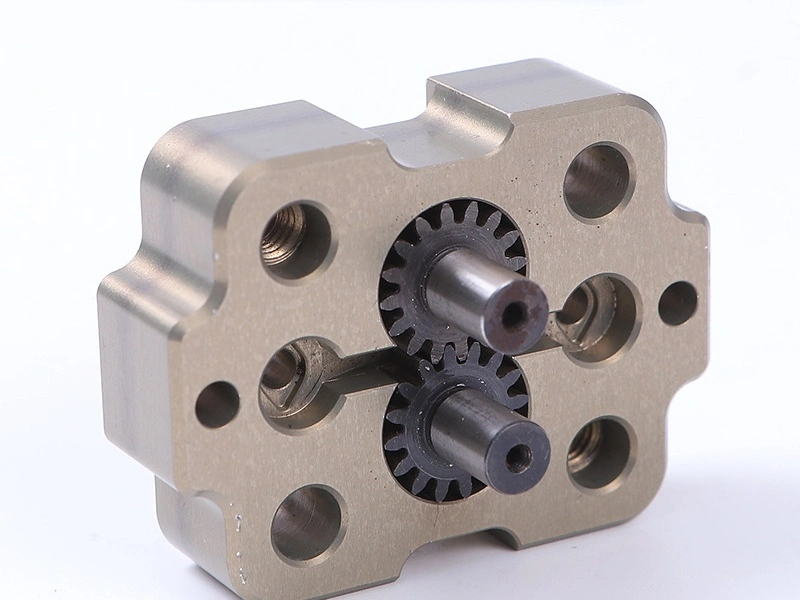
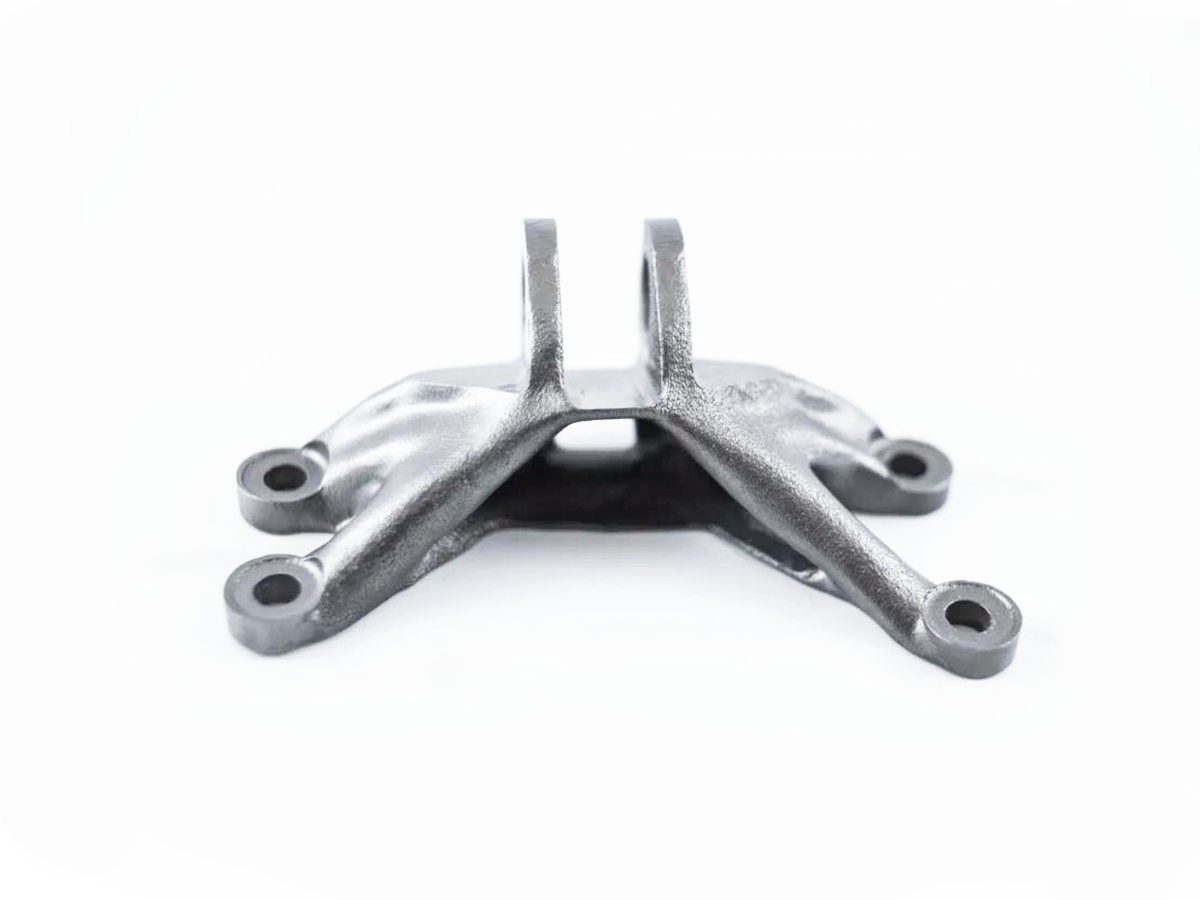
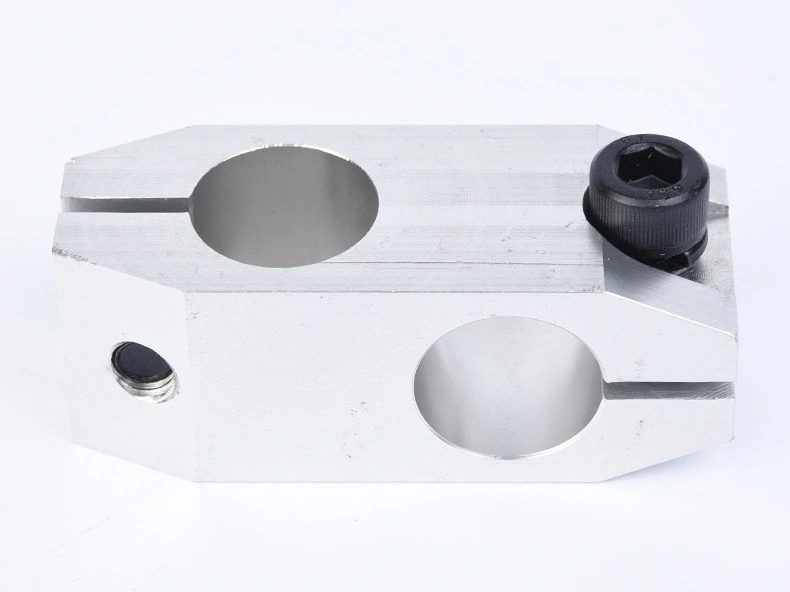
<p>The best <strong>carbon steel grades for CNC machined parts</strong> depend on the required strength, hardness, toughness, machinability, heat-treatment route, corrosion protection, compliance limits, and total cost. For general brackets, fixtures, spacers, and lightly loaded shafts, <a target="_blank" href="https://www.newaymachining.com/services/carbon-steel-cnc-machining/1018-steel">1018 Steel CNC machining</a> is often a practical starting point. <a target="_blank" href="https://www.newaymachining.com/services/carbon-steel-cnc-machining/1045-steel">1045 Steel CNC machining</a> is more suitable when a shaft, pin, sleeve, or gear blank needs higher strength and may be heat treated. When plain carbon steel cannot meet the required hardenability, fatigue strength, or toughness, <a target="_blank" href="https://www.newaymachining.com/services/carbon-steel-cnc-machining/4140-steel">4140 Steel CNC machining</a> is a low-alloy alternative rather than another carbon-steel grade. The correct choice should follow the real working condition, final material state, and inspection plan through <a target="_blank" href="https://www.newaymachining.com/services/carbon-steel-cnc-machining">carbon steel CNC machining</a>, not a grade name selected from strength alone.</p>
<div data-type="row" class="row"><div class="col-12 col-md-6" data-type="col"><p><a href="https://www.newaymachining.com/services/carbon-steel-cnc-machining"><img src="https://www.newaymachining.com/storage/attachments/2026/05/10/carbon-steel-grades-for-cnc-machined-parts-carbon-steel-cnc-machining.webp" width="1920" height="1440" loading="lazy"></a></p></div><div class="col-12 col-md-6" data-type="col"><p><a href="https://www.newaymachining.com/services/carbon-steel-cnc-machining"><img src="https://www.newaymachining.com/storage/attachments/2026/05/10/what-carbon-steel-grades-are-best-for-cnc-machined-parts.webp" width="1920" height="1440" loading="lazy"></a></p></div></div>
<div class="i-typography-table-responsive"><table><tbody><tr><th colspan="1" rowspan="1"><p>Carbon / Alloy Steel Grade</p></th><th colspan="1" rowspan="1"><p>Typical Applications</p></th><th colspan="1" rowspan="1"><p>Main Advantage</p></th><th colspan="1" rowspan="1"><p>Machining / Selection Focus</p></th></tr><tr><td colspan="1" rowspan="1"><p>1018 Steel</p></td><td colspan="1" rowspan="1"><p>Brackets, fixtures, spacers, general shafts, structural parts</p></td><td colspan="1" rowspan="1"><p>Good machinability, weldability, availability, and practical cost</p></td><td colspan="1" rowspan="1"><p>Use for moderate service; do not assume it provides high hardenability or heavy-wear performance</p></td></tr><tr><td colspan="1" rowspan="1"><p>1020 / 1025 Steel</p></td><td colspan="1" rowspan="1"><p>General structural and low-carbon mechanical parts</p></td><td colspan="1" rowspan="1"><p>Common supply routes and lower material cost for straightforward components</p></td><td colspan="1" rowspan="1"><p>Confirm strength, hardness, section size, and weldability when service becomes demanding</p></td></tr><tr><td colspan="1" rowspan="1"><p>1045 Steel</p></td><td colspan="1" rowspan="1"><p>Shafts, pins, sleeves, gear blanks, transmission parts</p></td><td colspan="1" rowspan="1"><p>Higher strength than low-carbon steel with useful heat-treatment potential</p></td><td colspan="1" rowspan="1"><p>Control distortion, hardness, finish allowance, and final dimensions after treatment</p></td></tr><tr><td colspan="1" rowspan="1"><p>1215 Steel</p></td><td colspan="1" rowspan="1"><p>Small turned parts and high-volume threaded components</p></td><td colspan="1" rowspan="1"><p>Free-machining behavior supports efficient turning and consistent cycle time</p></td><td colspan="1" rowspan="1"><p>Confirm required strength, weldability, fatigue duty, and material compliance before selection</p></td></tr><tr><td colspan="1" rowspan="1"><p>12L14 Steel</p></td><td colspan="1" rowspan="1"><p>Precision turned parts, threaded parts, automatic lathe components</p></td><td colspan="1" rowspan="1"><p>Very good machinability and clean machined surfaces for suitable production work</p></td><td colspan="1" rowspan="1"><p>Lead content and end-use restrictions may require regulatory and customer review</p></td></tr><tr><td colspan="1" rowspan="1"><p>4130 Steel</p></td><td colspan="1" rowspan="1"><p>High-strength structural parts, frames, welded components</p></td><td colspan="1" rowspan="1"><p>Useful balance of strength, toughness, hardenability, and weldable design potential</p></td><td colspan="1" rowspan="1"><p>Define weld procedure, heat-treatment condition, section size, and distortion controls</p></td></tr><tr><td colspan="1" rowspan="1"><p>4140 Steel</p></td><td colspan="1" rowspan="1"><p>High-strength shafts, sleeves, heavy-duty transmission parts</p></td><td colspan="1" rowspan="1"><p>Strong mechanical performance and good response to specified heat treatment</p></td><td colspan="1" rowspan="1"><p>Plan tool wear, machining allowance, hardness, distortion, and post-treatment inspection</p></td></tr><tr><td colspan="1" rowspan="1"><p>4340 Steel</p></td><td colspan="1" rowspan="1"><p>High-load and fatigue-critical components</p></td><td colspan="1" rowspan="1"><p>Higher strength and toughness potential for severe mechanical duty</p></td><td colspan="1" rowspan="1"><p>Expect higher material and processing cost; require controlled heat treatment and traceability</p></td></tr><tr><td colspan="1" rowspan="1"><p>A36 Steel</p></td><td colspan="1" rowspan="1"><p>Plate parts, brackets, and structural components</p></td><td colspan="1" rowspan="1"><p>Low cost and broad availability for general structural designs</p></td><td colspan="1" rowspan="1"><p>Review material consistency and dimensional allowance when precision features are important</p></td></tr></tbody></table></div>
<h3 id="1.-1018-is-often-the-best-general-purpose-choice">1. 1018 Is Often the Best General-Purpose Choice</h3>
<p>If the part is a general mechanical component without severe wear, high fatigue, high contact stress, or a major heat-treatment requirement, 1018 is often the most practical starting point. It machines readily, is broadly available, and can support common brackets, fixtures, spacers, pins, and moderate-duty shafts at a predictable cost. It is not the automatic choice for every low-cost part: buyers should still confirm section size, required hardness, bearing pressure, weld details, rust protection, and whether the part will be cold drawn, hot rolled, or supplied in another condition. A clear material condition prevents a machinist from quoting a grade name that does not match the delivered stock.</p>
<h3 id="2.-1045-is-better-for-stronger-shafts,-pins,-and-transmission-parts">2. 1045 Is Better for Stronger Shafts, Pins, and Transmission Parts</h3>
<p>When a shaft, pin, sleeve, or gear blank needs more strength and hardness than low-carbon steel can provide, 1045 is often the better option. Its medium-carbon chemistry supports several heat-treatment routes, but the final result depends on section size, furnace practice, quench, temper, and the specified hardness range. Buyers should define the functional diameter, keyways, threads, shoulders, and bearing surfaces before heat treatment because these features may need machining allowance or finish grinding afterward. Inspect the final condition for size, runout, hardness, and surface damage rather than accepting a certificate without linking it to the part and lot.</p>
<h3 id="3.-4140-and-4340-fit-more-demanding-heavy-duty-applications">3. 4140 and 4340 Fit More Demanding Heavy-Duty Applications</h3>
<p>When plain carbon steel cannot meet higher-load, fatigue, impact, hardenability, or heat-treated property requirements, 4140 is a common low-alloy upgrade rather than a carbon-steel grade. <a target="_blank" href="https://www.newaymachining.com/services/carbon-steel-cnc-machining/4340-steel">4340 Steel CNC machining</a> is another low-alloy route for more severe fatigue or toughness requirements, but its higher performance usually brings higher material, machining, heat-treatment, and inspection cost. Neither grade is selected by name alone. The RFQ should state load type, stress concentration, hardness or strength target, section size, temperature, surface condition, and whether core properties or only a hardened surface matter. A supplier should report the delivered condition and control distortion before final acceptance.</p>
<h3 id="4.-1215-and-12l14-are-more-suitable-for-high-efficiency-machining">4. 1215 and 12L14 Are More Suitable for High-Efficiency Machining</h3>
<p>If the part is small, turned, and produced in larger quantities, 1215 or 12L14 may reduce cycle time because their free-machining behavior supports efficient chip control and good surface finish. They are suitable only when the application does not demand high structural strength, severe fatigue resistance, critical welding, or unrestricted lead content. The buyer should confirm the applicable material standard, lead restrictions, plating or coating route, thread performance, and end-use market before approving either grade. A fast machining cycle does not compensate for a material that fails a compliance or service requirement.</p>
<h3 id="5.-4130-is-relevant-when-strength-and-weldability-both-matter">5. 4130 Is Relevant When Strength and Weldability Both Matter</h3>
<p>4130 is a low-alloy steel commonly considered for structural components, frames, brackets, and machined parts that may include welding or need a stronger strength-to-toughness balance than plain low-carbon steel. The final selection depends on the welding procedure, section thickness, preheat and post-weld controls, supplied condition, and any subsequent stress relief or heat treatment. Buyers should confirm whether the machined feature will be welded before or after machining, since sequence can change distortion, hardness, and final alignment. It is often a better fit than 4140 or 4340 when weldability and moderate structural strength matter more than maximum hardness.</p>
<h3 id="6.-the-best-grade-depends-on-real-load,-heat-treatment,-and-cost-target">6. The Best Grade Depends on Real Load, Heat Treatment, and Cost Target</h3>
<p>From a sourcing standpoint, there is no single best carbon steel grade for every CNC part. Buyers should define whether the part is a shaft, bracket, fixture, sleeve, gear blank, pin, or heavy-duty structural component, then share load, impact, fatigue, hardness, heat-treatment, corrosion-protection, and compliance requirements. The RFQ should also state quantity, drawing revision, material certificate, traceability, required inspection reports, and the final surface or coating condition. This is the most reliable way to select the right material through <a target="_blank" href="https://www.newaymachining.com/services/carbon-steel-cnc-machining/carbon-steel">carbon steel material CNC machining</a> and to compare a lower-cost grade against a stronger low-alloy alternative without hiding the engineering trade-off.</p>