High-Volume Production Machining Services for Custom CNC Parts
High-Volume Production Machining Services for Custom CNC Parts
High-volume production machining services turn a validated custom CNC part into repeatable supply by controlling the released revision, material state, datum scheme, workholding, tool life, inspection, outside processing, packaging, and delivery cadence as one production system. The right time to use this model is after the product definition is stable and pilot evidence shows that the proposed route can repeatedly meet critical requirements. A large forecast alone is not a release criterion. Buyers still need evidence that the supplier can hold the specified rate, detect drift, contain nonconforming output, and recover without mixing revisions or lots. The practical decision is therefore not simply whether a machine can make the part. It is whether the complete route can reproduce the accepted final state at the required release quantity and schedule.
For OEM procurement, manufacturing engineering, and quality teams, the service scope should be tied to a specific part number, drawing revision, annual demand, release-lot pattern, and acceptance plan. Quoted cycle time, machine count, or a successful sample does not by itself prove sustained capacity. A defensible award compares demonstrated output, fixture and datum controls, tool-change reactions, measurement resources, subcontracted finishing controls, traceability, and contingency capacity. For programs that have passed those gates, mass production services based on CNC machining can provide a structured route from an approved process baseline to scheduled repeat deliveries. Project-specific records, rather than general service descriptions, should govern the release decision.
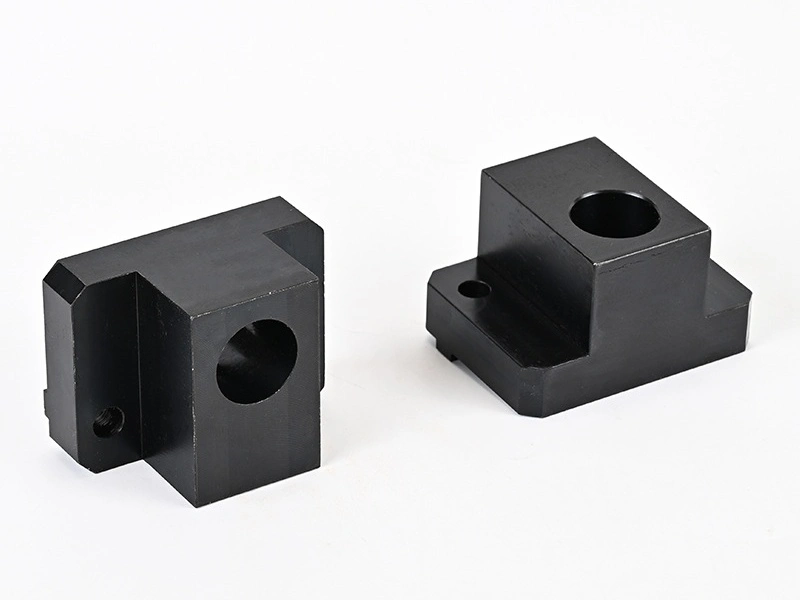
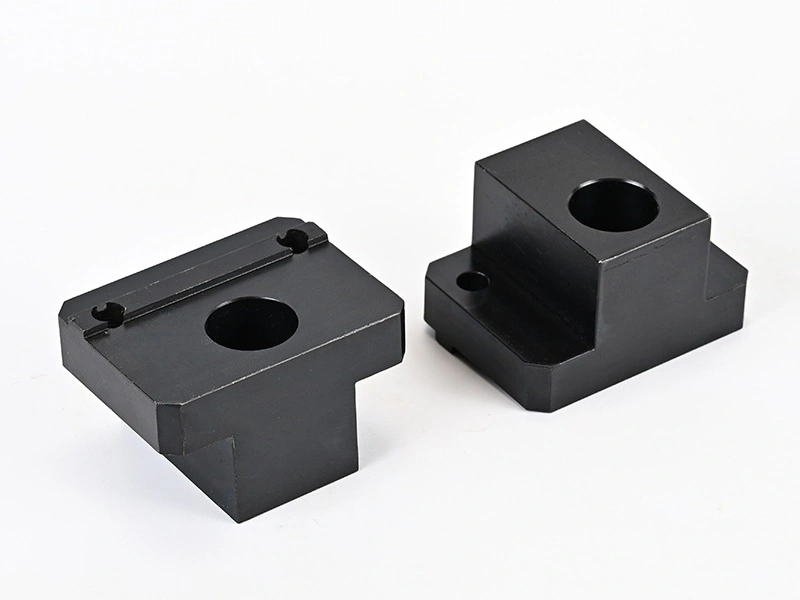
What Is High-Volume Production Machining?
High-volume production machining is a controlled method for repeatedly manufacturing released CNC parts at an agreed output rate, lot size, and delivery cadence. It begins with a defined technical baseline: the current drawing and model, material grade and condition, critical characteristics, approved process sequence, workholding concept, inspection method, final finish, and packaging requirement. The supplier then plans capacity and controls variation around that baseline. Unlike prototype work, where rapid learning and revision changes may be the priority, repeat production depends on disciplined change authority. A drawing update, alternate material lot, replacement fixture, revised tool, inspection-method change, or new outside processor must be assessed before affected parts enter the accepted flow. This model can suit industrial equipment, mobility systems, robotics, medical hardware, aerospace assemblies, and other products, but industry labels alone do not establish readiness. The applicable drawing, contract, regulatory controls, and validation evidence define what must be proven.
The operating system is wider than the cutting cycle. A released traveler or route identifies operations and checkpoints, while controlled setups locate the part from defined datums. Planned tool-life limits and reaction rules prevent known wear from becoming silent drift. Inspection results connect measurements to the relevant machine, fixture, program, material lot, and production time when traceability is required. Secondary operations such as heat treatment, coating, deburring, cleaning, and marking must return the same accepted final state, so their suppliers and acceptance records belong inside the route. Core CNC machining capability remains essential, but repeat supply is approved only when machining, measurement, outside processing, preservation, and logistics work as one controlled sequence. The boundary is important: high quantity without a released baseline is repeated risk, not mature mass production.
When Should You Choose Mass Production Instead of Low-Volume Manufacturing?
Choose mass production only after the design and commercial release pattern are stable enough to justify a fixed route. The engineering team should confirm the drawing revision, tolerances, datum references, material condition, finish, assembly interfaces, and acceptance method. A pilot or representative run should then test more than first-piece conformance: it should expose setup repeatability, tool wear, cycle balance, measurement capacity, secondary-process variation, yield loss, and the actual output rate. Procurement should also confirm annual demand, release-lot size, forecast flexibility, inventory ownership, packaging, and lead-time expectations. If those inputs remain open, low-volume manufacture preserves learning flexibility and limits the cost of obsolete fixtures, stock, or finished parts. If they are closed but rate or capability evidence is missing, use a conditional qualification run rather than declaring full release. Approve the production ramp only when defined evidence meets the acceptance plan and unresolved risks have an owner, due date, and containment action.
Project Status | Recommended Direction | Why |
|---|---|---|
Revision, material state, finish, or acceptance method may still change | Keep learning flexible and avoid committing fixtures, stock, or inspection plans to an unstable baseline. | |
Prototype and pilot parts conform, but sustained rate and reaction rules are unproven | Conditional production qualification | Run a representative lot, collect output and variation evidence, and close failures before full release. |
Annual demand and release cadence are defined, with forecast variation disclosed | Capacity and total-cost validation | Verify demonstrated rate, bottlenecks, inventory assumptions, tooling charges, and delivery recovery before award. |
The route, measurement plan, outside processes, and packaging are approved | Controlled production ramp | Increase output through predefined gates while monitoring critical features, yield, and delivery performance. |
Repeated lots meet acceptance and change-control evidence remains complete | Ongoing mass production | Maintain the baseline, review trends, and revalidate changes that could affect fit, function, finish, or rate. |
Key Manufacturing Factors in High-Volume CNC Production
A production system is credible when each important control has evidence, a failure response, and a responsible owner. The released route should identify the program revision, machine or approved equipment class, operation sequence, datums, fixture identity, cutting tools, in-process checks, outside processes, final acceptance, and preservation steps applicable to the part. Capacity evidence should separate theoretical cycle time from demonstrated good output and include setup, tool changes, inspection, planned maintenance, scrap, rework, and downstream bottlenecks. For parallel machines or duplicate fixtures, equivalence must be verified rather than assumed. The buyer does not need every feature measured at the same frequency, but critical or risk-sensitive characteristics need a defined method, sampling rule, escalation threshold, and containment action. These records allow an engineering team to decide whether to release, conditionally approve, or hold the route.
Workholding and tool control often determine whether a process that made one good sample can remain stable. The fixture must locate the same released datums without distortion, contamination, burr interference, or operator-dependent seating. Setup verification should detect a wrong locator, offset, program, insert, or material before a full lot is exposed. Tool-life limits should be based on observed wear and feature risk, with a reaction plan for results that approach or exceed the acceptance boundary. Replacing an insert is not the complete reaction: the team must define which parts could be affected, how they are identified, what is remeasured, and who authorizes restart. Cycle-time work should remove non-value-added motion and balance operations without weakening chip evacuation, coolant delivery, edge condition, clamping stability, or inspection access. Any cost-down change that alters the released process needs validation against the same functional requirements.
Inspection must represent the final accepted state. A machined dimension measured before heat treatment, coating, or stress relief cannot automatically predict the delivered result. The plan should state where measurement occurs, which instrument or method is used, how measurement resources remain suitable, and how results trace to the relevant lot when required. Consider an engineering scenario involving a thin-walled aluminum housing whose sealing face shifts after unclamping and anodizing. The failure mode is a conforming in-fixture reading followed by final-state flatness or assembly failure. A robust route controls datum seating and cutting balance, measures after release from the fixture, validates the anodized state on a representative lot, and links any out-of-limit result to containment and fixture or tool review. The buyer then approves the ramp only if final-state evidence, output rate, and reaction records satisfy the drawing and purchase requirements.
Manufacturing Factor | Evidence, Failure Risk, and Buyer Action |
|---|---|
Process planning | Review the released route, program revision, operation sequence, and change authority; hold release if shop practice can diverge from the approved baseline. |
Fixture repeatability | Verify datum seating and fixture identity across setups; require containment if chips, burrs, wear, or clamping force can shift critical features. |
Tool life management | Check observed wear limits, affected-part identification, and restart approval; do not accept tool replacement without a defined product reaction. |
Cycle time optimization | Compare demonstrated good output with the quoted rate; validate any faster strategy that changes heat, chip control, deflection, or surface integrity. |
Inspection frequency | Match method and frequency to feature risk, then define escalation and containment; a sampling label alone is not an acceptance strategy. |
Material batch control | Link the specified grade and condition to received and production lots where required; investigate substitutions or lot changes before release. |
Surface finish consistency | Evaluate the delivered post-process state and approved visual or functional criteria; contain lots when color, thickness, adhesion, or dimensions drift. |
Packaging and delivery planning | Confirm preservation, labeling, lot separation, release cadence, and recovery capacity; reject plans that protect machining output but not usable delivery. |
Materials Used for Mass CNC Production
Material selection for mass CNC production must define more than an alloy family. The drawing and purchase requirements should state the applicable grade, temper or condition, product form, certification, traceability, and approved substitution process. Lot-to-lot changes can affect cutting force, distortion, burr formation, tool wear, surface treatment, and measurement timing even when the nominal material name is unchanged. Buyers should therefore connect material approval to the process evidence: stock allowance, grain or extrusion direction when functionally relevant, heat-treatment state, workholding response, final-state inspection, and long-term availability. A lower raw-material price is not a saving if it creates unstable yield, excess tool consumption, finish rejection, or an unapproved functional change.
Aluminum for Lightweight and Cost-Effective Parts
Aluminum can support efficient machining for housings, covers, brackets, manifolds, and structural components, but alloy and temper remain part-specific decisions. Thin walls, broad pockets, and asymmetric stock removal may expose residual-stress distortion after unclamping. Anodizing or another finish can also change dimensions, appearance, contact surfaces, or masking requirements. For repeated supply, verify the released material condition, stock strategy, datum transfer, deburring method, and measurement stage. The buyer should request evidence from the delivered state when flatness, sealing, cosmetic consistency, or coated dimensions drive acceptance.
Stainless Steel for Corrosion-Resistant Components
Stainless steel is used where corrosion behavior, strength, cleanliness, or service exposure justifies the selected grade. It can work harden, retain heat, form persistent burrs, and accelerate tool wear, so a stable route needs controlled cutting conditions and an explicit tool reaction. Passivation, electropolishing, heat treatment, or cleaning may define the final state and must be included in dimensional and surface acceptance. Buyers should distinguish the exact grade and condition from the broad stainless label, verify approved outside processes, and review how mixed material, free iron contamination, edge condition, and lot traceability are prevented where relevant.
Carbon Steel for Durable Industrial Parts
Carbon and alloy steels can provide a practical strength-and-cost balance for shafts, mounts, hardware, and equipment components, yet hardness, scale, stock condition, heat treatment, and corrosion protection can materially change the route. Removing material before or after heat treatment affects distortion risk and available finishing allowance. Plating, black oxide, painting, or other protection may change threads, fits, appearance, and packaging needs. Repeat-production approval should identify the released material state at each operation, final-state measurement, hardness or treatment evidence when specified, and containment for coating damage or corrosion during storage and delivery.
Brass and Copper for Electrical and Mechanical Components
Brass and copper alloys may suit fittings, contacts, conductive components, and precision mechanical parts, but conductivity, temper, lead restrictions, burr control, and cosmetic handling can be functional requirements. Similar-looking alloys are not interchangeable without authorization. Softer stock can mark or deform in workholding, while stringy chips or thin edges may complicate unattended production. Buyers should specify the exact alloy and condition, protected contact surfaces, cleanliness or regulatory evidence, and the acceptance method for conductivity or other functional properties when required. Packaging must prevent dents, oxidation, and cross-contamination through repeated releases.
Engineering Plastics for Lightweight or Insulating Components
Engineering plastics can serve insulating, lightweight, wear, fluid-handling, or low-friction applications, but polymer grade, filler, moisture state, temperature, and stress history influence machining and inspection. Clamping can deform a part that appears acceptable while restrained, and dimensions may change after relaxation or environmental conditioning. Filled grades can also alter tool wear and edge quality. The production plan should define material identity, conditioning assumptions, datum restraint, burr or fiber control, measurement environment, and packaging. Functional validation belongs at the expected service or assembly condition rather than at an undocumented shop-floor state.
Titanium and Superalloys for High-Performance Applications
Titanium and heat-resistant alloys are selected for demanding strength, temperature, corrosion, or weight requirements, not simply as premium alternatives. Their cutting behavior can concentrate heat, load tool edges, and constrain removal rates, so quoted capacity must reflect actual tool changes, inspection, and maintenance rather than an ideal cycle. Material pedigree and segregation may be contractually important. Before a volume award, buyers should examine the approved material source and condition, tool-life evidence, coolant and chip controls, critical-feature measurement, special-process approvals, and recovery capacity. A lower nominal cycle time is not credible if it increases surface-integrity or traceability risk.
How Neway Supports Custom CNC Parts Mass Production
Neway publicly presents CNC machining for custom parts, precision machining for precision-focused work, and multi-axis machining for geometries that may benefit from coordinated axes or fewer transfers. These public service pages help a buyer identify a possible manufacturing route, but they are not part-specific proof of sustained rate, capability, traceability, or final acceptance. For a real program, Neway and the buyer should define the released inputs, process route, fixture and datum plan, critical characteristics, material and finish controls, inspection evidence, subcontracted operations, capacity model, and delivery cadence. The resulting order-level documents and records, not an equipment category or general capability statement, should support release.
The same evidence boundary applies when coordinating material review, machining, deburring, surface treatment, inspection, preservation, and logistics. An integrated route can reduce handoff ambiguity only when revision control, ownership, acceptance, and change authority remain explicit. Public information about a one-stop CNC machining service can be a starting point for supplier discussion. Before award, request the route and capacity evidence for the actual part, identify outside processors and their controls, agree how nonconforming product is contained, and confirm who approves changes. If those records are unavailable, treat the capability as unverified for that order and use a qualification lot or hold decision rather than assuming that one-stop coordination guarantees repeatability.
Request a Quote for High-Volume CNC Production Parts
A useful high-volume CNC quote should expose the assumptions behind price, capacity, and acceptance. Submit the released 3D model and controlled 2D drawing together with part revision, material grade and condition, finish, critical characteristics, annual demand, release-lot sizes, forecast range, target cadence, delivery locations, packaging, traceability, documentation, and change-control requirements. Identify which prototypes or pilot lots have been approved and which risks remain open. Ask the supplier to separate recurring unit price from fixture, programming, gauges, qualification, or other nonrecurring charges, and state the volume and yield assumptions used. The evaluation should compare total accepted and delivered cost, not only the lowest unit price.
Before releasing repeat supply, agree on validation evidence and reactions: representative output rate, first-piece or qualification approval where required, measurement methods, sampling or control rules, final-state acceptance, lot identification, outside-process records, nonconformance containment, restart authority, and contingency recovery. These inputs allow Neway to assess whether the project aligns with its public mass production services and allow the buyer to distinguish a quotable concept from a release-ready process. Approve a ramp only when the proposed evidence matches the drawing and purchase requirements. Otherwise, close the missing definition, run a controlled qualification lot, or keep the program on hold.
FAQ