How to Control Cost, Heat Treatment, and Surface Finish in Carbon Steel CNC Machining Projects
How to Control Cost, Heat Treatment, and Surface Finish in Carbon Steel CNC Machining Projects
Control carbon steel CNC project cost by matching the grade, product condition, machining route, heat treatment, surface finish, and inspection evidence to the part's actual load and environment. Do not reduce price by removing a feature that carries load or by relaxing a dimension that controls assembly. A shaft, bracket, fixture, sleeve, support part, or transmission component can require a different route even when the outside shape looks simple. The cost decision must cover stock form, setup count, material removal, distortion allowance, post-treatment machining, rust protection, and report scope. A quote is comparable only when those assumptions and the required finished state are explicit.
For buyers sourcing carbon steel shafts, brackets, fixtures, sleeves, support parts, and mechanical transmission components, the bigger challenge is keeping total cost controlled while still meeting strength targets, heat-treatment requirements, dimensional stability, rust protection, and repeat-lot quality. Projects involving carbon steel CNC machining cost should be reviewed as a complete manufacturing plan rather than as a raw machining quote only. The practical sequence is to define the load path and critical features, choose a grade and condition, then plan machining, treatment, finishing, and verification as one route. That sequence prevents a low raw-material quote from becoming an expensive rework, grinding, coating, or inspection problem later. For cost control, the RFQ should identify the required lot size, inspection stage, and acceptance evidence before suppliers quote, because each assumption changes setup planning, treatment handling, finishing allowances, and the amount of material that must be documented.
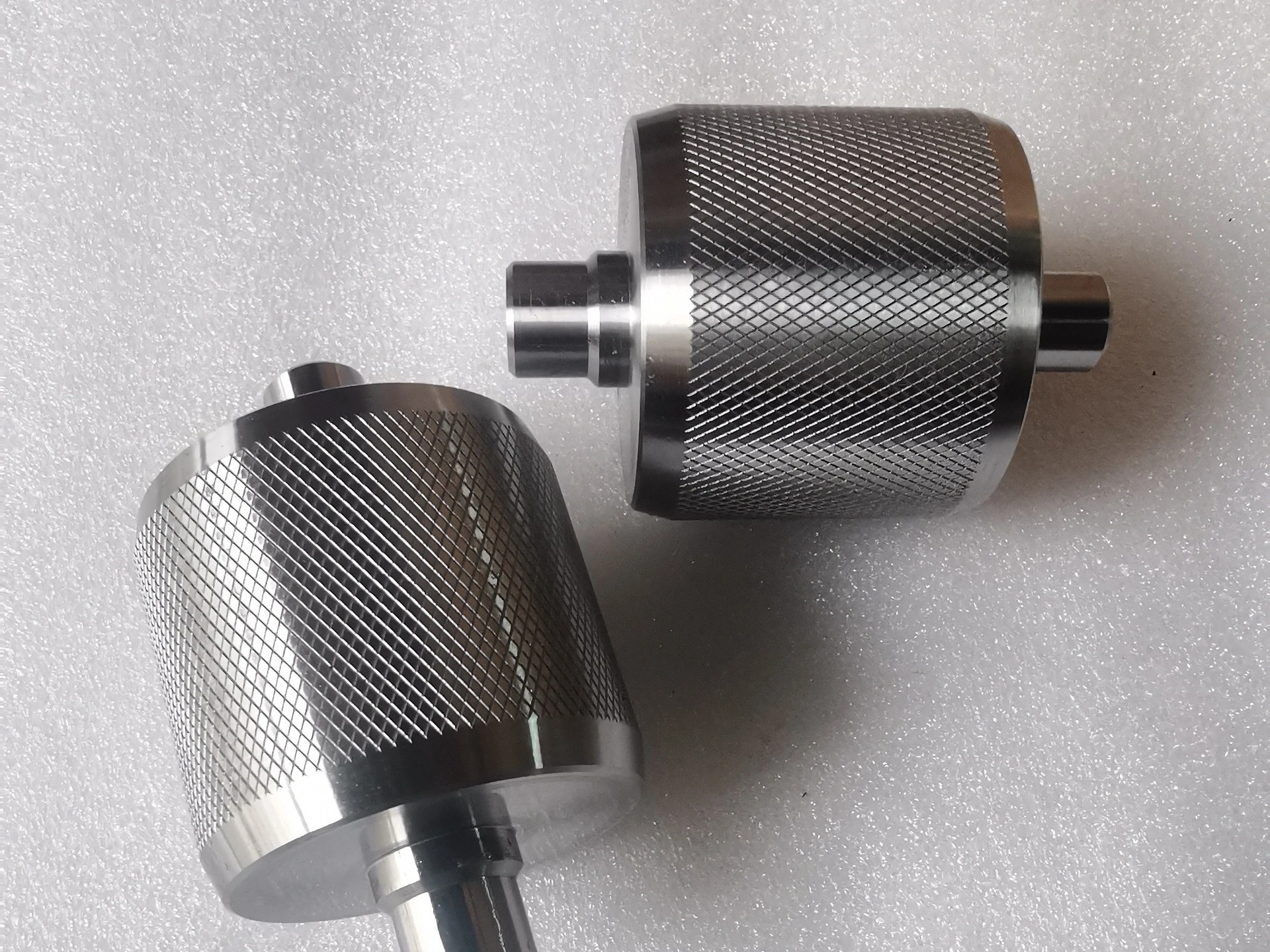
Why Carbon Steel CNC Machining Is Cost-Effective for Strong Custom Parts
Carbon steel CNC machining can be cost-effective because commonly specified grades offer useful strength, toughness, ductility, and machinability at a practical material cost. 1018 may fit a fixture, bracket, spacer, or general shaft when the load and environment are moderate. 1045 can fit a stronger pin or shaft when a medium-carbon route is justified. If the requirement exceeds the approved carbon steel route, 4140 or 4340 chromium-molybdenum low-alloy steel may be evaluated as an alternative for higher hardenability, fatigue, or wear demands, but the material-family change requires buyer approval. These are selection boundaries, not universal performance guarantees. Product form, supplied condition, section size, heat treatment, and final verification still determine whether the finished part satisfies its function. A plate-based bracket, a cold-drawn shaft, and a forged drive part should not be quoted from the same assumptions. Stock availability, material certificates, weldability, corrosion exposure, and the ability to measure the finished feature can be more important than a small difference in raw material price. The buyer should ask which property is being purchased and which evidence will prove it after all outside processes.
Carbon steel also gives process flexibility. Many grades can move from a prototype route into low-volume manufacturing and then into mass production when the material, fixture, outside process, and inspection assumptions remain controlled. That flexibility is valuable only when the drawing revision, heat or lot traceability, and treatment condition follow the part. A free-machining grade may reduce cutting time but be unsuitable for welding or a restricted application. A harder alloy may reduce wear but increase tool wear, distortion risk, grinding allowance, and inspection effort. Compare finished-part function and evidence, not only raw stock price.
Main Cost Drivers in Carbon Steel CNC Machined Parts
Even when carbon steel is a practical material choice, the final quote depends on more than raw steel price. Grade and condition, stock yield, part size, geometry, setup strategy, deep features, tolerance zones, heat treatment, finishing, quantity, packaging, and inspection all influence total cost. A useful quote separates mandatory functional controls from optional preferences and identifies which dimensions are checked before treatment, after treatment, after coating, or in the assembled state. It also states whether material is supplied by bar, plate, tube, or forging, whether outside processes are included, and whether the reported price covers first-article or repeat-lot evidence. Understanding these drivers helps buyers compare quotations accurately and decide where a change reduces effort without weakening the load path, fit, durability, or evidence.
Cost Factor | Impact on Price |
|---|---|
Steel grade | 1018, 1045, and 12L14 carbon steels differ in stock cost, strength, machinability, joining limits, and treatment needs; 4140 or 4340 chromium-molybdenum low-alloy steel is a separately approved alternative, not the same material family |
Part size | Larger steel parts increase material usage, handling, cutting time, and the risk that a standard stock size leaves costly waste or extra removal |
Geometry complexity | Deep holes, long shafts, thin walls, multi-face machining, tight access, and complex fixturing add machine time and create more opportunities for datum shift |
Heat treatment | Quenching, tempering, stress relief, and carburizing only for a specifically approved suitable grade add outside-process cost, handling, records, and potential distortion or finish allowance |
Tight tolerances | Unnecessary tight tolerances increase cutting control, setup stability, inspection time, and rework risk; zone critical dimensions by function and datum |
Surface finish | Black oxide, zinc plating, nickel plating, phosphating, painting, and other routes add secondary processing, masking, buildup, cleaning, or corrosion evidence |
Quantity | Single parts, low-volume runs, and production batches follow different unit-cost logic for programming, workholding, stock minimums, tool life, and sampling |
Inspection | CMM, hardness checks, concentricity, roughness, thread gauges, first-article reports, and lot traceability increase QA cost but protect release decisions |
How to Reduce Carbon Steel CNC Machining Cost Without Affecting Strength
The most effective cost reduction is to match grade and process route to the real performance requirement instead of over-specifying the part. A bracket that carries a moderate static load may not need the same heat-treated grade as a fatigue-critical shaft. A fit-critical bore may need a controlled diameter and form, while a nonfunctional outside face may accept a broader tolerance. Removing a load-bearing rib, reducing a safety feature, or assuming that a softer grade is equivalent can create a design failure rather than a saving. The drawing should identify critical features, datums, fits, surface texture, and acceptance state before optional simplification is reviewed.
Buyers can reduce cost by choosing steel grade according to the actual load and treatment need, separating critical and noncritical dimensions, and reviewing long shafts or large parts early for distortion risk. Define which dimensions are checked before heat treatment and which must be held after heat treatment. Choose rust protection by exposure, contact, storage, and appearance instead of habit. Request prototype, low-volume, and production pricing under the same technical assumptions so setup, fixtures, tooling, sampling, and reports can be compared fairly. A controlled allowance for post-treatment grinding can be cheaper than rejecting a shaft that moves after quenching. Review tool access, standard stock sizes, internal corner radii, thread forms, and datum reach before release. Those choices can reduce setup and inspection effort while preserving the features that control assembly or service life.
A pre-quote review using DFM for CNC machining is useful for carbon steel parts because it can identify unnecessary setups, inaccessible features, thin-wall clamp risk, nonstandard threads, excessive stock removal, and finish surfaces that need masking. It can also separate a functional tolerance from a reference dimension, confirm that a datum is reachable after treatment, and expose a bore or thread that cannot be inspected in the proposed setup. The review should preserve the function of the part and document any proposed change, its cost effect, its risk, and the validation required before approval.
Heat Treatment and Dimensional Stability Considerations
Heat treatment is a major technical and cost factor in carbon steel machining projects. Medium-carbon 1045 can support an approved carbon steel heat-treatment route, while 4140 and 4340 are chromium-molybdenum low-alloy steels with different hardenability and processing implications. Any change between those material families requires buyer approval. Strength, hardness, toughness, and wear response still depend on the exact grade, starting condition, section size, treatment cycle, and test location. Quenching and tempering can introduce movement, residual stress, decarburization, or the need for straightening and grinding. The machining sequence should therefore reserve suitable stock, protect the datum scheme, and state when the final dimensions are measured. Rough machining before treatment followed by controlled finishing is often more predictable than trying to hold every critical dimension before thermal processing. The RFQ should identify whether the requirement is a supplied condition, a finished hardness range, a case or surface condition, or a combination. It should also state the evidence needed, such as a material certificate, treatment record, hardness results, straightness check, or final dimensional report.
This is especially important for shafts, sleeves, thin-wall parts, and long components where bending, size drift, or concentricity change may occur. A fit area can be left with a defined finish allowance and ground after treatment, while a noncritical face may remain as machined. Hardness targets should identify the scale, location, condition, and acceptance rule because a vague hardness request creates quoting and inspection uncertainty. The sequence should also define when straightening is allowed, which datum is used for final runout, and whether a crack, decarburized surface, or mixed material lot triggers rejection. A bounded engineering scenario is an approved 1045 carbon steel shaft or 4140 low-alloy steel shaft that meets rough diameter before treatment but loses runout afterward. The control is a stable post-treatment datum, finish allowance, and final geometry inspection, not an unsupported promise that distortion will be zero.
Heat-Treatment Consideration | Why It Matters |
|---|---|
Grade selection | Low-carbon, medium-carbon, and alloy grades do not respond the same way; state the finished property and condition rather than relying on the grade name alone |
Machining allowance | Extra stock may be needed for finish machining or grinding after treatment, especially on fits, datums, and surfaces that can move |
Long shafts and thin walls | These features are more sensitive to bending, clamp release, residual stress, and section response; plan support and post-treatment checks |
Post-heat-treatment grinding | Often needed for critical fits, straightness, roundness, runout, or surface refinement after the part reaches its specified condition |
Hardness requirement | Define scale, location, range, sampling, and test stage so quoting and inspection verify the intended finished state |
Surface Finish and Rust Protection for Carbon Steel Parts
Surface finishing is a major part of carbon steel planning because many carbon steel components need rust protection after machining. The correct finish depends on exposure, service life, appearance, contact conditions, storage, coating thickness, and whether the part has already been heat treated. These details should be defined during RFQ review because a finish can change final size, visual quality, thread fit, seal contact, and downstream assembly. State protected areas, masked areas, thickness or buildup limits, cleaning requirements, and the evidence needed to release the finished part. A coating can be acceptable on a structural face but unacceptable on a bearing seat or threaded interface. A process that is inexpensive for a bracket may be unsuitable for a sliding sleeve, so the service contact and inspection state must be explicit.
Black oxide can suit a low-thickness dark protective system when the exposure and oiling plan support it. Zinc plating can support general corrosion resistance, but coating buildup, hydrogen-related concerns, masking, and thread fit require review. Nickel plating may serve appearance and protection needs while demanding substrate and thickness control. Phosphate can support lubrication or paint preparation. Powder coating and painting may suit visible structural parts but need coverage, cure, edge, and masked-interface checks. Anti-rust oil is generally a temporary transport or storage measure rather than permanent corrosion control. No finish should be selected without checking the base grade, treatment, contact surfaces, and environment. Define whether the coating is allowed on a bearing seat, sealing land, threaded hole, grounding face, or sliding surface. If it is not allowed, the masking method and final inspection must be visible in the RFQ rather than left as an informal shop assumption.
Because finishing choice affects both function and quoting, buyers can review carbon steel surface treatment when deciding between black oxide, zinc plating, phosphate coating, painting, or another protection route. The final specification should still state the actual acceptance condition, including appearance, coverage, masking, thickness, adhesion, corrosion evidence, and the dimensions that must be verified after finishing. Ask whether cleaning, oiling, packaging, and storage protection are included, and identify who owns damage or corrosion found after an outside finishing step. A finish is cost-effective only when it protects the intended surface without creating an avoidable fit or acceptance dispute.
Finish Option | Typical Buyer Purpose |
|---|---|
Black oxide | Low-thickness anti-rust system with dark appearance; define oil, masked functions, storage, and visual acceptance |
Zinc plating | General corrosion protection for batch parts; confirm thickness, thread buildup, masking, and required corrosion evidence |
Nickel plating | Appearance and stronger protection where substrate preparation, buildup, adhesion, and contact compatibility are controlled |
Phosphate coating | Surface preparation, wear support, lubrication, or paint-base treatment with a defined supplementary system |
Powder coating / painting | Protective finish for structural and visible components; specify cure, coverage, color, edges, and excluded interfaces |
Anti-rust oil | Short-term transport and storage protection matched to cleanliness, packaging, duration, handling, and removal method |
Tolerance planning is also part of finish planning. If coating buildup or post-treatment grinding affects the final dimension, those surfaces should be separated from noncritical faces and tied to the correct datum. A bore, thread, bearing seat, sealing land, or mating shoulder may need a finished-state check after coating, while an external cosmetic face may not. Buyers can use general guidance on CNC machining tolerances when deciding which dimensions must remain tightly controlled through machining, heat treatment, and finishing.
Submit a Carbon Steel CNC Machining RFQ
A quote-ready carbon steel RFQ should define more than geometry. Include the controlled drawing and model revision, grade and product condition, stock form, hardness or heat-treatment requirement, critical datums and fits, surface texture, threads, coating or rust protection, quantities and forecast, inspection reports, traceability, packaging, and required delivery state. Identify which dimensions are functional, which are reference-only, and when each is accepted: as machined, after treatment, after grinding, after coating, or in assembly. Identify the material heat or lot, outside-process certificates, sample or first-article expectations, and the authority for deviation or rework. If a substitution is allowed, require the supplier to separate it from the compliant quote and state the functional comparison, cost effect, risk, evidence, and buyer approval needed. The supplier should also state the proposed blank size, machining sequence, fixture concept, and planned post-treatment operations because hidden route differences can make nominally similar prices incomparable. Release evidence should connect the drawing revision, material lot, treatment record, coating batch, and final inspection result so a later nonconformance can be traced to the responsible stage.
For buyers preparing RFQs on strong custom carbon steel components, Neway can support that process through carbon steel CNC machining cost review and project-specific planning. A useful supplier response should identify material condition, workholding and datum logic, thermal-processing order, stock reserved for final finishing, responsibility for subcontracted operations, measurement timing, required inspection records, heat or lot traceability, and approval control for changes. Request separate assumptions for prototype, low-volume, and production quantities, and ask how a proposed substitution would be validated. Compare routes on finished function and evidence, not only unit price. A stronger RFQ usually leads to better cost control, lower heat-treatment risk, and more stable finished-part quality because each cost driver has an owner and a defined acceptance point.
FAQ
What information is needed to get a carbon steel CNC machining quote?
How does heat treatment affect carbon steel CNC machined parts?
How can carbon steel CNC machining cost be reduced without affecting strength or durability?
What inspection reports are recommended for carbon steel CNC machined parts?