Copper Alloy
Material Introduction
Copper Alloy is a broad material family used in CNC machining when the application requires high electrical conductivity, strong thermal transfer, corrosion resistance, non-magnetic behavior, or specialized wear and contact performance. Compared with steel and aluminum, copper alloys are typically selected for functional rather than purely structural reasons, especially in electrical, thermal, and contact-related systems.
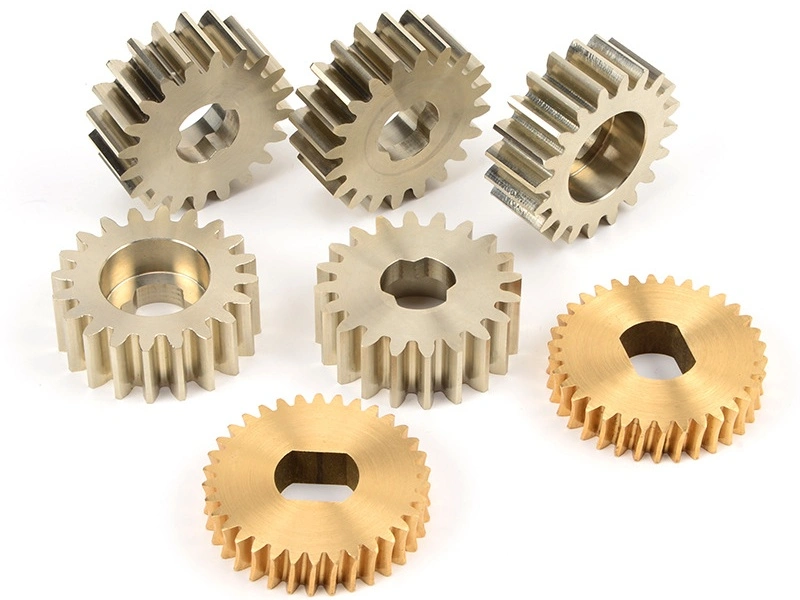
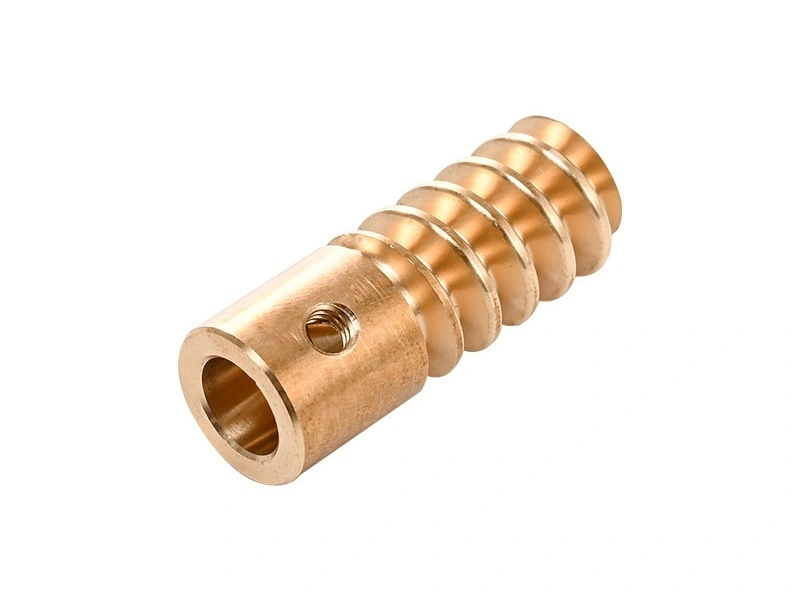
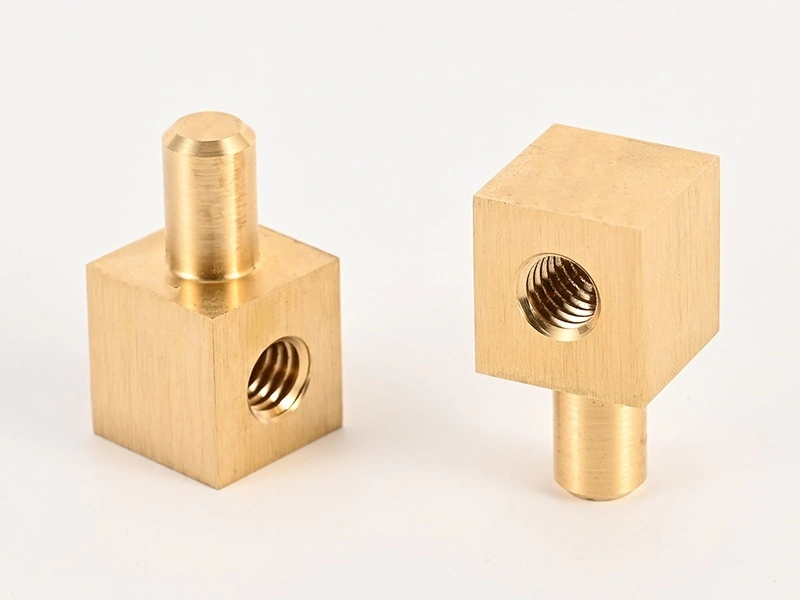
This family includes Copper C101 (T2), Copper C103 (T1), Copper C103 (TU2), Copper C110 (TU0), Beryllium Copper, Copper C102 (Oxygen-Free Copper), Copper C260 (Brass), Copper C194 (Alloy 194), Copper C175 (Chromium Copper), Copper C330 (Leaded Copper), Copper C151 (Tellurium Copper), Copper C172 (Beryllium Copper – High Strength), Copper C194 (High Strength Copper), Copper C510 (Phosphor Bronze), Copper C521 (Leaded Phosphor Bronze), Copper C120 (Electrolytic Tough Pitch Copper), Copper C630 (Aluminum Bronze), Copper C905 (Silicon Bronze), Copper C706 (Nickel Silver), and Copper C482 (Copper Nickel). These materials are widely used for electrical connectors, heat sinks, electrodes, bus bars, contact parts, fittings, sleeves, wear components, and custom machined conductive parts.
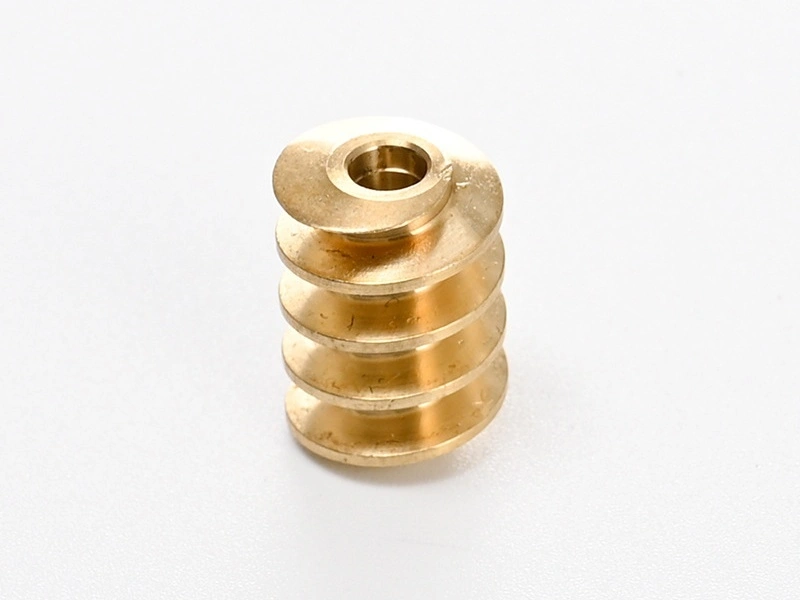
Material Family Table
Copper Category | Representative Grades |
|---|---|
High-Conductivity Copper | C101, C102, C103, C110, C120 |
Free-Machining / Specialized Copper | C151, C330, C194 |
High-Strength Copper | Beryllium Copper, C172, C175, C194 High Strength Copper |
Copper-Based Bearing / Wear Alloys | C510, C521, C630, C905 |
Corrosion-Resistant Copper Alloys | C482, C706 |
Related Copper Alloy Variants | C260 Brass and other alloyed conductive copper systems |
Selection Direction
Copper alloy selection should be based on conductivity requirement, thermal transfer need, hardness target, corrosion environment, machinability, contact performance, and whether the part functions as a conductor, heat-transfer component, spring contact, bearing surface, or chemical-service part.
For maximum conductivity, Copper C102 (Oxygen-Free Copper) and similar high-purity grades are commonly preferred. For easier machining with useful conductivity, Copper C151 (Tellurium Copper) is often a better production option. For high-strength contact or tooling components, Copper C172 and other strengthened copper alloys are more suitable. For corrosion-resistant or marine-related service, copper-nickel and selected bronze-related copper alloys should be reviewed more carefully.
Design Intent of Copper Alloy
Copper alloys are selected in CNC machining when the part must do more than simply carry mechanical load. Their design intent often centers on conductivity, heat transfer, arc resistance, contact reliability, corrosion behavior, or low-friction service in copper-based sliding systems. In many cases, copper alloys are chosen because aluminum, steel, or stainless steel cannot provide the same balance of conductivity and service performance.
The design intent varies by grade family. Pure and oxygen-free coppers are used for electrical and thermal conduction. Tellurium and leaded copper grades are used where machinability is improved without losing too much functional conductivity. Beryllium and chromium copper grades are selected where strength and conductivity must coexist. Bronze- and nickel-containing copper alloys are chosen where corrosion resistance, wear behavior, or marine durability are more important than maximum conductivity.
General Properties
Property | Typical Engineering Meaning |
|---|---|
Electrical Conductivity | Excellent in high-purity copper grades and reduced in stronger alloyed versions |
Thermal Conductivity | Very good for heat-transfer applications and thermal control parts |
Corrosion Resistance | Generally good, with some grades optimized for marine or chemical environments |
Machinability | Varies widely from gummy pure copper to improved free-machining copper alloys |
Strength | Ranges from soft conductive copper to high-strength beryllium and chromium copper systems |
Non-Magnetic Behavior | Useful in electrical, instrumentation, and specialty industrial applications |
Mechanical Behavior
Property | Engineering Relevance |
|---|---|
Contact Performance | Important in connectors, terminals, electrodes, and contact springs |
Heat Dissipation | Critical for bus bars, heat spreaders, and thermal management components |
Wear Resistance | Improved in strengthened and bronze-related copper alloy grades |
Spring / Elastic Response | Especially relevant in beryllium copper and selected contact materials |
Marine Durability | Important in copper-nickel and corrosion-resistant copper systems |
Tool Wear / Cutting Load | Influenced by softness, ductility, and alloy chemistry during machining |
Material Characteristics
Copper alloys are characterized by their ability to combine conductivity with application-specific performance. Pure copper and oxygen-free copper grades are ideal for electrical and thermal transfer but are usually more difficult to machine cleanly. Tellurium copper improves machinability while preserving much of copper’s useful conductivity. High-strength copper systems such as beryllium copper and chromium copper are selected when better wear resistance, spring behavior, or tool/electrode performance is required.
For bearing, sleeve, and corrosion-focused applications, copper alloys may transition toward bronze- and nickel-containing systems. These grades are often chosen when conductivity is less important than mechanical reliability, sliding performance, or environmental durability. Material selection should therefore be driven by the real function of the part rather than by copper content alone.
Manufacturing Process Performance
Copper alloy components are commonly produced through CNC turning, CNC milling, CNC drilling, CNC boring, and where final contact accuracy is important, CNC grinding. Many copper alloys can be machined successfully, but softer high-conductivity grades often require more careful chip control and sharper tooling than free-machining brass or carbon steel.
Compared with many standard engineering metals, copper can generate built-up edge, burr formation, or surface smearing if cutting conditions are not optimized. Process planning should therefore consider whether the material is a pure conductive copper, a free-machining copper grade, a high-strength copper alloy, or a corrosion-focused copper system. The correct route depends on whether conductivity, tolerance, speed, or surface quality is the primary requirement.
Applicable Post-processing
Copper alloy parts may require deburring, surface cleaning, stress relief, polishing, conductivity-preserving handling, or dimensional verification depending on the function of the part. Post-processing is especially important for electrical connectors, contact surfaces, sealing details, and thermal components where surface condition can directly affect performance.
Where appearance, contact behavior, or corrosion protection needs improvement, selected copper alloy parts may also be compatible with finishing routes such as electroplating. However, the finishing route should be chosen according to conductivity needs, tolerance sensitivity, service environment, and whether the surface is functional, decorative, or assembly-critical.
Common Applications
Copper alloys are widely used in industrial equipment, power systems, electronics-related hardware, automation equipment, thermal management assemblies, and corrosive-service systems. Typical applications include bus bars, connectors, terminals, heat sinks, electrodes, contact springs, nozzles, bearings, sleeves, fittings, and corrosion-resistant custom machined parts.
In these applications, copper alloy is selected because it can provide electrical, thermal, or environmental performance that many other metals cannot match efficiently. The exact grade should be chosen according to whether the application needs maximum conductivity, easier machining, higher strength, corrosion resistance, or better sliding and contact performance.
When to Choose Copper Alloy
Choose copper alloy when the part requires strong electrical conductivity, thermal transfer, contact reliability, corrosion resistance, or specialized non-ferrous wear behavior. Copper alloys are especially suitable for conductive hardware, heat-transfer parts, electrodes, terminals, contact systems, and medium-duty components where function depends more on conductivity or corrosion behavior than on maximum structural strength.
For maximum conductivity, high-purity copper grades should be evaluated first. For easier machining, tellurium copper or selected specialty copper grades may be better options. For high-strength and spring-like service, beryllium copper and chromium copper systems are more appropriate. For marine or corrosion-sensitive environments, copper-nickel and related alloys may be the safer choice. The best selection method is always to confirm conductivity target, thermal requirement, strength level, environment, and production volume before finalizing the exact copper alloy grade.
Engineering Selection Note
Copper alloy should be selected according to the actual function of the component rather than by general material family name alone. For RFQ evaluation, customers should provide the 2D drawing, 3D model, dimensional tolerance, conductivity requirement, thermal duty, surface finish expectation, hardness target, corrosion environment, contact duty, and whether the part is intended for prototype, low-volume, or production use.
This allows NewayMachining to determine whether pure copper, free-machining copper, high-strength copper, conductive specialty copper, or corrosion-resistant copper alloy is the most appropriate material route for the project, and whether turning, milling, drilling, boring, or grinding is the best process combination.
Explore Related Blogs