C110 Copper vs Beryllium Copper CNC Machining: How to Choose the Right Copper Alloy
C110 Copper vs Beryllium Copper CNC Machining: How to Choose the Right Copper Alloy
C110 and beryllium copper should be selected by the part function, finished condition, and manufacturing route rather than by alloy name alone. C110 is usually the stronger starting point when electrical conductivity or heat transfer dominates. Beryllium copper becomes more relevant when the component must also carry load, retain spring force, resist wear, or hold a contact geometry through repeated cycling. The decision belongs in the design and request for quotation (RFQ) stage because alloy choice affects machining behavior, finishing, inspection, cost, and delivery risk. Start with a short function statement that names the current path, heat path, load path, contact action, and expected service state. Then identify which property is essential, which property may be traded, and which result must be measured on the finished part. This sequence keeps a material preference from becoming an unverified assumption.
For engineers, buyers, and project managers, the comparison starts with the functional requirements for computer numerical control (CNC) production and then evaluates copper alloy CNC machining against what the part must do. A busbar, heat spreader, conductive block, spring contact, connector, or wear surface has a different acceptance boundary. Define the current path, heat path, load, deflection, mating surfaces, plating, quantity, and critical dimensions before asking a supplier to quote. A material that looks optimal on one property can create burr, distortion, tooling, finishing, or inspection problems elsewhere in the route. Include the envelope, thin sections, deep features, datum scheme, and surfaces that will be masked or plated. Tell the supplier whether the quote is for a prototype, pilot, or repeat lot. Those inputs let the machining route and the inspection plan be compared with the same functional target.
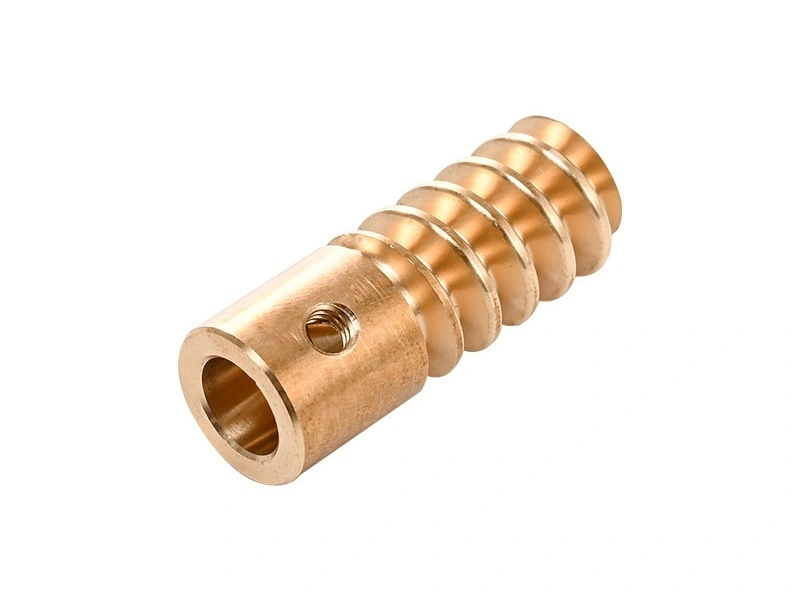
Why Copper Alloy Selection Matters Before CNC Machining
An alloy decision changes the control plan, not only the material line on a purchase order. Conductivity, thermal transfer, strength, hardness, elasticity, wear resistance, and corrosion behavior can move in different directions. The selected temper and product form also affect clamping deformation, tool engagement, burr formation, chip evacuation, and the surface state that later plating or cleaning will receive. If the design team waits until after quotation, a material substitution can force a new tool path, a different fixture strategy, revised inspection, or an unresolved delivery assumption. It can also change stock availability, outside-process compatibility, cleaning expectations, and the records needed for lot release. Define the controlling revision and any minimum property requirement before comparing supplier proposals. If a performance statement is not tied to a drawing characteristic or a defined test, treat it as a question for engineering review. This protects the buyer from selecting a material that passes a general description but misses the real assembly condition.
C110 and other high-conductivity grades are relatively soft and can smear, form built-up edge, or leave raised material at slots and hole exits when the route is not controlled. Stronger copper alloys can preserve a thin section or spring feature more effectively, but they can increase cutting load, tool wear, material cost, and the need for controlled finishing. Beryllium-bearing materials also require the supplier to follow applicable occupational and contamination controls. The best choice is therefore a documented tradeoff among functional evidence, machining stability, process risk, and buyer acceptance. Ask how the supplier will support the workpiece, evacuate chips, protect contact faces, and inspect the finished edge condition. Ask which operation occurs before plating and which result is accepted after plating. These questions expose route differences that a material data sheet cannot answer. They also give the buyer a practical basis for comparing price, lead time, and risk.
C110 Copper vs Beryllium Copper: Quick Buyer Comparison
C110 copper and beryllium copper serve different buyer priorities. C110 is generally favored for current-carrying and heat-transfer paths where lower electrical resistance is central. Beryllium copper, including C172, is considered when higher strength, spring response, fatigue resistance, or contact wear matters alongside useful conductivity. The table is a screening aid, not a substitute for the drawing, specified temper, product form, and application test. Confirm the finished feature and required report before treating a grade as approved. Check whether the selected temper is available in the required stock shape and whether the supplier can keep the material identity through machining and outside processing. For a contact, specify the mating condition and any plating boundary. For a thermal part, define the interface and the surface state that controls heat transfer. The comparison becomes useful only when these functional conditions are visible in the RFQ.
Comparison Item | C110 Copper | Beryllium Copper / C172 |
|---|---|---|
Conductivity | Very high for current and heat-transfer paths | Useful conductivity with lower performance than pure copper grades |
Strength | Lower, so thin or loaded features need deformation review | Higher, supporting loaded sections and durable contact features |
Elasticity | General response for rigid conductive components | Good spring response for elastic contacts and repeated engagement |
Machinability | Softer; burrs, smearing, and built-up edge need active control | Higher strength; cutting load, tool wear, and fixturing need review |
Common applications | Busbars, conductive blocks, heatsinks, and rigid contact parts | Spring contacts, precision connectors, clips, and wear-exposed conductive parts |
Buyer guidance | Choose when conductivity or heat transfer controls the function | Choose when strength, elasticity, or contact wear controls the function |
For a high-conductivity path, Copper C110 CNC machining is a practical route to evaluate first. For a spring-like or higher-load connector, Copper C172 CNC machining may fit better. The supplier still needs the drawing revision, temper, geometry, finish sequence, and inspection requirement before either material can be quoted as a controlled choice. Include a substitution rule when the requested grade is unavailable. The rule should identify the properties to compare, the evidence required, and the person authorized to approve the change. Without that control, a cheaper or more available grade can enter the process while the original electrical, spring, or wear requirement remains untested.
Other Copper Alloys Used for CNC Machined Parts
C110 and beryllium copper are useful comparison anchors, but they do not cover every copper machining decision. C101, C102, C151, C175, C194, C510, and C630 can each address a different combination of purity, conductivity, strength, machinability, elasticity, wear, or service environment. These descriptions are selection prompts rather than unconditional material claims. Confirm the applicable standard, condition, product form, and required evidence before a substitute enters the RFQ or production record. Review the alloy against the feature that drives failure, such as a conductive contact, a narrow edge, a spring arm, a threaded hole, or a wear surface. Then check whether the required finish, cleaning method, joining process, and inspection equipment are compatible with that alloy. A secondary grade is only a real option when the buyer can verify the same release criteria.
Copper Alloy | Suitable Applications | Why Buyers Choose It |
|---|---|---|
C101 / T2 | High-conductivity electrical and thermal parts | Supports efficient transfer when purity and conductivity are primary concerns |
C102 Oxygen-Free Copper | High-purity conductive components and controlled environments | Offers a low-oxygen option when the material requirement calls for it |
C175 Beryllium Copper | Higher-strength conductive parts and loaded contacts | Balances conductivity with more structural strength than pure copper |
C151 Copper-Zirconium | High-conductivity contacts that need added strength or thermal-softening resistance | Retains high conductivity while improving strength and resistance to thermal softening |
C194 High Strength Copper | Terminals, connectors, and formed conductive structures | Provides a practical strength and conductivity balance for loaded features |
C510 Phosphor Bronze | Elastic, wear-resistant, and repeated-contact components | Supports spring behavior and wear control when pure copper is too soft |
C630 Aluminum Bronze | High-strength parts exposed to wear or mechanical loading | Provides a stronger wear-oriented option when conductivity is not the only priority |
For high-purity conductive work, compare Copper C101 CNC machining with Copper C102 CNC machining against the actual material requirement. Copper C151 CNC machining is a copper-zirconium route for high conductivity with added strength or thermal-softening resistance, not a tellurium free-machining grade. The buyer should still check temper, geometry, finish, and downstream joining needs. Record the reason for the shortlist so the quotation can separate material, tooling, machining, outside processing, and inspection assumptions. This is especially useful when a conductive part will later be plated, soldered, bonded, or assembled against a controlled mating surface. The lowest material price is not automatically the lowest delivered risk.
How Application Requirements Affect Copper Alloy Choice
Start material selection with the failure that the part must prevent. A busbar or conductive block may be controlled by resistance, temperature rise, contact area, and flatness. A heat spreader may depend on thermal interfaces, surface finish, and clamping stability. A spring contact or connector may require elastic recovery, insertion force, wear, burr control, and stable plating. A structural or wear feature may need strength, hardness, and edge retention. These requirements can conflict, so the material decision should record which function has priority and which properties are allowed to trade. Identify the critical surface and the load or current that reaches it. Note whether the part is clamped, flexed, mated, cleaned, plated, or exposed to heat cycles. This makes the requested alloy and temper traceable to a physical risk instead of a generic preference.
Application geometry and delivery state also matter. Thin walls and deep slots are sensitive to clamping and chip evacuation. A plated hole or contact face must be judged after the outside process if buildup changes fit. Consider a non-customer engineering scenario in which a connector combines a rigid current-carrying lug with a repeatedly flexed contact arm. C110 may suit the lug when resistance and heat transfer control acceptance, while C172 may suit the arm when spring retention and wear control release. The buyer should require separate material identity, finished contact geometry, plating condition, resistance evidence, and force or cycle validation before approving the split-material route. Prototype, low-volume, and production orders can require different sampling, traceability, and cost assumptions. Ask whether the component is exposed to repeated contact, cleaning, humidity, heat cycles, or a sealed interface. A good RFQ carries these boundaries into machining, finishing, inspection, packaging, and release instead of treating alloy selection as a single line-item comparison. State which dimensions are checked before finishing and which are checked on the delivered state. Include masking, rack marks, cleaning, packaging protection, and certificate requirements when they can change the buyer decision. This prevents a part from passing a machining-only check while failing its actual assembly or service condition.
Application Question | Why It Matters |
|---|---|
Do you need the highest conductivity? | Directs the shortlist toward high-conductivity grades and a defined resistance or transfer requirement |
Is heat transfer a key function? | Requires attention to alloy, contact area, flatness, roughness, and the finished thermal interface |
Does the part need elasticity or spring-back? | May favor beryllium copper or another elastic alloy with a specified temper and cycle requirement |
Will the part see wear or repeated contact? | Calls for stronger material, edge control, surface evidence, and an agreed wear or mating condition |
Is higher structural strength required? | May justify a stronger copper alloy while requiring a review of conductivity and machining load |
Will the part receive plating or finish treatment? | Links alloy and base finish to masking, buildup, corrosion, solderability, and finished dimensions |
Is the project prototype, low-volume, or production? | Changes setup economics, sampling, traceability, inspection depth, and the acceptable process-learning loop |
Is there a strict cost target? | Shows where conductivity, strength, finish, quantity, and report scope can be balanced without hiding risk |
Machinability and Cost Differences Between Copper Alloys
Machinability changes the delivered cost because it affects tool engagement, chip evacuation, workholding, edge control, inspection, and rework. Softer high-conductivity copper can smear or form built-up edge when the tool, support, or chip path is unsuitable. Burrs at holes, slots, and thin edges can then add manual deburring and extra inspection. A route that protects the electrical function but ignores edge condition is not a complete cost model. Review the material, temper, geometry, tool access, finish state, and required acceptance evidence together. Ask how the route will protect a datum, contact face, or thin wall during clamping. Ask how chips will be removed before cleaning and how the supplier will verify no loose material remains. These controls may change cycle time, but they make the quote comparable with the delivered requirement.
Beryllium copper and other stronger alloys can support loaded contacts, springs, and wear surfaces, but strength also affects cutting load, tool wear, clamping, and cycle planning. The supplier should establish a controlled machining route for the actual product form and feature set, then define how deburring, cleaning, plating, and inspection will be verified. Beryllium-bearing material additionally calls for applicable exposure controls and housekeeping. Buyers should request process assumptions and evidence rather than treating a generic machining capability statement as proof for a specific geometry. Include the material certificate, batch link, tooling or process assumptions, and any outside-treatment boundary in the quotation review. If the alloy is changed, repeat the comparison for conductivity, strength, finish, exposure controls, and inspection. That keeps a process shortcut from becoming an undocumented material change.
C151 can be attractive when a high-conductivity contact also needs more strength or resistance to thermal softening than a pure-copper route, while C194 or C175 may suit different strength-and-conductivity balances for terminals and loaded conductive features. C110 often remains the practical choice for a rigid conductor or heat-transfer element when peak conductivity matters most. C172 and similar grades become more appropriate when the part also acts as a resilient mechanical component. Compare material price with setup, tool life, outside processing, inspection, quantity break, and delivery effects before selecting the lowest unit quote. A useful comparison lists the assumptions behind each price and identifies what would trigger a revised quote. Include quantity, material form, finish sequence, report depth, packaging, and approval timing. The buyer can then see whether a lower unit price is supported by a real production route or only by omitted controls.
Get Copper Alloy Selection and CNC Machining Support From Neway
A useful copper RFQ states the candidate alloy, temper, product form, drawing revision, quantity, critical dimensions, datums, electrical or thermal function, load or spring requirement, finish sequence, burr boundary, inspection package, packaging, and delivery condition. It should also identify which assumptions are open and which substitutions require approval. That information lets a supplier compare C110, C101, C102, C151, C172, C175, C194, C510, or other candidates against the actual part rather than offering a broad material list. Add the expected mating condition, critical contact or thermal faces, sampling basis, certificate need, and the point at which an outside process changes acceptance. Ask for separate assumptions on stock, setup, tool access, deburring, plating, measurement, and lot release. A complete input package gives engineering and purchasing the same decision record.
For buyers who have drawings, an application description, or several candidate grades, Neway can support the review through copper CNC machining. Keep the requested evidence tied to the delivered condition: material records should follow the lot, dimensions should use the controlling revision, surfaces should be checked in the required state, and deviations should close before release. This approach makes alloy choice, machining strategy, quotation, and quality acceptance one connected decision. Before award, align the supplier response with the intended application and document who approves substitutions or open characteristics. Before shipment, verify that the records identify the finished condition and the actual lot. This closes the loop between the alloy comparison and the part that the buyer will install. It also gives purchasing a defensible basis for comparing offers that use different stock forms, outside processors, sampling plans, or report packages. When the decision record names the required evidence, a change in material or process can be reviewed before it reaches assembly. That discipline reduces late clarification, unplanned rework, and disagreement about what the quoted part must prove. The final release question is simple: does the delivered part demonstrate the selected material, function, and finish under the approved revision?
FAQ