Stainless Steel
Material Introduction
Stainless Steel is a broad iron-based alloy family selected in CNC machining when the application requires corrosion resistance, cleanability, oxidation resistance, structural reliability, or long-term service in humid, chemical, or demanding industrial environments. Compared with ordinary carbon steel, stainless steel is chosen when surface durability and environmental stability are more important than minimum material cost.
This material family includes Stainless Steel SUS201, Stainless Steel SUS303, Stainless Steel SUS304, Stainless Steel SUS304L, Stainless Steel SUS309, Stainless Steel SUS310, Stainless Steel SUS316, Stainless Steel SUS316L, Stainless Steel SUS317, Stainless Steel SUS321, Stainless Steel SUS410, Stainless Steel SUS420, Stainless Steel SUS430, Stainless Steel SUS431, Stainless Steel SUS440A, Stainless Steel SUS440C, Stainless Steel SUS630 (17-4PH), Stainless Steel SUS904L, and Stainless Steel SUS2205. These grades are widely used for medical parts, food-contact hardware, pump and valve components, shafts, fittings, housings, fasteners, instruments, and other custom machined stainless steel parts.
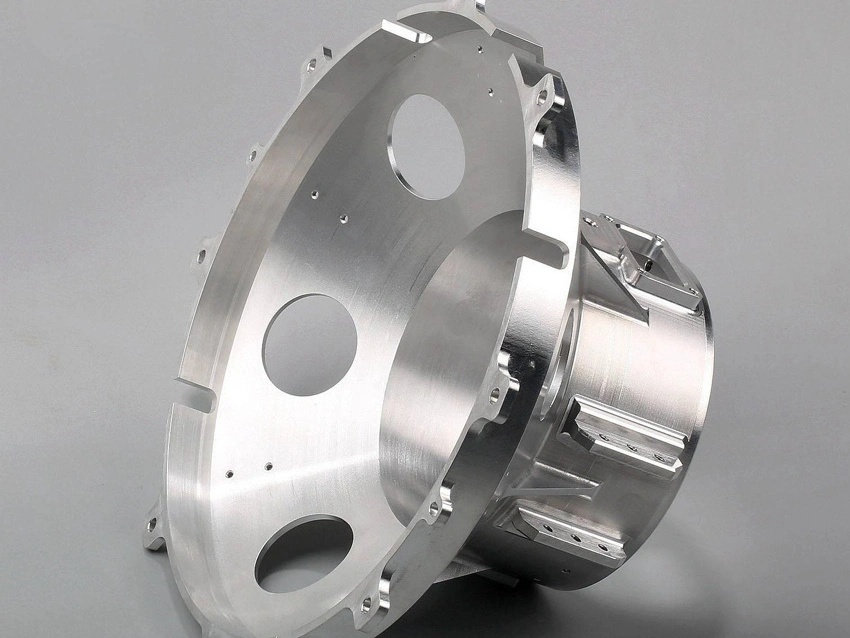
Material Family Table
Stainless Category | Representative Grades |
|---|---|
Austenitic Stainless Steel | SUS201, SUS303, SUS304, SUS304L, SUS309, SUS310, SUS316, SUS316L, SUS317, SUS321, SUS904L |
Martensitic Stainless Steel | SUS410, SUS420, SUS431, SUS440A, SUS440C |
Ferritic Stainless Steel | SUS430 |
Precipitation-Hardening Stainless Steel | |
Duplex Stainless Steel |
Selection Direction
Stainless steel grade selection should be based on corrosion environment, strength requirement, weldability, machinability, temperature exposure, hygiene requirement, hardness target, and cost. Different stainless grades solve very different engineering problems, so the material should be chosen by function rather than by the word “stainless” alone.
For general corrosion-resistant machined parts, SUS304 is often the starting point. For chloride-rich, marine, or higher-corrosion service, SUS316 or SUS316L is more suitable. For better machinability in high-volume turned parts, SUS303 is often preferred. When higher hardness or wear resistance is needed, martensitic grades such as SUS420 or SUS440C should be considered more carefully.
Design Intent of Stainless Steel
Stainless steel is selected in CNC machining when the part must resist corrosion, maintain a clean surface, and remain reliable in service environments where ordinary steel would rust, stain, or degrade too quickly. Its design intent often centers on environmental durability, hygiene compatibility, structural stability, or higher resistance to oxidation and chemical exposure.
The design intent varies by stainless family. Austenitic grades are widely used for corrosion-resistant general service and hygienic components. Martensitic grades are chosen when higher hardness and wear resistance are needed. Ferritic grades are used for simpler corrosion-resistant components where cost control matters. Duplex stainless is selected when higher strength and improved chloride resistance are required. Precipitation-hardening stainless is chosen when a strong balance of corrosion resistance and mechanical strength is necessary.
General Properties
Property | Typical Engineering Meaning |
|---|---|
Density | Typically around 7.7–8.1 g/cm³ depending on grade family |
Corrosion Resistance | Main reason stainless steel is selected over ordinary carbon steel |
Oxidation Resistance | Useful in humid, chemical, or elevated-temperature environments |
Machinability | Varies widely, generally best in free-machining grades such as SUS303 |
Weldability | Often strong in austenitic grades and more limited in harder martensitic families |
Surface Cleanability | Important in medical, food, laboratory, and precision industrial systems |
Mechanical Behavior
Property | Engineering Relevance |
|---|---|
Strength | Ranges from moderate in common austenitic grades to high in duplex and precipitation-hardening grades |
Hardness | Higher in martensitic and heat-treatable grades for wear-related service |
Toughness | Important in structural, medical, and vibration-loaded components |
Work Hardening | Common in austenitic grades and important in machining strategy |
Wear Resistance | Higher in martensitic and precipitation-hardening stainless families |
Dimensional Stability | Important for precision parts after machining, heat treatment, or finishing |
Material Characteristics
Stainless steel materials are characterized by their corrosion resistance and broad family diversity. Austenitic grades such as SUS304 and SUS316 are the most widely used because they combine practical corrosion resistance with good overall processing compatibility. SUS303 improves machinability for turned parts, while low-carbon grades such as SUS304L and SUS316L are often preferred when weldability and reduced carbide precipitation concerns matter.
Martensitic grades such as SUS420, SUS431, and SUS440C are selected when the design requires harder surfaces and better wear performance. Duplex stainless such as SUS2205 offers higher strength and stronger chloride resistance than many common austenitic grades. Precipitation-hardening material such as SUS630 (17-4PH) provides a useful balance of corrosion resistance, machinability, and higher mechanical performance after aging treatment.
Manufacturing Process Performance
Stainless steel parts are commonly produced through CNC turning, CNC milling, CNC drilling, CNC boring, and where tighter finish or geometry is required, CNC grinding. More complex parts can also benefit from multi-axis machining when one-setup accuracy and feature alignment are important.
Compared with carbon steel, many stainless grades generate more heat and work harden more easily during machining. This means tool selection, feed strategy, coolant use, and cutting stability are more important, especially in austenitic materials. Machining strategy should therefore consider whether the part prioritizes corrosion resistance, surface quality, tight tolerance, or faster production speed.
Applicable Post-processing
Stainless steel parts may require deburring, stress relief, surface smoothing, passivation, electropolishing, grinding, or heat treatment depending on the specific grade and functional requirement. Post-processing is especially important when the design depends on corrosion resistance, surface cleanliness, sealing quality, or improved wear behavior.
For corrosion-focused applications, surface improvement methods such as passivation may be used to improve performance after machining. Where smoother and cleaner surfaces are required, especially for hygienic or precision parts, electropolishing-related finishing may also be considered depending on grade, geometry, and final-use environment.
Common Applications
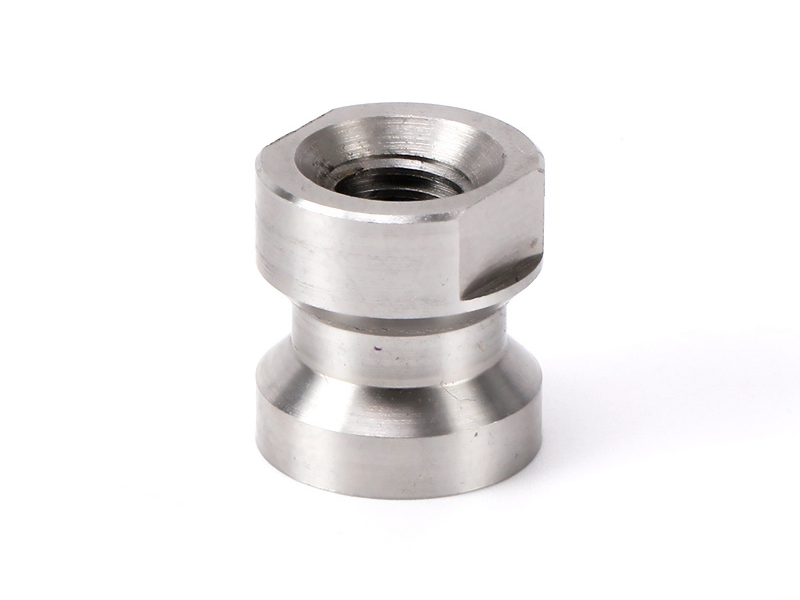
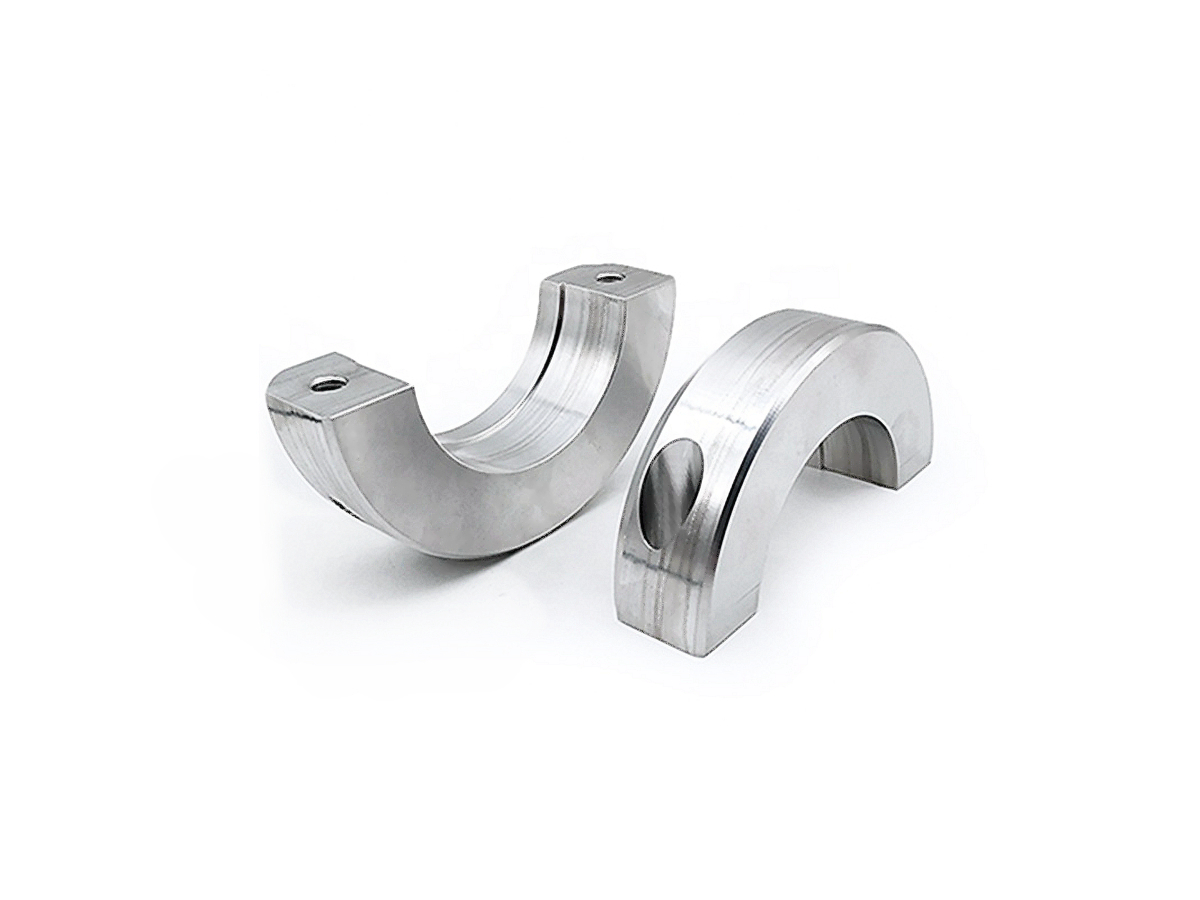
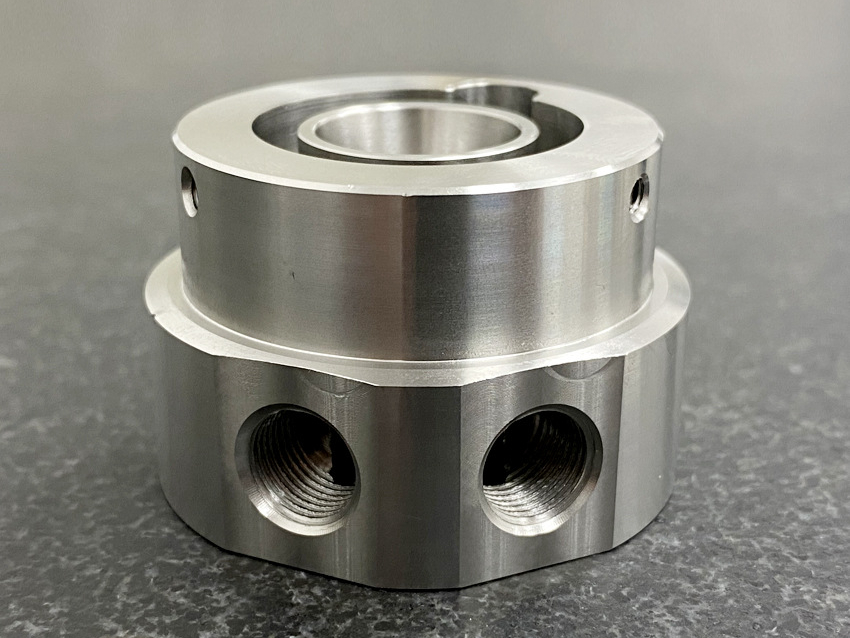
Stainless steel is widely used in medical devices, industrial equipment, automation systems, food-related hardware, marine-related assemblies, pumps, valves, precision instruments, and corrosive-service components. Typical applications include shafts, housings, fittings, fasteners, valve bodies, surgical parts, brackets, manifolds, and custom machined corrosion-resistant components.
In these applications, stainless steel is chosen because it provides a more durable and maintenance-friendly solution than ordinary steel in wet, chemical, sanitary, or outdoor environments. The exact grade should be selected according to whether the part requires basic corrosion resistance, better machinability, higher hardness, stronger chloride resistance, or better post-heat-treatment strength.
When to Choose Stainless Steel
Choose stainless steel when the application requires corrosion resistance, stable surface quality, environmental durability, or hygienic compatibility. Stainless steel is especially suitable for machined parts used in medical, food, marine, chemical, outdoor, and precision industrial environments where ordinary steel would corrode too quickly or require too much protective maintenance.
For general-purpose corrosion-resistant parts, SUS304 is often sufficient. For stronger chemical and chloride exposure, SUS316 or SUS316L is usually safer. For better machinability in turned components, SUS303 may be a better choice. For higher hardness or wear-focused service, martensitic grades should be evaluated. The best selection route is always to confirm corrosion medium, strength requirement, weld demand, finish expectation, and production volume before choosing the final stainless grade.
Engineering Selection Note
Stainless steel should be selected according to the real service condition rather than the material family name alone. For RFQ evaluation, customers should provide the 2D drawing, 3D model, tolerance target, corrosion environment, required hardness or strength, surface finish expectation, weld requirement, heat-treatment requirement, and whether the part is for prototype, low-volume, or production use.
This allows NewayMachining to determine whether austenitic, martensitic, ferritic, duplex, or precipitation-hardening stainless steel is the most appropriate material route for the project, and whether turning, milling, drilling, boring, grinding, or multi-axis machining is the best process combination.
Explore Related Blogs