डायरेक्ट मेटल लेज़र सिंटरिंग (DMLS) | Inconel 3D प्रिंटिंग सेवा
Introduction: जब Superalloys मिलते हैं Cutting-Edge Additive Manufacturing से
अत्यधिक तापमान, उच्च दबाव और गंभीर corrosion वाले चरम कार्य-परिस्थितियों में, Inconel सुपरएलॉय परिवार अपनी उत्कृष्ट परफ़ॉर्मेंस के कारण aerospace, energy, chemical processing और संबंधित इंडस्ट्रीज़ के critical components के लिए अपरिहार्य मटेरियल बन चुका है। लेकिन यही गुण – बेहतरीन high-temperature strength और स्पष्ट work hardening behavior – Inconel को पारंपरिक मैन्युफैक्चरिंग तरीकों से प्रोसेस करना बेहद मुश्किल भी बना देते हैं। सौभाग्य से, Direct Metal Laser Sintering (DMLS) तकनीक का आगमन जटिल Inconel कंपोनेंट्स के मैन्युफैक्चरिंग के लिए एक क्रांतिकारी समाधान प्रदान करता है। Neway के additive manufacturing एक्सपर्ट्स के रूप में, हम इस advanced तकनीक का उपयोग करके अपने ग्राहकों को design boundaries आगे बढ़ाने और अभूतपूर्व मैन्युफैक्चरिंग संभावनाओं को unlock करने में मदद करने के लिए समर्पित हैं।
DMLS Technology Principle: लेयर-बाय-लेयर Metal Art
DMLS तकनीक का मूल, नियंत्रित protective atmosphere में high-power fiber laser का उपयोग करके metal powder को selectively melt करने पर आधारित है। प्रक्रिया की शुरुआत 3D मॉडल को slice करने से होती है, जहाँ एक जटिल थ्री-डायमेंशनल डिज़ाइन को अति-पतली, two-dimensional cross-sections की एक श्रृंखला में विभाजित किया जाता है। Build chamber के अंदर, Inconel metal powder की माइक्रो-स्केल लेयर को अत्यंत सटीकता से build platform पर फैलाया जाता है। इसके बाद laser, वर्तमान लेयर के cross-sectional डेटा के अनुसार powder को स्कैन करता है। Irradiated powder particles तुरंत melt होकर आपस में fuse हो जाते हैं और एक dense metallic layer बनाते हैं।
जब एक लेयर पूरी हो जाती है, build platform, एक लेयर की thickness के बराबर नीचे आ जाता है, और powder spreading तथा scanning के स्टेप्स, लेयर-दर-लेयर दोहराए जाते हैं, जब तक कि पूरा पार्ट नहीं बन जाता। पूरा प्रोसेस कड़ाई से नियंत्रित inert gas protection – आमतौर पर high-purity argon – के तहत किया जाता है ताकि elevated temperatures पर मेटल का oxidation रोका जा सके। यह high-precision 3D Printing टेक्नोलॉजी सिद्धांततः Selective Laser Melting (SLM) से मिलती-जुलती है, लेकिन विशेष process parameters और material compatibility में भिन्न है, जिससे यह Inconel जैसे advanced alloys के लिए विशेष रूप से उपयुक्त बनती है।
Inconel Alloys: DMLS के लिए Ideal क्यों हैं?
Inconel, nickel-chromium आधारित austenitic सुपरएलॉय का एक परिवार है। High-temperature environment में, ये एक dense और अत्यधिक adherent chromium oxide film बनाते हैं, जो बेहतरीन oxidation और corrosion resistance प्रदान करती है। Neway में हमारी इंजीनियरिंग प्रैक्टिस में, Inconel 718 और Inconel 625 DMLS के लिए सबसे सामान्य रूप से उपयोग किए जाने वाले दो alloys हैं।
Inconel 718 अपनी उत्कृष्ट high-temperature strength और बेहतरीन fatigue resistance के लिए प्रसिद्ध है। उचित precipitation hardening के बाद, यह elevated temperatures पर भी स्थिर mechanical properties बनाए रखता है, जिससे यह jet engines और gas turbines के hot-section components के लिए पसंदीदा मटेरियल बन जाता है। Inconel 625, अपनी superior creep resistance और corrosion resistance के साथ, chemical processing, marine engineering और अन्य harsh service environments में व्यापक रूप से उपयोग होता है।
इन alloys की machining चुनौतियाँ, DMLS की वैल्यू को और स्पष्ट करती हैं। Inconel का inherent work-hardening behavior, low thermal conductivity और पारंपरिक machining में गंभीर tool wear जैसी समस्याएँ, DMLS प्रोसेस में प्रभावी रूप से avoid हो जाती हैं। इसके अलावा, हम और भी specialized grades – जैसे Inconel 738 – को प्रोसेस करने में सक्षम हैं, जिससे विभिन्न एप्लिकेशंस के लिए विशिष्ट performance requirements को पूरा किया जा सकता है।
Inconel DMLS चुनने के पाँच Key Advantages
Geometric limitations को तोड़ना DMLS का सबसे प्रभावशाली advantage है। इस तकनीक के साथ, इंजीनियर्स conformal internal cooling channels, lightweight lattice structures और अत्यधिक complex integrated components डिज़ाइन और तैयार कर सकते हैं – जिन्हें पारंपरिक तरीकों से बनाना असंभव या अत्यंत कठिन होता है। यह design freedom, पार्ट के performance को अधिकतम करते हुए महत्वपूर्ण weight reduction हासिल करने में मदद करती है।
Outstanding material performance DMLS की दूसरी मुख्य ताकत है। Optimized process parameters के तहत, Inconel DMLS पार्ट्स 99% से अधिक density प्राप्त कर सकते हैं, और उनका fine तथा uniform microstructure उत्कृष्ट mechanical properties और अच्छी isotropy प्रदान करता है। कई मामलों में performance level, पारंपरिक forged पार्ट्स के बराबर या उससे भी बेहतर हो सकता है।
Shortened development cycles DMLS को आधुनिक product development में अपरिहार्य बना देते हैं। यह तकनीक Prototyping Services और Low-Volume Manufacturing Services के बीच seamless पुल का काम करती है, जिससे concept validation से small-batch production तक का transition बेहद तेज़ हो जाता है और product का time-to-market उल्लेखनीय रूप से कम हो जाता है।
Reduced cost और material waste एक महत्वपूर्ण आर्थिक advantage है। पारंपरिक CNC Machining Services की तुलना में, DMLS की near-net-shape प्रकृति material utilization को काफी बढ़ाती है। Unused metal powder को recover, condition और recycle करके दुबारा उपयोग किया जा सकता है। High-value Inconel alloys के लिए, यह सीधे-सीधे substantial cost savings में translate होता है।
Functional integration संपूर्ण reliability को और बढ़ाता है। DMLS के माध्यम से, कई अलग-अलग components से बनी assemblies को redesign करके एक single पार्ट में convert किया जा सकता है, जिससे fasteners और assembly steps की आवश्यकता कम हो जाती है, leakage, loosening या failure का जोखिम घटता है और structural integrity बेहतर होती है।
Inconel DMLS Parts के लिए Key Post-Processing Steps
DMLS build पूरा होना केवल शुरुआत है; अंतिम target performance प्राप्त करने के लिए उपयुक्त post-processing अत्यंत आवश्यक है। पहला critical step है support removal और wire cutting, जिसमें पार्ट को build plate से सटीक रूप से अलग किया जाता है और support structures को सावधानीपूर्वक हटाया जाता है। यह प्रक्रिया अंतिम component को किसी भी प्रकार के damage से बचाने के लिए पेशेवर skill और expertise की मांग करती है।
Heat treatment वह core process है जो अंतिम mechanical properties को परिभाषित करता है। Tailored Heat Treatment for CNC Machining procedures – जैसे Inconel 718 के लिए solution treatment और age hardening – के माध्यम से, प्रिंटिंग के दौरान उत्पन्न residual stresses को प्रभावी रूप से relieve किया जा सकता है, साथ ही microstructure को optimize करके specified performance प्राप्त की जा सकती है।
Surface finishing को एप्लिकेशन आवश्यकताओं के अनुसार कस्टमाइज़ किया जा सकता है। Electropolishing for Precision Parts surface roughness को प्रभावी रूप से कम करता है और corrosion resistance में सुधार लाता है, जिससे यह fluid flow environments या जहाँ fouling को न्यूनतम रखना हो, वहाँ के components के लिए आदर्श विकल्प बन जाता है। Visual रूप से demanding एप्लिकेशंस या ultra-smooth surfaces की आवश्यकता वाले पार्ट्स के लिए, CNC Part Polishing Service के माध्यम से mirror-like finish प्राप्त की जा सकती है।
Severe wear conditions में काम करने वाले components के लिए, PVD Coating for Precision CNC Parts एक अतिरिक्त protective layer प्रदान करता है, जो surface hardness और wear resistance को उल्लेखनीय रूप से बढ़ाकर service life को लंबा करता है।
DMLS vs. CNC Machining Inconel: सही निर्णय कैसे लें?
Inconel पार्ट्स के लिए सर्वोत्तम मैन्युफैक्चरिंग रूट चुनने के लिए, तक�������� और आर्थिक दोनों पहलुओं का व्यापक मूल्यांकन आवश्यक है। DMLS, geometric complexity, material utilization और design freedom के मामले में स्पष्ट लाभ प्रदान करता है, जिससे यह complex internal channels या advanced lightweight structures वाले पार्ट्स के लिए आदर्श विकल्प बन जाता है। दूसरी ओर, पारंपरिक Precision Machining Services सरल geometries और high-volume production के लिए सामान्यतः अधिक cost-effective होते हैं, और superior surface finishes तथा tighter tolerances प्रदान कर सकते हैं।
वास्तविक इंजीनियरिंग एप्लिकेशंस में, hybrid manufacturing strategy अक्सर सबसे अच्छा परिणाम देती है। DMLS को Multi-Axis Machining Service के साथ संयोजित करके, complex geometries वाले near-net-shape blanks DMLS से बनाए जा सकते हैं, जबकि critical interfaces और holes पर high-precision fits प्राप्त करने के लिए multi-axis CNC machining लागू की जाती है। यह तरीका DMLS की design freedom को बनाए रखते हुए उन क्षेत्रों में dimensional accuracy सुनिश्चित करता है जहाँ इसकी सबसे अधिक आवश्यकता होती है।
Inconel DMLS Technology के Application Cases
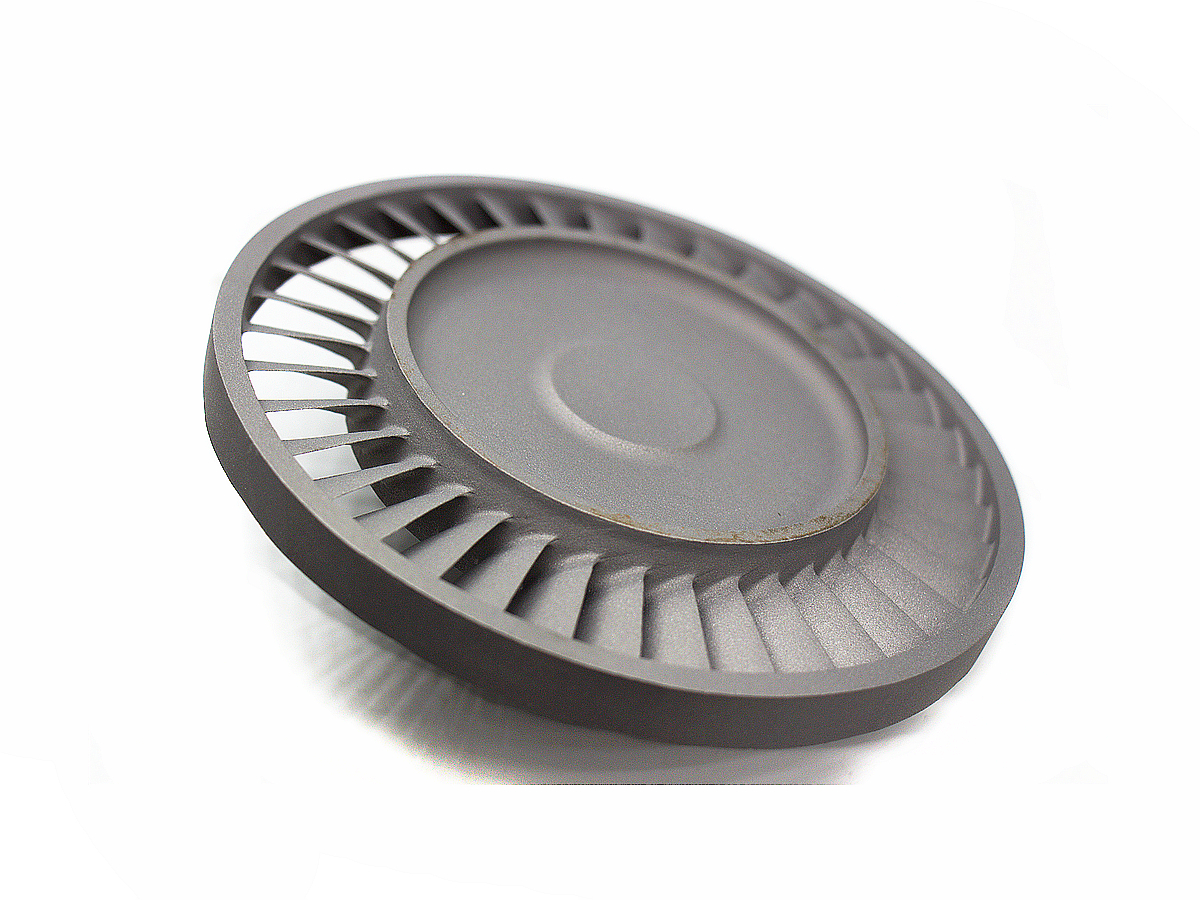
Aerospace and Aviation सेक्टर में, Inconel DMLS technology अगली पीढ़ी के aircraft performance में breakthroughs ला रही है। हम complex internal cooling channels वाली turbine blades तैयार करते हैं, जो cooling efficiency को उल्लेखनीय रूप से बढ़ाती हैं और allowable service temperature को ऊपर ले जाती हैं। Integrated fuel nozzle designs, पार्ट count को कम करते हुए atomization performance को बेहतर बनाते हैं, जिससे combustion efficiency में सुधार होता है।
Energy industry, Inconel DMLS का एक और प्रमुख application field है। Power Generation projects में, DMLS-manufactured gas turbine components high-temperature, high-pressure conditions के तहत विश्वसनीय रूप से काम करते हैं, और उत्कृष्ट corrosion resistance के कारण maintenance intervals बढ़ जाते हैं। Nuclear power applications के विशेष पार्ट्स भी DMLS के माध्यम से बेहतर performance और कम production lead time का लाभ उठाते हैं।
Oil and Gas industry में, DMLS से निर्मित downhole tools और valve bodies कठोर corrosive environments के प्रति असाधारण resistance प्रदर्शित करते हैं, और पारंपरिक तरीकों से बने पार्ट्स की तुलना में कहीं लंबी service life प्रदान करते हैं। DMLS से बने complex pipe fittings न केवल lightweight design हासिल करते हैं, बल्कि flow characteristics को भी बेहतर बनाते हैं।
Neway की Inconel DMLS Capabilities और Commitment
Neway में, हमने एक व्यापक Inconel DMLS manufacturing ecosystem स्थापित किया है। हमारा advanced DMLS machine cluster, कठोर process और quality control framework के साथ, सुनिश्चित करता है कि हर पार्ट सबसे demanding application requirements को पूरा करे। Inconel Alloy materials की हमारी गहरी समझ और व्यापक process parameter database के संयोजन से, हम अत्यधिक optimized manufacturing solutions प्रदान करने में सक्षम हैं।
हम एक व्यापक One-Stop Service प्रदान करते हैं, जिसमें design support (DFAM), printing, heat treatment और precision machining शामिल हैं, ताकि ग्राहकों को पूर्ण, end-to-end solutions मिल सकें। हमारी engineering टीम के पास aerospace, energy, medical और अन्य सेक्टर्स में समृद्ध project अनुभव है, जिससे हम industry-specific requirements को professional technical support के साथ कुशलतापूर्वक संबोधित कर सकते हैं।
एक मज़बूत quality inspection system हमारी commitment की रीढ़ है। Raw material intake से लेकर final product delivery तक, हर चरण कठोर inspection और control के अधीन होता है, ताकि सभी delivered पार्ट्स aerospace और अन्य critical industries द्वारा माँगे गए उच्चतम standards के अनुरूप हों।
Conclusion: DMLS के साथ High-Temperature Alloy Innovation को आगे बढ़ाना
Inconel DMLS, high-performance metal components के मैन्युफैक्चरिंग तरीके में क्रांति ला रहा है। यह न केवल पारंपरिक प्रक्रियाओं की पहुँच से परे design freedom प्रदान करता है, बल्कि चरम environments में विश्वसनीय performance भी सुनिश्चित करता है। Rapid prototyping से लेकर low-volume production तक, यह तकनीक व्यापक applicability और आकर्षक economic benefits प्रदान कर�ी ��ै��
जैसे-जैसे material science आगे बढ़ रही है और process technologies में निरंतर सुधार हो रहा है, हमें विश्वास है कि Inconel DMLS कई इंडस्ट्रीज़ में और भी अधिक महत्वपूर्ण भूमिका निभाएगा। Neway, दुनिया भर के पार्टनर्स के साथ मिलकर काम करने, इस तकनीक की पूरी क्षमता का अन्वेषण करने और innovation व industrial upgrading को आगे बढ़ाने के लिए उत्सुक है। आइए मिलकर मैन्युफैक्चरिंग की सीमाओं को आगे बढ़ाएँ और सबसे जटिल design concepts को वास्तविकता में बदलें।
FAQs