
Mehrachsige Bearbeitungsdienstleistungen für komplexe kundenspezifische Teile mit mehreren abgewinke...
Mehrachsige Bearbeitungsdienstleistungen für komplexe kundenspezifische Teile mit mehreren abgewinkelten Merkmalen
Bei vielen kundenspezifischen Teilen aus Metall und technischen Materialien besteht die eigentliche fertigungstechnische Herausforderung nicht in einer einzelnen Tasche, Bohrung oder Fläche. Es ist die Beziehung zwischen Merkmalen, die aus verschiedenen Richtungen bearbeitet werden. Wenn ein Teil abgewinkelte Bohrungen, geneigte Ebenen, Seitenmerkmale, mehrflächige Montageflächen und komplexe Kavitätsgeometrien aufweist, erfordern gewöhnliche vertikale Bearbeitungswege oft mehrfaches erneutes Einspannen. Dies erhöht das Risiko von Bezugsverschiebungen, kumulativen Positionierungsfehlern und inkonsistenten Merkmalsbeziehungen. Aus diesem Grund suchen viele Käufer nach mehrachsigen Bearbeitungsdienstleistungen, wenn die standardmäßige 3-Achs-Bearbeitung nicht mehr die stabilste oder effizienteste Option ist.
Die mehrachsige Bearbeitung ist besonders wertvoll für kundenspezifische Teile, bei denen die Merkmalsorientierung ebenso wichtig ist wie die Maßtoleranz. Bei diesen Projekten besteht das Ziel nicht einfach darin, eine komplexere Form zu bearbeiten. Das Ziel ist es, die Anzahl der Aufspannungen zu reduzieren, den Zugang zu schwierigen Merkmalen zu verbessern und die Positionsbeziehung zwischen mehreren Flächen, Bohrungen und funktionalen Oberflächen über den gesamten Prozessablauf stabil zu halten. Bei komplexen kundenspezifischen Teilen hat dies oft mehr praktischen Wert als die reine Geschwindigkeit.
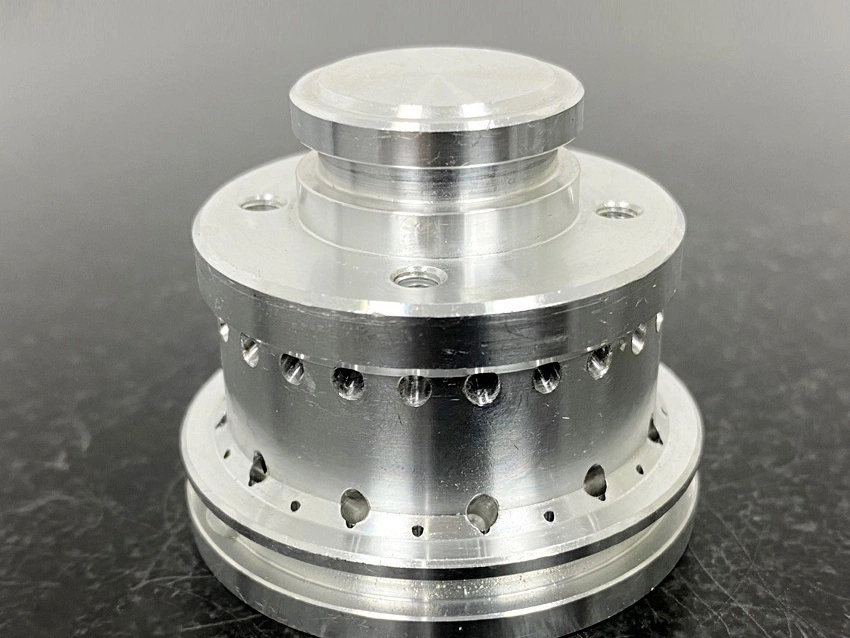
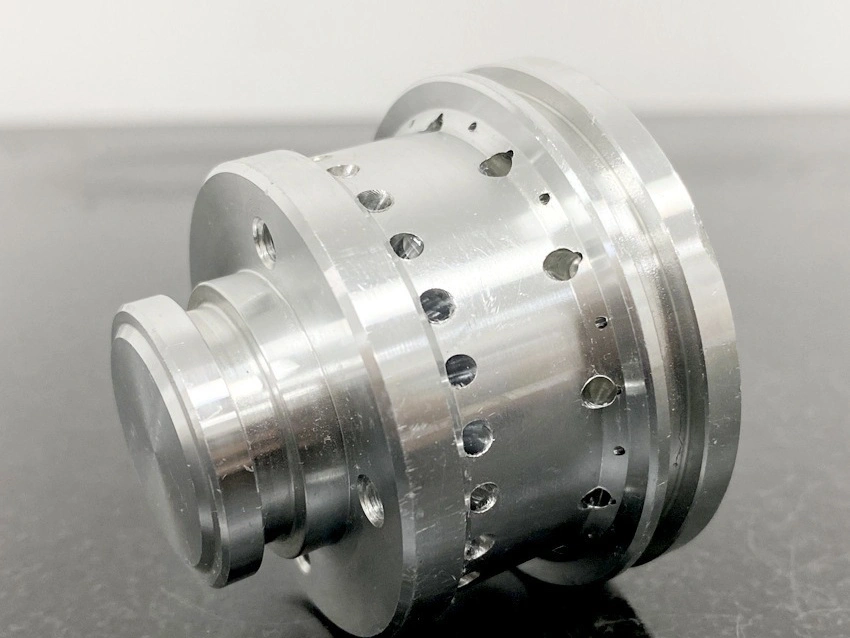
Was sind mehrachsige Bearbeitungsdienstleistungen?
Mehrachsige Bearbeitungsdienstleistungen werden eingesetzt, wenn ein Teil nicht effizient oder genau mit einer einfachen vertikalen 3-Achs-Bearbeitung allein hergestellt werden kann. Durch Hinzufügen einer rotativen Positionierung oder gleichzeitigen Bewegung über die standardmäßigen X-, Y- und Z-Achsen hinaus können Hersteller abgewinkelte Bohrungen, geneigte Oberflächen, Seitenmerkmale, mehrflächige Details und komplexe Konturen mit weniger Aufspannungen bearbeiten. Je nach Teil kann dies indexierte Positionierung, 3+2-Bearbeitung, 4-Achs-Bearbeitung oder vollständigen gleichzeitigen 5-Achs-Werkzeugzugriff innerhalb der breiteren Mehrachs-Prozessfamilie umfassen.
Dies macht die mehrachsige Bearbeitung besonders geeignet für kundenspezifische Halterungen, Verteiler, Präzisionsvorrichtungen, Gehäuse, Komponenten im Luftfahrtstil und andere Teile mit Geometrie, die sich über mehrere Flächen erstreckt. Es ist nicht nur eine „High-End“-Option für exotische Formen. Es ist oft der rationalere Prozess, wenn wiederholtes erneutes Einspannen ansonsten unnötige Fertigungsrisiken schaffen würde. In den meisten Projekten funktioniert die mehrachsige Bearbeitung als fortgeschrittene Erweiterung breiterer CNC-Bearbeitungsdienstleistungen und nicht als separate isolierte Kategorie.
Welche Teilmerkmale erfordern normalerweise eine mehrachsige Bearbeitung?
Teile profitieren in der Regel von der mehrachsigen Bearbeitung, wenn die Hauptherausforderung der Zugang aus mehreren Richtungen ist oder wenn mehrere Merkmale über verschiedene Flächen hinweg eng miteinander verbunden bleiben müssen. Dies sind oft Teile, die technisch auf einfacheren Maschinen bearbeitet werden können, jedoch nur mit vielen Aufspannungen, höherem Risiko und schwierigerer Ausrichtungsprüfung.
Merkmalstyp | Warum mehrachsige Bearbeitung hilft |
|---|---|
Abgewinkelte Bohrungen | Reduziert sekundäre Bohraufspannungen und verbessert die Bohrungsorientierungsgenauigkeit |
Geneigte Oberflächen | Ermöglicht direkten Werkzeugzugang zu nicht horizontalen Flächen |
Mehrseitige Merkmale | Reduziert wiederholtes Spannen und Bezugsübertragungsfehler |
Tiefe Taschen | Verbessert den Zugang und kann übermäßigen Werkzeugüberhang reduzieren |
Komplexe Konturen | Unterstützt eine sanftere Werkzeugorientierung auf sich ändernden Oberflächen |
Hinterschneidungsähnliche Zugangszonen | Können durch indexierte oder gleichzeitige Achsbewegung erreicht werden |
Präzisionsmontageflächen | Bessere Beziehung zwischen kritischen Oberflächen erhalten |
In der Praxis können komplexe mehrseitige Teile, die auf standardmäßigen 3-Achs-Maschinen bearbeitet werden, je nach Geometrie drei bis sechs Aufspannungen erfordern. Wenn 3+2 oder breitere mehrachsige Führungen verwendet werden, können einige dieser Teile auf eine oder zwei Aufspannungen reduziert werden. Jede eliminierte Aufspannung senkt in der Regel das Risiko von Bezugsumrechnungsfehlern und akkumulierten Winkelfehlern.
Mehrachsige Bearbeitung vs. standardmäßige 3-Achs-CNC-Bearbeitung
Standardmäßige 3-Achs-Bearbeitung und mehrachsige Bearbeitung sind beide wichtig, aber sie eignen sich für verschiedene Arten von Teilen. Der Unterschied besteht nicht darin, dass die eine „gut“ und die andere „besser“ ist. Der eigentliche Unterschied besteht darin, dass die standardmäßige 3-Achs-Bearbeitung für einfachere prismatische Geometrien effizienter ist, während die mehrachsige Bearbeitung wertvoller wird, wenn das Teil mehrere Ausrichtungen, komplexere Zugangsbedingungen oder engere Merkmalsbeziehungen über mehrere Flächen hinweg aufweist.
Element | Standardmäßige 3-Achs-CNC-Bearbeitung | Mehrachsige Bearbeitung |
|---|---|---|
Werkzeugbewegung | Lineare Achsen X, Y, Z | Lineare Achsen plus rotative Positionierung oder gleichzeitige Bewegung |
Am besten geeignet für | Einfache prismatische Teile | Komplexe abgewinkelte und mehrseitige Teile |
Anzahl der Aufspannungen | Oft höher bei mehrseitigen Teilen | Oft reduziert |
Merkmalszugang | Begrenzt durch hauptsächlich vertikale Werkzeugrichtung | Besserer Zugang zu Seiten- und abgewinkelten Merkmalen |
Bezugskonsistenz | Stärker durch wiederholtes Einspannen beeinträchtigt | Meist besser bei reduzierter Aufspannungsanzahl |
Typische Anwendung | Platten, Halterungen, einfache Gehäuse | Verteiler, komplexe Halterungen, Vorrichtungen, Komponenten im Luftfahrtstil |
Bei vielen Teilen kann die grundlegende Materialabtragung weiterhin stark von CNC-Fräsdienstleistungen abhängen. Der Hauptunterschied besteht darin, ob die Geometrie mit nur einer Hauptwerkzeugrichtung effizient erreicht und kontrolliert werden kann oder ob ein zusätzlicher Achszugang erforderlich ist, um die Merkmalsbeziehungen zu schützen.
Wie mehrachsige Bearbeitung die Genauigkeit für komplexe Geometrien verbessert
Der Hauptwert der mehrachsigen Bearbeitung liegt nicht nur darin, dass sie komplexere Formen erzeugen kann. Ihr tieferer Wert besteht darin, dass sie die Neupositionierung reduziert. Bei komplexen Teilen besteht das größte dimensionale Risiko oft nicht in einem einzelnen Bohrungsdurchmesser oder einer einzelnen Ebenheitsanforderung. Es ist die Positionsbeziehung zwischen Merkmalen, die aus verschiedenen Richtungen bearbeitet werden. Jedes manuelle erneute Einspannen führt die Möglichkeit von Winkelfehlern, Positionsdrift, inkonsistenter Spannkraft oder Nichtübereinstimmung zwischen Bearbeitungs- und Prüfbezügen ein.
Die mehrachsige Bearbeitung hilft, diese Merkmalsbeziehungen aufrechtzuerhalten, indem sie die manuelle Neupositionierung reduziert und den Werkzeugzugang zur tatsächlichen Arbeitsfläche verbessert. Dies ist besonders wichtig bei Teilen mit mehreren Lochmustern, sich kreuzenden Flächen, abgewinkelten Montagemerkmalen und komplexen Montagegeometrien. Bei diesen Teilen bedeuten weniger Aufspannungen oft eine stabilere Bezugslogik, eine wiederholbarere Orientierungskontrolle und ein geringeres Risiko von sich verstärkenden Positionierungsfehlern.
Für mehrachsig bearbeitete Teile geeignete Materialien
Die mehrachsige Bearbeitung kann auf viele der gleichen Materialien angewendet werden, die auch bei anderen CNC-Verfahren verwendet werden, aber jedes Material verändert die Prozessprioritäten. Aluminiumlegierungen sind oft gut geeignet aufgrund ihrer guten Zerspanbarkeit und ihrer häufigen Verwendung in komplexen Gehäusen, Halterungen und Strukturteilen. Edelstahl erfordert in der Regel eine stärkere Kontrolle von Wärme und Werkzeugverschleiß. Titanlegierungen profitieren von kürzerem Werkzeugüberhang und besserer Zugangskontrolle, was die mehrachsige Führung bei tieferen oder komplexeren Merkmalen besonders wertvoll machen kann. Werkzeugstähle erfordern eine stabile Schlichtstrategie und sorgfältige Aufspannungsplanung. Kupferlegierungen erfordern Aufmerksamkeit für Grate und Oberflächenmarkierungen. Technische Kunststoffe erfordern kontrolliertes Spannen, um Verformungen zu reduzieren.
Material | Überlegung zur mehrachsigen Bearbeitung |
|---|---|
Aluminiumlegierungen | Gute Zerspanbarkeit, geeignet für komplexe Gehäuse und Halterungen |
Edelstahl | Erfordert Kontrolle von Wärme und Werkzeugverschleiß |
Titanlegierungen | Profitiert von optimiertem Eingriff und kürzerem Werkzeugüberhang |
Werkzeugstahl | Benötigt stabile Aufspannungen und kontrollierte Schlichtbearbeitung |
Kupferlegierungen | Benötigt Kontrolle von Graten und Oberflächenkratzern |
Technische Kunststoffe | Erfordert sorgfältiges Spannen, um Verformungen zu vermeiden |
Welche Dateien werden für ein Angebot zur mehrachsigen Bearbeitung benötigt?
Komplexe mehrachsige Teile sollten idealerweise unter Verwendung von 3D- und 2D-Informationen angefragt werden. Die 3D-CAD-Datei ist wichtig für die Bewertung des Werkzeugzugangs, des Kollisionsrisikos, der Spannmöglichkeiten und der möglichen Bearbeitungsreihenfolge. Die 2D-Zeichnung wird benötigt, um Toleranzen, GD&T-Anforderungen, kritische Merkmale und Prüferwartungen zu bestätigen. Ohne beides kann der Lieferant zwar die Geometrie beurteilen, aber nicht die vollständige technische Absicht.
Erforderliche RFQ-Informationen | Warum es wichtig ist |
|---|---|
3D-CAD-Datei: STEP, X_T, IGS | Unterstützt die Überprüfung des Werkzeugwegs und die Bewertung der Bearbeitungszugänglichkeit |
2D-Zeichnung mit Toleranzen | Definiert kritische Abmessungen und Prüfnormen |
Materialqualität | Beeinflusst die Schnittstrategie und Werkzeugauswahl |
Stückzahl | Ändert die Vorrichtungs- und Prozessplanung |
Kritische Merkmale | Helfen, den wahren Grund zu identifizieren, warum eine mehrachsige Führung erforderlich sein könnte |
Oberflächengüte | Definiert die Erwartungen an die endgültige Oberfläche bei funktionalen und kosmetischen Bereichen |
Wärmebehandlung | Kann die Prozessreihenfolge und den Schlichtansatz beeinflussen |
Prüfanforderungen | Klären, ob CMM oder andere Berichterstattung erforderlich ist |
Anwendung oder Montagefunktion | Hilft zu priorisieren, welche Merkmalsbeziehungen am wichtigsten sind |
Wann sollten Sie mehrachsige Bearbeitungsdienstleistungen wählen?
Sie sollten mehrachsige Bearbeitungsdienstleistungen in der Regel in Betracht ziehen, wenn das Teil mehrere abgewinkelte Bohrungen oder geneigte Flächen enthält, wenn mehrere Seiten des Teils bearbeitet werden müssen, wenn funktionale Oberflächen genau zueinander positioniert bleiben müssen, wenn die standardmäßige 3-Achs-Bearbeitung wiederholtes erneutes Einspannen erfordern würde oder wenn das Teil komplexe Konturen oder Kavitätsgeometrien enthält, die mit einer festen Werkzeugrichtung schwer zu erreichen sind. Es ist auch eine starke Option, wenn kleine Serien komplexer Teile mit geringerem aufspannungsbedingtem Risiko hergestellt werden müssen.
Für Käufer, die Prozesswege vergleichen, ist die eigentliche Frage in der Regel nicht, ob ein Teil irgendwie auf einfacheren Maschinen bearbeitet werden kann. Es ist, ob der gewählte Weg das Teil genau, prüfbar und effizient genug für die erforderliche Menge halten kann. Wenn die Antwort von reduzierten Aufspannungen und besserem Zugang zu komplexen Geometrien abhängt, sind mehrachsige Bearbeitungsdienstleistungen oft die zuverlässigere Wahl.
FAQ
Wann sollte man die mehrachsige Bearbeitung für kundenspezifische Metallteile wählen?
Welche Teilmerkmale eignen sich am besten für die mehrachsige CNC-Bearbeitung?
Wie reduziert die mehrachsige Bearbeitung Rüstzeit und Positionierungsfehler?
Welche Informationen werden benötigt, um mehrachsig bearbeitete Teile anzufragen?
Wie wählt man einen Lieferanten für mehrachsige Bearbeitung für komplexe CNC-Teile aus?
