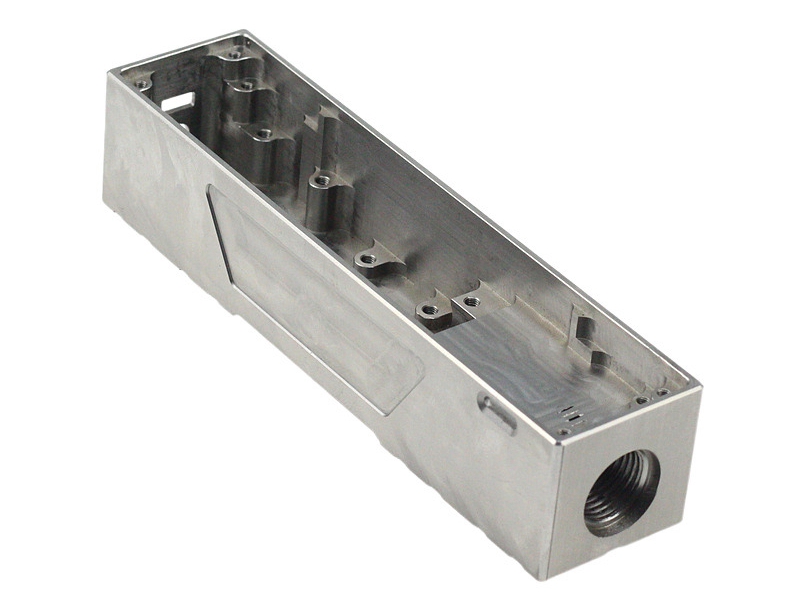
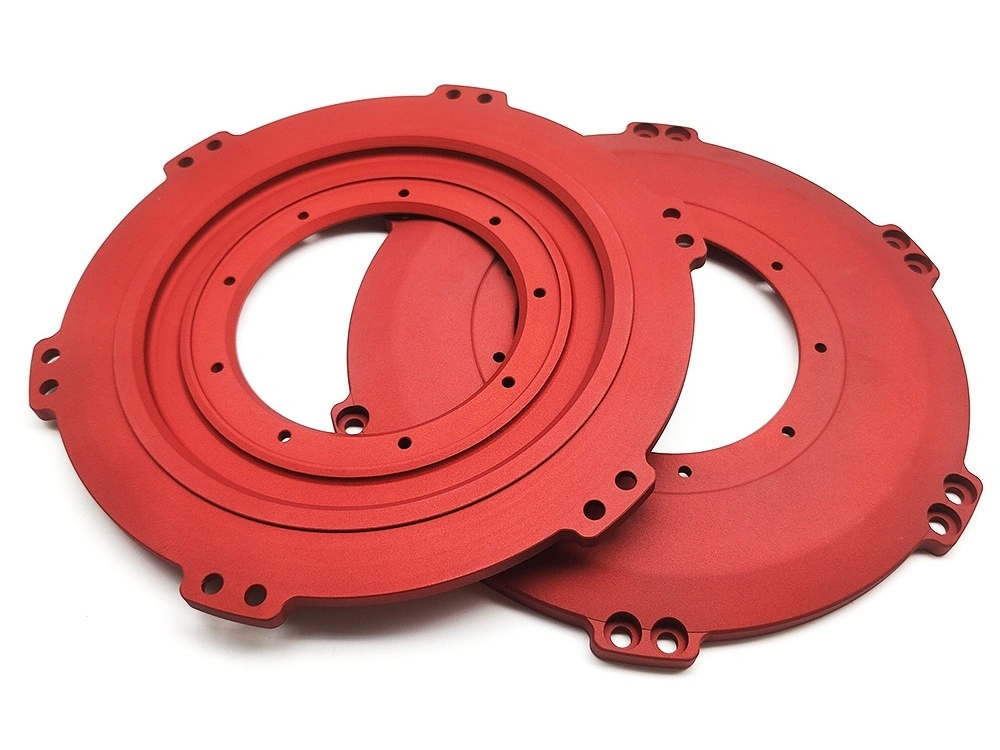
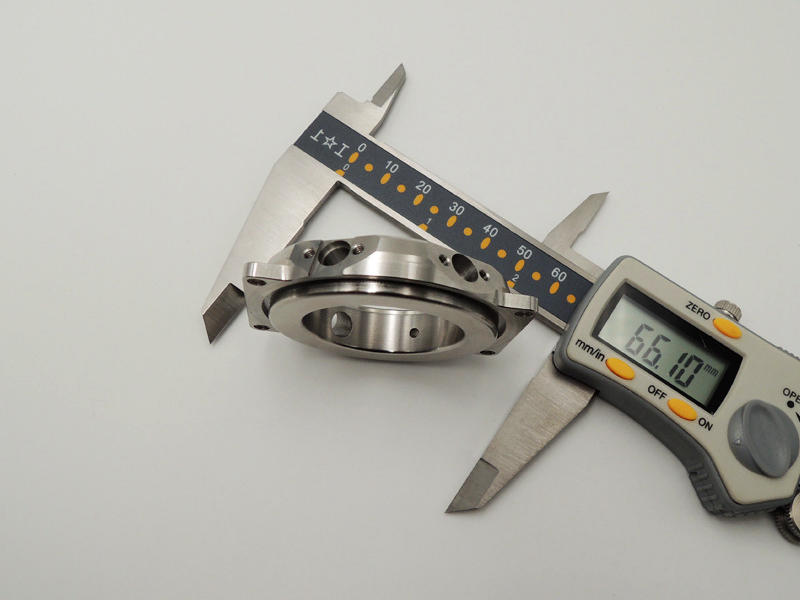
Surface Finishing Options for CNC Milled Parts: Anodizing, Polishing, Plating, and More
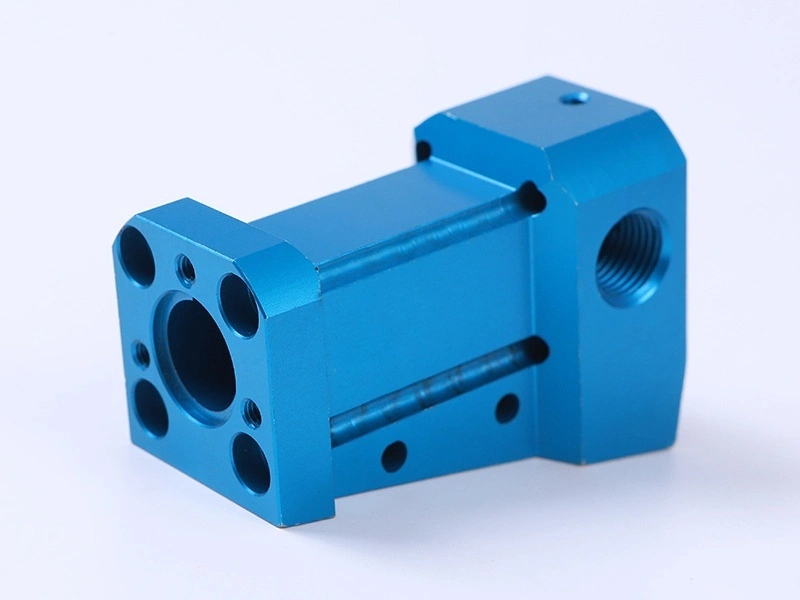
Surface finishing options for custom CNC milled parts include anodizing, polishing, plating, passivation, electropolishing, powder coating, blasting, black oxide, and specialty coatings. The best option depends on the base material, service environment, visible surface grade, corrosion exposure, wear risk, conductivity need, coating thickness allowance, and inspection method. A milled part can meet dimensional tolerance and still fail if the surface cannot resist oxidation, cleaning chemicals, abrasion, fingerprints, UV exposure, or repeated handling. Buyers should define the finish together with material, tolerance, masking, and acceptance requirements before quoting.
Anodizing usually fits aluminum parts that need corrosion resistance and controlled color. Polishing improves roughness, reflectivity, touch feel, and cleanability on selected surfaces. Electroplating adds a metallic layer for corrosion resistance, conductivity, wear behavior, or decorative appearance. Passivation improves stainless steel surface chemistry without heavy coating build. Powder coating gives durable color coverage. Sandblasting and brushing standardize texture. Black oxide, electropolishing, PVD, phosphating, chrome plating, Alodine, and low-friction coatings solve more specific production problems. Finish selection should therefore start from the function of each surface, not from the finish name alone. The RFQ should also separate cosmetic faces, sealing faces, electrical contact areas, datum surfaces, and hidden non-critical faces so one finish rule does not damage another requirement.
Why Surface Finishing Matters for CNC Milled Parts
Surface finishing matters because machining exposes fresh metal, tool marks, burr roots, and local surface conditions that may not match the final service environment. A CNC milled part may face humidity, sweat, salt spray, cleaning fluids, sliding contact, electrical contact, UV exposure, or repeated assembly. The finish helps convert a machined surface into a working surface with the required corrosion resistance, wear behavior, cleanability, color, or feel.
Finishing also affects manufacturability and cost. Some finishes hide light tool patterns and stabilize appearance between batches. Other finishes add thickness, remove a small amount of material, round edges, or require masking on precision areas. The finishing plan should be coordinated with tolerance planning and material choice. The same decision logic is closely related to surface finishes for CNC machined parts and how to choose between different surface finishes for functional parts.
How to Choose the Right Finish for a CNC Milled Part
Choose the right finish by answering five questions before the drawing is released. What material is being milled? What must the finish do: corrosion protection, wear resistance, appearance, insulation, conductivity, lower friction, or cleanability? Which features cannot accept coating build-up or material removal? What environment will the part face? What inspection method will prove the finish is acceptable?
This method prevents two common RFQ failures. A decorative finish may look good but block a tight-fit bore, soften a sharp edge, or cover a conductive pad. A high-performance coating may add cost without value on a dry indoor prototype. As an engineering scenario, an aluminum electronics cover may need black anodizing on visible faces, masking on threaded inserts, and a protected ground contact. The finish plan must protect appearance, assembly, and electrical function at the same time. The correct finish is the one that controls the real service risk with the lowest dimensional, cosmetic, and commercial penalty.
Quick Selection Logic for CNC Milled Surface Finishes
Primary Need | Recommended Finish Type | Best Material Fit | Main Engineering Benefit |
|---|---|---|---|
Corrosion resistance on aluminum | Anodizing | Aluminum alloys | Protective oxide layer with color options |
Smooth sanitary or bright metal surface | Polishing or electropolishing | Stainless steel, some metals | Lower roughness and easier cleaning |
Decorative and protective outer layer | Powder coating or plating | Steel, aluminum, brass | Improved appearance and environmental protection |
Wear or friction improvement | PVD, hard anodizing, specialty coating | Metals depending on application | Surface hardness and durability enhancement |
Texture uniformity | Sandblasting or brushing | Metals and some plastics | Consistent visual finish and touch feel |
Anodizing for CNC Milled Aluminum Parts
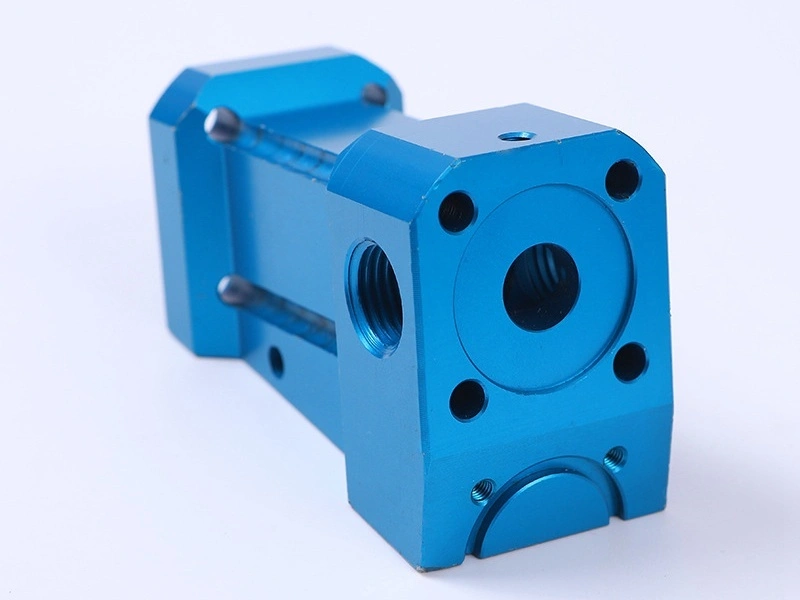
Anodizing is usually the first finish to evaluate for CNC milled aluminum parts that need corrosion resistance, controlled color, and a durable metallic appearance. The process forms a controlled oxide layer on aluminum instead of depositing a separate paint film. It is common for enclosures, brackets, consumer components, robotics structures, frames, and lightweight industrial parts where appearance and protection both matter.
Anodizing works well with many common milled aluminum grades, but it must be planned around geometry. Holes, threads, press fits, sealing faces, and conductive contact areas may need coating allowance or masking. Buyers should state whether critical dimensions apply before or after anodizing. Color control also depends on alloy, heat treatment, surface texture, and batch separation, so cosmetic assemblies may need an approved sample or color range. Related references include anodizing explained, typical surface treatment for aluminum CNC parts, and how much thickness anodizing adds.
When Anodizing Is the Best Choice
Application Type | Why Anodizing Works | Typical Benefit | Important Design Note |
|---|---|---|---|
Consumer housings | Improves appearance and scratch resistance | Premium visual quality | Color consistency should be controlled by alloy and batch |
Outdoor aluminum parts | Improves corrosion performance | Longer service life | Finish type should match exposure level |
Robotics and automation structures | Balances protection and weight | Durable lightweight components | Mask conductive interfaces if necessary |
Heat sinks and frames | Provides clean oxide finish without heavy buildup | Functional and cosmetic value | Critical dimensions need coating allowance review |
Polishing for CNC Milled Parts
Polishing is best for CNC milled parts when a selected surface needs lower roughness, brighter reflection, smoother touch feel, improved cleanability, or better sealing contact. It is used on stainless steel parts, decorative metal details, optics-adjacent housings, medical hardware, food-related surfaces, and visible consumer components.
Polishing can also create risk if it is treated as whole-part decoration. Heavy polishing may round edges, change local radii, shift flatness, or affect narrow tolerances. For precision parts, the RFQ should identify which faces to polish, which faces to protect, and how roughness or visual quality will be checked. Roughness targets should name the surface zone and measurement direction because a low Ra value on the wrong face does not improve sealing, sliding, or cosmetic acceptance. This route is closely related to polishing CNC machining parts.
Electroplating for CNC Milled Parts
Electroplating is best when a CNC milled part needs a deposited metal layer for corrosion resistance, conductivity, solderability, wear behavior, or decorative appearance. Nickel, chrome, zinc, and other plated metals can turn a machinable substrate into a more functional surface for connectors, fluid hardware, decorative trim, and outdoor service parts.
The main risk is coating build-up. Threads, bores, contact pads, edge corners, and precision fits may change after plating if thickness and masking are not planned. Buyers should specify plating material, exposed and masked areas, post-plating critical dimensions, and the expected acceptance test before manufacturing. Failure often starts at scratches, thin corner coverage, unplated recesses, or poor adhesion, so inspection should include both visual coverage and the functional surfaces that matter to assembly. Relevant references include electroplating for CNC parts and chrome plating for CNC parts.
Passivation for Stainless Steel CNC Milled Parts
Passivation is best for stainless steel CNC milled parts when corrosion resistance and cleanliness must improve without adding a thick coating. The process removes free iron contamination and supports a stable passive surface condition. It is useful for medical hardware, industrial components, fluid-handling parts, sanitary parts, and assemblies exposed to moisture or cleaning agents.
Passivation does not make a poor stainless grade suitable for an aggressive environment. It works only when the base alloy is already appropriate for the exposure. The buyer should define the stainless grade, cleaning chemicals, exposure environment, and acceptance method. If rust-like staining appears after machining, the cause may be free iron contamination, abrasive residue, handling damage, or grade mismatch; the corrective action is different for each cause. This choice connects closely to how passivation enhances corrosion resistance and passivation or electropolishing for stainless steel.
Electropolishing for CNC Milled Stainless Parts
Electropolishing is best for stainless steel CNC milled parts when the surface needs smoother texture, brighter appearance, improved cleanability, and better corrosion behavior. The process removes a controlled microscopic layer from high points on the surface, reducing asperities and creating a cleaner finish than raw machining alone.
This finish is valuable for medical, laboratory, clean-environment, food-related, and decorative applications. It can help on internal contours or intricate features that are difficult to polish manually. Designers still need to protect edges, dimensions, and surface zones that cannot accept material removal. This finish is directly related to electropolishing and CNC part smoothness.
Powder Coating for CNC Milled Parts
Powder coating is best when CNC milled parts need durable color coverage, outdoor protection, and a thicker decorative outer layer. It is common on aluminum and steel housings, covers, brackets, machine frames, and visible assemblies. Powder coating offers broad color options and good resistance to chipping and weathering when the process is matched to the service environment.
The limitation is thickness. Powder coating can interfere with threads, tight mating surfaces, grooves, sealing lands, and small text unless those areas are masked or inspected after finishing. It fits larger visible components better than miniature precision interfaces. The finish is aligned with powder coating for CNC machined parts and powder coating over anodized aluminum.
Sandblasting and Bead Blasting for Texture Control
Sandblasting and bead blasting are best when a CNC milled part needs a uniform matte texture or reduced tool-mark contrast before the final finish. These processes are common on aluminum, steel, stainless steel, and selected plastics. They are often used before anodizing, painting, coating, or final cosmetic inspection.
Blasting is not a substitute for dimensional finishing. Media type, pressure, and exposure time can affect sharp edges, delicate corners, and fine cosmetic details. The buyer should specify which faces need texture and which features should remain protected. This finish family is linked to how sandblasting transforms CNC machined parts and bead blasting vs sandblasting.
Black Oxide for Steel CNC Milled Parts
Black oxide is best for carbon steel and alloy steel CNC milled parts when a dark technical appearance, light corrosion resistance, and minimal dimensional change are needed. It is common on tools, mechanisms, fixtures, and hardware where glare reduction or a black industrial finish is useful.
Black oxide is not the strongest corrosion barrier for aggressive outdoor or marine environments unless paired with oil or other protection. It should be used when moderate protection and dimensional stability matter more than heavy coating coverage. This finish choice is closely related to black oxide coating for steel alloy CNC parts.
Specialty Finishes for Wear, Conductivity, and High Performance
Specialty finishes are best when the part needs more than standard corrosion protection or appearance control. PVD coatings can improve hardness and wear resistance. Teflon-based coatings can support low friction, release behavior, or chemical resistance. Alodine can provide conductive corrosion protection on selected aluminum parts. Nitriding, phosphating, thermal coatings, and chrome plating may also be selected for specific service conditions.
These finishes vary widely in thickness, adhesion, conductivity, temperature resistance, and substrate compatibility. They should be selected only after the service condition, mating surface, inspection method, and cost target are known. Relevant examples include PVD coatings, Teflon coating, and Alodine coating.
Surface Finishing Options by Material Family
Material Family | Common Finish Options | Main Finish Objective | Key Caution |
|---|---|---|---|
Anodizing, blasting, powder coating, Alodine | Corrosion resistance and appearance | Allow for coating thickness on precision areas | |
Passivation, electropolishing, polishing, blasting | Corrosion resistance and smoothness | Surface contamination should be controlled pre-finish | |
Black oxide, plating, phosphating, painting | Corrosion protection and appearance | Base material rust risk is high if finish is inadequate | |
Plating, polishing, specialty protection | Conductivity retention and oxidation control | Some finishes may reduce conductive performance | |
Polishing, plating, brushing | Appearance and corrosion control | Decorative finish consistency matters in visible parts | |
Polishing, blasting, UV coating, painting | Aesthetics and surface protection | Heat-sensitive materials need gentle finishing processes |
How Surface Finishing Affects Tolerances and Manufacturability
Surface finishing affects tolerances because coatings can add thickness, chemical treatments can alter surface condition, and polishing or blasting can change edges. Even small changes matter on precision bores, threads, contact pads, bearing fits, sealing lands, and cosmetic assemblies. The drawing should state whether dimensions apply before finishing, after finishing, or only on masked surfaces. Finish requirements should therefore be part of the drawing, process route, and inspection plan.
Selective finishing often gives the best balance. Functional datums or tight-fit areas can be masked, post-machined, or kept as-machined while visible or exposed surfaces receive coating or texture. This protects both function and appearance without unnecessary cost. Inspection should then check the finished cosmetic zones and the protected functional zones separately. The same risk appears in how anodizing affects dimensions in precision CNC components.
Best Surface Finishes for Common CNC Milled Part Applications
Application | Typical Recommended Finish | Main Requirement | Why It Fits |
|---|---|---|---|
Consumer enclosures | Anodizing or powder coating | Appearance and scratch resistance | Strong decorative and protective balance |
Medical stainless hardware | Passivation or electropolishing | Corrosion resistance and cleanability | Supports sanitary and durable surfaces |
Industrial steel fixtures | Black oxide or plating | Protection with controlled dimensions | Functional finish without heavy buildup |
Electrical contact parts | Selective plating | Conductivity and oxidation control | Improves electrical interface performance |
Visible machined aluminum frames | Blasting plus anodizing | Uniform appearance and protection | Reduces tool-mark visibility and improves finish consistency |
How Neway Selects Surface Finishes for CNC Milled Parts
For Neway CNC milled part quotations, finish selection should be reviewed as a combined engineering and manufacturing decision. The useful inputs are base material, service environment, cosmetic target, tolerance sensitivity, masking needs, and downstream assembly. The workflow should connect machining, deburring, cleaning, masking, finishing, post-finish inspection, packaging, and assembly protection. The review should identify what the part must resist, where the finish may change geometry, and which surfaces require post-finish inspection.
This approach supports projects that involve Precision Machining, CNC Machining, and One Stop Service. By aligning finish choice with product function, buyers can avoid over-specifying cosmetic coatings, protect tight features, and provide a clearer RFQ for manufacturable finishing.
Conclusion: Surface Finishing Should Match Function, Material, and Tolerance
Surface finishing options for CNC milled parts should be selected by function, material, tolerance, and inspection needs. Anodizing is usually the best starting point for aluminum parts that need corrosion resistance and appearance. Passivation and electropolishing fit stainless steel parts that need clean surfaces and corrosion resistance. Plating fits decorative, conductive, or barrier-layer requirements. Powder coating fits durable color coverage. Blasting, brushing, and polishing refine texture and appearance. Specialty coatings should be reserved for defined wear, friction, conductivity, chemical, or temperature conditions. A good RFQ names the finish, material grade, cosmetic faces, masked features, coating-build limits, post-finish dimensions, exposure environment, acceptance method, packaging requirement, and any sample or color standard needed for approval. If the part has assembly-critical features, the RFQ should also identify which surfaces are measured after finishing and which surfaces must remain protected during finishing, cleaning, packing, transport, and final receiving inspection.
FAQ