When should anodizing be used for aluminum CNC milled parts?
When should anodizing be used for aluminum CNC milled parts?
Anodizing should be used for aluminum CNC milled parts when the part needs better corrosion resistance, higher surface hardness, improved wear behavior, electrical insulation, or a controlled metallic appearance. It is especially useful for outdoor housings, handled parts, sliding-contact surfaces, branded products, and aluminum components that need durability without a thick paint-like coating. Buyers should specify anodizing type, color, masking zones, critical post-finish dimensions, and any conductivity requirement in the RFQ.
For many custom CNC milled parts, anodizing is not only decorative. It is an electrochemical conversion of the aluminum surface into an oxide layer that becomes part of the substrate rather than a separate paint film. That oxide layer can improve durability while preserving aluminum's lightweight advantage. This is why anodizing is common for anodized aluminum parts and why buyers often compare it with powder coating during finish selection.
1. Use Anodizing When Corrosion Resistance Is Required
One main reason to anodize aluminum is corrosion resistance. Many aluminum alloys resist corrosion better than carbon steel, but raw machined aluminum can still stain, oxidize unevenly, or degrade faster in humid, outdoor, marine-adjacent, or chemically active environments. Anodizing forms a more controlled oxide surface that improves long-term durability.
This is useful for housings, covers, brackets, frames, and outdoor components where appearance and corrosion performance must remain stable over time.
Condition | Why Anodizing Helps |
|---|---|
Outdoor exposure | Improves weathering resistance and reduces surface oxidation |
Humid environments | Provides a more stable protective surface than raw aluminum |
General industrial handling | Reduces staining and improves long-term appearance |
Mild chemical exposure | Improves resistance compared with untreated machined aluminum |
2. Use Anodizing When Surface Hardness and Wear Resistance Matter
Anodizing is also a good choice when the part needs a harder outer surface. Standard aluminum is soft compared with steel, so raw machined surfaces can scratch, wear, or mark during use. Anodizing increases surface hardness and can improve wear performance on exposed external surfaces, sliding contacts, and frequently handled parts.
For demanding applications, hard anodizing is often chosen instead of decorative anodizing. This is common for mechanical housings, tooling supports, wear-prone covers, and equipment panels where the surface must remain functional and visually stable over time.
3. Use Anodizing When Cosmetic Color Consistency Is Important
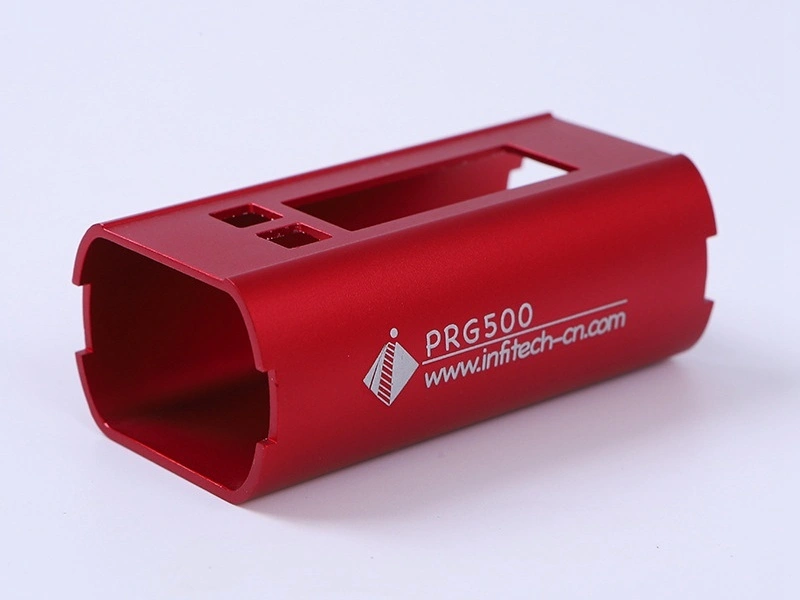
Anodizing should be used when aluminum parts need a clean, consistent, premium metallic appearance. It supports clear, black, gray, and dyed color options while preserving the metal look better than many painted finishes. This makes anodizing useful for visible consumer, electronics, robotics, and instrument components.
Compared with raw machining, anodizing reduces uneven oxidation and can make a product family look more consistent. Final appearance still depends on alloy grade, pre-finish texture, batch control, and whether the part is bead blasted, brushed, or polished before anodizing.
Appearance Goal | Anodizing Suitability |
|---|---|
Natural metallic look | Excellent |
Black or colored aluminum finish | Excellent |
Premium electronics-style housing | Excellent |
Heavy texture-hiding decorative coating | Moderate, powder coating may cover more |
4. Use Anodizing When Electrical Insulation Is Beneficial
The anodized oxide layer is electrically non-conductive compared with bare aluminum, so anodizing is useful when surface-level electrical isolation helps the design. This can matter in electronics housings, mounting structures, sensor hardware, and enclosure systems where surface conductivity should be reduced.
Anodizing is not always appropriate if electrical grounding through the surface is required. Contact pads, threaded grounding points, or conductive mating areas may need masking or selective post-processing.
5. Use Anodizing for Lightweight Parts That Need a Better Finish Than Raw Machining
If the part uses aluminum to reduce weight, anodizing is often the natural finish because it enhances surface performance without adding a heavy external coating. This is one reason anodizing is widely used on lightweight structural and cosmetic parts made from Aluminum 6061, Aluminum 7075, and other common aluminum alloys.
In many designs, anodizing is preferred over painting because it preserves sharper machined detail, maintains a metallic appearance, and usually offers better scratch resistance for thin, precision aluminum parts.
6. When Anodizing May Not Be the Best Choice
Anodizing is not always the right answer. It may be less suitable when the part needs a thick coating to hide cosmetic defects, when the design has very tight fit-critical dimensions without coating compensation, or when alloy and appearance expectations make uniform decorative results difficult. In some cases, powder coating or other surface finishes may be more appropriate.
Anodizing affects dimensions because the oxide layer has measurable thickness. Tight bores, threads, sealing lands, and close-fit interfaces may require masking, finish allowance, or special tolerance planning. This is important when small dimensional changes affect assembly.
Situation | Is Anodizing the Best Choice? | Reason |
|---|---|---|
Outdoor aluminum bracket | Yes | Good corrosion protection and durable appearance |
Consumer electronics housing | Yes | Strong cosmetic value and scratch resistance |
Precision bore with very tight fit | Conditional | Needs coating thickness compensation or masking |
Part needing thick decorative coverage | Not always | Powder coating may hide surface variation better |
Electrical grounding contact surface | Conditional | Anodized layer reduces surface conductivity |
7. Practical Guidelines for Buyers
Specify anodizing when aluminum needs corrosion protection, wear performance, electrical isolation, or controlled appearance. Also state whether color, gloss, masking, cosmetic class, and critical dimensions are important. A complete RFQ should indicate whether the finish is decorative anodizing or hard anodizing, and whether any mating or threaded areas must remain untreated.
For custom aluminum quotes, state whether the finish is mainly for appearance, durability, or both. That helps the supplier choose the right pre-finish process, such as blasting, brushing, or direct anodizing after machining.
8. Anodizing Selection Guide
Use Anodizing When... | Main Benefit |
|---|---|
The part needs better corrosion resistance | Protective oxide layer improves durability |
The surface needs more hardness and wear resistance | Improves scratch and wear performance |
A premium metallic appearance is required | Supports consistent decorative finish and color |
Surface-level electrical insulation is useful | Oxide layer reduces conductivity |
The part is lightweight aluminum and needs a durable finish | Improves function without adding a heavy coating |
Use anodizing for aluminum CNC milled parts when corrosion resistance, surface durability, controlled appearance, or electrical insulation is important. Avoid treating anodizing as a universal cosmetic fix. The RFQ should define anodizing type, color, surface preparation, masking, critical dimensions after finish, and any grounding or contact areas that must stay conductive.