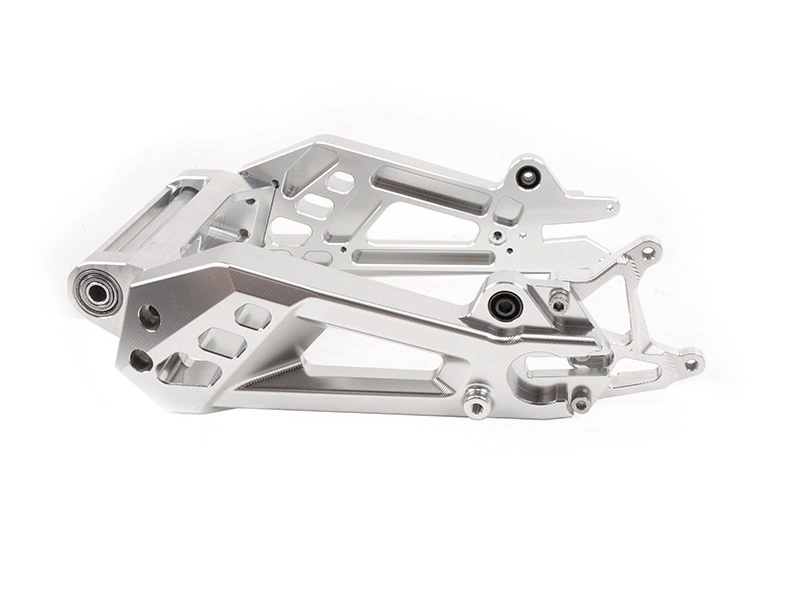
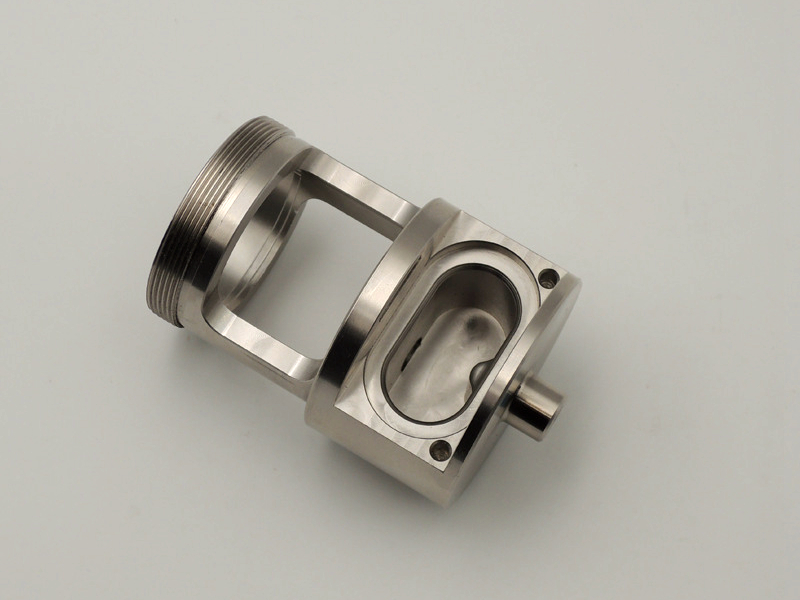
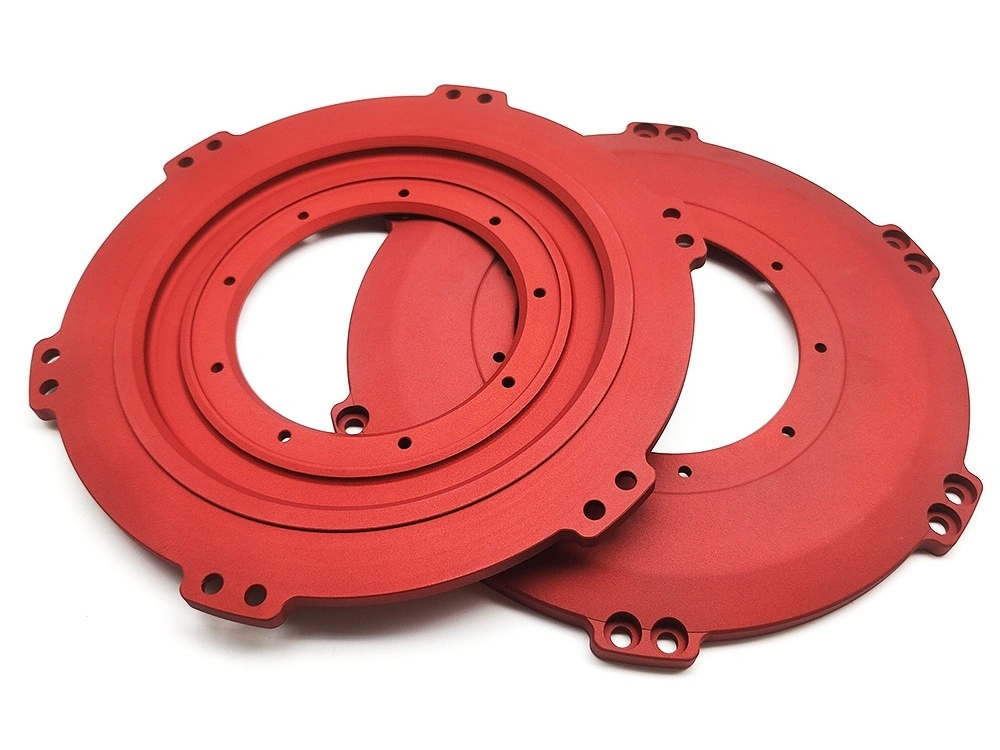
Choosing the Right Coating: Anodizing vs Powder Coating for CNC Machined Aluminum Parts
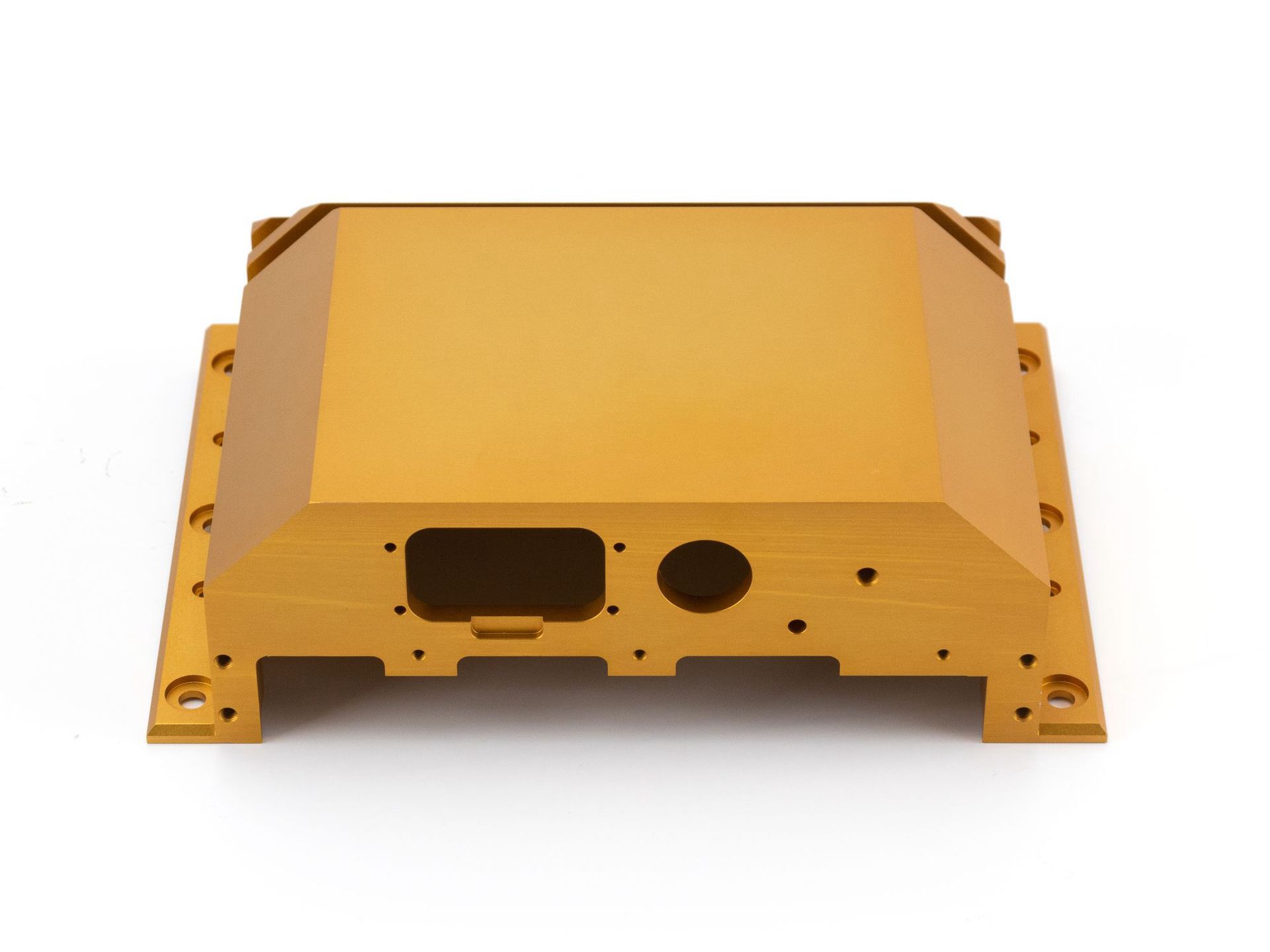 For CNC-machined aluminum parts, choose anodizing when the part needs a thin integrated oxide layer, metallic appearance, UV stability, wear resistance, or limited dimensional build. Choose powder coating when the part needs opaque color, thicker barrier protection, impact resistance, or a branded exterior finish. The correct choice is not only a cosmetic decision. Buyers should compare alloy response, coating thickness, masked features, outdoor exposure, inspection method, and assembly fit before releasing drawings or approving a quote.
Anodizing and powder coating are both valid finishing routes for aluminum CNC components, but they control risk in different ways. Anodizing changes the aluminum surface into a controlled oxide film. Powder coating adds a cured polymer layer over prepared aluminum. This guide helps buyers compare anodizing and powder coating by mechanism, thickness, durability, color, tolerance impact, failure mode, inspection, and RFQ information. The goal is to help engineering and purchasing teams choose the finish that protects the part without creating a hidden assembly, appearance, or acceptance problem.
Why Aluminum Surface Finishing Matters
Aluminum surface finishing matters because raw CNC-machined aluminum rarely defines the final corrosion resistance, wear behavior, color, electrical behavior, or buyer acceptance condition. Aluminum naturally forms a passive oxide layer when exposed to air, but that natural film is extremely thin and not a complete specification for outdoor service, cosmetic color, abrasion, cleaning chemicals, or repeated handling. Machining also leaves tool marks, burr edges, exposed pores, and sharp corners that can affect how a finish grows or bonds. A finish plan should therefore be reviewed together with the drawing, not added as a late purchasing note.
Post-machining surface treatments are used to:
Improve corrosion and wear resistance when aluminum parts face humidity, salt, handling wear, sliding contact, cleaning chemicals, or outdoor exposure that bare machined aluminum cannot reliably tolerate.
Control electrical insulation or conductivity by deciding which areas receive anodic oxide, polymer coating, masking, bare-metal contact, or post-finish inspection.
Provide color, texture, gloss, or metallic appearance for aesthetic purposes while setting realistic limits for dye variation, powder color match, rack marks, and lot-to-lot visual consistency.
Protect parts during handling and service life by defining edge break, pretreatment, coating thickness, sealing, curing, packaging contact, and acceptance checks before production starts.
At Neway, coating selection for CNC aluminum machining services should connect the machining route with downstream surface finishing processes. A useful review checks whether the alloy can accept the finish, whether functional faces must be masked, whether dimensions are inspected before or after finishing, and whether the buyer needs appearance samples before repeat production. This prevents a part from passing CNC inspection and then failing after coating changes fit, color, sealing, or contact resistance.
What is Anodizing?
Anodizing is an electrolytic aluminum finishing process that grows a controlled oxide layer from the part surface. The aluminum component is placed in an acid electrolyte, connected as the anode, and processed with electrical current under controlled conditions. The resulting oxide is hard, porous before sealing, and integrated with the base metal rather than laid on top like paint. For CNC machined parts, anodizing is valuable when the buyer needs a thin finish, metallic appearance, abrasion resistance, or a surface that does not peel like a separate coating film.
Characteristics of anodized aluminum:
An inorganic finish that is integral to the part, which means the oxide grows from aluminum and has no separate polymer layer that can flake from poor adhesion.
Corrosion resistance depends on alloy, anodizing type, film thickness, sealing, edge condition, and exposure; salt-spray references such as ASTM B117 are test methods or specification conditions, not automatic service-life promises.
Hard anodizing can provide high surface hardness for wear-facing aluminum parts, but the useful result depends on alloy, thickness, load, lubrication, mating material, and final surface roughness.
Electrical insulation properties can be useful on housings or fixtures, yet contact areas, grounding points, and threads may need masking because anodic oxide is not a conductive bare-metal surface.
The porous layer can accept dyes before sealing, but color consistency depends on alloy chemistry, pretreatment, dye system, thickness, surface finish, and whether parts are processed in the same lot.
Anodizing layers commonly range from about 5-25 μm for Type II decorative or corrosion-resistant sulfuric anodizing and about 25-100 μm for Type III hardcoat when the project specification allows that range. MIL-PRF-8625 and ISO 7599 are used to define anodizing type, thickness class, sealing, and inspection language when they match the application. Buyers should state whether dimensions are before finish or after finish because anodizing partly penetrates and partly builds outward from the original surface.
What is Powder Coating?
Powder coating is a dry organic coating process that applies electrostatically charged polymer powder to prepared aluminum and then cures the powder into a continuous film. The coated part is commonly baked in a temperature range selected by the powder supplier, often around 160-200°C depending on chemistry and part mass. Unlike anodizing, powder coating adds a comparatively thick surface layer. That makes powder coating strong for opaque color, hiding minor machining marks, impact protection, and outdoor product appearance, but it also creates more risk around threads, bores, sliding fits, and masked contact areas.
Characteristics of powder-coated aluminum:
Organic coating with film thickness often around 60-120 μm, with actual build affected by powder chemistry, grounding, spray access, part geometry, edge condition, and cure cycle.
Good resistance to chipping, abrasion, and impact when pretreatment, edge coverage, coating thickness, and cure are controlled for the service environment.
Wide selection of RAL color matches, gloss levels, and textures, making powder coating useful for consumer-facing equipment, panels, covers, and branded assemblies.
Chemical resistance depends on the resin system, such as epoxy, polyester, fluoropolymer, or hybrid powder; each system must be matched to UV, solvent, humidity, and cleaning exposure.
A dry application process with low volatile organic compound emissions compared with many liquid coating routes, while still requiring surface cleaning, pretreatment, grounding, and curing controls.
Powder coatings may be evaluated with standards such as ISO 8130 for powder coating properties, ASTM D3359 for adhesion by tape test, ASTM D3363 for pencil hardness, or project-specific color and thickness inspection. These standards define test methods or acceptance language; they do not prove that every coated part will survive the same environment. Buyers should ask which tests apply to the actual resin, pretreatment, film thickness, and service exposure.
Anodizing vs Powder Coating: Side-by-Side Comparison
Feature | Anodizing | Powder Coating |
|---|---|---|
Coating Thickness | Usually thinner; Type II is often about 5-25 μm, while hardcoat can be thicker when specified. Dimension review must define oxide growth and final inspection state. | Often about 60-120 μm cured film. Coating on two mating faces can reduce clearance by roughly twice the single-side film build. |
Surface Hardness | Hardcoat anodizing can improve wear resistance on suitable alloys, but load, lubrication, mating material, and surface roughness still control performance. | Powder film can resist impact and handling abrasion, but it is not a substitute for hard bearing surfaces or controlled sliding interfaces. |
UV Resistance | Clear and some dark anodized finishes can perform well outdoors; dyed colors still need sample approval under strong UV exposure. | Polyester and fluoropolymer powders usually suit outdoor color better than epoxy powders; resin selection and supplier data matter. |
Corrosion Resistance | Strong when alloy, film thickness, sealing, and rack mark control match the exposure. High-copper alloys need more caution. | Good when pretreatment and edge coverage are controlled. Scratches, poor cure, or weak pretreatment can lead to blistering or underfilm corrosion. |
Electrical Properties | Creates an insulating oxide film, so grounding pads, threaded contacts, and conductive interfaces may need masking or post-finish cleaning. | Creates an insulating polymer layer that may be thicker and less suitable for electrical contact areas unless masking is specified. |
Dimensional Impact | Lower build than powder coating, but close bores, threads, and sliding fits still require a before-finish or after-finish dimension rule. | Higher build. Threads, holes, grooves, seal lands, and mating surfaces often need masking, compensation, or post-coating inspection. |
Aesthetic Options | Metallic appearance with clear, black, or dyed options. Color depends strongly on alloy, pretreatment, thickness, and sealing. | Broad opaque colors, textures, and gloss levels. Powder coating is often better when brand color hides metallic variation. |
Thermal Resistance | Inorganic oxide tolerates heat better than many organic coatings, but alloy temper, sealing, and service environment still matter. | Limited by resin system and cure condition. Heat exposure should be checked against powder supplier data and part function. |
Cost | Cost depends on thickness, color, sealing, racking, masking, lot size, inspection, and whether color matching is strict. | Cost depends on pretreatment, color change, masking, film build, batch size, rework risk, and inspection requirements. |
Suitable Alloys | 6061, 6063, 5052, and 6082 are often more predictable. 2024, 7075, and cast aluminum need sample validation for color and corrosion. | Most aluminum grades can be powder coated if cleaned and pretreated, but castings may need outgassing control and edge coverage review. |
When to Choose Anodizing
Anodizing is the better choice when the buyer wants an aluminum finish that stays thin, keeps a metallic look, resists wear, and avoids the peeling risk of a separate coating layer. It is especially useful when functional dimensions, sliding contact, UV exposure, or hardcoat wear performance are more important than opaque color coverage. The buyer should still validate alloy response, final thickness, sealing, racking marks, and color tolerance before approving production.
Dimensional accuracy is critical and the drawing can define whether dimensions are measured before anodizing, after anodizing, or at specific functional features that need masking.
High wear and abrasion resistance is required for parts such as guides, rails, sliding plates, knobs, and housings where hardcoat thickness and surface roughness are part of the design.
Parts must retain a metallic appearance or need consistent surface texture, especially when clear, black, or natural anodized aluminum is part of the product identity.
Enhanced adhesion for paints or adhesives is beneficial, provided the chosen anodizing type, sealing condition, and bonding requirements are not in conflict.
UV and salt exposure are important, and the specification defines alloy, thickness, sealing, test method, rack mark location, and acceptance criteria instead of relying on a generic salt-spray number.
Typical applications include:
Aerospace brackets and housings that need light weight, wear resistance, corrosion control, and defined masked areas for grounding, fasteners, or bearing interfaces.
Optical and electronic enclosures where metallic appearance, low film build, thermal behavior, grounding pads, and thread fit must be reviewed together.
Medical instruments that require clean surfaces, controlled appearance, corrosion resistance, and inspection notes tied to the drawing and cleaning route.
Outdoor structural components where UV stability, edge quality, sealing, alloy selection, and maintenance assumptions are more important than a bright opaque color.
For projects using Type II and Type III anodizing, the RFQ should define the anodizing type, thickness range, sealing requirement, color target, material grade, temper, masked areas, and inspection method. MIL-PRF-8625, ISO 7599, AMS 2471, and AMS 2472 may be useful specification references when the buyer's industry or drawing requires them. They should be used as acceptance language with stated scope, not as decoration in a quote request.
When to Choose Powder Coating
Powder coating is the better choice when the buyer needs an opaque decorative finish, thicker barrier protection, color flexibility, texture, impact resistance, or the ability to hide minor machining marks. It suits exterior covers, panels, consumer-facing housings, and industrial equipment where appearance and corrosion protection matter more than bare-metal fit. Powder coating is less suitable for unmasked threads, close bores, sliding interfaces, bearing seats, electrical contacts, and tight assembly datums.
Decorative parts require vibrant colors or special textures such as sand, matte, gloss, fine texture, or brand-specific color targets that anodizing cannot match consistently.
Consumer-facing products need a controlled exterior appearance, high color coverage, good handling durability, and a finish that can hide minor machining or extrusion variation.
Parts are subject to impact, chemical splash, or abrasion where the selected powder resin, pretreatment, edge coverage, and cure condition match the exposure.
Assemblies need surface uniformity that masks machining or casting marks, while functional surfaces are masked or checked after coating.
Projects use batch coating of many parts where color change, racking, masking, film thickness, and inspection can be planned economically before release.
Applications include:
Industrial equipment covers that need color, corrosion resistance, edge protection, and enough clearance around fasteners, hinges, and gasket grooves after coating.
Enclosures and panels where the buyer wants a consistent exterior finish, but internal grounding points, threads, and mating flanges may remain uncoated.
Consumer electronics housings that require brand color, controlled gloss, scratch resistance, and sample approval under the lighting used for product inspection.
Outdoor furniture and signage where UV resistance, resin selection, pretreatment, drainage, edge coverage, and maintenance assumptions control service performance.
Neway's powder coating services should be specified with resin type, color reference, gloss, texture, thickness range, pretreatment, cure condition, masking map, and inspection points. A first article should check thickness, adhesion, color, surface defects, thread fit, and assembly fit before repeat orders. Powder coating can be an excellent finish when it is treated as a manufacturing variable rather than a paint note added after machining.
Design Considerations for CNC Machined Parts
Dimensional Tolerances:
Anodizing grows partly into the material and partly outward, so the dimensional effect is smaller than powder coating but still relevant for close bores, sliding fits, threads, and sealing surfaces.
Powder coating adds thickness on exposed surfaces, often around 60-120 μm, so mating parts, threaded features, gasket grooves, press fits, and datum pads may need masking or compensation.
Part Geometry:
Sharp edges should be broken where the drawing allows it because both anodizing and powder coating can fail first at thin edges, burrs, and damaged corners.
Blind holes, deep pockets, internal cavities, narrow slots, and Faraday-cage areas may not coat evenly with powder coating, while anodizing may still require drainage and racking review.
Material Compatibility:
6000-series aluminum such as 6061 and 6082 usually responds well to both finishes, making these alloys practical choices when machining, appearance, corrosion, and availability must be balanced.
2000- and 7000-series alloys such as 2024 and 7075 may require pretreatment, sample approval, and more conservative expectations for decorative anodizing color and corrosion performance.
Castings should be reviewed for porosity, silicon content, trapped gas, surface skin, and outgassing risk before powder coating, especially when the part has visible surfaces or thick sections.
Conclusion
Anodizing and powder coating both improve CNC-machined aluminum parts, but they solve different buyer problems. Anodizing is the stronger route when the priority is thin build, metallic appearance, UV-stable oxide protection, wear resistance, and controlled functional surfaces. Powder coating is the stronger route when the priority is opaque color, thicker barrier protection, impact resistance, and exterior appearance control.
Choose to anodize when precision, UV resistance, hard-wear surfaces, metallic appearance, or low dimensional build are required. Opt for powder coating when bold color, texture, impact protection, surface hiding, or a thick exterior barrier is the priority. If the part has tight bores, threads, sliding features, seal lands, electrical contacts, or visible color limits, approve samples and inspection criteria before production.
At Neway, finishing decisions for CNC aluminum machining services should connect alloy selection, machining datum strategy, edge break, masking, finishing specification, and inspection. A complete RFQ should include the material grade and temper, finish type, color, thickness range, masked areas, critical dimensions, exposure environment, sample approval requirement, and whether dimensions are accepted before or after finishing.
FAQs: