Which finish lasts longer in outdoor environments: anodizing or powder coating?
Anodizing vs. Powder Coating: Which Finish Lasts Longer in Outdoor Environments?
Anodizing Cannot Be Ranked Without the Exposure and Coating Specification
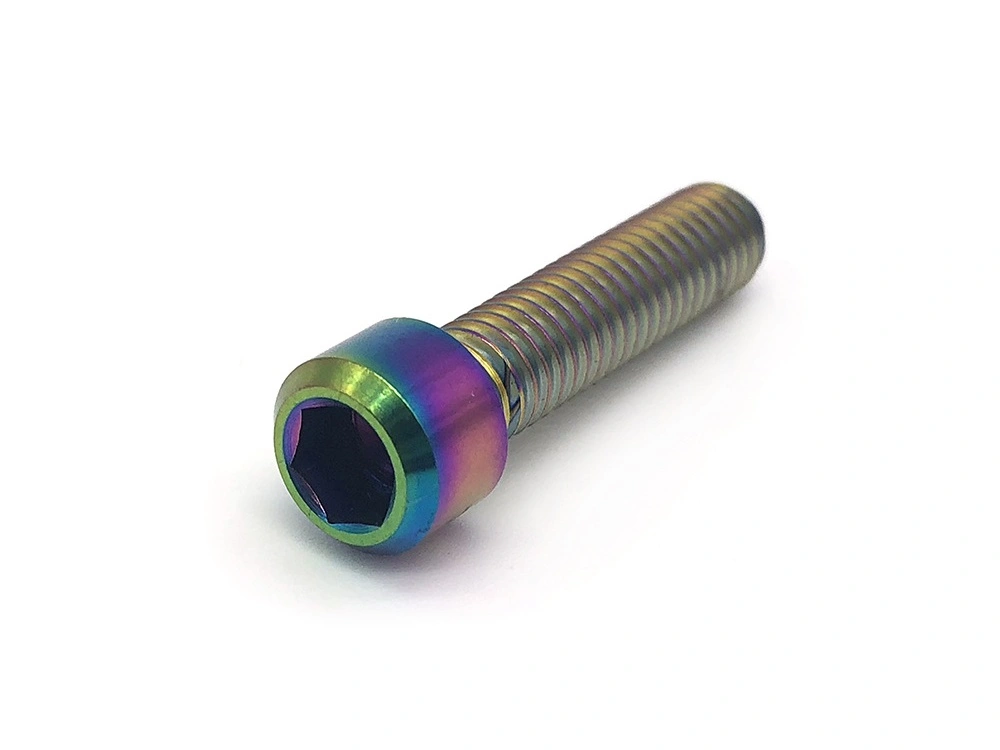
Neither anodizing nor powder coating has a universally longer outdoor life on aluminum surfaces. Compare a specified anodic coating and seal with a specified powder resin, pretreatment, film thickness, and cure under the same UV, salt, chemical, abrasion, damage, and maintenance conditions. Anodizing forms an oxide associated with the aluminum substrate and avoids paint-film peeling, but it can lose appearance, pit at damaged or poorly processed areas, or fail an unsuitable exposure requirement. Type II and Type III designations describe different anodizing routes; they do not by themselves establish outdoor service life. For aerospace equipment, marine-adjacent brackets, machine housings, and architectural hardware, define the dominant failure mode and dimensional limits before selecting a system. Use qualified test panels or relevant service evidence when the required life cannot be inferred from the finish specification.
Powder Coating Performance Depends on the Complete Coating System
Powder coating is a candidate when the buyer needs opaque color, specified film build, impact performance, and broad appearance control. Those attributes do not establish longer outdoor life than anodizing. Polyester or fluoropolymer powder systems may perform well outdoors when the aluminum is cleaned, pretreated, grounded, coated to the specified film thickness, and cured according to the powder supplier's data sheet. The risk is coating separation rather than oxide loss. Poor pretreatment, sharp edges, under-cured film, trapped contamination, racking damage, or water ingress at scratches can lead to chalking, fading, blistering, or peeling. Powder thickness can also affect holes, threads, sliding parts, and assembly fits, so outdoor durability must be checked together with tolerance and masking requirements. If a part has sharp CNC edges, the drawing should define edge break because thin powder at corners can become the first outdoor failure point. For outdoor products with strong brand color requirements, powder coating may be preferred even when anodizing would provide a thinner and more integrated finish. Request outdoor sample approval when appearance drives acceptance, record approved sample limits, and define who approves finish changes before production release.
Choose by Exposure, Acceptance Test, and Maintenance Plan
For outdoor CNC aluminum parts, anodizing is a candidate when low buildup, metallic appearance, and an integral oxide are important; powder coating is a candidate when opaque color, barrier-film thickness, and hiding power are important. These are selection attributes, not proof that either route lasts longer. anodizing can fade or show substrate corrosion under unsuitable processing or exposure, while powder can chalk, lose adhesion, or permit corrosion at damage. Architectural RFQs may invoke AAMA 611 for anodized aluminum or AAMA 2604/2605 for organic coatings when the project falls within their scope. State the alloy, coating class, site exposure, UV, salt and chemicals, cleaning, color tolerance, required life, test method, and maintenance. Compare qualified systems against the same acceptance criteria; if evidence is insufficient, use representative panels or first articles before production release.
Connect finish selection to CNC geometry and inspection
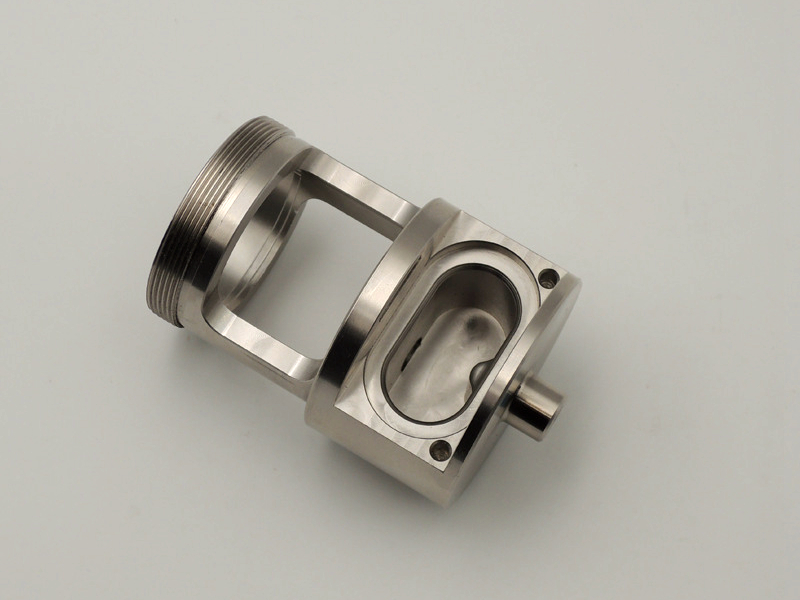
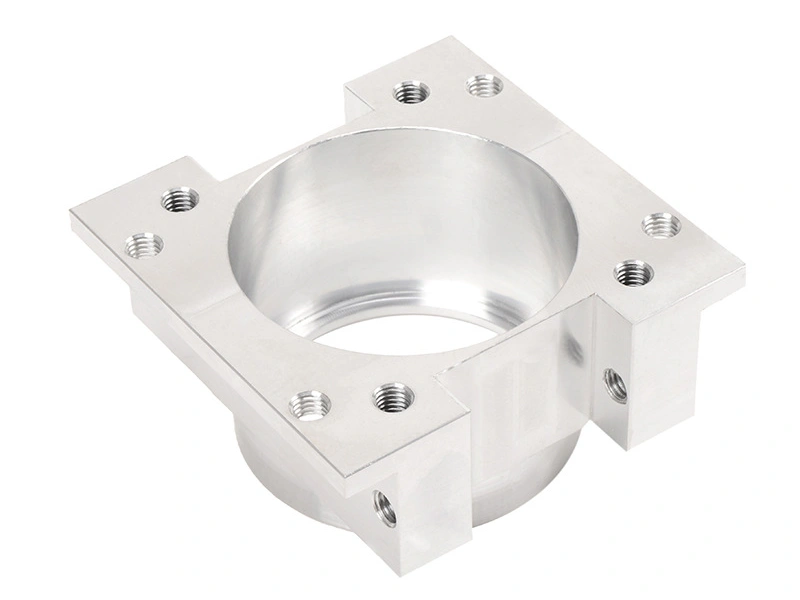
For Neway-related projects, finish selection should be reviewed with custom CNC machining, precision machining, multi-axis CNC milling, and post-processing requirements before production. A coating that lasts outdoors can still fail the project if it closes a bore, changes a thread, hides a sharp edge, leaves an exposed rack mark, or creates a color mismatch between lots. For aerospace components, outdoor enclosures, transportation hardware, and industrial machinery, the RFQ should define the finish standard, thickness range, masking map, color tolerance, salt-spray or UV test requirement, and inspection points. First-article inspection should check coating thickness, adhesion, color range, masked features, thread fit, and assembly fit before repeat production. If the part has threaded holes, bearing seats, gasket grooves, or electrical contact areas, the drawing should state whether those features are masked or inspected after finishing. Record pass/fail criteria before testing so a cosmetic concern is not confused with a functional failure. Use the links below to connect machining and finishing topics, then confirm the final finish on drawings and first articles: