How should I choose between different surface finishes for functional parts?
How Should I Choose Between Different Surface Finishes for Functional CNC Parts?
Direct Answer: Select from a Measurable Failure Mode
Choose a surface finish by naming the failure it must control, confirming compatibility with the specified substrate, and defining how the finished part will be accepted. Corrosion, wear, friction, electrical contact, cleanability, appearance, and dimensional fit are distinct functional requirements that require different evidence. No finish name proves performance by itself. The RFQ should state material grade and condition, exposed environment, mating surfaces, masked zones, thickness or material-removal allowance, critical dimensions, cleaning and handling, and the applicable test or visual standard after finishing.
Engineering Factors to Check Before Selecting a Finish
1. Material Compatibility
Start with substrate chemistry, temper or heat treatment, hardness, surface preparation, and delivered condition. The following are candidate pairings, not automatic selections:
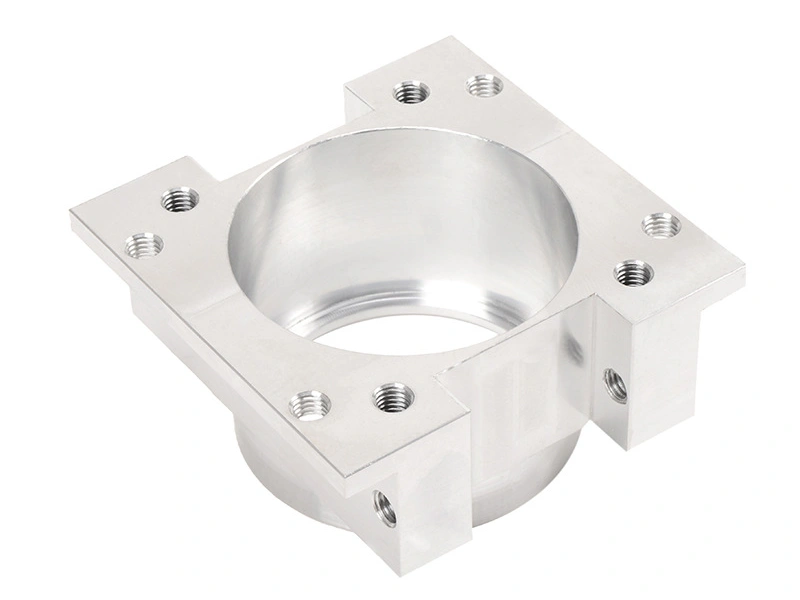
Anodizing is an aluminum conversion process that can support corrosion, wear, or color requirements for alloys such as 6061 and 7075. Alloy and temper affect appearance and response; define type, class where applicable, thickness, sealing, masking, and dimensional allowance.
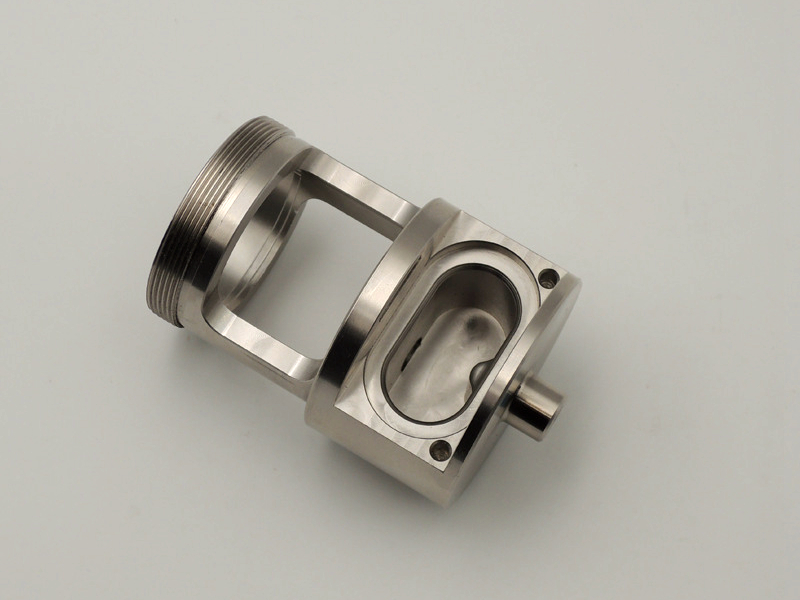
Electropolishing can remove surface material from stainless steel such as SUS316L to alter roughness, edge condition, or cleanability. Specify the pre-finish surface, removal allowance, protected features, final roughness method, and corrosion or cleanliness acceptance.
Black oxide can provide a dark conversion finish on compatible steels such as 1045. Its corrosion behavior depends strongly on sealant and exposure, so define oil or wax treatment, storage, appearance, and any corrosion test rather than treating it as a heavy barrier coating.
2. Corrosion Resistance
Define the exposure mechanism before choosing a corrosion route. Salt, condensation, immersion, cleaning chemicals, UV, galvanic contact, crevices, and coating damage do not produce the same requirement:
Anodizing (Type II/III) may be considered for aluminum only when those designations are defined by the governing specification and revision. Specify the coating type and class where applicable, seal, alloy, thickness, and exposed interfaces against the corrosion and dimensional requirements.
Passivation removes exogenous iron and supports the corrosion resistance of suitable stainless steel. Use ASTM A967 only when the drawing or purchase order defines the treatment and applicable verification; it is not a general approval for medical or food service.
Zinc or nickel plating may provide barrier or sacrificial protection on specified substrates. Define deposit system and thickness, pre-treatment, thread allowance, adhesion, corrosion test, and hydrogen-embrittlement controls where material strength and the governing specification make them relevant.
Powder coating may suit exposed structures that tolerate curing temperature and coating buildup. Specify pretreatment, powder system, film thickness, edge and recess coverage, masking, UV exposure, adhesion, color, and corrosion acceptance.
3. Wear and Friction Performance
Define the contact pair, load, motion, speed, lubricant, temperature, debris, duty cycle, and acceptable wear. Coating hardness alone cannot predict system life, and a hard layer on an unsupported or poorly prepared substrate can fail:
PVD coating is a family of coating systems with different compositions, thicknesses, hardness values, deposition temperatures, and test methods. Specify the coating designation, substrate condition, edge preparation, adhesion method, and representative wear test for the application.
Hard anodizing (Type III) is a complete designation only when the governing specification and revision define it. It may improve an aluminum surface for some wear conditions, but coating thickness, porosity, seal, mating material, edge geometry, and dimensional change must be included in validation.
Teflon coating refers to branded fluoropolymer-based options rather than one universal finish. Confirm the exact coating system, adhesion, thickness, cure temperature, chemical exposure, contact pressure, wear, and permitted regulatory use.
4. Electrical Insulation or Conductivity
Alodine coating is a trade-name reference for chemical conversion products, not a complete process specification. Define the approved chemistry and class, substrate, contact resistance or conductivity criterion, corrosion requirement, and bare or masked contact zones.
Powder or epoxy coatings can act as insulating barriers when thickness, porosity, dielectric test, edges, grounding pads, and assembly damage are controlled. Do not assume insulation from appearance alone.
Electroless nickel and gold plating may be selected for contacts or electronic hardware only after deposit stack, thickness, underplate, porosity, solderability, contact resistance, wear, and environment are specified.
5. Medical and Biocompatible Applications
Electropolishing can reduce peaks and improve access for cleaning on a qualified stainless-steel route, but it does not by itself prove bacterial adhesion, sterility, biocompatibility, or device safety. Validate the final surface and cleaning process against product requirements.
Passivation can remove exogenous iron from suitable stainless parts. Whether it is appropriate for an implant, instrument, or external device depends on material, manufacturing residues, cleaning, sterilization, corrosion testing, and the applicable product specification.
A finish is not approved merely because an FDA-regulated product or ISO 10993 assessment is involved. The legal manufacturer must define the device category, biological-evaluation scope, patient-contact conditions, sterilization, residues, change control, and required submission or technical-file evidence.
6. Aesthetic and Branding Requirements
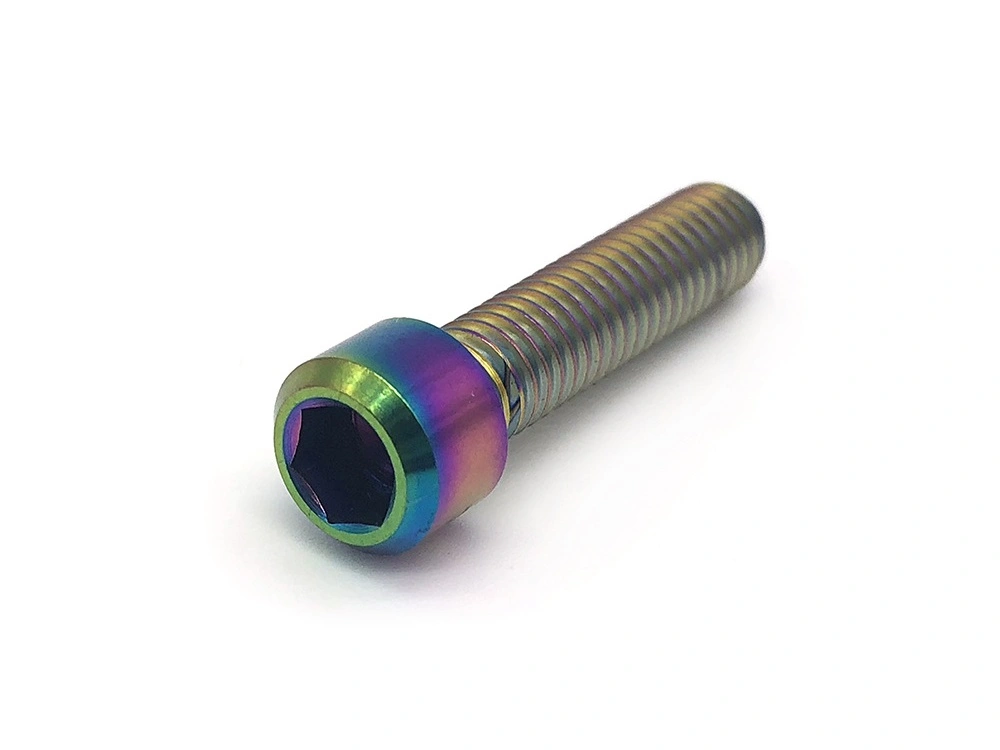
Anodizing can provide color, but define alloy and temper, surface preparation, reference sample, viewing conditions, acceptable variation, sealing, and batch strategy.
Brushing can create a directional texture; mark visible faces, grain direction, edge condition, roughness or comparator, and handling protection.
Polishing can increase gloss but may round edges, alter dimensions, or reveal waviness. Define protected geometry, pre-finish condition, gloss or roughness method, and cosmetic sample.
Powder coating offers varied colors and textures when film thickness, orange peel, edge coverage, masking, color tolerance, cure effect, and assembly clearance are accepted.
Finish Selection Guide by Function
Function | Recommended Finishes |
|---|---|
Corrosion resistance | Anodizing, passivation, electropolishing, and powder coating are candidates only after substrate, exposure, interfaces, thickness, and corrosion acceptance are defined. |
Wear resistance | PVD, hard anodizing, and fluoropolymer systems require a defined substrate, contact pair, load, motion, lubricant, environment, and representative wear test. |
Electrical performance | Conversion coating, nickel or gold plating, and insulating coatings need specified contact or dielectric criteria, thickness, masked zones, and post-assembly verification. |
Biocompatibility | Electropolishing or passivation may be process steps, but final-device biological safety requires product-specific material, residues, cleaning, sterilization, and evaluation evidence. |
Aesthetics | Anodizing, brushing, powder coating, and polishing require visible-face maps, reference samples, viewing rules, permitted variation, and handling protection. |
RFQ Checks Before Choosing a Functional Surface Finish
For surface treatment solutions, issue the material specification, service exposure, mating system, failure mode, controlled surfaces, pre-finish condition, masked areas, dimensional allowance, and finished-state test plan. On custom machined parts, require the supplier to identify chemistry or coating system, applicable specification, thickness or removal, process temperature, racking points, handoff ownership, and inspection stage. Use representative coupons or parts when appearance, adhesion, corrosion, wear, friction, conductivity, or cleanability cannot be accepted from a name alone. Select the route whose evidence matches the actual failure risk and delivered state.