Which surface finish is best for cosmetic CNC milled parts?
Which surface finish is best for cosmetic CNC milled parts?
For aluminum cosmetic CNC milled parts, anodizing is usually the best first-choice finish because it keeps a metallic appearance, supports controlled color, and improves corrosion and handling resistance. anodizing is not best for every cosmetic part. Stainless steel may need brushing, polishing, electropolishing, or passivation; steel and copper-alloy parts may need plating, painting, or powder coating. Buyers should choose by material, visible surface grade, gloss, color tolerance, scratch visibility, and inspection sample.
Cosmetic finish selection changes more than appearance. It affects texture, edge feel, fingerprint visibility, color matching, coating build, and how machining marks appear under light. Cosmetic requirements should be defined with surface finishes, material choice, grain direction, masking zones, and the inspection standard during quoting.
1. What Makes a Surface Finish Good for Cosmetic Parts?
A cosmetic finish should create a stable appearance across batches, reduce tool-mark visibility, and match the intended product image. For consumer, electronics, medical, instrument, and branded industrial parts, the finish may also need a defined touch feel, gloss level, and handling resistance.
Cosmetic Requirement | Buyer Decision Meaning |
|---|---|
Uniform texture | Use when visible faces must avoid patchy machining marks |
Controlled gloss | Decides matte, satin, polished, or reflective appearance |
Color consistency | Needed for branded products and matched assemblies |
Scratch visibility | Affects handling, assembly, and packaging requirements |
Machining mark suppression | Requires texture preparation before the final finish |
2. Anodizing Is Often the Best Choice for Aluminum Cosmetic Parts
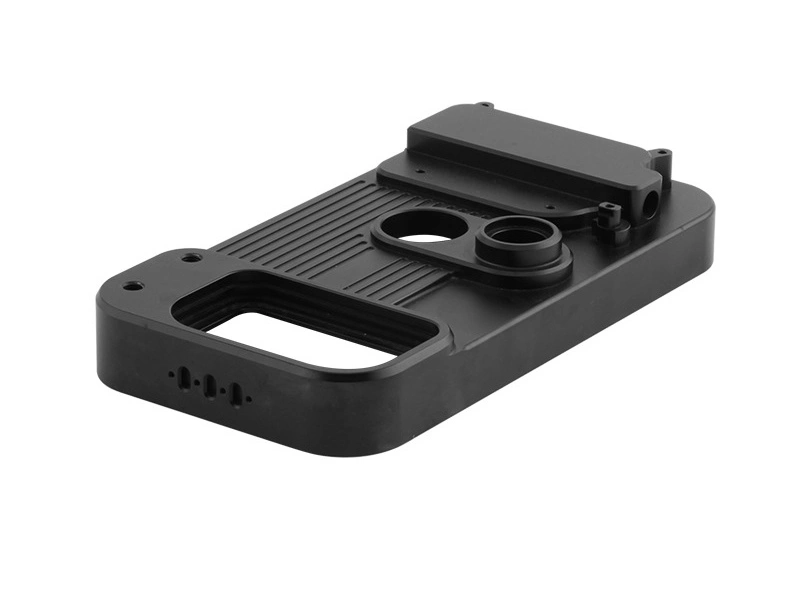
For aluminum cosmetic parts, anodizing is usually the best overall finish because it combines decorative appearance, corrosion resistance, and better scratch resistance than raw machining. It preserves the metallic look of aluminum while supporting black, clear, gray, and other dyed colors for premium housings, covers, brackets, and handheld components.
Compared with simple paint, anodizing gives a more refined metallic appearance and keeps fine machined detail sharper. It is especially common on Aluminum 6061 and similar cosmetic CNC grades. The buyer should still approve texture preparation and color samples, because alloy condition, batch, and surface roughness can change the final shade.
Finish | Cosmetic Strength | Best Use Case |
|---|---|---|
Anodizing | Excellent | Premium aluminum parts needing color, metallic look, and durability |
Hard anodizing | Good to excellent | Visible aluminum parts that also need stronger wear resistance |
3. Bead Blasting and Brushing Improve Visual Uniformity Before or With Finish
For cosmetic parts, the pre-finish texture often matters as much as the final coating. sandblasting or bead blasting can create a fine matte texture that reduces tool-mark visibility before anodizing, painting, or coating.
Brushing is chosen when the part needs a directional satin-metal look. It works well on decorative aluminum and stainless steel panels, handles, and exposed industrial components. The grain direction must be controlled across visible faces; mismatched grain often looks like a defect even when dimensions are correct.
Texture Finish | Visual Style | Cosmetic Note |
|---|---|---|
Bead blasted | Uniform matte | Hides fine machining marks but needs even coverage |
Brushed | Satin directional grain | Looks premium when grain orientation is consistent |
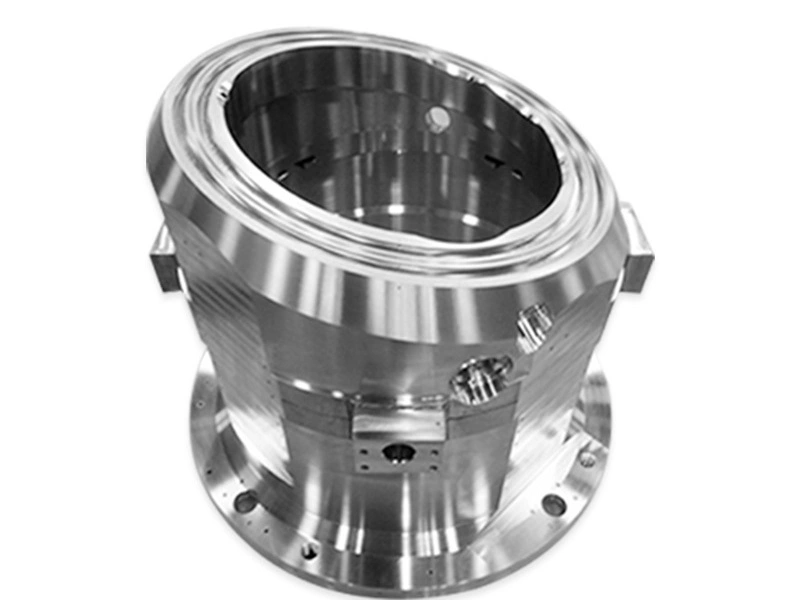
Polished | Bright and reflective | Shows shine but can reveal waviness and scratches |
4. Polishing Is Best When a Bright or Glossy Premium Look Is Required
Polishing is best when the cosmetic target is a smooth, reflective, or bright metallic appearance. It fits decorative trim, high-visibility components, premium metal accessories, and parts where gloss is part of the product identity.
Polished surfaces also reveal defects more easily. Minor waviness, small scratches, edge rounding, or blend mismatch can become more visible on gloss surfaces than on matte surfaces. Polishing therefore needs better pre-finish machining, protected handling, and a clear visual sample.
5. Powder Coating and Painting Are Best When Solid Color Coverage Matters Most
If the cosmetic goal is bold color coverage instead of a metallic look, powder coating and painting are often better than anodizing. These finishes can hide minor substrate variation and give broader brand color freedom.
Powder coating usually gives a thicker decorative layer for equipment covers, visible machine housings, and outdoor-use panels. Painting can be more flexible for brand color matching. The tradeoff is coating build: holes, threads, grooves, text, and sharp machined details may need masking or post-finish inspection.
6. Electropolishing and Passivation Are Strong Cosmetic Options for Stainless Steel
For visible stainless steel parts, electropolishing is often the best cosmetic finish when a smooth, bright, clean metallic appearance is required. It reduces micro-roughness and can create a more refined surface than raw machining alone.
Passivation is more functional than decorative, but it supports a cleaner-looking stainless surface by improving chemical cleanliness and corrosion performance without adding coating build. When appearance is the main priority, electropolishing is usually the more cosmetic stainless option.
7. Plating Is Best When a Metallic Decorative Layer Is Required
Electroplating is often best when the cosmetic requirement calls for a decorative metallic layer, such as nickel- or chrome-like appearance. It can provide a bright metal finish for hardware, trim, connectors, and visible steel or copper-alloy parts.
Plating is useful when the base substrate does not already have the desired visual character. The tradeoff is that cosmetic plating depends strongly on substrate preparation, edge coverage, layer consistency, and coating thickness allowance.
8. The Best Finish Depends on the Cosmetic Goal
If you want... | Best Finish Choice | Why |
|---|---|---|
Premium metallic aluminum look | Anodizing | Balances metallic appearance, color, corrosion resistance, and durability |
Matte uniform industrial appearance | Bead blasting + anodizing or bead blasting alone | Reduces tool-mark visibility and creates even texture |
Satin directional metal appearance | Brushing | Creates a controlled linear grain effect |
Bright reflective metal appearance | Polishing or electropolishing | Produces smoother and more reflective surfaces |
Bold non-metallic color coverage | Powder coating or painting | Gives color flexibility and substrate coverage |
Decorative plated metal look | Plating | Adds a bright decorative metal layer |
9. Practical Guidance for Buyers
Buyers should specify the finish name and the visual standard. A complete RFQ should state whether the target is matte, satin, glossy, metallic, textured, bright, or color-critical. It should define cosmetic-grade surfaces, grain direction, acceptable tool marks, color range, masking zones, and whether parts must match within one assembly.
For high-appearance parts, define whether the finish is only decorative or must also improve corrosion resistance, scratch resistance, cleanability, or handling resistance. That decision changes the best finish and the inspection method.
10. Buyer Decision Output
For aluminum cosmetic CNC milled parts, anodizing is usually the best starting point because it combines metallic appearance, color capability, corrosion resistance, and durability. For matte texture, use bead blasting or brushing. For bright gloss, use polishing or electropolishing. For solid brand color, use powder coating or painting. For decorative metal on steel or copper alloys, use plating.
The best finish should be chosen from the material and the visible-surface requirement, not from the finish name alone. Before quoting, provide material grade, cosmetic faces, color or gloss target, texture direction, unacceptable marks, coating-build limits, masking zones, and inspection sample requirements.