What surface finishes are available for CNC milled parts?
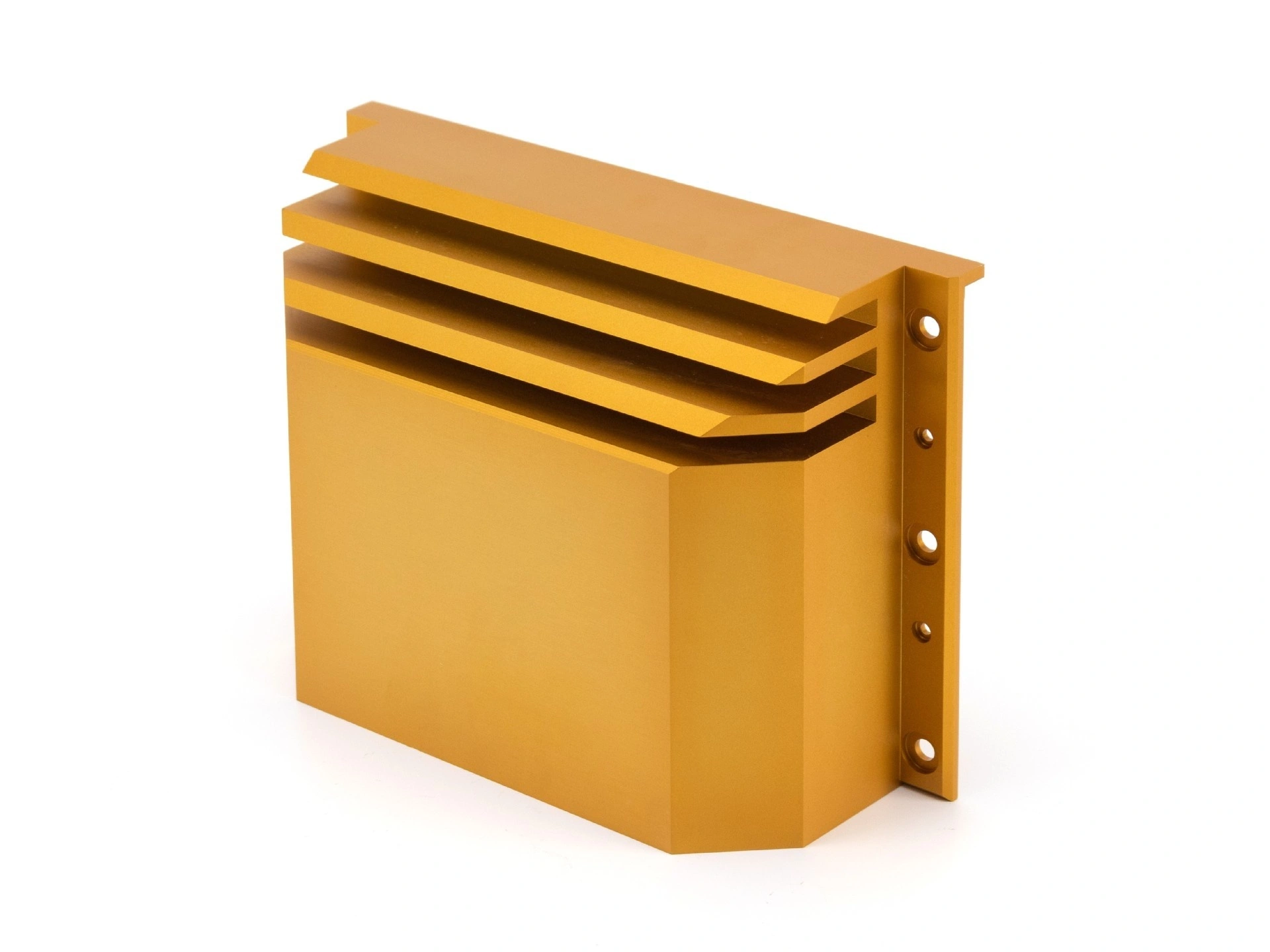
What surface finishes are available for CNC milled parts?
Available surface finishes for CNC milled parts include as-machined, bead blasting, sandblasting, polishing, brushing, anodizing, powder coating, painting, electroplating, passivation, electropolishing, black oxide, and specialty coatings. Choose by material, environment, wear, appearance, friction, conductivity, cleanliness, coating thickness, masking, and tolerance limits. In the RFQ, state the finish name, appearance target, critical dimensions, masked areas, and validation requirement.
Surface finishing is not only about appearance. It can change corrosion resistance, hardness, wear behavior, reflectivity, cleanability, electrical isolation, coating buildup, and long-term reliability. That is why CNC machined parts surface finishes should be selected with material choice, tolerance targets, and service conditions.
1. Common Surface Finishes for CNC Milled Parts
Finish Type | Main Function | Typical Materials | Buyer Check |
|---|---|---|---|
As-machined | Lowest-cost standard finish | Metals and plastics | Confirm burrs, tool marks, and roughness. |
Bead blasting or sandblasting | Uniform matte texture | Aluminum, steel, stainless steel, titanium | Confirm sample, masking, and edge sensitivity. |
Polishing | Lower roughness and smoother surface | Metals, some plastics | Confirm appearance, friction, or cleanability goal. |
Brushing | Directional satin appearance | Aluminum, stainless steel | Confirm grain direction and visible faces. |
Anodizing | Corrosion protection and harder oxide layer | Aluminum, some titanium applications | Confirm color, thickness, sealing, and masking. |
Powder coating | Durable decorative coating | Aluminum, steel | Check buildup on holes, threads, and mating faces. |
Painting | Color and basic protection | Metals and plastics | Confirm color standard, adhesion, and exposure. |
Electroplating | Corrosion resistance, conductivity, decorative metal layer | Steel, copper alloys, selected metals | Confirm material, thickness, and post-plate dimensions. |
Passivation | Improved corrosion resistance | Stainless steel | Confirm grade and corrosion test need. |
Electropolishing | Smoother and cleaner metallic surface | Stainless steel, titanium, selected alloys | Confirm roughness, cleanability, and removal allowance. |
Black oxide | Mild corrosion protection and dark appearance | Carbon steel, alloy steel | Confirm oiling, corrosion, and cosmetic acceptance. |
2. As-Machined Finish for Functional CNC Parts
The as-machined finish is the most basic and economical option. It keeps the surface in its milled condition after deburring and basic edge treatment. This finish is often acceptable for internal features, prototypes, fixtures, and industrial components where appearance is less important than dimensional accuracy and cost control.
Typical as-machined roughness for milled parts is often in the Ra 3.2 µm to Ra 1.6 µm range, depending on tool condition, step-over, material, and finishing pass strategy. Sealing, sliding, or cosmetic surfaces usually need a separate finishing step.
3. Blasted, Polished, and Brushed Finishes for Appearance and Texture
Sandblasting and bead blasting create a uniform matte appearance and reduce visible tool marks. They are common on aluminum housings, stainless components, and cosmetic covers, but masking may be needed where texture affects fits, threads, or sealing surfaces.
Polishing is chosen when a smoother, lower-roughness surface is required for appearance, friction, or easier cleaning. Brushed finishes create a satin directional metallic look, especially on consumer or decorative products. The process logic behind this can be understood through brushing techniques.
4. Anodizing for Aluminum CNC Milled Parts
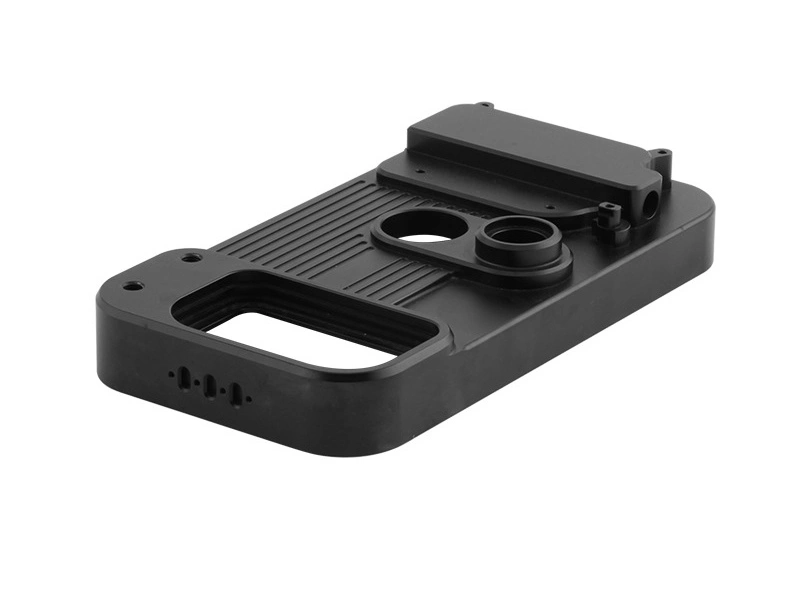
Anodizing is one of the most widely used finishes for aluminum CNC milled parts. It converts the surface into a controlled oxide layer that improves corrosion resistance, surface hardness, and wear behavior. It can also support black, natural, clear, or colored finishes for cosmetic applications.
Anodizing is useful for housings, brackets, consumer parts, aerospace-adjacent components, and outdoor parts. Because anodizing changes the surface layer and can affect fit, precision bores, threads, conductive zones, and mating surfaces may need masking or tolerance compensation.
5. Powder Coating and Painting for Protective Decorative Finishes
Powder coating provides a thicker decorative layer than many liquid paint systems. It is often used on aluminum and steel parts that need color, outdoor durability, and impact resistance. Because coating thickness can be significant compared with tight machining tolerances, powder coating is usually better for non-precision external surfaces than closely fitted interfaces.
Painting is used when color and general protection are required. It can suit consumer products, equipment covers, and branded external components, although it generally does not provide the same wear resistance as hard anodizing or some engineered coatings.
6. Passivation and Electropolishing for Stainless Steel Parts
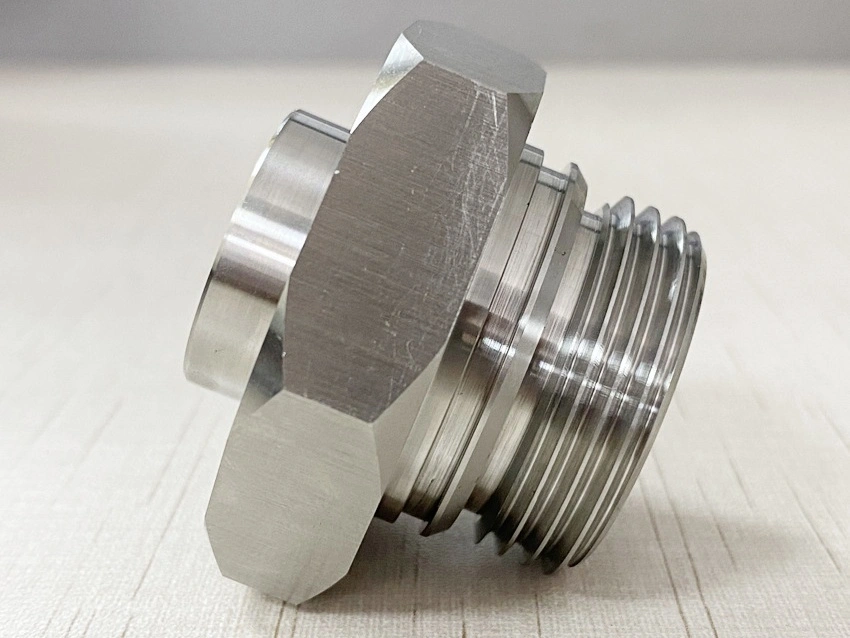
For stainless steel CNC milled parts, important finishes include passivation and electropolishing. Passivation removes free iron contamination and supports the natural passive surface without major appearance change. Electropolishing removes microscopic peaks, improves cleanability, and often produces a brighter surface.
These finishes are common in medical, food-contact, marine, and sanitary applications where corrosion resistance and cleanliness are critical. They are also useful when lower particle retention, easier washdown, or verified stainless corrosion performance is required.
7. Plating, Black Oxide, and Conversion Finishes for Steel and Alloy Parts
Electroplating can add nickel, chrome, zinc, or other metallic layers for corrosion resistance, conductivity, solderability, wear behavior, or appearance. It is common for connectors, hardware, wear surfaces, and decorative parts, but thickness and edge buildup should be reviewed on precision features.
Black oxide is used for carbon steel and alloy steel when a dark appearance and light corrosion protection are desired. Other protective finishes such as phosphating, chrome plating, and galvanizing may be selected according to steel grade, dimensional tolerance, and service environment.
8. Specialty Finishes for Wear, Temperature, and Friction Control
Some CNC milled parts need more than cosmetic or basic corrosion protection. High-temperature parts may require thermal coatings or thermal barrier coatings. Low-friction or chemically resistant parts may use Teflon coating. Wear-resistant surfaces may also use PVD coatings or nitriding depending on substrate and functional need.
These finishes are application-driven and should be selected by friction, temperature, hardness, chemical exposure, lifecycle requirement, and allowable dimensional change rather than appearance alone.
9. Finishes for Plastic CNC Milled Parts
Plastic CNC milled parts can receive finishing treatments depending on material and use. Aesthetic coatings, UV-protective layers, and anti-wear surfaces may be applied where needed. For broader background, surface treatment for plastic parts and UV coating are useful references.
Not every plastic benefits from coating in the same way. In some engineering plastics, the best finish remains a controlled machined surface when dimensional stability, chemical compatibility, or low contamination is more important than color or gloss.
10. How to Choose the Right Surface Finish
If your priority is... | Recommended Finish Options |
|---|---|
Lowest cost and fast delivery | As-machined, basic deburring |
Uniform matte appearance | Bead blasting, sandblasting, brushing |
Corrosion protection for aluminum | Anodizing, powder coating |
Corrosion protection for stainless steel | Passivation, electropolishing |
Decorative color finish | Anodizing, painting, powder coating |
Smoother or brighter metallic surface | Polishing, electropolishing |
Wear or heat resistance | PVD, nitriding, thermal coatings, specialty coatings |
Low friction or chemical resistance | Teflon coating and other functional coatings |
11. Surface Finish RFQ Guide
CNC milled parts can use many finishes depending on material and function. As-machined surfaces control cost. Blasting, polishing, and brushing adjust texture. Anodizing suits many aluminum parts. Passivation and electropolishing suit stainless steel corrosion and cleanliness needs. Powder coating, painting, plating, black oxide, and specialty coatings are chosen when protection, appearance, wear, friction, or heat resistance matters.
The best finish matches material, service environment, tolerance, and inspection requirement. For accurate quoting, provide the finish name, color or texture target, roughness requirement, masking zones, critical dimensions after finishing, corrosion expectation, cosmetic sample need, and any functional test the finish must satisfy.