Why is CNC milling suitable for aerospace components?
Why is CNC milling suitable for aerospace components?
CNC milling is suitable for aerospace components because it can machine controlled datums, lightweight pockets, accurate hole patterns, stable mounting faces, and material-specific features from demanding alloys. The fit is strongest when the drawing defines functional dimensions, datum references, surface requirements, material condition, and inspection records; very thin walls, heat-sensitive cuts, and multi-setup geometry still need careful process validation.
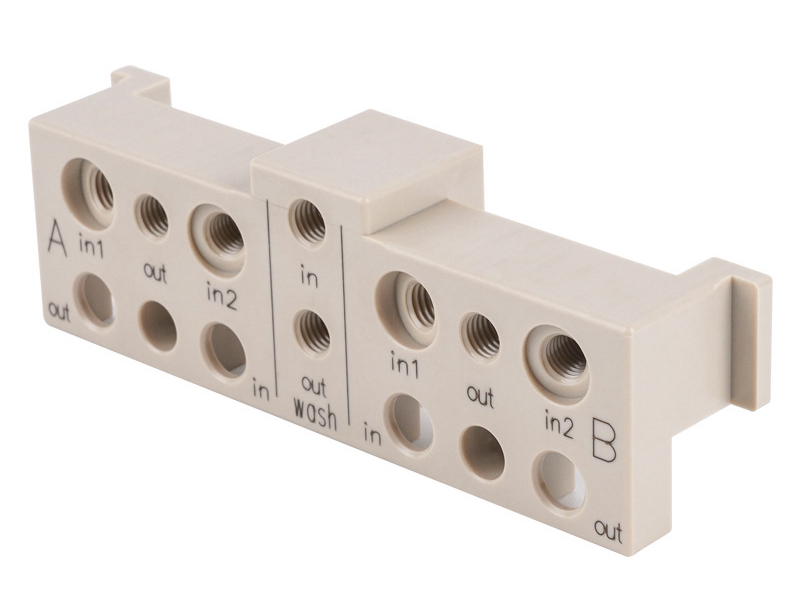
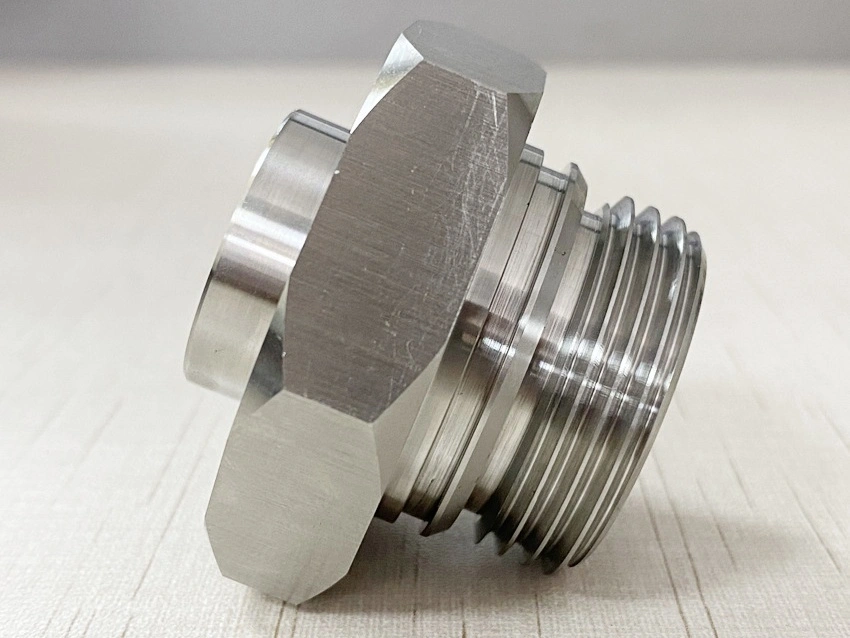
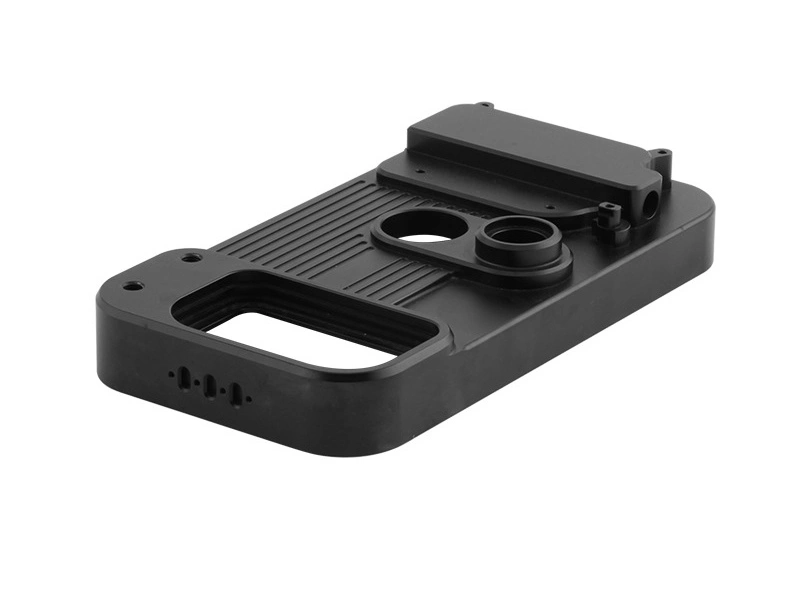
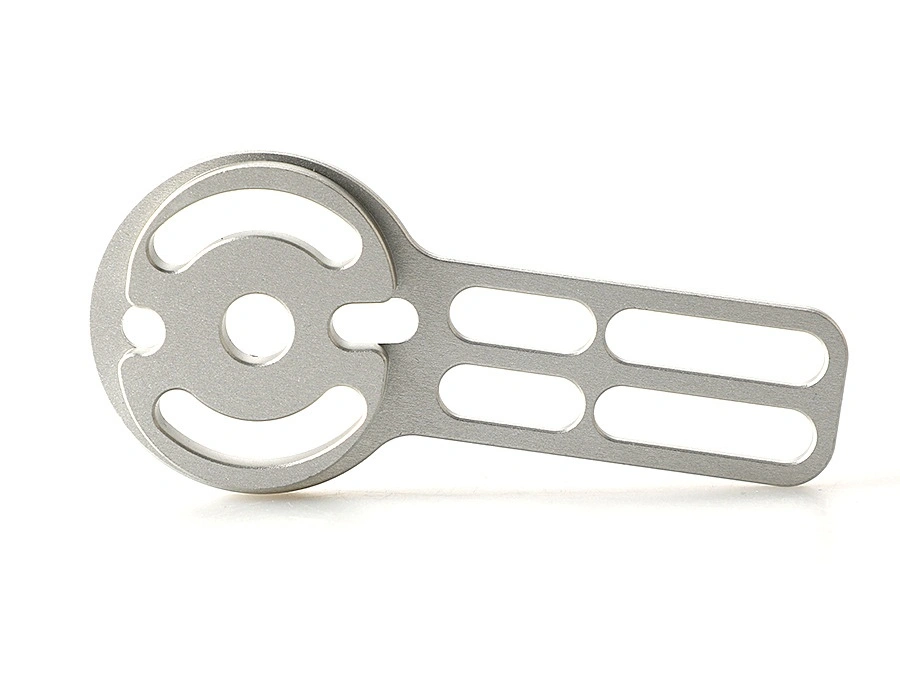
This makes CNC milling useful for structural brackets, housings, mounting interfaces, frames, actuator parts, precision supports, and turbine-adjacent machined components. The process can be planned around aerospace materials such as titanium, aluminum, stainless steel, and superalloy grades when the RFQ states alloy, heat treatment, critical features, and required documentation.
1. Aerospace Parts Need High Dimensional Accuracy
Aerospace assemblies use CNC milling when feature relationships are more important than isolated size. A bracket hole pattern, sealing face, mounting plane, or bearing interface can affect alignment, load transfer, vibration behavior, and repeatable assembly. Milling fits this work when fixturing, toolpath order, and inspection datums are planned before cutting.
This is why machining tolerances for aerospace parts should be read with geometry and datum control in mind. A dimension can pass a caliper check and still fail if hole position, flatness, or profile is measured from the wrong reference.
Aerospace Requirement | Why CNC Milling Fits |
|---|---|
Tight dimensional control | Useful when critical sizes are tied to a defined setup, tool strategy, and inspection method. |
Accurate hole location | Supports bolt patterns, dowel references, and load-path alignment when datums are clear. |
Stable datum surfaces | Helps keep multi-part integration reliable after roughing, finishing, and unclamping. |
Controlled profile geometry | Allows structural or aerodynamic faces to be checked against drawing-defined surfaces. |
2. Aerospace Parts Often Have Complex Geometries
CNC milling is suitable for aerospace geometries that combine pockets, compound-angle faces, multi-side features, deep cavities, thin ribs, and contoured surfaces. The main advantage is controlled material removal from a solid blank while preserving the functional features that drive assembly and load transfer.
When tool access becomes difficult, multi-axis machining can reduce setup count, shorten unsupported tool reach, and lower tolerance stack-up across angled faces. The buyer still needs to mark which faces are functional, because not every visible surface should carry the same tolerance or inspection burden.
3. CNC Milling Supports Lightweight Aerospace Design
CNC milling supports lightweight aerospace design by removing material from noncritical zones while protecting ribs, bosses, mounting pads, and other load-bearing features. Thin walls and deep pockets can reduce mass, but poor roughing order or clamping pressure can leave the part distorted after release.
This is especially relevant for aerospace-grade Aluminum 7075, Aluminum 6061, and high-strength Ti-6Al-4V (TC4) applications. RFQs should identify wall thickness, pocket depth, finishing allowance, and stress-relief or heat-treatment state when those conditions affect dimensional stability.
Design Priority | How CNC Milling Helps |
|---|---|
Lower structural weight | Machines pockets and ribs while keeping load paths and mounting pads controlled. |
Higher stiffness-to-weight ratio | Allows selective material removal instead of weakening every section equally. |
Precision mating with lightweight geometry | Keeps datum faces and fastener locations separate from cosmetic or weight-relief surfaces. |
4. CNC Milling Can Machine High-Performance Aerospace Materials
CNC milling suits aerospace materials because cutting strategy can be adjusted to alloy behavior. Aluminum alloys favor efficient chip evacuation and distortion control. Titanium alloys need heat control, sharp tooling, and stable engagement. Stainless steels and superalloys may require lower cutting aggressiveness, rigid setups, and closer tool-wear monitoring.
For example, titanium CNC machining is valuable where strength-to-weight ratio and corrosion resistance matter, but titanium cannot be treated like aluminum. Likewise, superalloy CNC machining supports hotter or higher-load environments only when the material condition, tool wear plan, and inspection requirements are defined.
5. Aerospace Components Need Good Surface Integrity, Not Just Size Accuracy
Aerospace components need CNC milling plans that protect surface integrity as well as dimensions. Tool marks, burrs, heat-affected edges, residual stress, and rough transitions can affect fatigue performance, sealing behavior, coating adhesion, and assembly fit, especially near holes, fillets, and thin sections.
This matters for fatigue-sensitive parts, precision mounting interfaces, and areas that will receive anodizing, passivation, coating, or other finishing. The broader relationship between tolerance, finish, and verification is reflected in quality control and in aerospace-focused aerospace machining requirements.
6. Repeatability and Traceability Matter in Aerospace Production
CNC milling supports aerospace production when the same machining logic, fixture references, tool offsets, and inspection plan can be repeated across prototypes, qualification parts, replacement parts, and controlled production lots. Repeatability depends on the process record, not only on the CNC program.
If a buyer requires material traceability, dimensional reports, or an AS9102-style first article inspection package, that requirement should be stated before quotation. Combined with structured inspection, CNC milling helps connect the machined feature, drawing requirement, and acceptance record without implying that every supplier or every part automatically meets aerospace documentation rules.
Aerospace Production Need | Why CNC Milling Supports It |
|---|---|
Repeatable geometry across batches | Uses stable toolpaths, fixture references, and offset control when the route is documented. |
Inspection-driven manufacturing | Allows critical features to be checked against the same drawing datums used for machining. |
Controlled documentation | Supports material, process, and dimensional records when they are required in the order. |
Prototype-to-production continuity | Keeps geometry logic consistent while fixtures, inspection depth, and lot controls evolve. |
7. CNC Milling Is Effective for Both Prototypes and Production Aerospace Parts
CNC milling is effective across aerospace development because it can produce one-off development parts, low-volume validation hardware, and repeatable production components without dedicated mold tooling. That flexibility is useful while geometry, material choice, weight targets, and inspection requirements are still being refined.
The strongest prototype-to-production plan records which features were proven on early parts and which controls must change for production. This is why CNC machining prototyping and low volume manufacturing are relevant to many aerospace workflows.
8. Typical Aerospace Components Well Suited to CNC Milling
Component Type | Why CNC Milling Is Suitable |
|---|---|
Structural brackets | Useful when low mass, accurate holes, edge control, and mounting-plane flatness are all needed. |
Housings and covers | Fits multi-face parts with sealing lands, fasteners, pockets, and datum-controlled covers. |
Actuator and support parts | Controls bores, bearing seats, support pads, and aligned features under load-transfer requirements. |
Instrument and sensor mounts | Maintains repeatable sensor position when datum surfaces and threaded features are inspected. |
Complex lightweight frames | Combines pocketing, rib machining, finishing allowance, and distortion checks in one route. |
9. Summary
CNC milling is suitable for aerospace components because the process can connect dimensional accuracy, lightweight geometry, aerospace alloy machining, surface integrity, repeatability, and documentation into one controlled manufacturing route. The best applications are parts where datums, holes, mounting faces, pockets, or material behavior directly affect assembly or service performance.
Before quoting, the buyer should provide the exact alloy and condition, drawing datums, critical dimensions, surface finish, finishing process, inspection report needs, and any first article or traceability requirement. Those inputs let the supplier judge whether 3-axis, multi-axis, prototype, or production milling is the right route for the aerospace component.