How does CNC milling support rapid prototyping and low-volume production?
How does CNC milling support rapid prototyping and low-volume production?
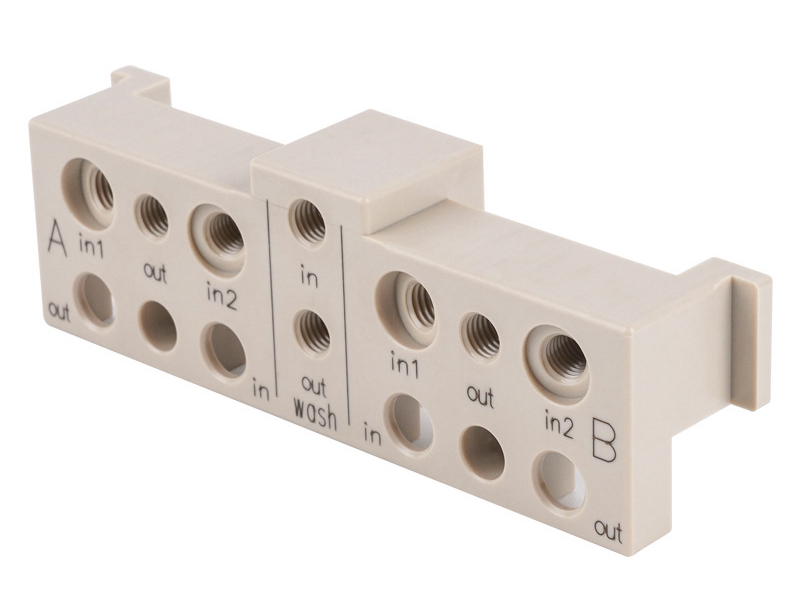
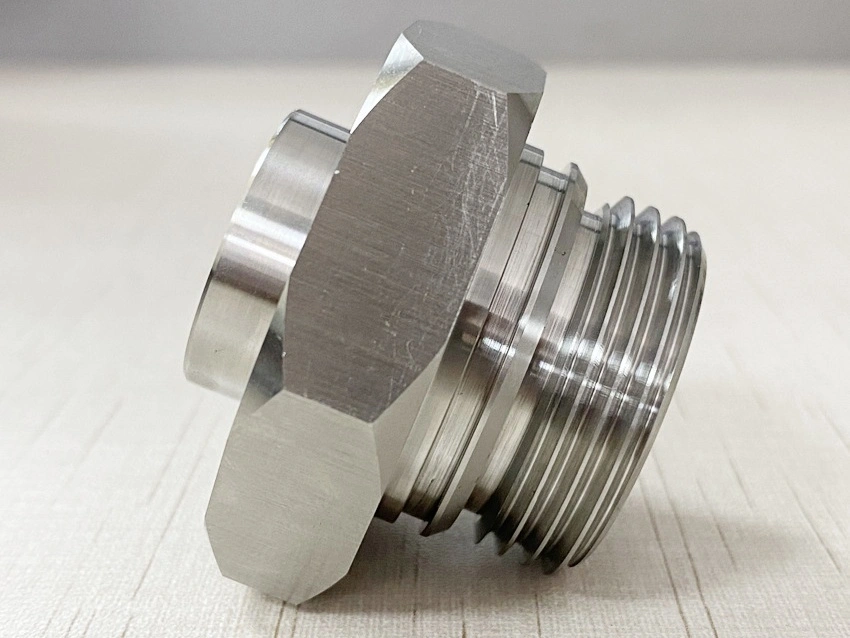
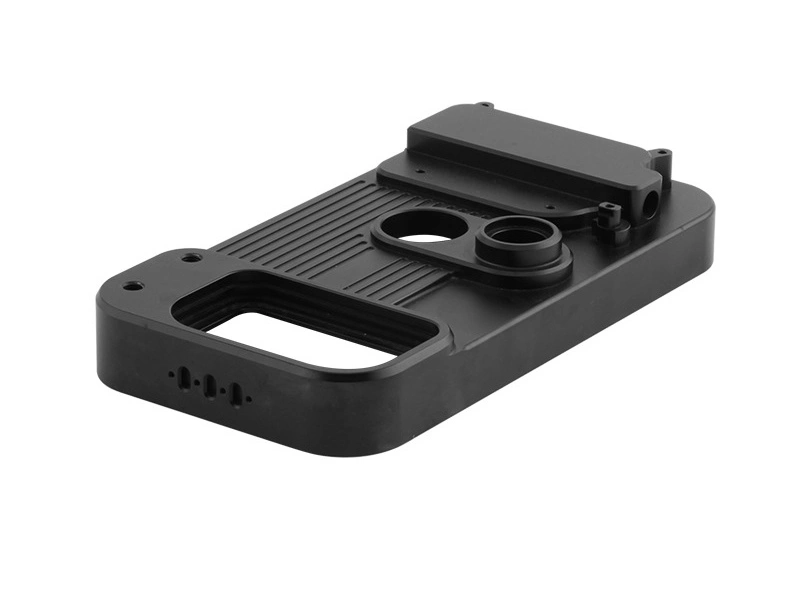
CNC milling supports rapid prototyping and low-volume production by making real-material parts from CAD without hard tooling, so teams can validate fit, strength, surface condition, and inspection requirements before committing to molds or high-volume routes. The process works best when the RFQ states revision level, material, critical features, quantity, finish, and test purpose.
In practical manufacturing, CNC milling is strongest when buyers need controlled tolerances, production-grade materials, and functional performance in quantities from one prototype to small controlled batches. This is why CNC machining prototyping and low-volume manufacturing are used for product development, pilot builds, bridge production, replacement parts, and custom engineering work.
1. No Hard Tooling Is Required
CNC milling supports prototype and low-volume work because molds, dies, and dedicated forming tools are not required. Once the CAD model, material, machining datum plan, and toolpath strategy are ready, parts can be machined from billet, plate, bar, or near-net stock.
That matters when demand is uncertain or only 1 to 100 engineering parts are needed. CNC milling lets engineers validate geometry and function first, then decide whether tooling-based production is justified. The key limitation is per-part cost: once the design and demand are stable, tooling may become more economical.
Production Method | Tooling Requirement | Best Fit |
|---|---|---|
CNC milling | Minimal dedicated tooling | Prototypes, engineering samples, bridge lots, and revised small batches. |
Tooling-based process | High upfront tooling investment | Stable higher-volume production after design and demand are proven. |
2. CAD-to-Part Turnaround Is Fast
CNC milling shortens CAD-to-part turnaround because programming, fixturing, machining, deburring, finishing, and inspection can begin without waiting for mold fabrication. That does not remove process planning, but it removes the longest tooling preparation step.
Speed is most useful when the project is still changing. A revised CAD model can usually be reprogrammed faster than a mold can be remade. This workflow is one reason CNC machining order workflow logic is effective in prototype-driven development.
3. Design Iterations Are Easier and Less Expensive
CNC milling supports design iteration because geometry changes usually require updated programming, not replacement tooling. Hole locations, wall thickness, stock allowance, edge breaks, and assembly interfaces can be revised between builds as long as the new geometry remains machinable.
This flexibility controls the cost of learning. Teams can compare several versions, record test results, and freeze the production intent after evidence is available. A common failure mode is releasing a design after only a visual prototype; functional prototypes need the same material, datum logic, and inspection focus as the features being tested.
Development Need | How CNC Milling Helps |
|---|---|
Design revision | Updated geometry can be machined from the next CAD release. |
Functional testing | Uses real material, real geometry, and drawing-driven inspection. |
Assembly validation | Confirms fit, datum alignment, sealing faces, and interface accuracy. |
Engineering optimization | Lets teams adjust features before tooling or production release. |
4. Functional Prototypes Can Use Production-Grade Materials
CNC milling supports functional prototypes because parts can be made from the same or similar materials intended for final use, including aluminum, stainless steel, titanium, carbon steel, engineering plastics, and even ceramics for selected applications.
This means the prototype can test stiffness, weight, thread behavior, sealing, wear, thermal response, and finishing compatibility. Buyers should not assume a visual prototype proves production performance. The RFQ should state whether the part is for appearance review, fit check, functional testing, regulatory validation, or bridge production.
5. Tight Tolerances Can Be Maintained Even in Small Batches
CNC milling supports small-batch precision when prototype or pilot parts must fit existing assemblies, seal properly, guide motion, or hold position relative to other parts. The advantage is not a universal tolerance guarantee; it is the ability to focus process control on the few features that carry function.
General prototype surfaces can often use broader machining tolerances, while critical interfaces may need controlled datums, finishing allowances, and inspection reports. That makes CNC milling useful when buyers need small quantities without treating every surface as equally critical. This precision logic is closely related to machining tolerances and quality control.
6. Low-Volume Production Is Economical Before Scaling Up
CNC milling fits the stage between prototype and mass production when demand, design, or qualification status is not fully stable. This stage may include pilot runs, market testing, pre-production launch, replacement parts, specialized equipment builds, or custom-configured variants.
Low-volume CNC production can be practical for quantities such as 10, 20, 50, or 200 units when the part is complex, revised often, or not yet ready for tooling amortization. The buyer should compare total project cost, not only unit price, because tooling risk, engineering changes, inventory exposure, and inspection depth all affect the decision.
Production Stage | Why CNC Milling Fits |
|---|---|
Prototype build | Creates test parts before tooling decisions are made. |
Pilot run | Supports engineering validation, inspection planning, and controlled small-batch release. |
Bridge production | Supplies parts while mass-production tooling or supplier transfer is still underway. |
Custom low-volume orders | Fits specialized variants with limited demand or frequent configuration changes. |
7. CNC Milling Works Well for Complex Geometries in Small-Quantity Parts
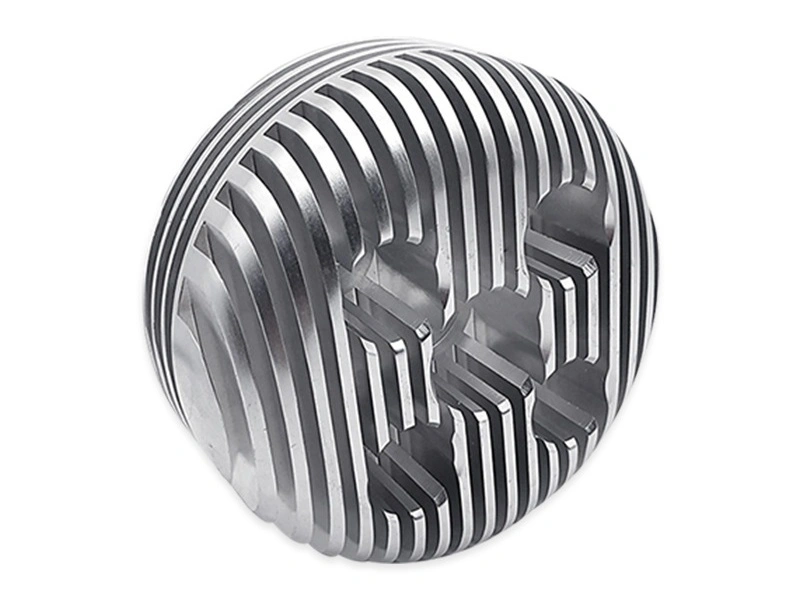
CNC milling works well for low-quantity parts with multiple machined faces, pockets, datums, threaded features, sealing lands, or complex profiles. It can preserve the intended geometry without simplifying the design only to suit a mold or forming tool.
When part access becomes difficult, multi-axis machining can reduce setup count and protect feature relationships across the part. That makes CNC milling valuable when low-volume parts still require precise datum transfer, surface finish control, and inspection evidence.
8. It Supports a Smoother Prototype-to-Production Transition
CNC milling supports a smoother prototype-to-production transition because the same CAD model, material target, and inspection learning can carry from the first sample into pilot lots. The process gives engineers evidence before they freeze geometry, change manufacturing method, or transfer the part to another supplier.
Lessons from CNC prototype manufacturing can improve DFM for CNC machining, including wall thickness, corner radius, thread access, finishing allowance, and inspection datum choices. The handoff is strongest when test results, drawing revisions, and noncritical surfaces are documented.
9. Summary
Benefit | Why It Supports Prototyping and Low-Volume Work |
|---|---|
No hard tooling needed | Reduces startup risk before demand and geometry are proven. |
Fast CAD-driven production | Moves revised designs into machined samples quickly. |
Easy design iteration | Supports engineering changes without replacing a mold. |
Real production materials | Allows functional tests with realistic strength, fit, and finish behavior. |
Precision in small batches | Focuses tolerance and inspection effort on critical features. |
Economical bridge production | Works before tooling, demand, or design status is stable. |
CNC milling supports rapid prototyping and low-volume production by combining fast CAD-driven setup, real-material testing, revision flexibility, small-batch precision, and bridge-production economics without dedicated hard tooling. For the best result, the RFQ should include revision status, quantity, material, critical surfaces, test purpose, finish, and inspection expectations.