Resin and Thermoplastic 3D Printing Service | Get A Quote
Introduction: Matching the Best Plastic 3D Printing Solution to Your Ideas and Projects
Resin and thermoplastic 3D printing services are a practical fit for fast prototypes, complex plastic geometry, functional trials, and low-volume parts when the selected material and process match the real acceptance conditions. Choose SLA when fine detail and smooth cosmetic surfaces matter and the named resin can tolerate the duty. Choose SLS for complex nylon parts and nested batches when powder removal, conditioning, and surface texture are manageable. Choose FDM for large models, fixtures, and selected engineering thermoplastics when layer-direction strength and support marks are acceptable. A useful quote therefore depends on part size, wall and gap geometry, material grade, loaded direction, heat and chemical exposure, finish, critical dimensions, inspection stage, and quantity. Send the controlled STL or STEP revision, drawing requirements, cosmetic faces, and the test that separates an acceptable part from a merely printable one.
Core Technology Overview: Process Principles and Features of SLA, SLS, and FDM
SLA, SLS, and FDM build plastic parts layer by layer, but they create different failure modes and cost drivers. Route selection should lock a material, process, orientation, post-processing sequence, and inspection stage rather than rank three technology names by brochure accuracy. Build feasibility and delivered-part acceptance are separate decisions. A slicer can accept the model while post-cure movement, trapped powder, warp, support damage, or finish buildup still rejects the part. Each route therefore needs a defined failure check and a delivered-condition inspection.
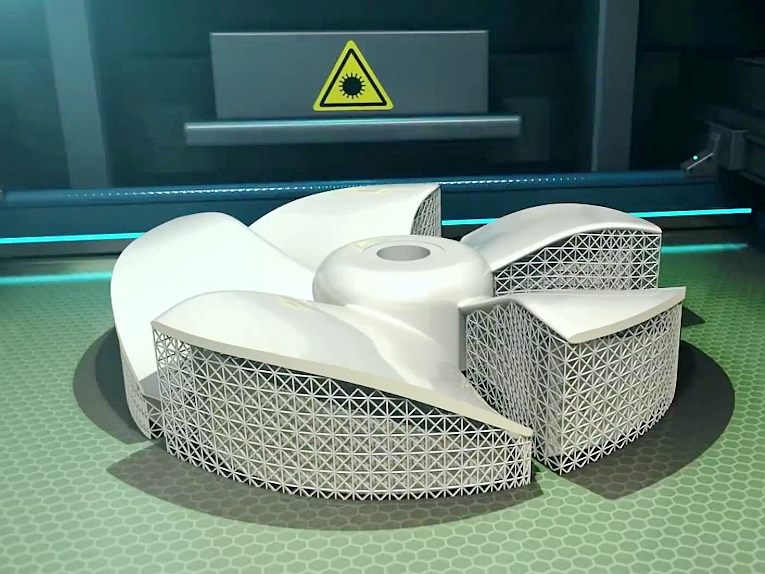
SLA (Stereolithography): Known for Detail and Surface Quality SLA uses a laser or projected light source to cure liquid photopolymer resin layer by layer. The route suits fine text, small cosmetic features, transparent or translucent appearance models, and master patterns when the specified resin and post-cure condition support the intended use. Washing, support removal, and post-curing are part of the manufacturing definition, not optional cleanup. Trapped resin, support scars, local curl, thin-feature breakage, and post-cure movement can make a visually complete build unacceptable. Identify best-face surfaces, sealed cavities, small holes, thin pins, and support-sensitive zones in the RFQ. Inspect critical dimensions from drawing datums after the required post-cure and finishing steps, then perform the fit or short functional test that governs approval.
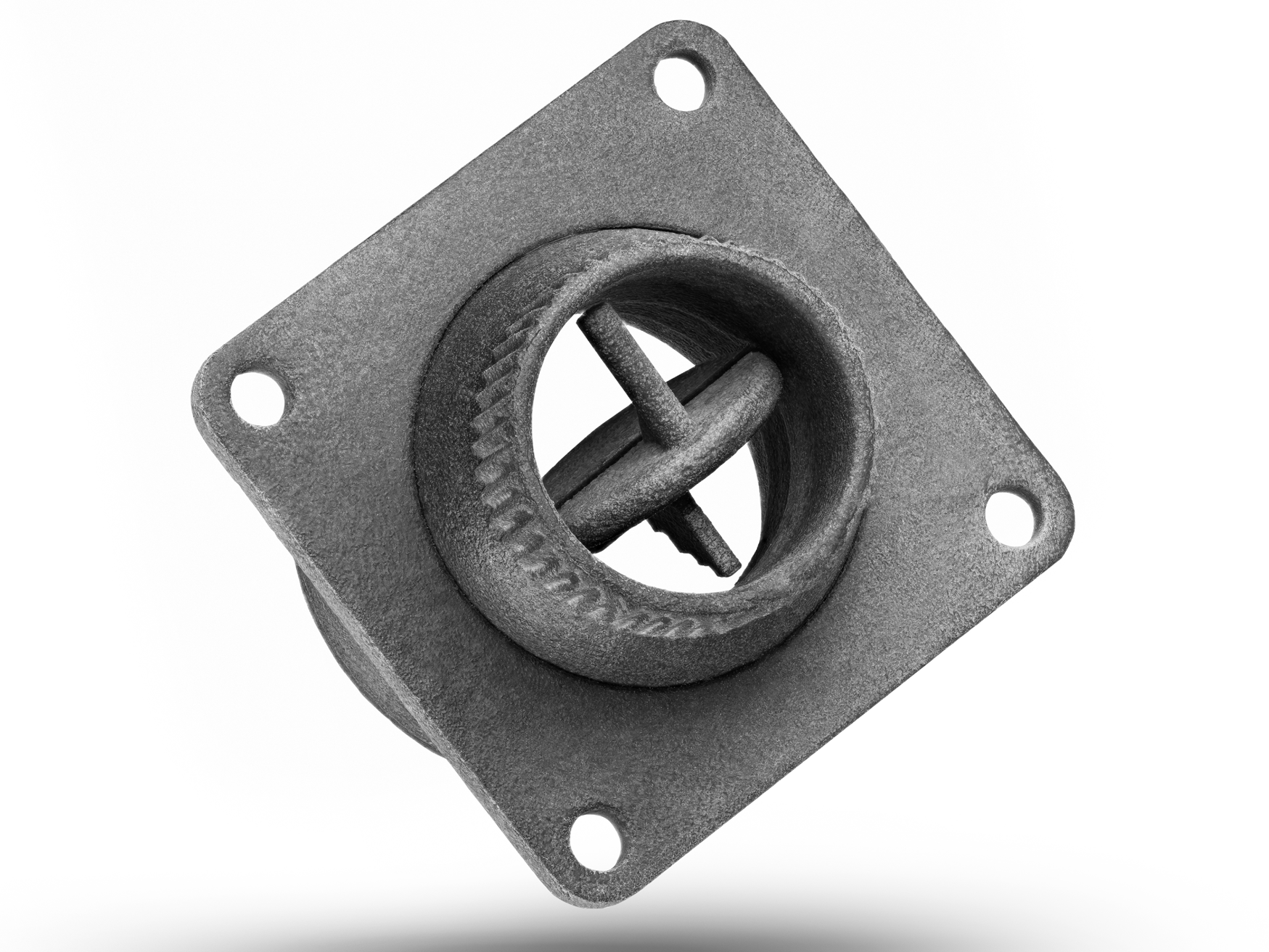
SLS (Selective Laser Sintering): A Strong Performer for Functional and Integrated Parts SLS uses a laser to fuse thermoplastic powder, commonly a named nylon or polyamide formulation, within a heated powder bed. Unfused powder supports the geometry, which enables nested parts, undercuts, hinges, clips, housings, and internal passages without separate support structures. That freedom does not remove process risk. Thermal history, powder condition, packing, build location, cooling, depowdering, moisture conditioning, and finishing can influence curl, dimensions, texture, and mechanical response. Internal passages also fail the route screen when loose powder cannot be removed or cleanliness cannot be verified. For functional or low-volume quotes, define load direction, clip or hinge duty, boss loads, mating datums, powder escape, finish, and inspection after the final conditioning or dyeing step.
FDM (Fused Deposition Modeling): A Cost-Effective Tool for Rapid Validation. FDM melts thermoplastic filament such as ABS, PC, nylon, or a qualified high-performance grade and deposits the material through a nozzle. It is practical for large concept models, routing aids, fixtures, simple housings, and early assembly checks. Bead direction, chamber conditions, material drying, support strategy, wall paths, and infill influence the result. Warping can move datums, poor interlayer bonding can open under load, and support removal can damage holes or cosmetic faces. Z-direction behavior must therefore be tested when clips, screws, clamp loads, heat, or solvents matter. The RFQ should specify the exact filament grade, orientation controls, critical interfaces, insert locations, delivery condition, and an assembly or load test performed on the finished part.
Material Selection Guide: From Rigid Resins to Engineering-Grade Nylon
Technology defines the forming route; the named material and its printed condition determine whether the part survives handling, assembly, heat, sunlight, chemicals, moisture, or repeated flexing. A generic resin or polymer name is not enough because printed properties depend on formulation, equipment, build direction, conditioning, and post-processing. Supplier datasheets can screen a formulation, but coupon properties do not certify a part with different wall thickness, orientation, moisture state, or finishing. Use the datasheet to select candidates, then validate the actual geometry and delivered condition against its load and environment.
Photopolymer Resin Family: Use resin for premium surfaces or application-specific prototype behavior only after the exact formulation and post-cure schedule are defined. Standard SLA resins support visual and physical checks before CNC Machining Prototyping. Tough or durable resins can support snap-fit and housing trials, but marketing names do not make them direct substitutes for molded PP, ABS, or PC. High-temperature formulations can support a stated thermal test only when exposure time, temperature, load, geometry, and cured condition match the evidence. The quote should identify resin revision, color, wash and cure requirements, service environment, and whether the part is cosmetic, sacrificial, or functionally loaded.
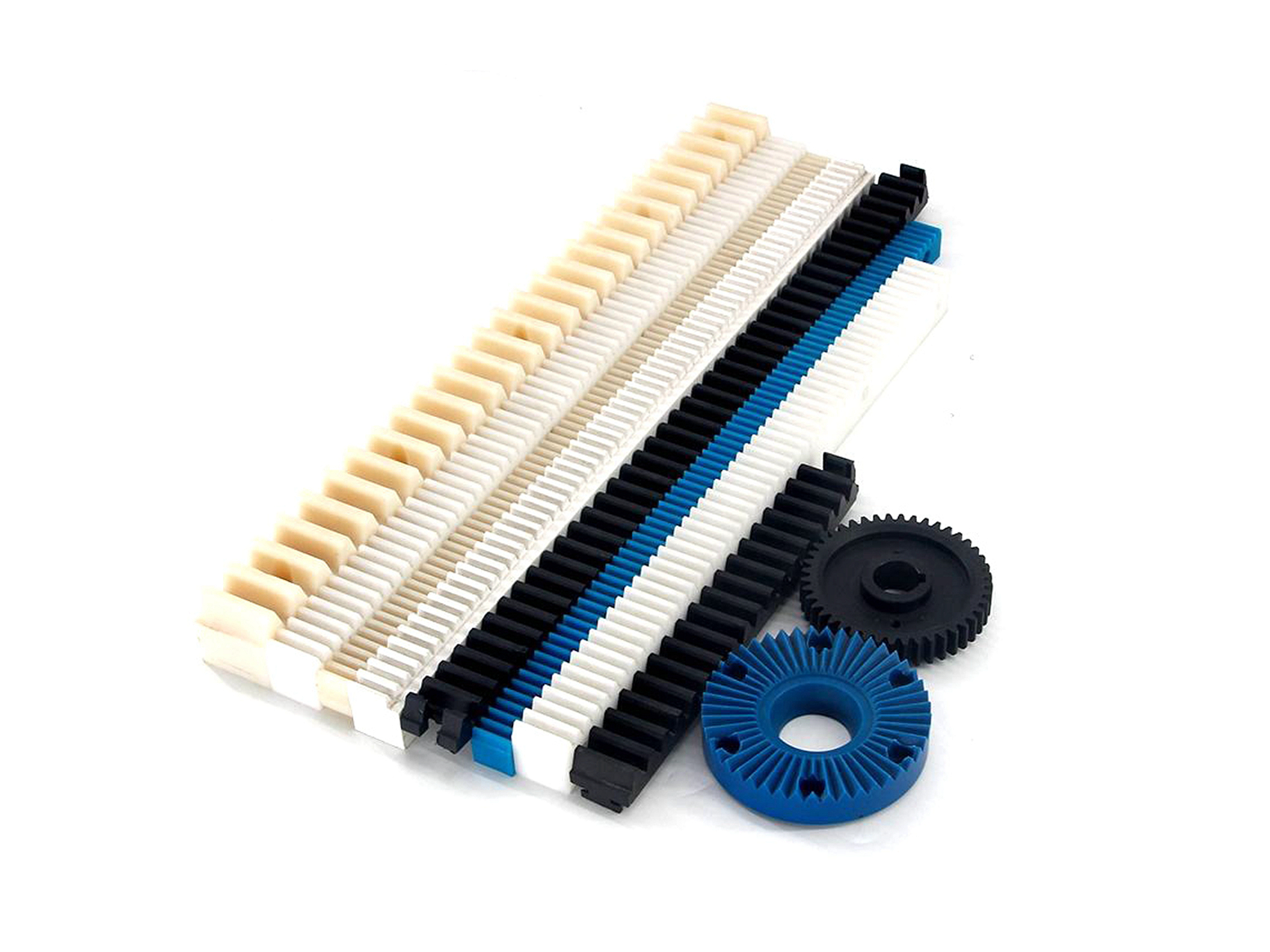
Nylon Powder Materials: Use the exact powder formulation rather than treating all SLS nylon as one material. PA12 often balances stiffness, toughness, and process stability for Prototyping Service and controlled low-volume parts. PA11 can be considered where flexibility and impact response matter, while filled grades can shift stiffness, heat response, brittleness, surface texture, dye uptake, and secondary machining behavior. Moisture condition and finishing can also move dimensions or fits. The RFQ should state clip cycles, temperature and humidity exposure, thread inserts, sealing requirements, dyeing, tumbling, cleanliness, and the conditioning state used for final inspection.
FDM Engineering Thermoplastic Filaments FDM supports broad thermoplastic families, but the exact filament, printer, chamber, drying practice, nozzle, build direction, and annealing or conditioning route control performance. ABS is useful for economical functional models when warpage and finish are acceptable. PC can support heat and impact duties under qualified conditions, but a printed PC part is not automatically optically clear or equivalent to molded or machined stock. High-performance materials such as PEEK (Polyether Ether Ketone) require tighter thermal and moisture control. Compare printed PEEK with machined PEEK only after crystallinity, voids, orientation, surface condition, critical dimensions, and service loads are defined and tested.
How to Choose? SLA vs. SLS vs. FDM Comparative Table
Use this table to select a starting route, not to award a universal winner. Layer height is not a finished-part tolerance, surface texture is not dimensional acceptance, and printer resolution is not evidence that a datum-controlled feature will pass after finishing.
Attribute | SLA (Stereolithography) | SLS (Selective Laser Sintering) | FDM (Fused Deposition) |
|---|---|---|---|
Accuracy and finish fit | Strong starting route for fine detail and smooth cosmetic faces; inspect after wash, post-cure, support removal, and any coating. | Useful for functional nylon geometry; dimensions and texture depend on powder, cooling, depowdering, conditioning, and finish. | Useful for fixtures and large prototypes; nozzle, bead path, orientation, warp, and support removal limit fine interfaces. |
Strength and load direction | Named engineering resins can support short tests; fatigue, UV, moisture, heat, and sustained load remain formulation-specific. | Practical for qualified clips, housings, ducts, and nylon end-use parts when powder history, conditioning, and duty are controlled. | Directional bead bonding controls many failures; test the weakest relevant direction after the specified conditioning. |
Geometry and support risk | Supports can mark best-face surfaces; trapped resin, sealed cavities, thin pins, and delicate edges need planned access. | Powder supports complex shapes and nesting, but enclosed passages need an escape and cleanliness verification route. | Open geometry is easier; overhangs, enclosed spaces, tall thin walls, and supports add warp or finish risk. |
Best buyer use case | Appearance review, ergonomic samples, transparent effects, detailed housings, and master patterns under controlled exposure. | Functional nylon prototypes, nested batches, integrated clips, ducts, covers, hinges, and powder-accessible channels. | Large concept models, routing fixtures, shop aids, simple brackets, packaging checks, and early functional trials. |
RFQ information to confirm | Resin revision, best face, color or clarity, post-cure, support zones, critical datums, and cosmetic acceptance. | Powder grade, wall and gap geometry, clip duty, moisture state, powder escape, finish, and final inspection stage. | Filament grade, drying, orientation, wall paths, infill, inserts, support zones, heat exposure, and load test. |
Cost and production fit | Good when detail or appearance carries more value than wash, cure, support removal, and cosmetic finishing labor. | Good when nested functional geometry offsets depowdering, conditioning, finishing, inspection, and repeat-build controls. | Good for early validation and tooling aids; heavy finishing, tight interfaces, or weak-direction risk can erase the saving. |
Decision Path:
When the top priority is fine detail, smooth surfaces, display models, clear or translucent effects, or cosmetic approval, choose SLA, then define the resin revision, support-contact zones, post-cure condition, finish sample, and final inspection stage.
When functional testing, integrated nylon geometry, internal channels, snap-fits, or low-volume manufacturing Service is the main goal, SLS is a practical starting route. Confirm powder escape, loaded direction, moisture condition, finishing, critical datums, and functional acceptance tests.
When budget is limited, part size is large, or the buyer only needs quick validation of simple designs, FDM can be economical. Review orientation, warp, support removal, and inserts before relying on threads, clips, tall bosses, or heated interfaces.
Common Post-Processing and Finishing Options for Plastic 3D Printing
Post-processing must solve a defined requirement such as powder removal, support removal, smoothing, color, sealing, UV protection, wear control, or final inspection. Finishing can improve appearance while rounding edges, filling holes, changing fits, trapping media, or concealing a defect. Sequence controls the evidence. Inspect a machined or masked interface after the operation that can change it, and clean internal passages before a coating can hide residue. The RFQ should name the delivered condition and ownership at each release between print, finish, optional machining, and inspection.
Support Removal and Basic Sanding: SLA and FDM support contact can scar best-face surfaces or damage thin details. SLS requires depowdering and access to internal passages before any cosmetic step. For suitable SLS geometry, CNC Part Tumbling and Deburring can change accessible surface texture, but media can round edges or lodge in passages. Mark sealing lands, small text, sharp datum edges, and no-media zones. Inspect protected interfaces after cleaning and before the part moves to coloring or assembly.
Surface Smoothing and Coloring:
For SLA parts, CNC Part Polishing Service can improve selected visible faces when resin, wall support, and feature depth tolerate material removal. Define a finish sample and do not use gloss as evidence of dimensional conformity.
For appearance targets, CNC Part Painting Solution can add color and texture. Mask clips, holes, sealing faces, threads, and mating datums where coating thickness would change assembly. Inspect dimensions after the final coating when the drawing controls the delivered condition.
Performance Enhancement:
For a compatible SLA resin, a UV coating to CNC Plastic Components can be evaluated for surface wear, color, or light exposure. The buyer should define exposure, cleaning chemicals, adhesion, color tolerance, masked interfaces, and inspection timing. A coating cannot correct an unsuitable base resin or unqualified load case.
Typical Application Scenarios for Plastic 3D Printing Services
Consumer Products: SLA and SLS can support appearance review, ergonomic testing, packaging fit, button studies, and small pre-launch batches for electronics, wearables, and appliances. SLA is useful for visual detail; SLS is useful when clips, covers, or hinges need repeated handling. State cosmetic faces, color and texture references, handling cycles, assembly interfaces, and whether the part is an internal trial or a customer-visible sample.
Medical Device: SLA can support anatomical models, surgical-guide prototypes, and ergonomic studies, while qualified nylon or resin routes can support non-implant trial housings and handles. A design-review model is not a validated clinical device. Define patient or skin contact, cleaning, disinfection or sterilization exposure, traceability, material documentation, inspection, and whether the part supports design feedback, verification, or regulated production planning.
Automotive: FDM and SLS can support interior fit checks, routing fixtures, bracket trials, duct mockups, and customized Rapid Molding production aids. Under-hood suitability cannot be judged from room-temperature fit. State temperature-time exposure, vibration, clip and fastener loads, fluids, UV, dimensional datums, and the planned molded or machined production route.
Why Choose Neway for Plastic 3D Printing Services?
The practical reason to consider a Neway quote is to test whether the proposed route connects geometry review, material condition, printing, cleanup, finishing, optional machining, and final inspection without losing the acceptance definition. The response should explain when a printed route remains appropriate and when machined plastics such as Acetal (POM – Polyoxymethylene) or Polycarbonate (PC) better control wear, optical, sealing, or datum requirements. A credible One-Stop Service proposal should identify ownership at each handoff, including STL or STEP review, material revision, orientation, support or powder removal, and finishes such as Sandblasting Processes for CNC Components or CNC Powder Coating Finishes. Consider an engineering scenario, not a Neway customer case: a nylon SLS cover has snap clips, screw bosses, a dyed outer face, and a sealing lip. Orientation must support the clips, boss design must survive the specified fastener load, and cleaning must protect the sealing path. Dyeing or other finishing occurs before the delivered-condition inspection. Approval can require clip cycling at the stated load, boss torque, datum-related sealing-lip dimensions, appearance comparison, and assembly or leak testing. If the route cannot hold those conditions economically, compare Precision Machining Service or Mass Production Service using accepted-part cost, change exposure, tooling, repeatability, inspection, and inventory risk.
Get Your Custom Quote Now: Simple and Transparent Process
An actionable quote starts with a controlled product definition and a stated acceptance plan. Supply native CAD or STEP when analytic faces, threads, fits, or datums matter, and identify the STL revision used for build preparation. State units, quantity, delivery stage, exact material or required properties, process preference, wall and gap risks, loaded direction, service environment, critical dimensions, cosmetic faces, finish, color, and protected areas. The drawing should separate datum-controlled dimensions, surface texture, appearance criteria, and functional tests because those requirements use different evidence. Define whether the supplier may repair the mesh and how a repaired revision will be approved. If process choice remains open, request two route options: the fastest useful prototype and the lowest accepted-risk production route. The supplier response should identify support or powder-removal limits, orientation, conditioning, post-processing, optional interface machining, inspection after the final operation, and assumptions that affect price. Ask for an assumption register with the quote. It should state the controlling file, units, material substitution policy, unsupported tolerances, expected finish, repair authority, inspection basis, and excluded tests. Close these assumptions before purchase order release; otherwise, buyer and supplier can approve different products under the same part number. Compare SLA, SLS, FDM, plastic machining, and molding on accepted-part cost rather than sample price alone. Accepted-part cost includes rejected units, finishing, inspection, assembly, repeat-order controls, inventory, and the cost of a design change. For a functional order, define first-article evidence such as a dimensional report, material identification, finish sample, fit check, torque, load, leak, or environmental test as applicable. For repeat batches, state which material revision, orientation, conditioning, finish route, datums, sampling plan, packaging, and labels must remain fixed. If molding is the likely production route, review draft, wall uniformity, gate-sensitive surfaces, and split-line consequences before the printed design becomes the frozen baseline. A useful quote makes every assumption visible and gives the buyer a clear release decision.
FAQs
How do SLA, SLS, and FDM compare in accuracy and part strength?
Can nylon SLS parts be dyed, and what color options are available?
Which materials provide both high strength and high temperature resistance?
Are plastic 3D printed parts suitable for small-batch end-use production?
What STL model requirements should be considered when requesting a quote?