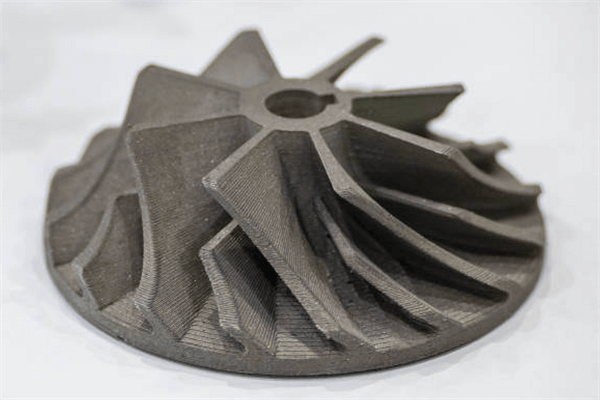
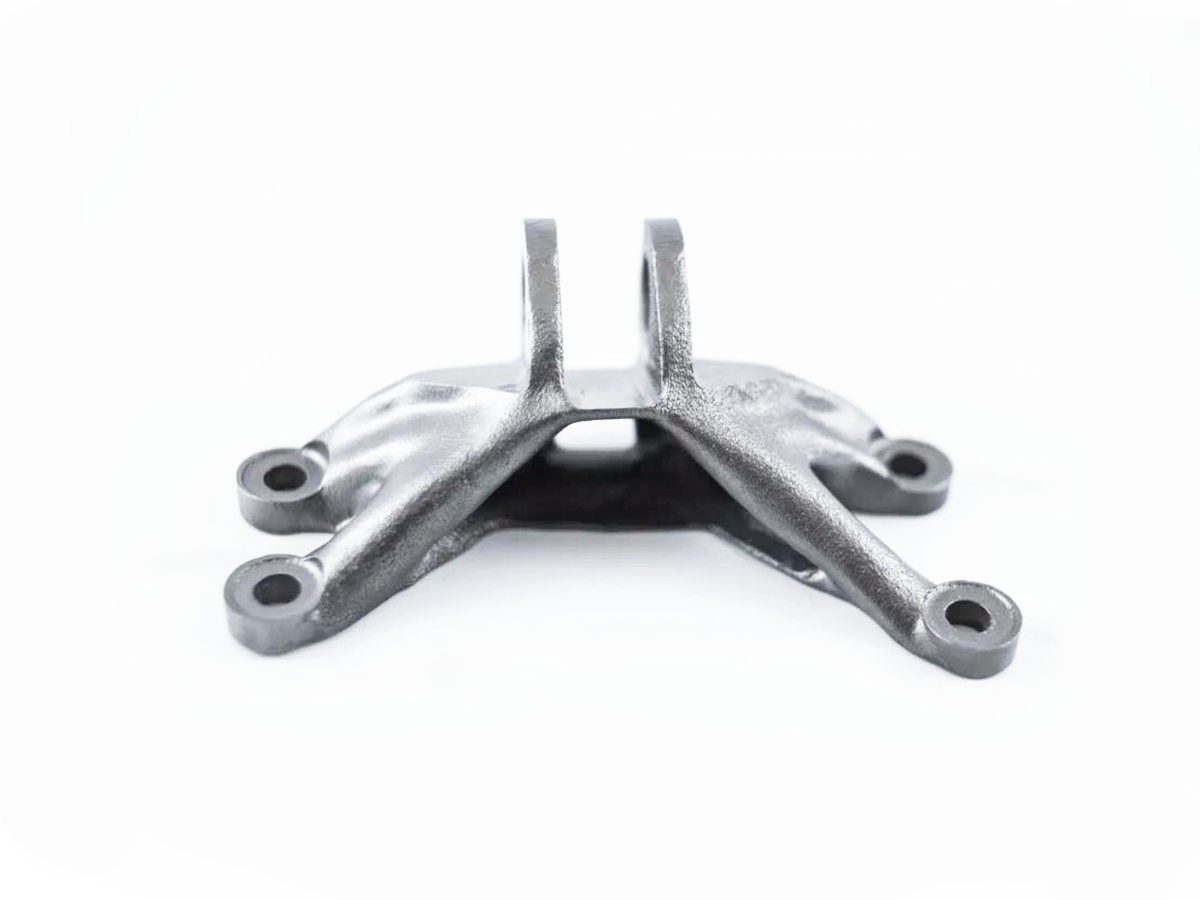
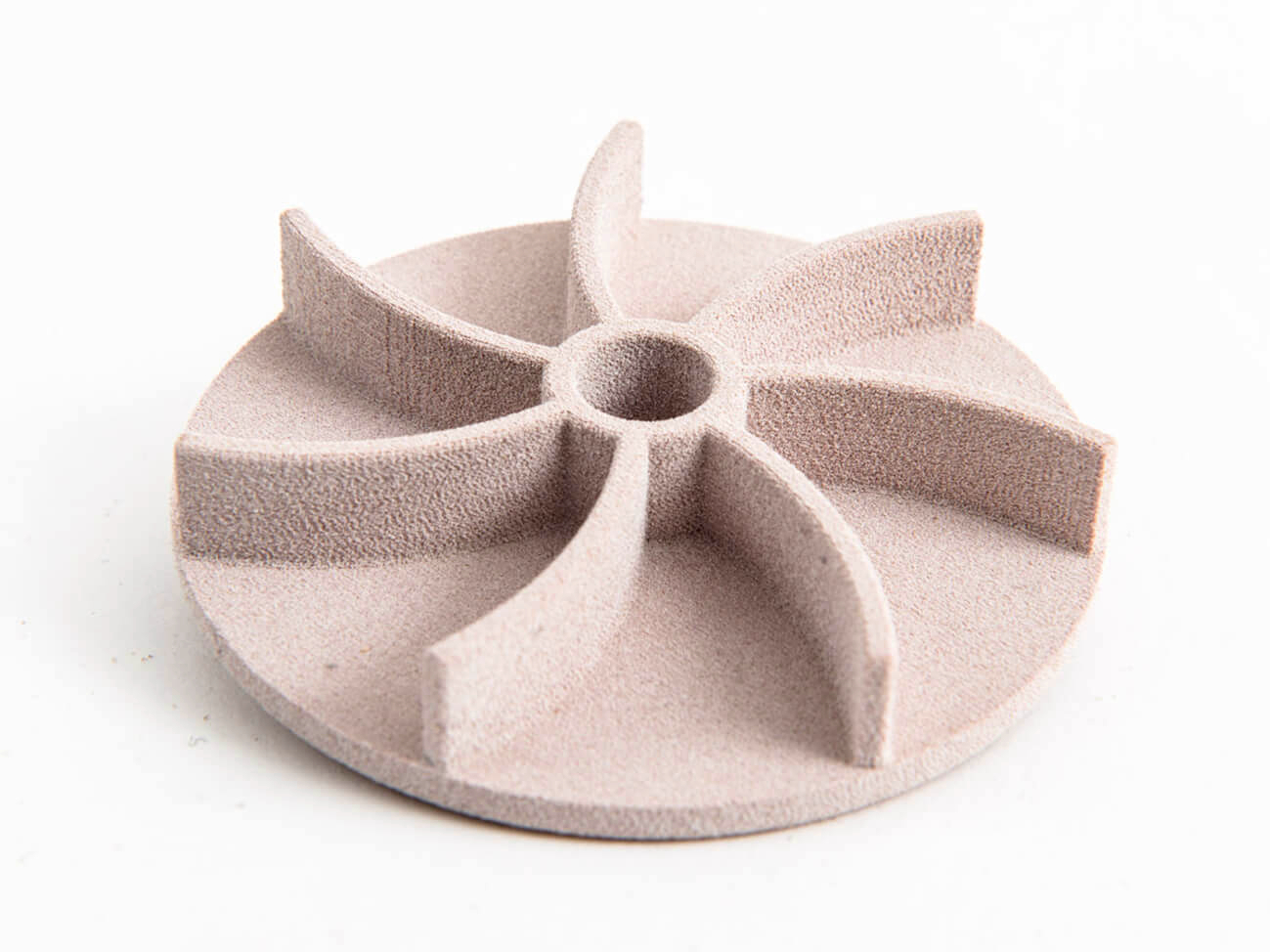
How do SLA, SLS, and FDM compare in accuracy and part strength?
No single process is universally the most accurate or strongest: SLA usually favors fine detail and smooth resin surfaces, SLS favors support-free PA geometries and relatively balanced properties, and FDM favors broad thermoplastic choice with load paths aligned to deposited beads. These are route-level tendencies, not finished-part acceptance values. A valid comparison uses the same geometry, feature size, material grade, build orientation, conditioning, post-processing, and measurement or load test. SLA results can move during washing and post-curing; SLS dimensions and properties respond to powder history, packing, thermal control, and cooling; FDM results respond to bead width, chamber control, raster, and interlayer fusion. The RFQ should identify critical dimensions, datum scheme, loaded directions, service temperature, surface requirement, test method, and prototype purpose. Ask the supplier to separate machine settings and nominal layer height from the finished-part capability that will actually be inspected.
Dimensional Accuracy and Surface Finish
SLA (Stereolithography): SLA often provides the best small-feature definition and accessible-surface finish of these three routes, but resolution is not the same as dimensional accuracy. Resin, exposure, support contact, washing, post-cure, part size, wall stiffness, and measurement timing all affect the finished geometry. ISO/ASTM 52902:2023 uses defined test artefacts and measurements to assess an AM system's geometric capability; it does not prescribe a universal part tolerance or a specific measurement method. Use SLA 3D Printing when fine text, edges, and a visible A-surface drive the decision. For a master pattern sent to rapid molding, inspect the pattern datums and mating geometry after the complete wash, cure, support-removal, and finishing sequence.
SLS (Selective Laser Sintering): SLS can hold complex PA geometry without attached support structures because surrounding powder supports the build, yet thermal history and cooling still influence size and shape. Powder texture also leaves a matte surface that can affect seals, sliding fits, small channels, and visual color. SLS 3D Printed Parts should therefore be reviewed by feature: an external bracket, enclosed passage, snap arm, and precision bore do not share one accuracy value. Identify machining or smoothing allowances before nesting parts, then inspect the released and conditioned part from drawing datums rather than from the powder cake or an as-built reference.
FDM (Fused Deposition Modeling): FDM deposits thermoplastic beads, so bead width, layer height, toolpath, material shrinkage, chamber stability, and orientation set the geometric limit. Fine holes, thin pins, curved faces, and walls aligned with the build axis often show more deviation or stair-stepping than broad planar features. FDM 3D Printing Solutions remain practical for large fit models and fixtures when the buyer defines which faces are cosmetic and which dimensions control assembly. Specify whether holes may be drilled or reamed, whether inserts are allowed, and whether inspection occurs as printed, after support removal, or after finish machining.
Mechanical Strength and Material Properties
SLS (Selective Laser Sintering): SLS is not automatically the strongest or fully isotropic choice. Nylon grade, powder refresh history, packing, build temperature, cooling, orientation, moisture conditioning, and surface finishing change tensile, impact, fatigue, and snap-fit behavior. ASTM F2971-13(2021) requires AM test reporting to identify material and processing history; a coupon result without that history cannot qualify a different part. Use 3D Printing via SLS for an automotive duct or industrial equipment guard only after the specified PA grade, conditioned state, load direction, temperature, mating parts, and part-level acceptance test are defined.
FDM (Fused Deposition Modeling): FDM strength is direction-dependent, but the size of the XY/XZ/ZX difference is material-, machine-, and toolpath-specific. Interlayer fusion, voids, raster direction, chamber temperature, wall count, and stress concentration can make an upright tensile bar or snap arm fail before an in-plane feature. The linked PC and Nylon pages describe stock materials for machining; they do not prove the properties of a particular filament or printed build. For screws, clamps, or snap fits, define the load vector, insert strategy, conditioning, safety factor, and part-level test before choosing FDM.
SLA (Stereolithography): SLA strength depends on the exact photopolymer and its wash, post-cure, orientation, thickness, aging, and service environment. A rigid visual resin, a tough resin, and a high-temperature resin can rank differently in tensile, impact, creep, or heat response, so “resin strength” is not one property. Manufacturer values apply only to the stated specimen, printer setting, and cure condition. UV exposure, moisture, chemicals, sustained load, and support scars can introduce other failure modes. Validate the actual printed part under the planned assembly direction, fastener load, temperature, handling cycle, and exposure period instead of choosing SLA from an ABS-like marketing label.
Engineering Guidelines for Technology Selection
Choose SLA for High-Fidelity Prototypes: Use SLA when visible detail, small lettering, smooth accessible faces, or a master pattern is the governing evidence. For prototyping form and fit, identify support-contact faces and inspect critical holes and datums after the specified wash and post-cure. Do not use nominal layer height as the tolerance.
Select SLS for Functional, Complex Parts: Select SLS when support-free PA geometry, nested production, or snap features matter more than a polished surface. Confirm the exact PA grade, powder management route, conditioned state, texture, dye or smoothing requirement, and service moisture. Qualify the snap or hinge with the specified cycle and load, not a hand-flex check.
Utilize FDM for Cost-Effective & Large Parts: Use FDM for large fit models, fixtures, and fast prototyping when visible beads and direction-dependent strength are acceptable. Confirm the filament grade, nozzle and bead plan, chamber condition, walls, inserts, heat exposure, and load direction. A low print price is irrelevant if drilling, support removal, or reprinting controls accepted-part cost.
Consider Hybrid Manufacturing: For a housing with a visible A-surface, two datum holes, and loaded snap arms, choose the route by the evidence required: SLA for appearance, SLS PA for snap-cycle testing, or FDM for an assembly fixture. Move the final part to CNC Machining when stock-material traceability, machined datums, or repeatable surfaces govern acceptance; keep 3D printing for design learning or tooling. The RFQ should state material, condition, orientation, datums, loads, exposures, quantity, and test method. Inspect fit and datum dimensions, run the specified snap or fastener test, and record which process stage produced each accepted feature.