Are plastic 3D printed parts suitable for small-batch end-use production?
Yes, plastic 3D printed parts are suitable for small-batch end-use production when a qualified material, controlled print route, finishing sequence, and acceptance plan match the part's loads and environment. Quantity alone does not establish suitability. A fitted prototype can still fail through creep, weak build-direction bonding, moisture change, UV exposure, chemical attack, or uncontrolled post-processing. Before ordering production parts, specify the service life, load direction, temperature and chemical exposure, critical interfaces, appearance standard, lot quantity, and verification tests. Compare 3D printing with molding or machining on accepted-part cost and repeat-order risk, not prototype price alone.
Suitable 3D Printing Technologies for End-Use Parts
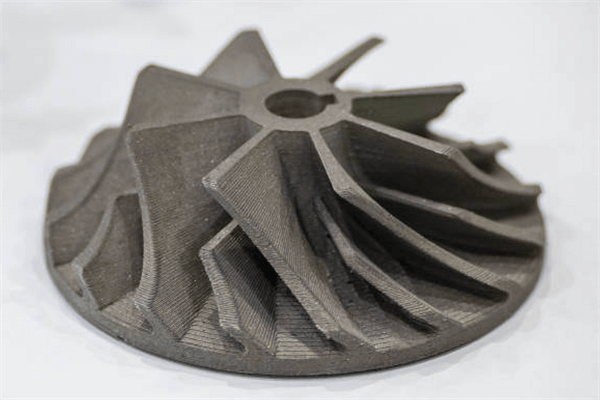
SLS and MJF are strong candidates for nested nylon batches, while FDM can suit larger parts, fixtures, and applications that accept directional properties. SLA photopolymers can also serve end-use duties only when the named resin and its cured condition pass the required aging and load tests. Production approval should therefore freeze a material/process/build/post-process configuration rather than approve a technology name.
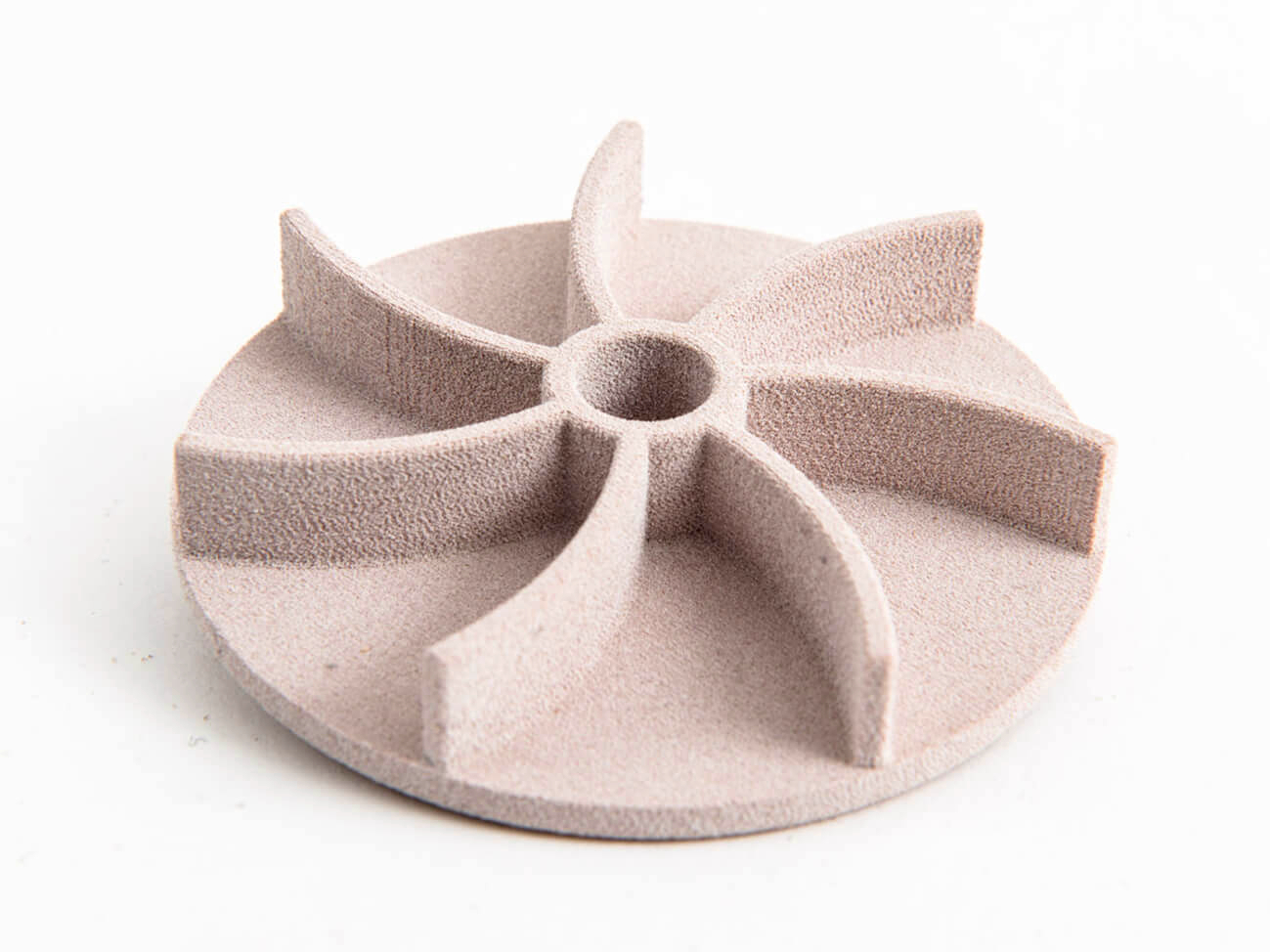
Selective Laser Sintering (SLS) & Multi Jet Fusion (MJF): These powder-bed routes can place many unsupported parts in one build, which benefits complex low-volume manufacturing. Their properties are not automatically isotropic or interchangeable. Powder history, thermal exposure, packing, part location, orientation, cooling, depowdering, conditioning, and finishing can affect dimensions and mechanical response. PA12 is useful for ducts, covers, clips, and housings in automotive and consumer products applications when the specified grade meets the actual duty. The RFQ should identify the exact material, approved system or equivalent qualification evidence, finish, critical datums, and required build or material-lot traceability.
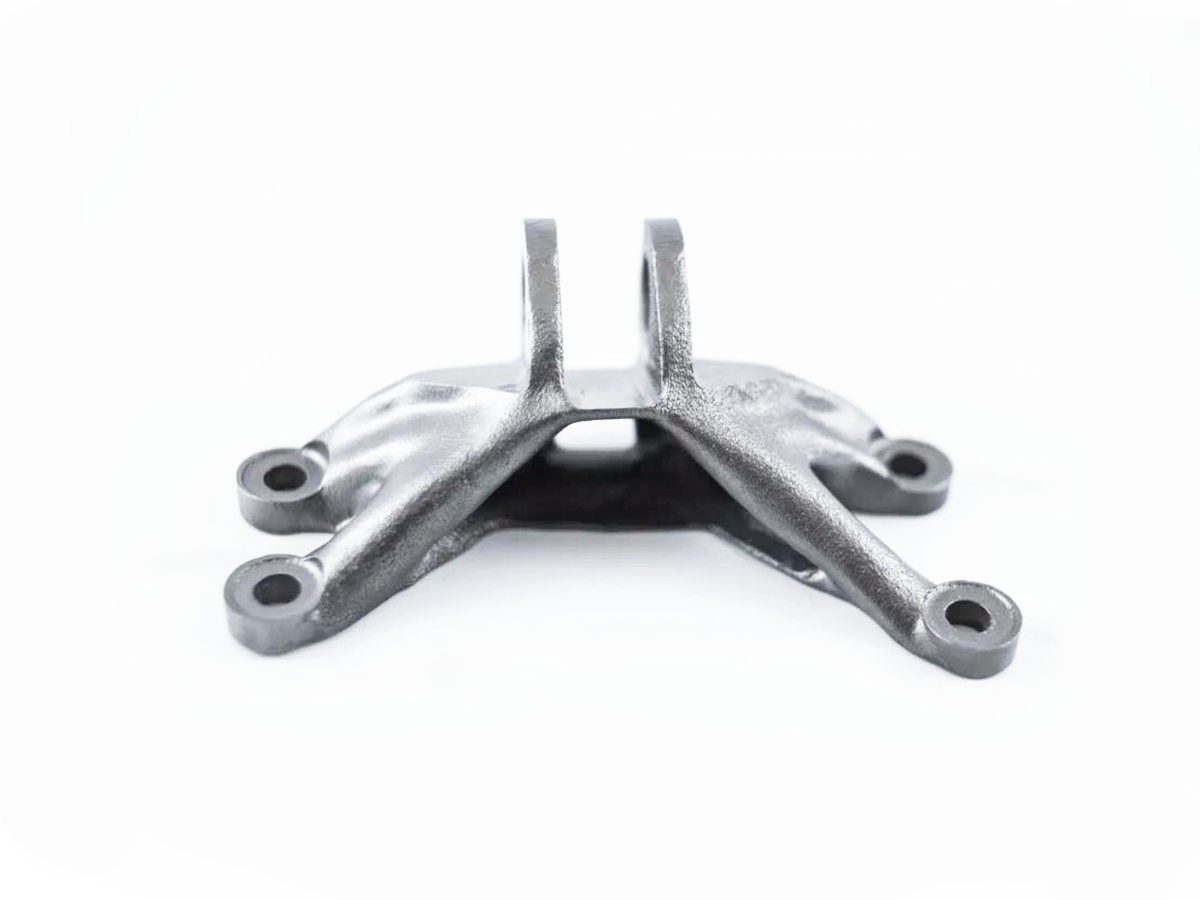
Fused Deposition Modeling (FDM): FDM can produce end-use guards, brackets, jigs, and replacement components when bead direction and interlayer bonding are included in the design. Materials sold under broad names such as ABS, PC, or PEEK do not share one property set across filament grades, machines, drying conditions, and build directions. Production controls should cover feedstock identity, moisture control, chamber conditions, orientation, support removal, and insert installation. Load a first article in the intended direction and inspect bosses, mating faces, and fastener zones after conditioning. A smooth exterior or pressure-tight wall needs separate evidence; layer appearance alone cannot prove either condition.
Key Advantages for Small-Batch Production
No Mold Tooling Cost: Additive manufacturing removes the initial mold investment and can reduce exposure while demand or geometry remains uncertain. The economic case is strongest when several revisions are expected, parts can share a build, or a tool would not be amortized over forecast orders. The quote still needs build occupancy, material, finishing, inspection, scrap allowance, and reorder frequency. A batch of ten large parts can use more machine capacity than hundreds of small nested parts, so no universal volume threshold is credible.
Design Freedom & Consolidation: Internal passages, routed ducts, identification features, and integrated clips can reduce joints or fasteners. Consolidation is valuable only if trapped powder can be removed, internal features can be verified, damaged units can be serviced, and the one-piece design survives its load cases. An assembly that is easy to print but impossible to inspect creates production risk rather than useful complexity.
Controlled Revision: A digital build can shorten a design change because no mold steel is altered. Production orders still require revision control. Changes to wall thickness, orientation, material, printer, packing strategy, or finishing can alter qualification evidence. Freeze critical interfaces and acceptance criteria before repeat orders, and define which changes trigger a new first article or functional test.
Limitations and Engineering Considerations
Material and Service Life: A polymer name or room-temperature tensile value does not predict end-use life. Creep under sustained load, fatigue at clips, moisture uptake, UV aging, cleaning fluids, heat, and stress concentrations can control failure. Test the selected printed and finished condition, not an injection-molded datasheet for the same polymer family. For a cyclic part, define load, rate, environment, and pass/fail condition. For a loaded bracket or duct flange, remeasure critical interfaces after conditioning and the specified thermal or humidity exposure.
Batch and Finish Consistency: FDM bead texture and powder-bed surface grain can require sandblasting, tumbling, or painting. Finishing can round edges, close small clearances, change hole fit, expose porosity, or vary color and gloss. Establish a representative appearance sample and protect functional interfaces before processing. The inspection plan should separate cosmetic criteria from dimensions, pressure integrity, torque, or assembly tests. Build identification and material-lot records help investigate drift instead of treating every accepted batch as identical.
Economic Transfer Point: The switch to injection molding or machining is a forecast decision, not a fixed quantity such as 100 or 500 pieces. Requote the frozen design at planned annual volume and reorder frequency. Include tooling and maintenance, printed build utilization, finishing labor, inspection, rejected parts, inventory, design-change exposure, and assembly. Transfer becomes compelling when the alternative lowers accepted-part cost and its tool, inventory, and change risks are acceptable. Keep the additive route when uncertain demand, geometry consolidation, customization, or distributed spares still outweigh unit-price savings.
Quality Evidence: ISO/ASTM 52901:2017 defines requirements for purchasing additive-manufactured parts; it helps the customer and supplier agree on part definition, process information, inspection, traceability, and acceptance. ISO/ASTM 52920:2023 addresses quality-relevant characteristics across industrial additive system operations. Neither standard certifies a part by citation alone. Regulated products such as medical devices can also require application-specific risk controls, biocompatibility, cleaning, sterilization, and change control. Confirm the applicable regulatory and quality plan before selecting the production route.
Guidelines for Implementation
Qualify small-batch plastic 3D printing through a staged production plan: freeze the configuration, inspect a first article, run function and life tests, then define lot acceptance and change control. Consider a low-volume replacement airflow guide as an engineering scenario, not a Neway customer case. A powder-bed nylon guide may remove assembly joints, yet its flange can move during cooling or moisture conditioning. The buyer would inspect datum-related flange dimensions, install the specified fasteners, and test airflow, vibration, temperature exposure, and service access before authorizing the batch.
Use additive production when complex or customized geometry is valuable, demand is uncertain, and the selected printed condition has passed dimensional and functional qualification.
State the CAD revision, exact material grade, process, orientation controls, finish, quantity, delivery lots, critical datums, tolerances, appearance criteria, service environment, and required records in the RFQ.
Define first-article and lot acceptance separately. Critical or variable features may need full inspection; stable, lower-risk characteristics can use an agreed sampling plan supported by process history.
Set transfer triggers before launch: forecast volume, accepted-part cost, recurring capacity, design freeze, field performance, and availability of a qualified molded or machined alternative.
Use CNC Machining when a printable polymer cannot meet the duty, critical datums need a machined relationship, or the required evidence cannot be controlled economically in the additive route. Use injection molding when the frozen design and forecast justify tooling and molded material behavior is preferable. Release plastic 3D printed end-use parts only after the named configuration passes first-article, functional, environmental, and lot-acceptance requirements.