Which materials provide both high strength and high temperature resistance?
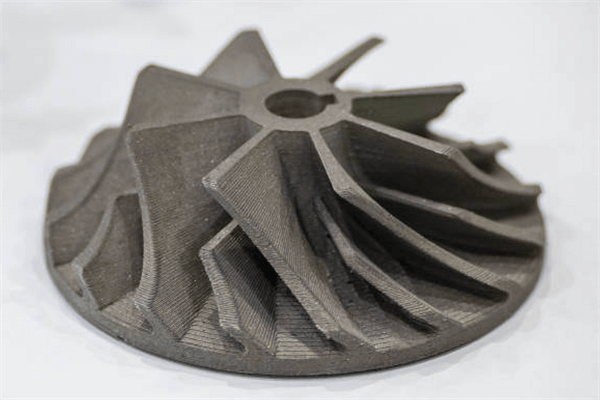
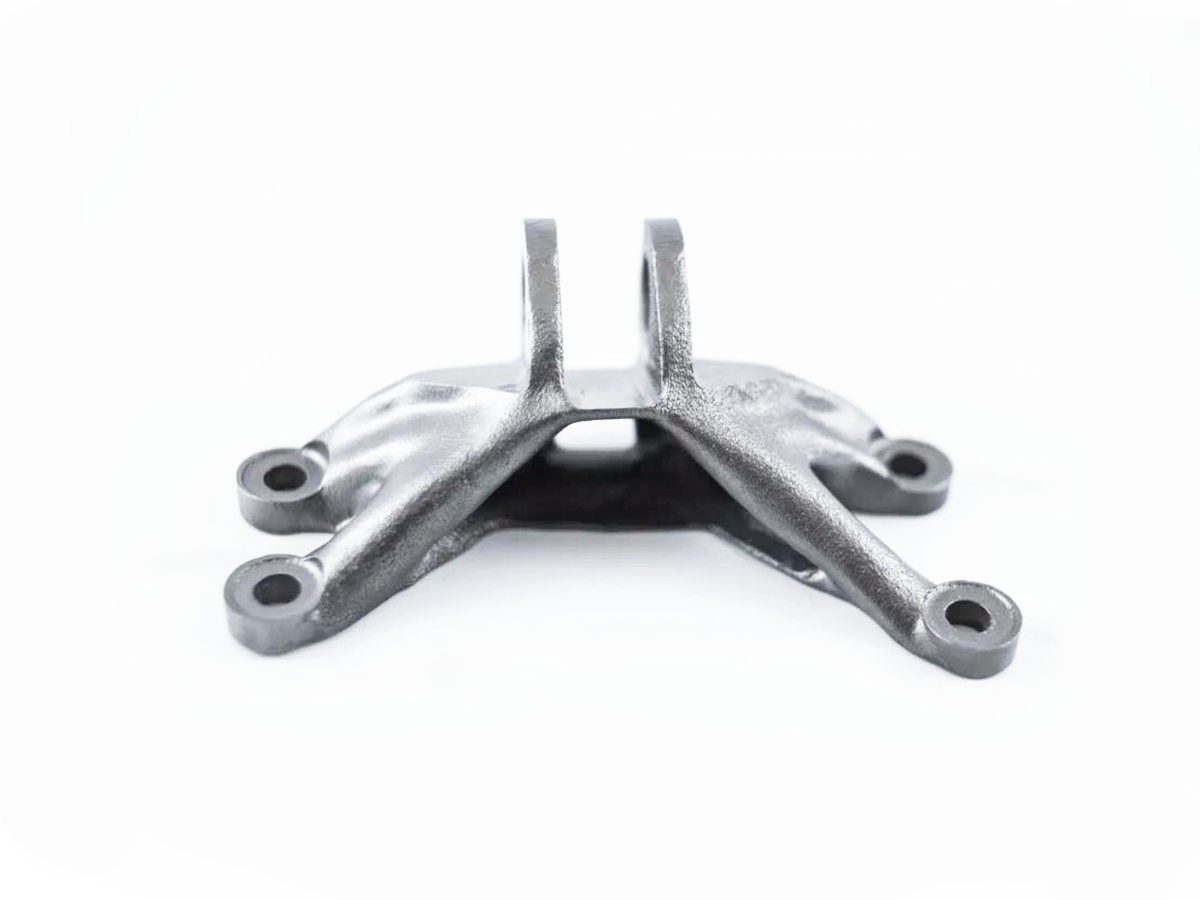
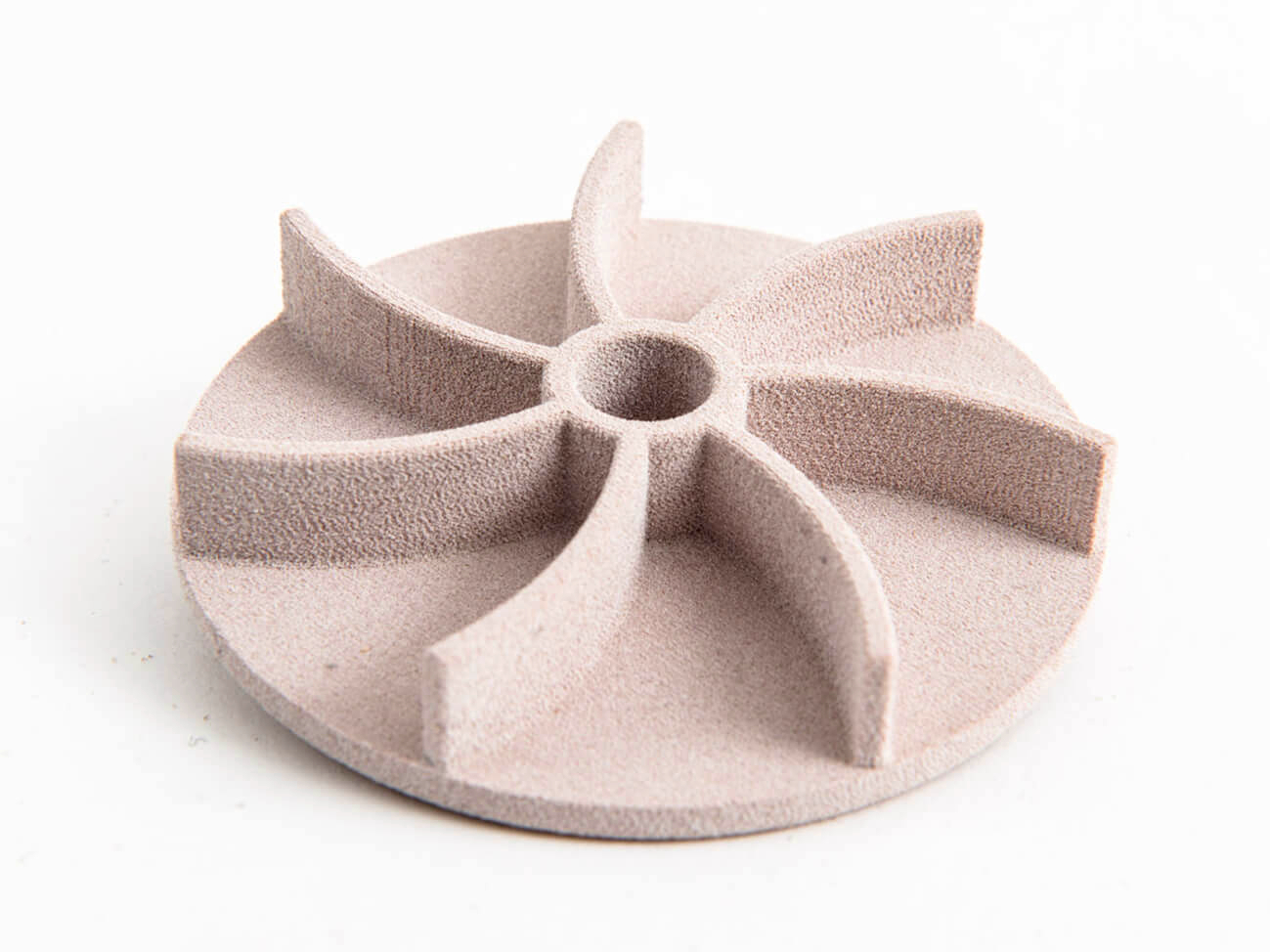
Nickel-based superalloys provide the broadest combination of load-bearing strength, creep resistance, and oxidation resistance at high temperature; cobalt alloys, titanium alloys, stainless steels, ceramics, PEEK, and polyimide suit narrower conditions. No material is “high strength” without a temperature, duration, load, environment, product form, and material condition. The choice also changes with CNC Machining or 3D Printing because processing affects grain structure, porosity, residual stress, and test evidence. An RFQ should provide the temperature-time profile, static or cyclic load, atmosphere or chemicals, target life, critical dimensions, joining method, material standard, and required elevated-temperature validation.
Superalloys for Creep, Oxidation, and Hot Wear
Nickel and cobalt superalloys are the first metal families to screen when a component must retain load capacity during long hot exposure, but grade and condition determine the result.
Nickel-Based Superalloys: Age-hardened Inconel 718 is normally selected when high strength and creep resistance are central, while solid-solution-strengthened Inconel 625 is often favored for corrosion resistance and weldability. They are not interchangeable “Inconel” grades. Hastelloy X and Nimonic 80A offer different oxidation, forming, fatigue, and creep balances. Specify product form, heat treatment, weld condition, grain requirements, and the controlling failure mode. ASTM E139 measures metallic creep deformation and time to rupture under defined test conditions; it does not convert a supplier's room-temperature tensile value into a component life prediction.
Cobalt-Based Superalloys: The Stellite family is useful for hot sliding wear, galling, erosion, and valve-seat contact. Hot hardness does not make a cobalt alloy the default choice for a highly stressed structural member. State whether the material is wrought, cast, deposited, or a hard-facing layer because dilution, bond quality, cracking, and machining allowance change the result. A wear interface also needs mating material, contact pressure, speed, lubrication, temperature cycle, and an agreed wear or leak test.
Titanium and Heat-Resistant Stainless Steels
Titanium and stainless steels can retain useful properties in elevated-temperature service, but neither family replaces a nickel superalloy merely because its melting point or oxidation rating appears high.
Titanium Alloys: Ti-6Al-4V (Grade 5) is valuable when high specific strength matters more than maximum hot-load capacity. Its allowable stress depends on mill product, heat treatment, dwell time, fatigue spectrum, oxygen exposure, and design code. A temperature cited for short exposure is not a continuous-life rating. For aerospace and aviation hardware, the drawing should control material specification, direction, heat treatment, surface condition, and inspection rather than request only “Grade 5 titanium.”
Stainless Steels: 17-4PH (SUS630) gains strength from its precipitation-hardening condition, but prolonged heat can change that condition and reduce the property used in the design. 310S (SUS310) is selected mainly for oxidation resistance and thermal cycling in suitable atmospheres, not for the same hot strength as 17-4PH or Inconel 718. Compare code allowables or grade-specific elevated-temperature data at the required exposure time. Also define carburizing, sulfidizing, chloride, or reducing conditions because “heat resistant” does not mean resistant to every hot gas.
Advanced Ceramics Under Compression and Thermal Load
Advanced ceramics can retain hardness, compression capability, and dimensional stability where metals soften, but brittle tensile fracture, thermal shock, flaws, and joining stress control the design.
Structural Ceramics: Silicon Carbide (SiC) is a strong candidate for hot wear, thermal conductivity, stiffness, and oxidation-controlled service. Zirconia (ZrO₂) offers higher fracture toughness than many ceramics but has different phase, aging, and temperature limits. Neither material should be selected from compressive strength alone. ASTM C1211 measures flexural strength of advanced ceramics at elevated temperature for material development, quality control, characterization, or design data generation. Component approval still needs actual flaw population, surface finish, edge condition, thermal gradient, attachment load, and proof or nondestructive inspection appropriate to the power generation or industrial duty.
High-Performance Engineering Plastics
PEEK and polyimide can carry moderate loads at temperatures above ordinary plastics, but creep and loss of stiffness usually set their limit before melting.
PEEK (Polyether Ether Ketone): PEEK combines chemical resistance, insulation, low density, and elevated-temperature capability. A glass transition temperature, heat-deflection temperature, or melting point is not an allowable working stress. Unfilled, glass-filled, carbon-filled, and bearing grades have different stiffness, anisotropy, wear, and machining behavior. Use grade-specific stress-versus-time-and-temperature data for a loaded spacer, seal, or bearing. ASTM D2990 covers tensile and compressive creep and creep rupture of plastics under specified environmental conditions. That evidence is more relevant than a generic temperature ceiling for a medical or industrial component.
Polyimide (PI): Polyimide grades can provide thermal stability, electrical insulation, and dry-running wear performance, but “PI” covers different chemistries, fillers, and product forms. Check compressive creep, moisture response, coefficient of thermal expansion, wear pair, and outgassing for the specified grade. A short thermal excursion, continuous bearing duty, and a permanently clamped insulator require different data and acceptance tests.
Engineering Guidelines for Material Selection
Define the Service Environment: Record continuous and peak temperature, dwell time, thermal cycles, load direction, preload, vibration, atmosphere, chemicals, and required life. For a hypothetical heated electrical standoff, temperature alone cannot choose PEEK, PI, or ceramic. Bolt-load retention, dielectric performance, thermal expansion, and cycle testing determine whether polymer creep or ceramic fracture controls.
Consider Manufacturability: Material condition after precision machining, additive processing, heat treatment, welding, grinding, or coating must match the evidence used for design. Tool wear, work hardening, recast layers, ceramic edge chips, residual stress, and unsupported printed defects can change a critical surface. Specify stock form, process route, datum scheme, finish, inspection, and required material certification.
Evaluate Total Lifecycle Cost: Compare purchase cost with inspection, coating, joining, replacement access, downtime, and failure consequence. Validate the controlling failure mode on representative material and geometry: creep or rupture for hot metals, flexure and thermal shock for ceramics, or preload loss and dimensional drift for polymers. Do not approve a component from melting point, room-temperature tensile strength, or one short coupon test.
Leverage Hybrid Strategies: A superalloy insert may carry hot load while a ceramic breaks heat flow and a lower-cost structure supports the assembly. Hybrid design adds differential expansion, joint stress, galvanic or chemical compatibility, sealing, and repair questions. Separate hot-zone, wear, insulation, and support requirements in the RFQ, then test the joint through the specified thermal and load cycle.