How to Choose Precision Machining Services for Low-Volume and Production Custom Parts
How to Choose Precision Machining Services for Low-Volume and Production Custom Parts
For many OEM buyers, engineers, and sourcing teams, choosing a precision machining supplier is not simply a question of who can machine a part. The real decision is whether the supplier can support the part through different project stages without losing dimensional control, inspection discipline, or delivery reliability. A prototype may need quick feedback and flexible process planning. A low-volume batch may need stable assembly performance. A production order may need repeatable fixtures, controlled inspection frequency, and better unit cost. That is why buyers evaluating precision machining services are often comparing long-term project fit, not just first-piece price.
This matters especially for custom parts with tighter tolerances, critical bores, sealing faces, datum surfaces, or application-specific documentation requirements. A supplier that performs well on one sample may still struggle when the part moves into repeated low-volume or production supply. The strongest supplier is usually the one that can connect quoting, machining strategy, fixture planning, material control, secondary processes, and inspection into one stable route from validation to repeat delivery.
What Are Precision Machining Services?
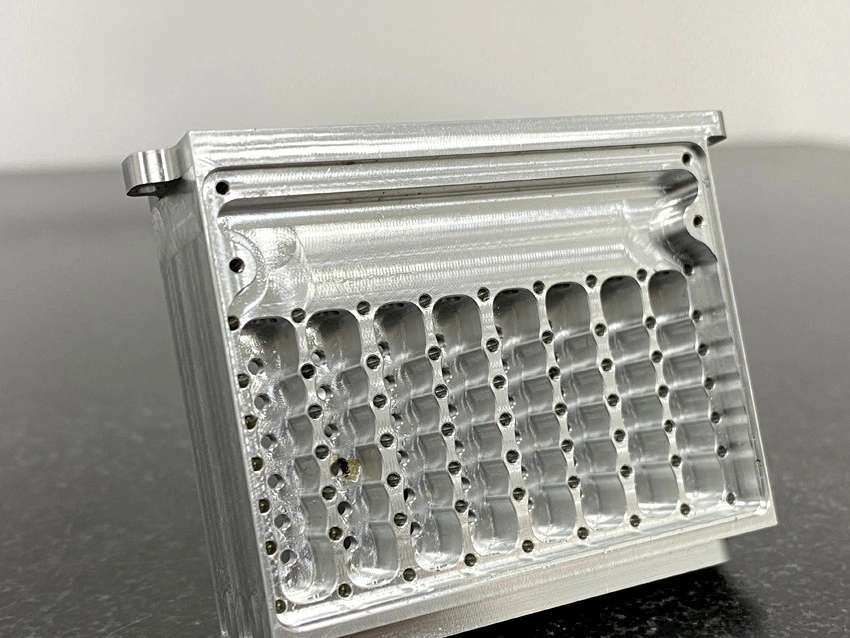
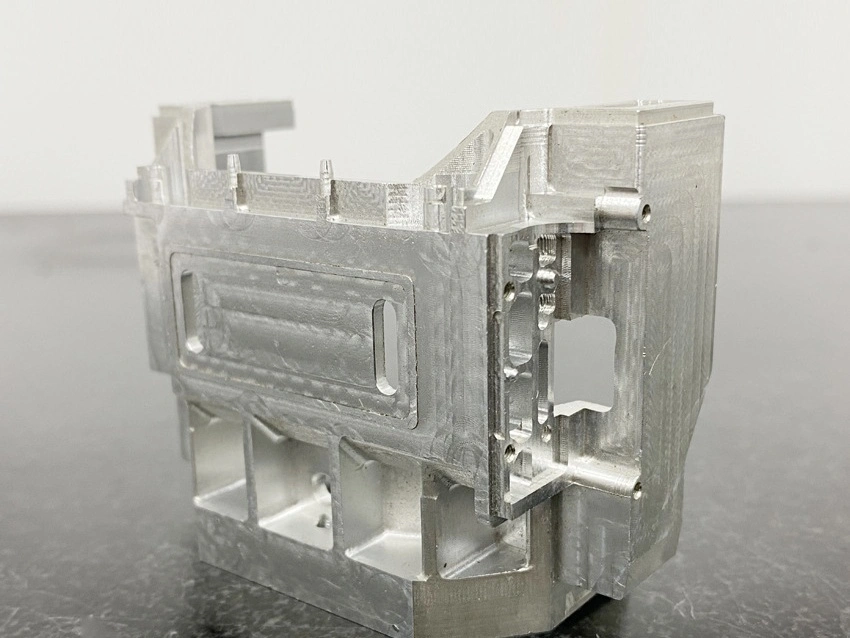
Precision machining services are manufacturing services used for custom parts that require tighter control over dimensions, assembly relationships, surface quality, and inspection results than general-purpose machining typically demands. The value is not only that the part is machined accurately, but that the critical features remain stable and verifiable across the full process route.
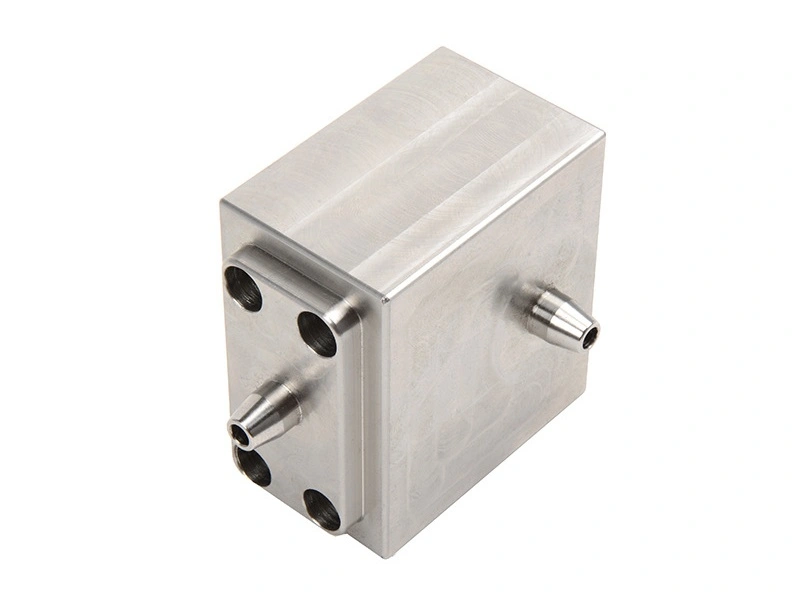
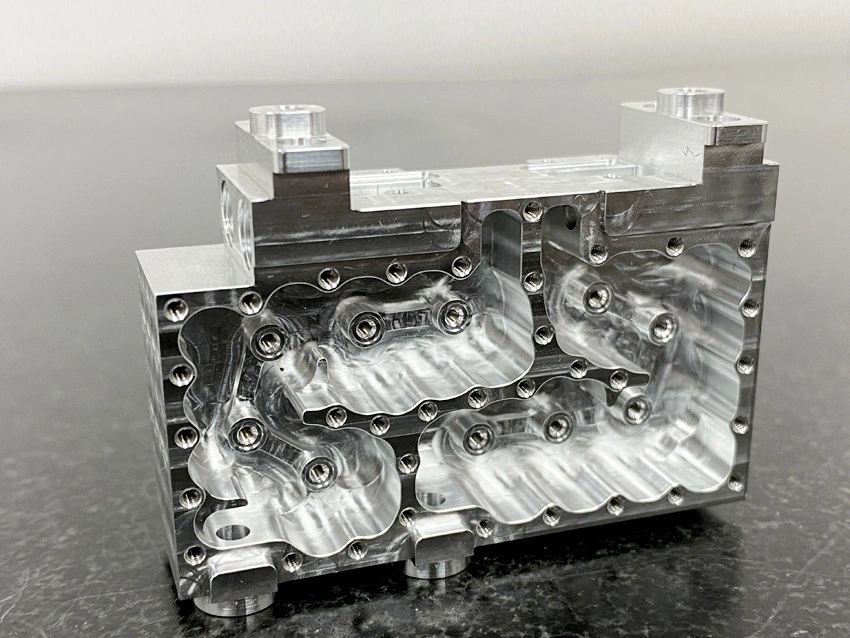
In practical sourcing terms, precision machining may combine CNC Machining, milling, turning, EDM, grinding, and post-machining inspection depending on the part geometry and the drawing requirements. It is especially relevant for parts with assembly-critical bores, locating faces, sealing surfaces, rotational features, tight GD&T controls, or customer-required inspection records. These projects are not defined by complexity alone. Even a simple-looking part can require precision machining if its function depends on a small group of tightly controlled features.
When Do Buyers Need Precision Machining Instead of Standard CNC Machining?
Buyers usually need precision machining instead of standard machining when the part function depends on more than just nominal geometry. If the drawing includes strict tolerances, critical assembly faces, sealing lands, bearing seats, or GD&T requirements, the process should be planned around those features from the start. The same is true when the material is difficult to machine, when inspection documents such as CMM or FAI are required, or when a prototype must later transition into repeatable supply without changing the functional behavior of the part.
Another common reason is supplier replacement. If a previous supplier could machine the shape but could not keep batch consistency, hold critical alignment, or support required inspection reporting, then the real issue was not machining access. It was lack of precision process control. In these cases, precision machining becomes the safer route because the supplier must manage setup stability, feature-specific inspection, and process repeatability rather than only machine time.
When Precision Machining Is More Suitable | Why It Matters |
|---|---|
Strict dimensional tolerances | Critical features require tighter process control |
Assembly-critical surfaces | Fit and function depend on stable feature relationships |
Sealing faces or bearing seats | Surface finish and size directly affect performance |
GD&T requirements | Machining must follow datum logic and geometry control |
Difficult materials | Tool wear, heat, and distortion require stronger planning |
CMM or FAI reports | Inspection capability must be built into the route |
Prototype to production transition | Repeatability matters beyond the first sample |
Inconsistent previous supplier performance | Stable process control is needed, not just lower price |
Low-Volume Precision Machining vs Production Precision Machining
Low-volume precision machining and production precision machining are related, but their priorities are different. Low-volume work is usually focused on design validation, functional verification, and fast engineering feedback. Production precision machining is more focused on repeatable quality, fixture stability, inspection planning, and lower unit cost over time. Buyers should understand this difference because the same part may need a different process strategy depending on whether the current goal is learning or scaling.
Item | Low-Volume Precision Machining | Production Precision Machining |
|---|---|---|
Main goal | Design validation and functional testing | Stable repeatable production |
Quantity | Prototype to small batch | Medium to larger batch |
Fixture strategy | Flexible or simplified fixture approach | Dedicated or more optimized fixture planning |
Inspection focus | First article and critical dimensions | Batch inspection plan and repeatability |
Cost focus | Speed and manufacturability | Unit cost and consistency |
Engineering focus | DFM feedback and validation support | Process stability and control |
For projects in the validation stage, buyers may combine precision requirements with CNC Machining Prototyping. When the design is already stable but demand is still moderate, a route aligned with Low Volume Manufacturing is often more suitable.
What Affects the Cost of Precision Machined Parts?
The cost of precision machined parts is influenced by more than material and machine time. Material grade, part size, tolerance level, GD&T complexity, surface finish, heat treatment, quantity, setup time, inspection requirements, and secondary processes can all change the total quote. In precision projects, inspection and setup logic often play a much larger role in cost than buyers initially expect because a part with only a few critical features may still require careful fixturing and detailed verification.
It is also important to understand that the lowest quote is not always the lowest total cost. If a supplier cannot control critical dimensions or maintain consistent quality, the project may later absorb rework cost, assembly failure, delayed delivery, or repeated engineering review. From a sourcing perspective, a more stable supplier often reduces total project cost even if the first quote is not the lowest on paper.
Cost Driver | Impact on Price |
|---|---|
Material | Harder or more expensive materials increase machining difficulty and raw cost |
Part size | Larger parts require more stock, longer machining time, and stronger fixturing |
Tolerance level | Tighter size control increases setup, machining, and inspection effort |
GD&T complexity | More datum-based control usually increases process and inspection difficulty |
Surface finish | Functional or cosmetic finish requirements may add extra processing |
Heat treatment | May add distortion risk, grinding, or re-inspection needs |
Quantity | Changes whether the job is setup-driven or production-driven |
Setup time | Multi-face or datum-sensitive parts require more planning and control |
Inspection reports | CMM, FAI, and material documentation increase QA effort |
Secondary processes | Grinding, EDM, finishing, or post-treatment add route complexity |
What Capabilities Should a Precision Machining Supplier Have?
A capable precision machining supplier should offer more than just machine access. They should be able to support engineering review, process planning, fixture design, material sourcing, heat-treatment coordination, surface finishing, and inspection documentation in a way that fits the project stage. On the machining side, that often includes milling, turning, multi-axis capability, EDM, and other secondary precision processes where needed.
They should also have the ability to understand drawings, evaluate manufacturability, and define an inspection path before production begins. For more complex geometry, multi-axis machining can be especially valuable because it reduces setup transfer and helps keep feature relationships under control. On the quality side, CMM inspection, FAI support, and material documentation are often essential for buyers comparing suppliers on more than price alone.
What Files Are Needed to Request a Precision Machining Quote?
For a faster and more accurate quote, buyers should provide both 3D CAD files and 2D drawings with tolerances, GD&T, material, surface finish, and inspection requirements. A precision machining quote is only as good as the information used to prepare it. If the drawing does not show which surfaces or dimensions are critical, the supplier may either overquote the job or plan the wrong process route.
Required RFQ File or Data | Why It Is Important |
|---|---|
3D CAD file | Defines geometry, tool access, and general process scope |
2D drawing | Defines tolerances, GD&T, and critical feature logic |
Material grade | Affects machining route, tooling, and sourcing time |
Quantity | Changes setup strategy and unit-cost logic |
Surface finish | Clarifies both functional and appearance requirements |
Heat treatment | May change process sequence and dimensional control planning |
Inspection requirements | Define whether CMM, FAI, or other reports are needed |
Application or functional requirement | Helps prioritize critical features during engineering review |
Target delivery time | Supports realistic scheduling and routing decisions |
How Neway Supports Custom Precision Machining Projects
Neway supports custom precision machining projects across prototype, validation, low-volume, and production stages. That support can include multiple metal and engineering material options, combined machining routes, engineering review based on drawing and application needs, and inspection support for critical dimensions and documented quality requirements. Depending on the part, the process route may include milling, turning, EDM, post-machining refinement, and inspection-based release.
For buyers who need a supplier that can move from development parts into repeated delivery without losing dimensional control, the most useful advantage is usually not one single machine capability. It is the ability to connect quoting, process planning, inspection, and production consistency into one stable workflow. For custom parts that require that level of support, Neway’s precision machining services can provide a more complete manufacturing path from evaluation to delivery.
FAQ
What tolerances can precision machining achieve for custom metal parts?
What information is needed to quote precision machined parts?
How does GD&T affect precision machining cost and inspection?
What inspection reports are recommended for precision machined components?
How do you choose a precision machining supplier for low-volume and production parts?