
English
How do you choose a precision machining supplier for low-volume and production parts?
Table of Contents
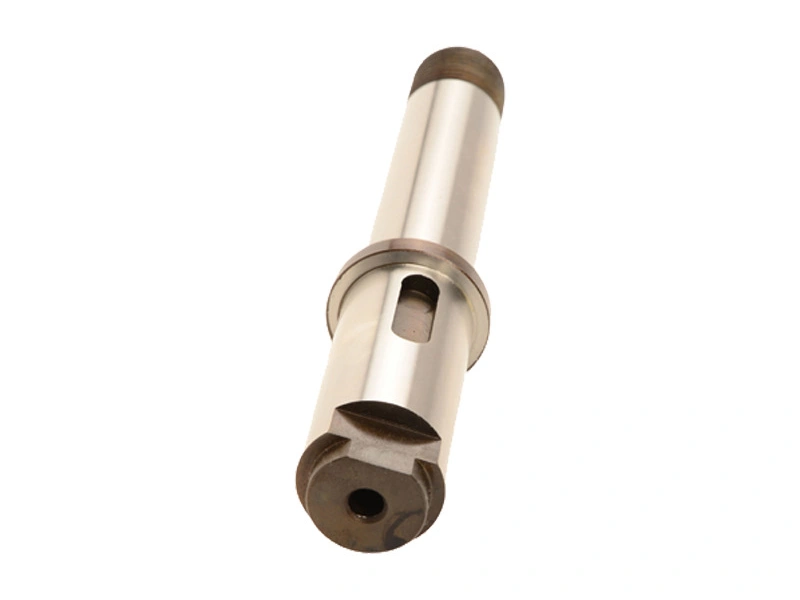
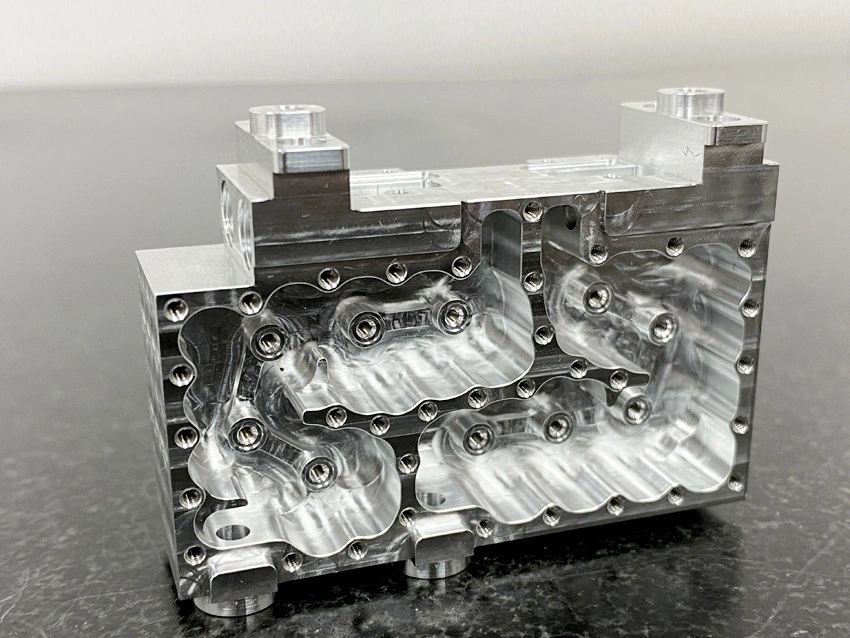
<h2 id="how-do-you-choose-a-precision-machining-supplier-for-low-volume-and-production-parts?">How Do You Choose a Precision Machining Supplier for Low-Volume and Production Parts?</h2><p>Choose a precision machining supplier by asking for evidence that the supplier can interpret the released drawing, control the functional features, verify the material and process state, and repeat the approved route at the required quantity. The useful evidence is part-specific: a process review, datum and workholding plan, measurement method, first-article record, sampling rule, and change-control path. Unit price alone cannot show whether a low-volume prototype will transfer safely into production.</p><p>From an engineering and purchasing perspective, selecting a supplier for <a target="_blank" href="https://www.newaymachining.com/services/precision-machining">precision machining services</a> requires a documented comparison of drawing interpretation, assumptions, process risks, inspection evidence, communication, and delivery conditions. Ask what will be measured, in which final state, against which revision, and how a deviation or process change will be approved before recurring parts are released.</p><div data-type="row" class="row"><div class="col-12 col-md-6" data-type="col"><p><a href="https://www.newaymachining.com/services/precision-machining"><img src="https://www.newaymachining.com/storage/attachments/2026/05/11/precision-machining-supplier-custom-precision-machining-supplier.webp" width="800" height="600" loading="lazy"></a></p></div><div class="col-12 col-md-6" data-type="col"><p><a href="https://www.newaymachining.com/services/precision-machining"><img src="https://www.newaymachining.com/storage/attachments/2026/05/11/how-do-you-choose-a-precision-machining-supplier-for-low-volume-and-production-parts.webp" width="800" height="600" loading="lazy"></a></p></div></div><h3 id="1.-key-factors-for-evaluating-a-precision-machining-supplier">1. Key Factors for Evaluating a Precision Machining Supplier</h3><div class="i-typography-table-responsive"><table><tbody><tr><th colspan="1" rowspan="1"><p>Evaluation Item</p></th><th colspan="1" rowspan="1"><p>Why It Matters</p></th></tr><tr><td colspan="1" rowspan="1"><p>Drawing review capability</p></td><td colspan="1" rowspan="1"><p>Shows that the supplier identifies revision, tolerances, GD&T, datums, threads, and critical characteristics before quoting</p></td></tr><tr><td colspan="1" rowspan="1"><p>Machining process planning</p></td><td colspan="1" rowspan="1"><p>Connects material state, stock, tool access, workholding, setups, finishing, and risks for complex or thin-wall features</p></td></tr><tr><td colspan="1" rowspan="1"><p>Material experience</p></td><td colspan="1" rowspan="1"><p>Requires evidence of controlling deformation, work hardening, burrs, heat, tool wear, and surface condition for the specified grade and state</p></td></tr><tr><td colspan="1" rowspan="1"><p>Fixture design</p></td><td colspan="1" rowspan="1"><p>Shows how datums are established and repeated from prototype through low-volume and production quantities</p></td></tr><tr><td colspan="1" rowspan="1"><p>Inspection capability</p></td><td colspan="1" rowspan="1"><p>Matches critical characteristics to a CMM, gauge, surface, material, process, or first-article record with clear acceptance criteria</p></td></tr><tr><td colspan="1" rowspan="1"><p>Prototype support</p></td><td colspan="1" rowspan="1"><p>Produces learning evidence for fit, function, material, tolerance feasibility, and drawing changes before a recurring route is released</p></td></tr><tr><td colspan="1" rowspan="1"><p>Production stability</p></td><td colspan="1" rowspan="1"><p>Demonstrates lot consistency, controlled sampling, traceable records, and reaction to drift rather than only a single good part</p></td></tr><tr><td colspan="1" rowspan="1"><p>Communication</p></td><td colspan="1" rowspan="1"><p>Documents assumptions, missing inputs, deviations, inspection questions, and approved changes before production</p></td></tr></tbody></table></div><h3 id="2.-prototype,-low-volume,-and-production-stages-need-different-support">2. Prototype, Low-Volume, and Production Stages Need Different Support</h3><p>A supplier should use different evidence at each project stage. Prototype work tests geometry and assembly assumptions; low-volume work proves a repeatable setup and inspection plan; production work controls drift, traceability, sampling, and change approval.</p><div class="i-typography-table-responsive"><table><tbody><tr><th colspan="1" rowspan="1"><p>Project Stage</p></th><th colspan="1" rowspan="1"><p>Supplier Focus</p></th></tr><tr><td colspan="1" rowspan="1"><p>Prototype</p></td><td colspan="1" rowspan="1"><p>Review the released drawing, expose missing assumptions, verify material and fit, and record issues that require design approval</p></td></tr><tr><td colspan="1" rowspan="1"><p>Low-volume production</p></td><td colspan="1" rowspan="1"><p>Prove fixture repeatability, datum transfer, inspection method, sampling, and cost assumptions across the planned small batch</p></td></tr><tr><td colspan="1" rowspan="1"><p>Production</p></td><td colspan="1" rowspan="1"><p>Control process inputs, lot consistency, records, nonconforming output, requalification, and approved engineering changes</p></td></tr></tbody></table></div><p>For early development, <a target="_blank" href="https://www.newaymachining.com/services/cnc-machining-prototyping">CNC machining prototyping</a> can verify geometry, assembly fit, and material choice. For bridge production or repeat small batches, <a target="_blank" href="https://www.newaymachining.com/services/low-volume-manufacturing">low-volume manufacturing</a> should be judged by repeatability evidence and a defined transfer gate, not by a prototype result alone.</p><h3 id="3.-drawing-and-gd-and-t-review-capability-is-critical">3. Drawing and GD&T Review Capability Is Critical</h3><p>A qualified supplier reviews the released three-dimensional computer-aided design (CAD) model with the two-dimensional (2D) drawing. The model defines nominal geometry; the drawing defines tolerances, geometric dimensioning and tolerancing (GD&T), surface finish, threads, datums, material state, heat treatment, and inspection requirements.</p><p>If a supplier quotes only from the CAD model without asking about critical dimensions, datum scheme, material grade, surface finish, or measurement method, the quotation may omit the actual manufacturing risk. Ask for a written list of assumptions and unresolved drawing questions before comparing prices.</p><h3 id="4.-material-and-process-experience-affect-part-quality">4. Material and Process Experience Affect Part Quality</h3><p>Different metals behave differently during machining. Aluminum, stainless steel, titanium, copper alloys, tool steel, and superalloys have different risks for deformation, burrs, work hardening, heat buildup, tool wear, and surface-finish control. The relevant condition may include temper, hardness, stock form, coating, or a prior heat-treatment step.</p><p>A capable supplier of <a target="_blank" href="https://www.newaymachining.com/services/cnc-machining">CNC machining services</a> should connect the specified material state to cutting strategy, fixture planning, tolerance stability, and inspection. For a heat-treated fork lug with a precision pin bore, the buyer should require evidence that the bore-to-datum relationship is checked after treatment and final unclamping. A material label or machine list cannot prove that transfer decision.</p><h3 id="5.-inspection-and-quality-documentation-should-be-confirmed-early">5. Inspection and Quality Documentation Should Be Confirmed Early</h3><p>Inspection capability is part of the manufacturing route. Confirm whether the supplier can provide dimensional records, CMM results, first-article evidence, material certificates, roughness records, thread checks, and batch traceability when the drawing or purchase specification requires them. Each record should identify the part or lot, revision, method, result, and disposition of deviations.</p><p>Confirm these requirements during the request for quotation (RFQ) because they affect programming, fixtures, sampling, review time, report format, and final acceptance. Ask which characteristics are measured in-process and which are checked after coating, heat treatment, stress relief, or final unclamping.</p><h3 id="6.-warning-signs-when-selecting-a-supplier">6. Warning Signs When Selecting a Supplier</h3><div class="i-typography-table-responsive"><table><tbody><tr><th colspan="1" rowspan="1"><p>Risk Signal</p></th><th colspan="1" rowspan="1"><p>Possible Problem</p></th></tr><tr><td colspan="1" rowspan="1"><p>Only accepts CAD files without reviewing 2D tolerances</p></td><td colspan="1" rowspan="1"><p>Critical dimensions, GD&T, datums, and inspection requirements may be missed</p></td></tr><tr><td colspan="1" rowspan="1"><p>Does not ask about material or surface treatment</p></td><td colspan="1" rowspan="1"><p>Machining route, final state, and functional performance may be planned against the wrong condition</p></td></tr><tr><td colspan="1" rowspan="1"><p>Does not confirm critical features</p></td><td colspan="1" rowspan="1"><p>Functional dimensions may receive insufficient process control or sampling</p></td></tr><tr><td colspan="1" rowspan="1"><p>Does not discuss inspection method</p></td><td colspan="1" rowspan="1"><p>Quality acceptance may become unclear because the datum frame, instrument, or final state is undefined</p></td></tr><tr><td colspan="1" rowspan="1"><p>Promises extreme tolerances for all dimensions</p></td><td colspan="1" rowspan="1"><p>May indicate weak engineering review or a process plan that ignores functional need and measurement limits</p></td></tr><tr><td colspan="1" rowspan="1"><p>Cannot provide quality reports</p></td><td colspan="1" rowspan="1"><p>May not support traceability, first-article release, regulated documentation, or repeat-production review</p></td></tr></tbody></table></div><h3 id="7.-practical-engineering-recommendation">7. Practical Engineering Recommendation</h3><p>For critical custom parts, compare suppliers using the same controlled drawing, material and process state, datum interpretation, inspection method, evidence package, sampling rule, and change-control terms. A supplier is ready for the next stage when it can show how the part will be made, measured, released, and requalified after an approved change.</p><p>Before placing an order, provide the CAD model, 2D drawing, material grade and condition, quantity by stage, surface finish, heat treatment, critical characteristics, inspection requirements, and delivery target. Ask for a route review, assumptions list, first-article or sample evidence, report format, nonconformance process, and production-transfer criteria. Select the supplier whose evidence answers the current functional risk, then require written approval for any change to the released route.</p>
<h2 id="how-do-you-choose-a-precision-machining-supplier-for-low-volume-and-production-parts?">How Do You Choose a Precision Machining Supplier for Low-Volume and Production Parts?</h2><p>Choose a precision machining supplier by asking for evidence that the supplier can interpret the released drawing, control the functional features, verify the material and process state, and repeat the approved route at the required quantity. The useful evidence is part-specific: a process review, datum and workholding plan, measurement method, first-article record, sampling rule, and change-control path. Unit price alone cannot show whether a low-volume prototype will transfer safely into production.</p><p>From an engineering and purchasing perspective, selecting a supplier for <a target="_blank" href="https://www.newaymachining.com/services/precision-machining">precision machining services</a> requires a documented comparison of drawing interpretation, assumptions, process risks, inspection evidence, communication, and delivery conditions. Ask what will be measured, in which final state, against which revision, and how a deviation or process change will be approved before recurring parts are released.</p><div data-type="row" class="row"><div class="col-12 col-md-6" data-type="col"><p><a href="https://www.newaymachining.com/services/precision-machining"><img src="https://www.newaymachining.com/storage/attachments/2026/05/11/precision-machining-supplier-custom-precision-machining-supplier.webp" width="800" height="600" loading="lazy"></a></p></div><div class="col-12 col-md-6" data-type="col"><p><a href="https://www.newaymachining.com/services/precision-machining"><img src="https://www.newaymachining.com/storage/attachments/2026/05/11/how-do-you-choose-a-precision-machining-supplier-for-low-volume-and-production-parts.webp" width="800" height="600" loading="lazy"></a></p></div></div><h3 id="1.-key-factors-for-evaluating-a-precision-machining-supplier">1. Key Factors for Evaluating a Precision Machining Supplier</h3><div class="i-typography-table-responsive"><table><tbody><tr><th colspan="1" rowspan="1"><p>Evaluation Item</p></th><th colspan="1" rowspan="1"><p>Why It Matters</p></th></tr><tr><td colspan="1" rowspan="1"><p>Drawing review capability</p></td><td colspan="1" rowspan="1"><p>Shows that the supplier identifies revision, tolerances, GD&T, datums, threads, and critical characteristics before quoting</p></td></tr><tr><td colspan="1" rowspan="1"><p>Machining process planning</p></td><td colspan="1" rowspan="1"><p>Connects material state, stock, tool access, workholding, setups, finishing, and risks for complex or thin-wall features</p></td></tr><tr><td colspan="1" rowspan="1"><p>Material experience</p></td><td colspan="1" rowspan="1"><p>Requires evidence of controlling deformation, work hardening, burrs, heat, tool wear, and surface condition for the specified grade and state</p></td></tr><tr><td colspan="1" rowspan="1"><p>Fixture design</p></td><td colspan="1" rowspan="1"><p>Shows how datums are established and repeated from prototype through low-volume and production quantities</p></td></tr><tr><td colspan="1" rowspan="1"><p>Inspection capability</p></td><td colspan="1" rowspan="1"><p>Matches critical characteristics to a CMM, gauge, surface, material, process, or first-article record with clear acceptance criteria</p></td></tr><tr><td colspan="1" rowspan="1"><p>Prototype support</p></td><td colspan="1" rowspan="1"><p>Produces learning evidence for fit, function, material, tolerance feasibility, and drawing changes before a recurring route is released</p></td></tr><tr><td colspan="1" rowspan="1"><p>Production stability</p></td><td colspan="1" rowspan="1"><p>Demonstrates lot consistency, controlled sampling, traceable records, and reaction to drift rather than only a single good part</p></td></tr><tr><td colspan="1" rowspan="1"><p>Communication</p></td><td colspan="1" rowspan="1"><p>Documents assumptions, missing inputs, deviations, inspection questions, and approved changes before production</p></td></tr></tbody></table></div><h3 id="2.-prototype,-low-volume,-and-production-stages-need-different-support">2. Prototype, Low-Volume, and Production Stages Need Different Support</h3><p>A supplier should use different evidence at each project stage. Prototype work tests geometry and assembly assumptions; low-volume work proves a repeatable setup and inspection plan; production work controls drift, traceability, sampling, and change approval.</p><div class="i-typography-table-responsive"><table><tbody><tr><th colspan="1" rowspan="1"><p>Project Stage</p></th><th colspan="1" rowspan="1"><p>Supplier Focus</p></th></tr><tr><td colspan="1" rowspan="1"><p>Prototype</p></td><td colspan="1" rowspan="1"><p>Review the released drawing, expose missing assumptions, verify material and fit, and record issues that require design approval</p></td></tr><tr><td colspan="1" rowspan="1"><p>Low-volume production</p></td><td colspan="1" rowspan="1"><p>Prove fixture repeatability, datum transfer, inspection method, sampling, and cost assumptions across the planned small batch</p></td></tr><tr><td colspan="1" rowspan="1"><p>Production</p></td><td colspan="1" rowspan="1"><p>Control process inputs, lot consistency, records, nonconforming output, requalification, and approved engineering changes</p></td></tr></tbody></table></div><p>For early development, <a target="_blank" href="https://www.newaymachining.com/services/cnc-machining-prototyping">CNC machining prototyping</a> can verify geometry, assembly fit, and material choice. For bridge production or repeat small batches, <a target="_blank" href="https://www.newaymachining.com/services/low-volume-manufacturing">low-volume manufacturing</a> should be judged by repeatability evidence and a defined transfer gate, not by a prototype result alone.</p><h3 id="3.-drawing-and-gd-and-t-review-capability-is-critical">3. Drawing and GD&T Review Capability Is Critical</h3><p>A qualified supplier reviews the released three-dimensional computer-aided design (CAD) model with the two-dimensional (2D) drawing. The model defines nominal geometry; the drawing defines tolerances, geometric dimensioning and tolerancing (GD&T), surface finish, threads, datums, material state, heat treatment, and inspection requirements.</p><p>If a supplier quotes only from the CAD model without asking about critical dimensions, datum scheme, material grade, surface finish, or measurement method, the quotation may omit the actual manufacturing risk. Ask for a written list of assumptions and unresolved drawing questions before comparing prices.</p><h3 id="4.-material-and-process-experience-affect-part-quality">4. Material and Process Experience Affect Part Quality</h3><p>Different metals behave differently during machining. Aluminum, stainless steel, titanium, copper alloys, tool steel, and superalloys have different risks for deformation, burrs, work hardening, heat buildup, tool wear, and surface-finish control. The relevant condition may include temper, hardness, stock form, coating, or a prior heat-treatment step.</p><p>A capable supplier of <a target="_blank" href="https://www.newaymachining.com/services/cnc-machining">CNC machining services</a> should connect the specified material state to cutting strategy, fixture planning, tolerance stability, and inspection. For a heat-treated fork lug with a precision pin bore, the buyer should require evidence that the bore-to-datum relationship is checked after treatment and final unclamping. A material label or machine list cannot prove that transfer decision.</p><h3 id="5.-inspection-and-quality-documentation-should-be-confirmed-early">5. Inspection and Quality Documentation Should Be Confirmed Early</h3><p>Inspection capability is part of the manufacturing route. Confirm whether the supplier can provide dimensional records, CMM results, first-article evidence, material certificates, roughness records, thread checks, and batch traceability when the drawing or purchase specification requires them. Each record should identify the part or lot, revision, method, result, and disposition of deviations.</p><p>Confirm these requirements during the request for quotation (RFQ) because they affect programming, fixtures, sampling, review time, report format, and final acceptance. Ask which characteristics are measured in-process and which are checked after coating, heat treatment, stress relief, or final unclamping.</p><h3 id="6.-warning-signs-when-selecting-a-supplier">6. Warning Signs When Selecting a Supplier</h3><div class="i-typography-table-responsive"><table><tbody><tr><th colspan="1" rowspan="1"><p>Risk Signal</p></th><th colspan="1" rowspan="1"><p>Possible Problem</p></th></tr><tr><td colspan="1" rowspan="1"><p>Only accepts CAD files without reviewing 2D tolerances</p></td><td colspan="1" rowspan="1"><p>Critical dimensions, GD&T, datums, and inspection requirements may be missed</p></td></tr><tr><td colspan="1" rowspan="1"><p>Does not ask about material or surface treatment</p></td><td colspan="1" rowspan="1"><p>Machining route, final state, and functional performance may be planned against the wrong condition</p></td></tr><tr><td colspan="1" rowspan="1"><p>Does not confirm critical features</p></td><td colspan="1" rowspan="1"><p>Functional dimensions may receive insufficient process control or sampling</p></td></tr><tr><td colspan="1" rowspan="1"><p>Does not discuss inspection method</p></td><td colspan="1" rowspan="1"><p>Quality acceptance may become unclear because the datum frame, instrument, or final state is undefined</p></td></tr><tr><td colspan="1" rowspan="1"><p>Promises extreme tolerances for all dimensions</p></td><td colspan="1" rowspan="1"><p>May indicate weak engineering review or a process plan that ignores functional need and measurement limits</p></td></tr><tr><td colspan="1" rowspan="1"><p>Cannot provide quality reports</p></td><td colspan="1" rowspan="1"><p>May not support traceability, first-article release, regulated documentation, or repeat-production review</p></td></tr></tbody></table></div><h3 id="7.-practical-engineering-recommendation">7. Practical Engineering Recommendation</h3><p>For critical custom parts, compare suppliers using the same controlled drawing, material and process state, datum interpretation, inspection method, evidence package, sampling rule, and change-control terms. A supplier is ready for the next stage when it can show how the part will be made, measured, released, and requalified after an approved change.</p><p>Before placing an order, provide the CAD model, 2D drawing, material grade and condition, quantity by stage, surface finish, heat treatment, critical characteristics, inspection requirements, and delivery target. Ask for a route review, assumptions list, first-article or sample evidence, report format, nonconformance process, and production-transfer criteria. Select the supplier whose evidence answers the current functional risk, then require written approval for any change to the released route.</p>
Related Blogs

Subscribe for expert design and manufacturing tips delivered to your inbox.
Share this Post:
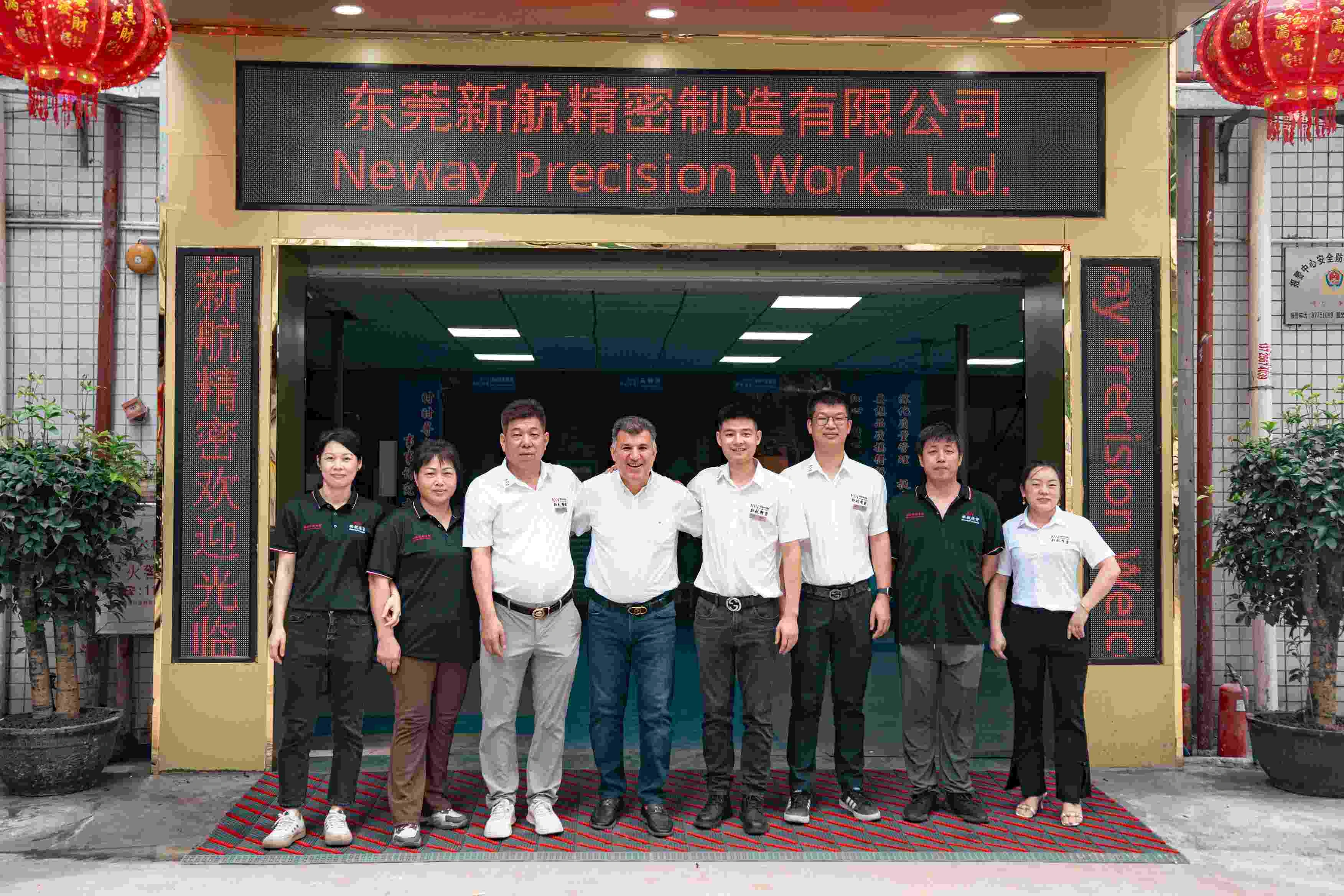
Neway Precision Works Ltd.
No.3 Lefushan Industry West Road
Fenggang, Dongguan, China
ZIP 523000
Solutions
Copyright © 2026 Machining Precision Works Ltd.All Rights Reserved.